Electricity generation has moved far beyond simple grid dependency, especially as homes and industries look for more reliable and cost-efficient energy solutions. Power interruptions, rising electricity costs, and the need for energy independence have pushed users to explore smarter alternatives that can manage both supply and backup in a more controlled way. This shift has made system selection a strategic energy decision rather than just a technical installation.
Among the most commonly compared solutions today are on-grid solar systems and hybrid setups. While both are designed to reduce electricity costs and improve energy efficiency, they operate in very different ways and offer different levels of reliability during outages. Understanding these differences is essential before investing in any modern solar setup or a hybrid power generation system.
An on-grid system is directly connected to the utility grid and works best when the electricity supply is stable, while a hybrid system combines solar power with battery storage and grid support for greater flexibility. This difference in structure significantly affects performance, backup capability, and long-term energy control.
For homeowners, businesses, and industrial users, choosing between these systems is not just about cost; it is about how much independence and reliability they need. A properly designed hybrid power generation system often plays a key role in achieving uninterrupted and efficient energy usage in modern applications. So, read on:
What Are An On-Grid System And A Hybrid System?
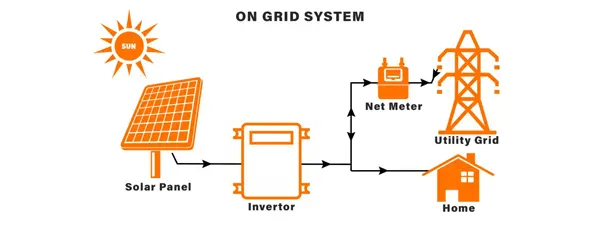
An on-grid system is a solar power setup that is directly connected to the main electricity grid. It generates electricity through solar panels and supplies it to the home or facility, while any extra energy is sent back to the grid. However, it does not provide backup power during outages, which makes it fully dependent on grid availability. This creates a grid-dependent energy model commonly used where the electricity supply is stable.
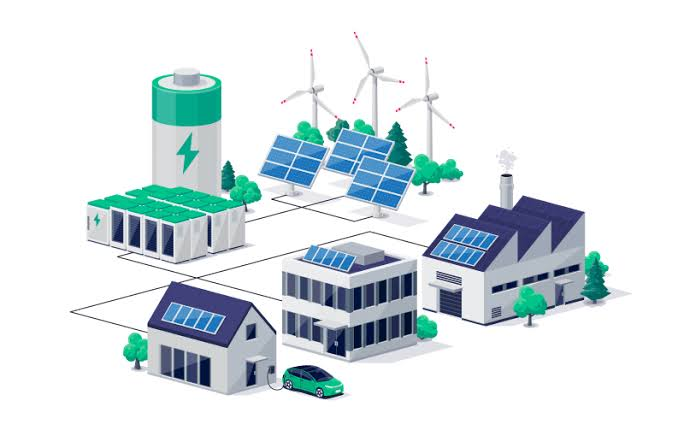
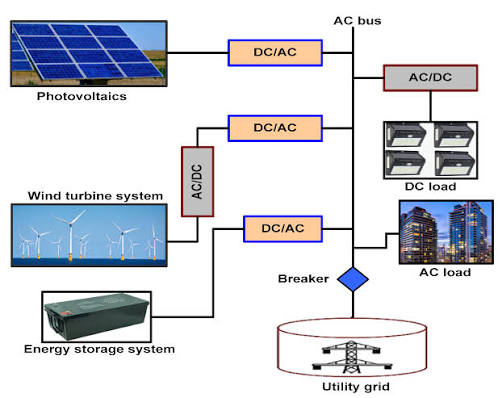
A hybrid system, on the other hand, combines solar panels with battery storage and grid connection in a single setup. It not only supplies electricity during the day but also stores extra energy for use at night or during power failures. This makes it part of a hybrid power generation system designed for both efficiency and backup support.
The main advantage of a hybrid setup is flexibility, as it can switch between solar, battery, and grid power depending on demand and availability. On-grid systems are simpler and often cheaper, but they lack backup capability, which limits their reliability during outages. This difference plays a major role in system selection for residential and commercial users.
What Is the Difference Between On-Grid and Hybrid?
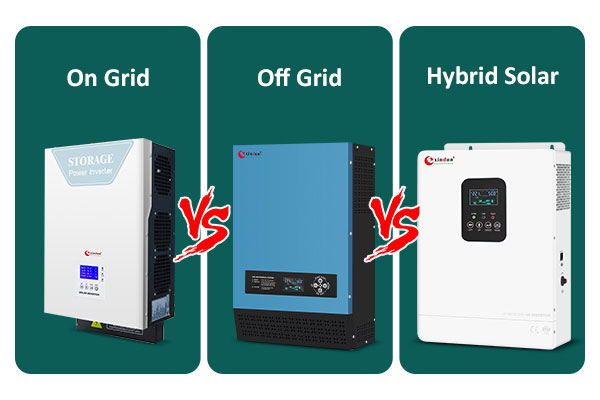
The difference between on-grid and hybrid systems is not only about equipment design but also about how each system manages electricity generation, storage, and usage in real-world conditions. Both systems are widely used in residential and commercial setups, but their performance during outages, level of independence, and long-term efficiency vary significantly. This makes the comparison a key part of hybrid power generation system planning for modern energy users.
On-grid systems are designed to work directly with the utility grid, meaning they generate electricity through solar panels and feed excess power back into the grid. However, they cannot operate independently during a power outage. Hybrid systems combine solar panels with battery storage and grid connectivity, allowing a continuous power supply even when the grid fails. This creates a fundamental system architecture difference between the two technologies.
Power Backup Capability
On-grid systems do not provide backup power because they are designed to shut down during grid failures for safety reasons. This means that even if solar panels are producing electricity, the system will not operate during an outage. As a result, users remain fully dependent on the utility supply for uninterrupted electricity.
In contrast, hybrid systems include battery storage that stores excess solar energy for later use. During a power outage, the system automatically switches to battery power, ensuring a continuous electricity supply. This makes a hybrid power generation system far more reliable for areas with unstable or frequent outages, as it provides built-in backup functionality.
Energy Independence
Energy independence is one of the most important factors when comparing these systems. On-grid systems are heavily dependent on the availability of the utility grid, which means users cannot access electricity during blackouts or grid failures. This creates a limited operational flexibility in real-world conditions.
Hybrid systems offer significantly greater independence because they combine solar generation with battery storage. Users can store excess energy during the day and use it later when needed, reducing reliance on external supply. This makes hybrid setups more suitable for long-term energy planning and supports a self-sustained energy model.
Cost and Efficiency
On-grid systems generally have a lower initial installation cost because they do not require batteries or advanced control systems. This makes them attractive for users who want to reduce electricity bills without investing heavily up front. However, their efficiency is limited by their dependency on the grid.
Hybrid systems require a higher initial investment due to the inclusion of batteries, inverters, and additional control components. Despite the higher cost, they offer better energy utilisation and improved control over consumption. In many cases, a hybrid power generation system delivers better long-term value through improved efficiency and reduced downtime losses.
Grid Dependency
On-grid systems are fully dependent on continuous grid availability, which means they stop functioning during outages. This reliance makes them suitable only for areas with a stable and uninterrupted electricity supply. Any disruption in the grid directly affects system performance and usability.
Hybrid systems reduce this dependency by integrating battery storage and intelligent energy management. They can operate independently of the grid for a limited time, ensuring an uninterrupted power supply even during outages. This creates a reduced grid reliance advantage, making hybrid systems more adaptable for modern energy needs and unstable power environments.
On-Grid vs Hybrid System Comparison
| Feature | On-Grid System | Hybrid Power Generation System |
| Power Backup | No backup during outages, shuts down with grid failure | Provides backup using battery storage during outages |
| Energy Independence | Fully dependent on the utility grid | Partially independent with solar + battery support |
| Cost | Lower initial installation cost | Higher initial cost due to batteries and an advanced system |
| Grid Dependency | Completely dependent on grid availability | Can operate with or without grid support |
| Efficiency Control | Limited control over energy usage | Better control through storage and smart energy management |
| Reliability in Outages | Not reliable during power cuts | Highly reliable due to backup integration |
| Long-Term Value | Cost-effective but limited functionality | Higher long-term value with energy stability and backup |
Can We Convert an On-Grid System to a Hybrid System?
Yes, an on-grid solar system can be converted into a hybrid setup, but it requires specific technical upgrades rather than a simple modification. The process mainly depends on adding storage capability and upgrading system components so the setup can operate both with and without the grid. This type of upgrade is often considered in hybrid power generation system planning when users need backup power after installation.
The most important requirement for conversion is integrating a compatible hybrid inverter. A standard on-grid inverter does not support battery storage, so it must be replaced or upgraded to manage both solar input and stored energy. This creates a system architecture upgrade requirement that forms the base of the conversion process.
Battery installation is the second major step. Batteries allow the system to store excess solar energy and supply electricity during outages. Without this component, the system remains dependent on the grid and cannot function as a hybrid setup. Proper battery sizing is also essential to match load requirements and ensure stable backup performance.
In addition, wiring adjustments and safety components such as charge controllers or energy management systems may be required depending on the existing setup. These upgrades ensure smooth energy flow between solar panels, batteries, and the grid, supporting a fully functional hybrid power generation system configuration.
Overall, conversion is technically possible, but it must be designed carefully to ensure compatibility, efficiency, and long-term reliability.
Can I Convert My On-Grid Solar System to Hybrid?
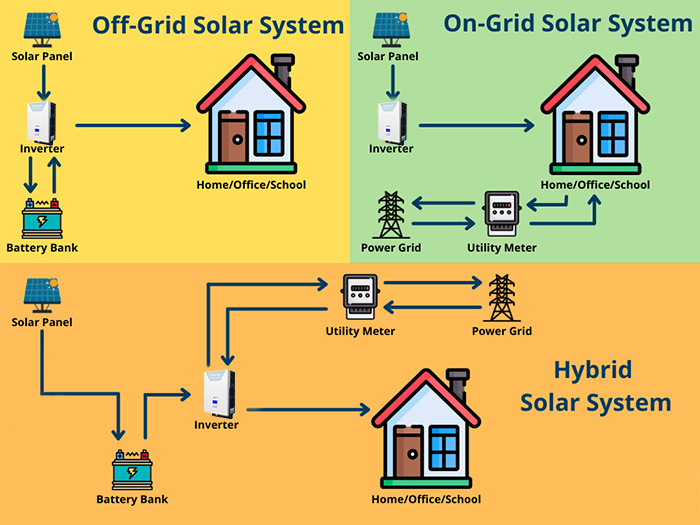
Yes, you can convert an existing on-grid solar system into a hybrid setup, but the feasibility depends on your current inverter type, system design, and available space for battery installation. This upgrade is commonly done when users want backup power and greater control, making it a practical step toward a hybrid power generation system configuration.
In most cases, the main requirement is replacing or upgrading the existing on-grid inverter with a hybrid inverter that supports both grid interaction and battery storage. The standard on-grid inverter cannot manage stored energy, so this change is essential for enabling backup functionality. This creates a core system upgrade requirement for conversion.
After the inverter upgrade, batteries must be installed to store excess solar energy. These batteries allow the system to supply electricity during power outages, which is the key difference between on-grid and hybrid setups. Proper battery sizing is important to ensure the system can handle your essential load requirements efficiently.
Additional adjustments, such as wiring updates, protection devices, and energy management settings, may also be needed to ensure smooth integration. These components help balance energy flow between solar panels, batteries, and the grid, ensuring stable performance in a hybrid power generation system.
Overall, conversion is possible for most systems, but it should be evaluated by a technical expert to ensure compatibility and safe long-term operation.
Which System Is Better for Different Use Cases?
The decision between on-grid and hybrid systems depends entirely on how, where, and why the system is being used. Each setup serves a different purpose, and choosing the right one requires a clear understanding of energy demand, grid stability, and backup expectations. On-grid systems are generally better suited for locations where the electricity supply is stable, and power outages are rare or short. In such environments, users mainly focus on reducing electricity bills through solar generation while still relying on the utility grid for continuous supply. This makes on-grid systems a cost-efficient and simple energy solution for residential homes, offices, and small commercial setups that do not require a backup power solution.
On the other hand, a hybrid power generation system is designed for users who need both energy savings and uninterrupted backup. It is especially useful in areas with frequent load shedding, unstable grids, or critical operations where power loss is not acceptable. Hospitals, data centres, manufacturing units, and high-demand facilities benefit significantly from hybrid setups because they can continue operating even during outages through battery storage support. This provides a higher level of energy independence and operational reliability compared to on-grid systems.
Ultimately, the better system is not universal but situational. If cost savings and simplicity are the priority, on-grid is suitable. If reliability, backup power, and energy control are important, hybrid systems clearly offer a stronger long-term solution.
Installation and Maintenance Considerations
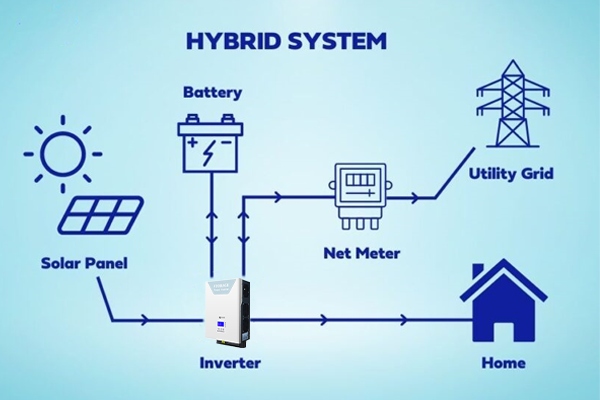
Installation requirements for on-grid and hybrid systems differ significantly due to their design and components. On-grid systems are relatively simpler to install because they only involve solar panels, an inverter, and a grid connection. This makes them a low-maintenance solar solution for basic energy needs.
Hybrid systems require additional components such as batteries, hybrid inverters, and energy management systems. Their installation is more complex because it involves integrating multiple energy sources into one controlled system. Proper configuration is essential for stable performance in a hybrid power generation system setup.
Maintenance also varies between the two. On-grid systems generally require less maintenance since they do not include battery storage. Hybrid systems need regular battery monitoring, performance checks, and system calibration to ensure efficiency and long-term reliability.
Despite higher maintenance requirements, hybrid systems offer better control and backup capability, making them more suitable for users who prioritise energy security over simplicity.
Future-Ready Power Solutions – Connect With ALEO Today!
Both on-grid and hybrid systems play an important role in modern energy planning, but their suitability depends on user needs and site conditions. On-grid systems are a practical choice for areas with a stable electricity supply, offering a cost-effective way to reduce energy bills through solar integration. However, they remain dependent on the utility grid and cannot provide backup during outages.
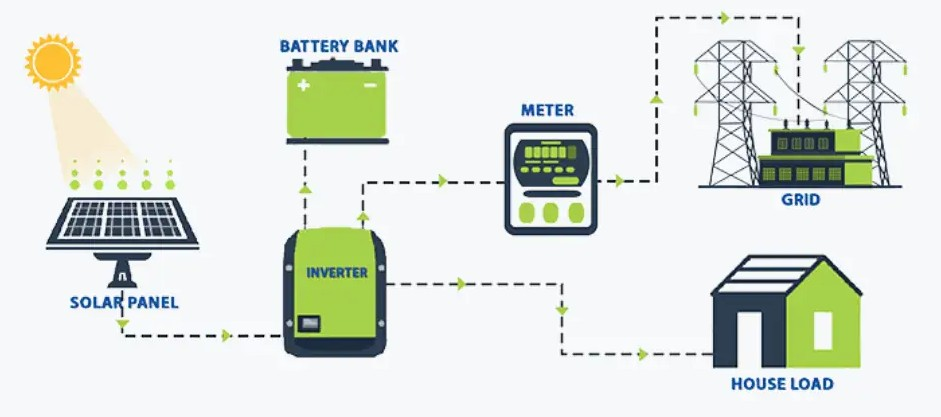
A hybrid power generation system offers greater flexibility by combining solar generation with battery storage and grid support. This makes it a more reliable option for users who need uninterrupted power, especially in regions with frequent outages or critical operational demands. While the initial cost is higher, the added control and backup capability provide stronger long-term value. In the end, the right choice comes down to balancing budget, reliability, and energy independence based on real usage requirements.
At ALEO, our industrial power systems are designed to support demanding off-grid applications with dependable long-term performance. Each unit carries UL certification from the USA, ensuring compliance with international safety and performance standards while giving buyers confidence in overall quality and durability.
With direct USA shipment, businesses benefit from dependable delivery timelines that support time-sensitive deployments and remote project schedules. Our team also provides on-site installation and debugging support to ensure proper system integration and optimised performance from day one.
Backed by a 1-year warranty, ALEO solutions help organisations achieve stable remote power delivery, reduced downtime, and long-term operational confidence in critical off-grid environments.
Visit our website and connect with us today to access high-quality systems, structured maintenance planning, and expert support.