Modern businesses do not simply need electricity; they depend on uninterrupted power to maintain productivity, protect equipment, and ensure operational safety. Whether it is a manufacturing facility, hospital, data center, or commercial building, even a short power disruption can create serious financial and operational consequences. This makes reliable power planning a critical business requirement rather than just a technical preference.
Many companies invest in backup generators or UPS systems, but these standalone solutions often fail to provide complete protection when power demands become more complex. Businesses today require systems that can manage generation, backup, storage, and distribution together in a coordinated way. This is where integrated power solutions become essential for long-term operational stability.
Instead of relying on separate disconnected systems, integrated power solutions combine multiple power sources and control mechanisms into one unified structure. This improves efficiency, reduces downtime, and ensures faster response during outages or load fluctuations. Such a centralized power management approach helps organizations maintain continuity without unnecessary operational risks.
For decision-makers, understanding how these systems work is important before making investment choices. Selecting the right integrated power solutions not only improves reliability but also supports scalability, maintenance efficiency, and long-term cost control. This creates a smarter infrastructure investment for businesses operating in power-sensitive environments.
What Does Integrated Power Mean?
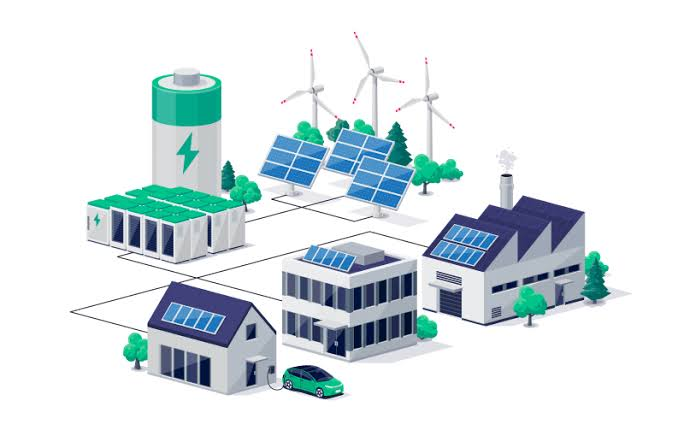
Integrated power refers to a system where multiple power sources, backup mechanisms, and control functions work together as one coordinated structure. Instead of operating separate standalone units, businesses use a connected setup that manages generation, storage, distribution, and protection from a single framework. This creates a unified energy management system that improves both reliability and operational efficiency.
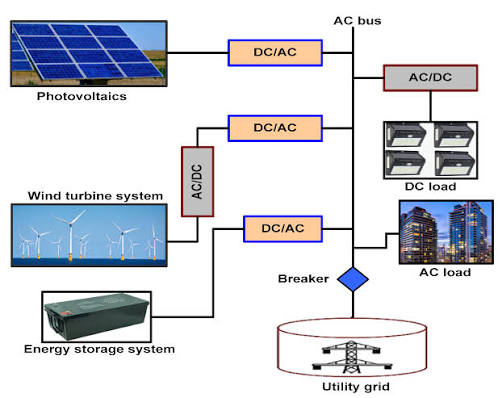
In practical terms, integrated power combines equipment such as generators, batteries, UPS units, solar systems, and monitoring controls into one organized solution. Each component supports the others, ensuring stable performance even during outages or sudden load changes. This makes integrated power solutions far more effective than isolated systems working independently.
The main purpose of this approach is to reduce downtime and improve response speed during power interruptions. When systems are integrated properly, automatic switching, load balancing, and fault detection happen faster, reducing risks to equipment and operations. This creates a faster operational recovery process in critical business environments.
For industrial and commercial users, integrated power is not just about backup electricity, but about maintaining continuous business performance. It supports long-term planning by improving efficiency, reducing maintenance complexity, and delivering stronger system control through reliable integrated power solutions.
What Are Integrated Power Solutions and How Do They Work
Integrated power solutions are complete systems designed to manage power generation, backup supply, storage, and distribution within one coordinated setup. Rather than depending on separate devices for each function, businesses use a structured system where all components communicate and operate together. This creates a complete power continuity framework for stable and reliable performance.
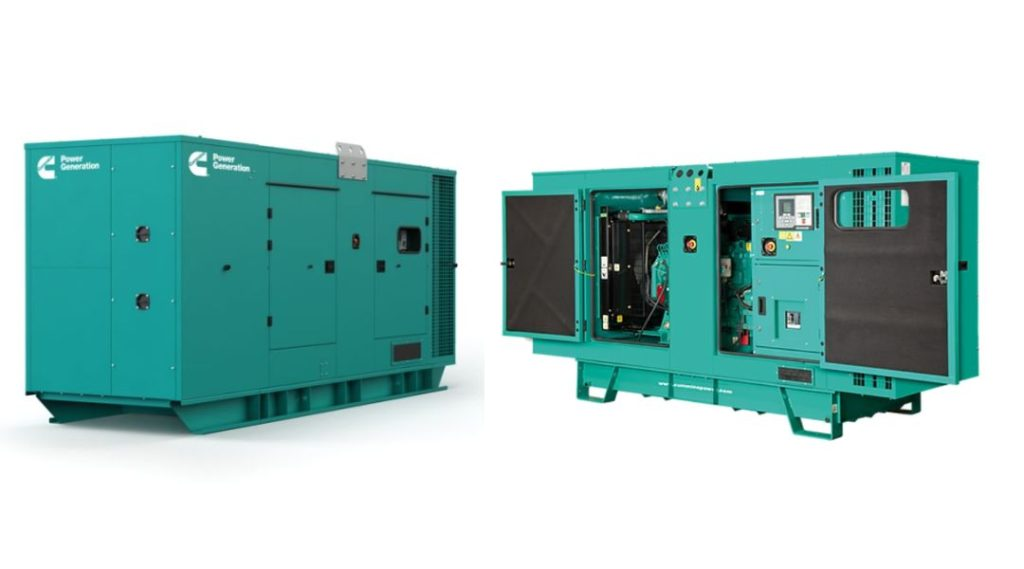
These systems usually include generators, UPS units, battery storage, transfer switches, control panels, and monitoring software. Each part plays a specific role in ensuring that electricity remains available during outages, voltage drops, or unexpected load increases. This coordinated design makes integrated power solutions highly valuable in industries where downtime is costly.
The system works by continuously monitoring power conditions and automatically responding when disruptions occur. For example, if the main power source fails, backup systems activate immediately while control systems manage safe load transfer. This allows a seamless power transition process without major interruption to operations.
Businesses prefer integrated power solutions because they simplify maintenance, improve efficiency, and provide better long-term cost control. Instead of managing multiple disconnected systems, companies gain stronger visibility and faster decision-making through one reliable power management structure.
Key Components of Integrated Power Solutions
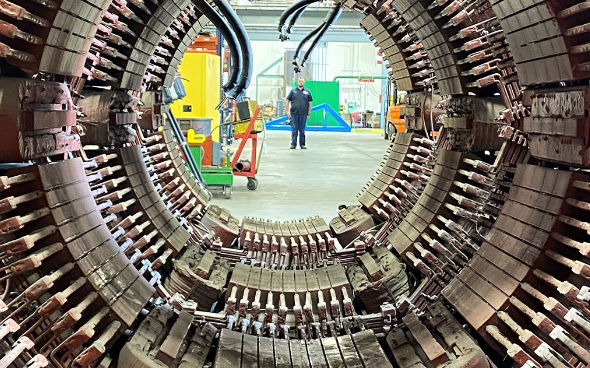
The effectiveness of integrated power solutions depends on how well different systems work together to deliver stable, uninterrupted power. A complete setup is not built around one machine alone, but around several connected components that support generation, backup, control, and safety. This creates a fully coordinated power structure that improves operational reliability in demanding environments.
Power Generation Systems
Power generation forms the foundation of the system and includes sources such as generators, grid supply, and in some cases,s solar support. These sources ensure that electricity remains available under normal operations and during outages. A strong primary energy supply base is essential for maintaining consistent performance across industrial and commercial facilities.
Backup and Energy Storage Systems
Backup systems such as batteries and UPS units provide immediate support when the main power source is interrupted. They prevent sudden shutdowns and allow a smooth transition to secondary power sources. This creates a short-term power continuity layer that protects sensitive equipment and business operations from unexpected disruptions.
Monitoring and Control Infrastructure
Automation and monitoring systems manage load balancing, fault detection, and remote supervision of the entire setup. These tools help operators respond quickly to system changes and improve overall efficiency. This results in a real-time operational control system that reduces manual intervention and improves decision-making speed.
Distribution and Safety Mechanisms
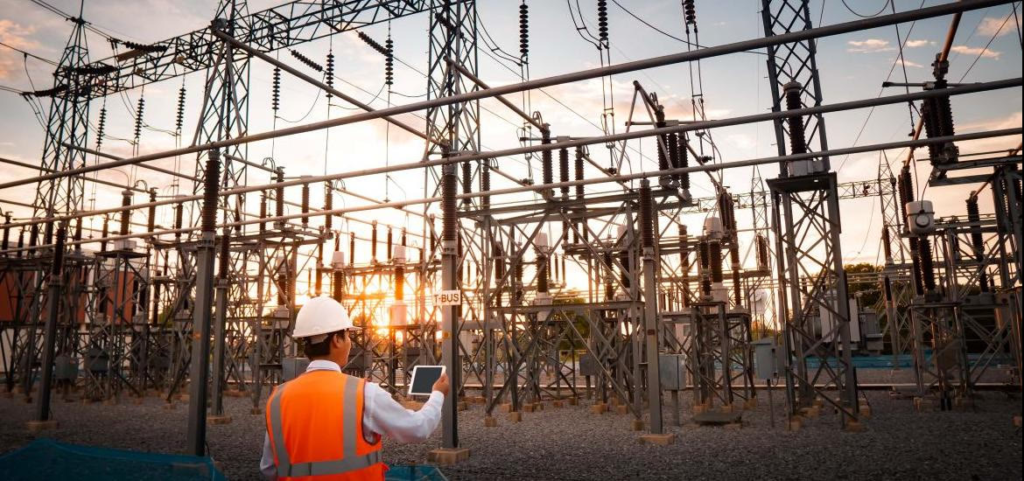
Switchgear, voltage regulators, and protection devices ensure electricity is delivered safely and efficiently to connected equipment. They prevent overloads, voltage instability, and electrical faults that can damage operations. This forms a safe power distribution network that protects both equipment and personnel.
Reliability and Operational Continuity
When all these components are integrated properly, businesses gain stronger uptime, faster recovery during outages, and lower long-term maintenance risks. This is why integrated power solutions are preferred in facilities where uninterrupted performance is critical for daily operations.
What Is the Difference Between IPS and UPS?
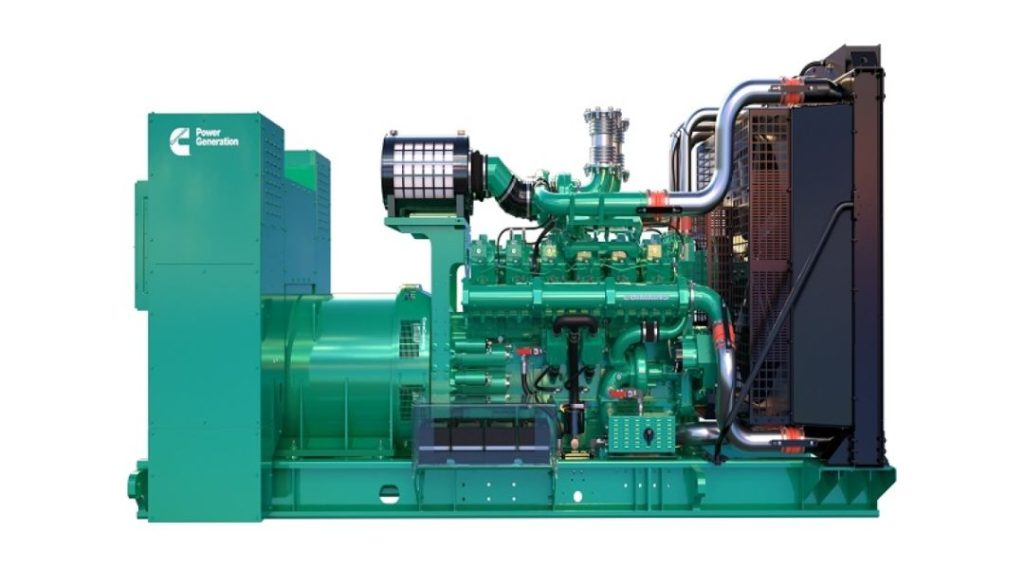
IPS and UPS are often confused because both are designed to provide backup power, but they serve different purposes and operate in different ways. Understanding this distinction helps businesses choose the right system based on actual operational needs rather than assumptions. This creates a clear backup system distinction for better decision-making.
A UPS, or Uninterruptible Power Supply, provides immediate short-term backup power using batteries when the main power source fails. It is mainly used to protect sensitive electronics such as servers, computers, and medical equipment from sudden shutdowns or voltage fluctuations. This makes it a fast-response protection system for critical devices.
An IPS, or Integrated Power System, is a broader solution that combines power generation, backup storage, control systems, and distribution into one coordinated structure. Unlike a UPS, it is designed for longer-duration power continuity and full operational support. This makes integrated power solutions far more suitable for industrial and commercial environments with complex energy demands.
In simple terms, a UPS protects equipment from short interruptions, while an IPS manages complete power continuity across the entire facility. Choosing between them depends on whether the need is temporary battery backup or a full-scale integrated power solutions strategy.
Is IPS Current AC or DC?
An IPS system works with both AC and DC current because different parts of the system require different forms of electricity to operate efficiently. Batteries inside the system store power in DC form, while most industrial and commercial equipment runs on AC power. This creates a dual-current operating structure within integrated power solutions.
When the main power supply is available, the IPS charges its batteries using converted electrical input. During a power failure, the stored DC energy is converted back into AC through an inverter so that connected equipment can continue running normally. This ensures a smooth power conversion process without interrupting operations.
The reason AC is used for output is that most appliances, machines, and facility systems are designed to operate on alternating current. DC remains important internally for battery storage and energy management. This balance forms a practical energy conversion system that improves both reliability and backup performance.
For buyers, understanding whether IPS uses AC or DC helps clarify system expectations and compatibility requirements. In reality, integrated power solutions depend on both forms working together to provide stable and uninterrupted power support.
What Should Not Be Plugged Into a UPS?
A UPS is designed to protect sensitive electronics during short power interruptions, but not every appliance should be connected to it. Plugging in the wrong equipment can overload the system, reduce battery life, or even cause complete UPS failure. This makes proper load selection essential for safe operation.
High-power appliances such as air conditioners, heaters, refrigerators, laser printers, and compressors should generally not be connected to a standard UPS. These devices require large startup currents that exceed the battery system’s safe capacity. This creates a high surge load risk that can damage both the UPS and connected equipment.
Motors and heavy industrial machines also place excessive strain on UPS systems because they demand continuous high-power support rather than short-term backup. UPS units are built for controlled protection, not full-scale equipment operation. This creates an equipment compatibility limitation that users must understand before installation.
Instead, UPS systems should be reserved for computers, networking equipment, servers, and medical devices where immediate short-term backup is critical. In larger facilities, integrated power solutions provide a better option for supporting heavy loads while maintaining stable long-duration power continuity.
What Does IPS Company Do?
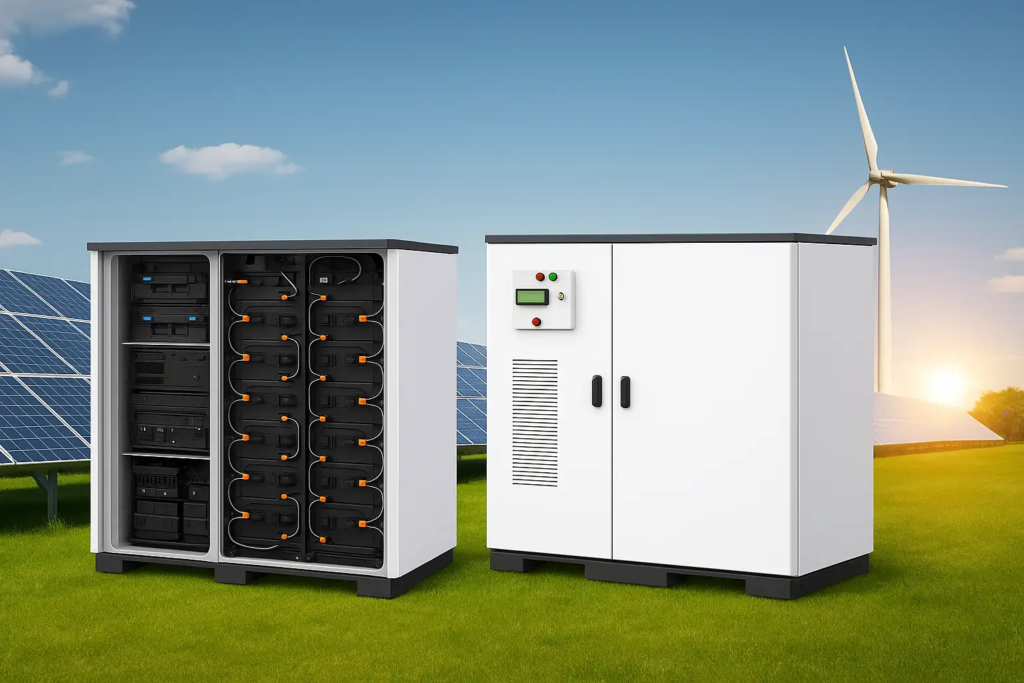
An IPS company typically provides services related to power management, backup systems, and electrical infrastructure for industrial and commercial clients. Their role goes beyond simply selling equipment, as they help businesses design, install, and maintain reliable power systems based on operational needs. This creates a complete power service model for long-term efficiency and stability.
These companies often handle generator systems, UPS installation, battery storage solutions, control panels, and load management planning. They assess site requirements and recommend the most suitable integrated power solutions for continuous operations. This ensures a customized system planning approach rather than a one-size-fits-all setup.
In addition to installation, IPS providers also offer preventive maintenance, emergency support, and performance monitoring services. This helps reduce downtime and ensures systems continue operating efficiently during critical situations. Such support forms a long-term operational reliability strategy for businesses that depend on uninterrupted power.
For buyers, choosing the right IPS company means selecting a partner that can support both immediate installation and future maintenance needs. Strong technical expertise and responsive after-sales service are essential for sustainable power management.
Is Integrated Power Services a Good Company
Whether Integrated Power Services is a good company depends on factors such as service quality, technical expertise, certifications, and customer support rather than the name alone. In the industrial power sector, buyers should focus on performance standards and long-term reliability before making decisions. This creates an evaluation-based supplier selection process for better investment outcomes.
A strong provider should offer certified equipment, experienced technical teams, and clear maintenance support after installation. Companies that provide structured service plans and fast response times are generally more reliable for demanding operations. This reflects a professional service quality standard that businesses should prioritize.
Reputation also matters when evaluating any provider. Customer feedback, project history, and industry certifications help indicate whether the company can deliver dependable integrated power solutions across different environments. These factors support a trust-based purchasing decision rather than choosing based only on pricing.
Ultimately, the best company is the one that aligns with your operational requirements, offers strong technical support, and ensures long-term system reliability for uninterrupted business performance.
How to Choose the Right Integrated Power Solutions Provider
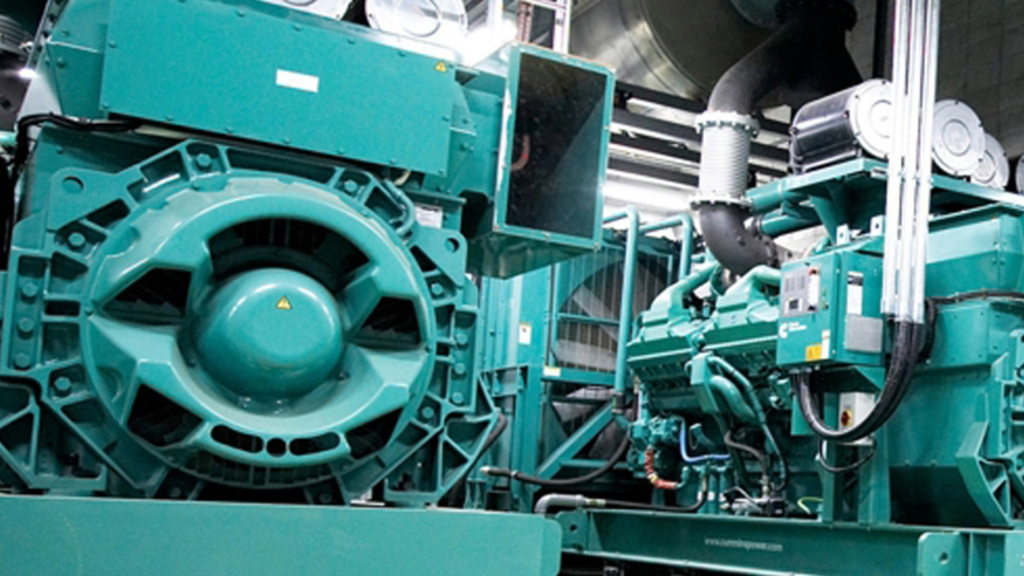
Choosing the right provider is just as important as selecting the right equipment because long-term system performance depends heavily on installation quality, technical support, and maintenance planning. Businesses should look for providers that understand operational requirements and can deliver reliable integrated power solutions rather than simply selling products. This creates a strategic supplier selection process for stronger long-term results.
Technical expertise should be the first priority. A qualified provider must understand load calculations, system compatibility, backup planning, and safety compliance before recommending any solution. This ensures a proper engineering assessment that reduces future operational risks.
Product quality and certification also play a major role in decision-making. UL-certified systems, tested components, and proven equipment performance offer better reliability and compliance with international standards. This forms a quality assurance benchmark that protects both investment and daily operations.
After-sales support is equally important because power systems require ongoing maintenance and occasional troubleshooting. Providers offering structured service plans, fast response times, and installation guidance deliver stronger long-term value through dependable integrated power solutions.
Installation and Maintenance Considerations
Even the best equipment can fail if installation and maintenance are not handled properly. Integrated systems require careful planning to ensure compatibility between generators, UPS units, batteries, and distribution controls. This creates a proper system integration foundation for reliable long-term operation.
Routine maintenance is equally important for maintaining uptime and preventing unexpected failures. Regular inspections, battery checks, control panel testing, and preventive servicing help ensure consistent performance and operational safety. This supports a preventive maintenance discipline that protects business continuity.
Long-term efficiency depends on both system quality and how well it is maintained over time. Businesses that prioritize structured servicing experience fewer disruptions and better return on investment from their integrated power solutions.
Get the Right Power Solution – Connect With ALEO Today!
Modern businesses require more than simple backup power; they need systems that ensure stability, safety, and uninterrupted operations under all conditions. This is why integrated power solutions have become essential for industries that depend on continuous performance.
At ALEO, we provide high-quality power systems designed for reliability, efficiency, and industrial performance. Our units are UL-certified in the USA, supported by direct shipment from the United States, on-site installation guidance, and a 1-year warranty for long-term confidence. This delivers a trusted industrial power solution for businesses seeking dependable and scalable energy support.
Visit our website and connect with us today to access high-quality equipment, structured maintenance planning, and expert support, helping your business achieve a stable power supply, improved uptime, and long-term operational success.