In recent years, the demand for compact and flexible backup energy solutions has grown rapidly as more people look for reliable electricity during travel, outdoor work, and unexpected power interruptions. Traditional generators are often seen as bulky, noisy, and fuel-dependent, which has opened space for quieter and more portable alternatives. This shift has made the mobile power station an increasingly popular option among households, travellers, and small business users.
Unlike conventional fuel-based systems, a mobile power station stores electricity in a built-in battery and delivers power instantly whenever needed. This makes it suitable for charging small appliances, running electronics, or supporting short-term backup needs without the hassle of fuel handling or engine maintenance. The simplicity and indoor-safe operation have further increased its appeal in urban energy needs.
However, despite its growing popularity, many users still question its real-world practicality. Concerns around battery life, load capacity, charging time, and long-term value have created confusion about whether it is truly worth the investment. While some see it as an essential modern convenience, others view it as a limited backup solution that cannot replace traditional systems.
Understanding how a mobile power station performs in real usage scenarios is important before making a purchase decision. This guide explores its capabilities, limitations, and everyday applications to help determine whether it is the right energy solution for different user requirements and scenarios. So, read on:
What Is a Mobile Power Station?
Anyone who knows anything about remote gensets, portable power supplies, and other such temporary power backup solutions has at least once caught themselves asking a simple question: Is it really worth buying a portable power station? Before anyone can answer this question, it is important to be clear about what such a setup exactly means.
A mobile power station is a compact, battery-based energy storage system designed to provide electricity without the need for fuel or a continuous grid connection. It stores electrical energy in built-in lithium batteries and delivers it through AC, DC, or USB outputs, making it suitable for a wide range of small appliances and electronic devices in both indoor and outdoor settings.
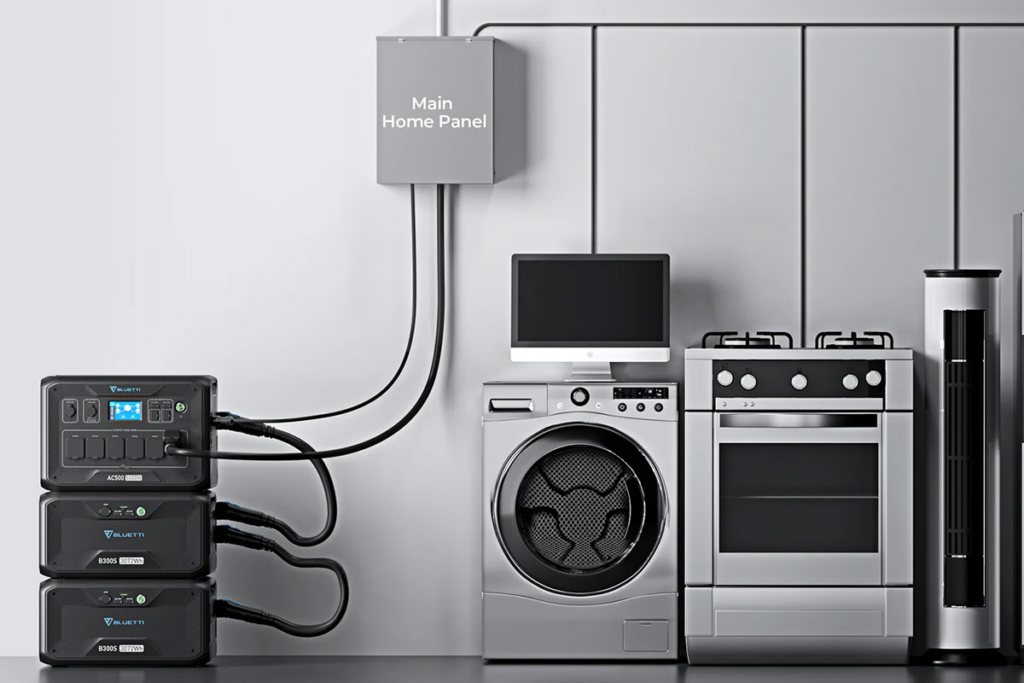
Unlike traditional generators, a mobile power station operates silently and produces no direct emissions. It can be charged through wall outlets, solar panels, or even vehicle adapters, which makes it highly flexible for off-grid energy use. This versatility has made it popular for camping, emergency backup, and light household applications.
The system works through an internal inverter that converts stored DC power into usable AC electricity. This allows users to run devices such as laptops, fans, lights, and small kitchen appliances, depending on the capacity of the unit. However, its performance is directly linked to battery size and energy storage capacity.
Overall, a mobile power station is designed for convenience, portability, and short-duration power needs rather than heavy industrial applications or long-term continuous operation.
How Do Mobile Power Stations Work?
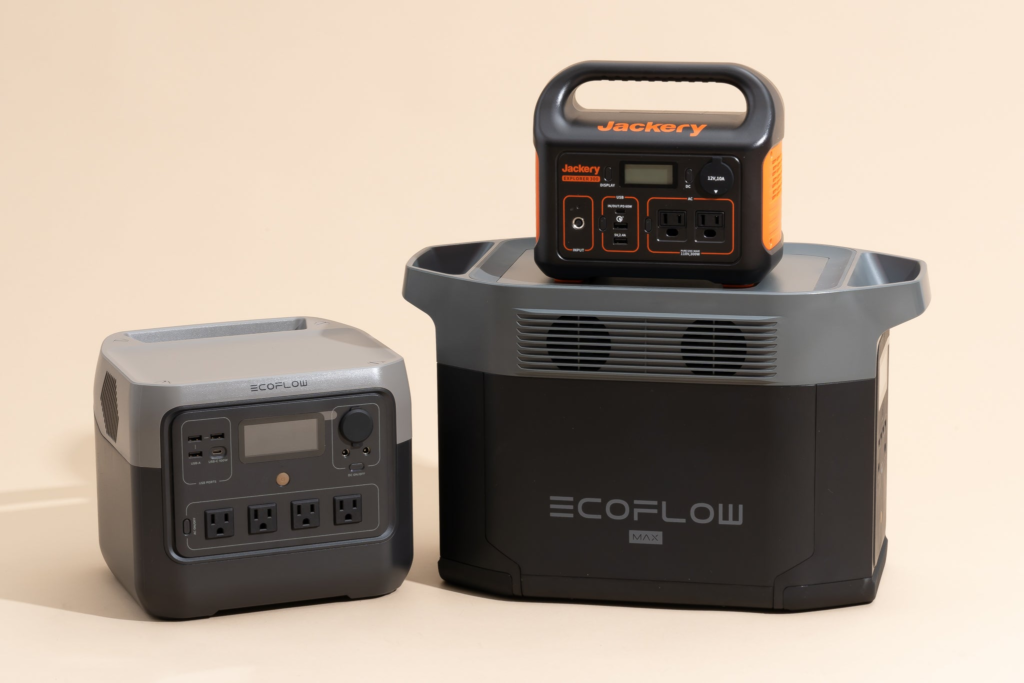
A mobile power station operates through a simple energy cycle that includes charging, storing, and converting electricity for end use. The internal lithium battery acts as the main storage unit, capturing energy from external sources such as wall sockets, solar panels, or vehicle chargers.
Once charged, the stored DC electricity is managed by an internal battery management system that regulates safety, temperature, and power distribution. This ensures stable performance and protects the unit from overcharging or deep discharge, improving battery safety control.
When a device is connected, the built-in inverter converts DC power into AC power, allowing users to operate standard household electronics. Multiple output ports enable simultaneous charging of different devices, making it suitable for multi-device power usage.
The system continuously monitors energy flow to balance efficiency and prevent overload. However, runtime depends heavily on battery size, connected load, and usage patterns, which means performance can vary significantly under different load conditions and demand levels.
What Are the Disadvantages of Portable Power Stations?
A mobile power station offers convenience and portability, but it also comes with several limitations that users must understand before relying on it as a primary backup source. One of the biggest drawbacks is limited energy storage capacity, which restricts its ability to power heavy appliances or run for long durations under continuous load.
Another major limitation is slow recharging time, especially for larger units. Depending on the charging method, it can take several hours or even a full day to recharge completely, which reduces usability during frequent outages or extended off-grid use. This makes it less practical for high-demand environments.
Battery degradation is also an important concern. Like all lithium-based systems, performance gradually decreases over time with repeated charging cycles. This leads to reduced runtime and lower overall efficiency, especially in long-term usage conditions.
Additionally, portable power stations have a high cost per unit of stored energy compared to traditional fuel-based systems. This means users often pay more for less capacity, making it less economical for heavy or continuous applications.
Overall, while a mobile power station is useful for light and occasional backup, its limitations make it unsuitable for demanding or large-scale power requirements.
Can You Run a TV Off a Portable Power Station?:
Yes, a mobile power station can easily run a television, especially modern LED and smart TVs that consume relatively low power. Most small to medium-sized TVs can operate smoothly as long as the power station has sufficient capacity and a compatible AC output.
The actual runtime depends on the battery size of the unit and the wattage of the TV. For example, a mid-sized power station can typically run a standard LED TV for several hours, making it suitable for short-term entertainment during outages or outdoor use. However, larger screens or high-brightness settings will reduce overall battery runtime efficiency.
It is also important to consider additional connected devices, as running multiple appliances at the same time will reduce available power. For best performance, users should manage load carefully to maximise energy usage duration and avoid rapid battery drain. Overall, while it can run a TV without issues, it is best suited for temporary viewing rather than extended daily operation.
Do You Really Need a Mobile Power Station?
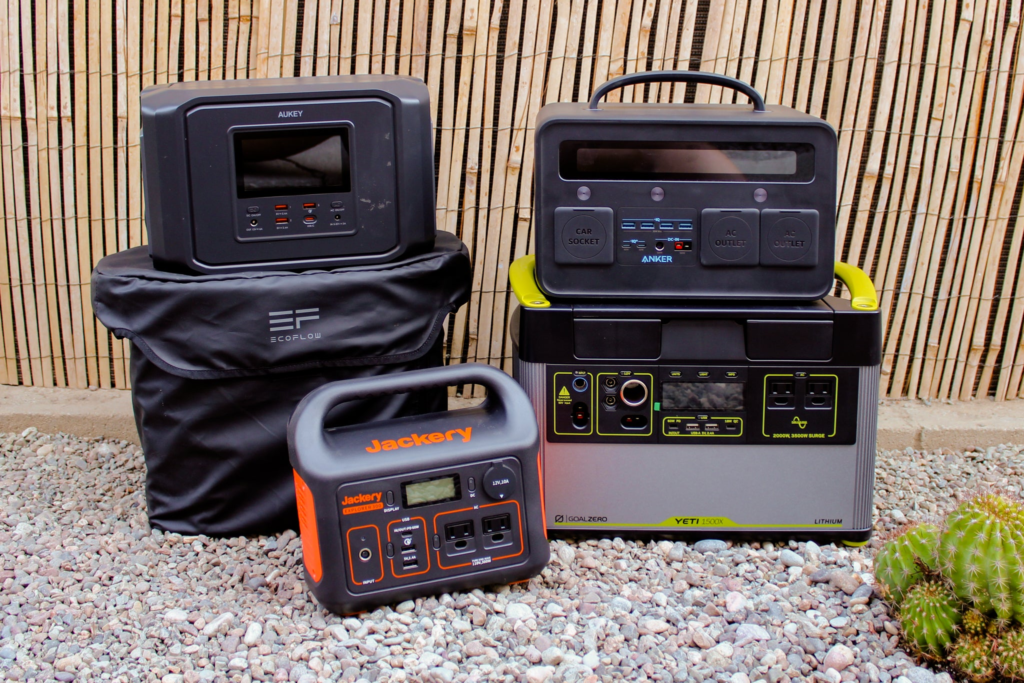
A mobile power station is not a necessity for everyone, but it becomes highly valuable depending on how and where it is used. For people who frequently travel, camp, or work in outdoor environments, it offers a convenient source of clean and silent electricity for small devices. It is also useful for short-term home backup during minor power outages, especially for keeping essential electronics running.
However, for users who require heavy or continuous power, it may not be the most practical solution. High-load appliances, long backup durations, or industrial use cases typically exceed its capacity. In such scenarios, traditional generator-based systems or larger backup setups are more suitable for sustained energy demand needs.
The decision ultimately depends on usage patterns. If portability, silent operation, and light device charging are the priority, then a mobile power station makes sense. But if the requirement involves long runtime or heavy equipment, its limitations become more apparent in real-world power applications. In short, it is a lifestyle-focused solution rather than a full-scale energy replacement that you can consider investing in to avoid minor inconveniences related to power disruptions.
How Long Do Mobile Power Stations Usually Last?
A mobile power station typically lasts between 3 and 10 years, depending on its battery quality, usage frequency, and charging habits. The lifespan is mainly determined by the number of charge cycles the lithium battery can handle before its capacity starts to degrade significantly.
Higher-quality units come with advanced battery management systems that help extend life by controlling temperature, preventing overcharging, and optimising discharge cycles. Regular moderate use under stable conditions can significantly improve battery durability performance over time.
However, heavy daily usage or constant deep discharging can reduce overall lifespan. Environmental factors such as heat and improper storage also contribute to faster degradation. Proper care and balanced usage are essential to maintain long-term efficiency and energy storage stability.
Overall, while these systems are built for long-term use, their performance gradually declines with age, making battery health an important factor in long-term reliability.
Can You Leave a Mobile Power Station Plugged in All the Time?
A mobile power station can generally be left plugged in due to built-in battery management systems that prevent overcharging. Most modern units are designed with smart controllers that automatically stop charging once the battery reaches full capacity and switch to maintenance mode to protect the system.
However, keeping it plugged in continuously for long periods is not always ideal for long-term battery health. Even with protection systems, lithium batteries perform better when they are kept within optimal charge ranges rather than being constantly maintained at 100 per cent. This helps preserve battery lifespan efficiency over time.
Manufacturers often recommend unplugging the unit after a full charge if it is not in active use. Proper storage conditions, such as a cool and dry environment, also help maintain stability and reduce unnecessary stress on the battery system. These practices improve long-term energy reliability.
In short, occasional continuous charging is safe, but regular over-reliance on plugged-in storage may slightly reduce overall battery life.
What Is Better, a Power Bank or a Power Station?
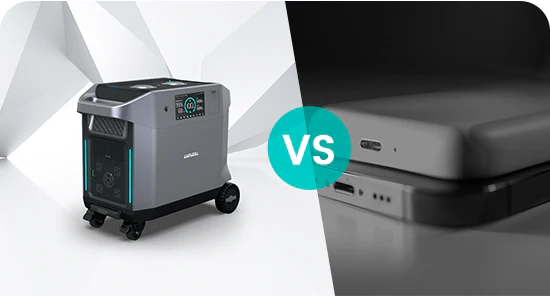
The choice between a power bank and a mobile power station depends entirely on energy requirements and usage scale. Power banks are designed for small devices like smartphones, tablets, and basic USB-powered electronics. They are lightweight, portable, and ideal for quick charging on the go.
In contrast, a mobile power station offers much higher capacity and supports a wider range of devices, including laptops, small appliances, and even some home electronics. It includes multiple output options such as AC sockets, DC ports, and USB connections, making it suitable for multi-device power applications.
Power banks are best for short-term personal use, while mobile power stations are better for extended backup and light household or outdoor energy needs. However, neither is designed for heavy industrial loads or long-duration full-scale backup systems.
In simple terms, a power bank is for convenience, while a mobile power station is for broader energy support needs.
| Feature | Power Bank | Mobile Power Station |
| Capacity | Low | High |
| Devices Supported | Phones, small gadgets | Phones, laptops, small appliances |
| Output Type | USB only | AC, DC, USB |
| Portability | Very high | Moderate |
| Use Case | Travel charging | Backup + outdoor use |
Key Benefits of Mobile Power Stations
A mobile power station offers a convenient and clean way to access electricity without relying on fuel or noisy engines. One of its biggest advantages is silent operation, which makes it ideal for indoor use, camping, and residential backup without disturbing the environment or nearby people.
Another major benefit is portability. These systems are compact and easy to carry, allowing users to move power wherever it is needed. This makes them highly practical for outdoor activities, emergency situations, and light off-grid energy use cases.
They also require very low maintenance compared to traditional generators. With no fuel, oil changes, or engine servicing required, users benefit from simple plug-and-play operation. This reduces long-term upkeep and improves daily usability convenience. Overall, mobile power stations are best suited for users who like to prioritise clean energy, portability, and ease of use for small to medium power needs.
Limitations in Real-World Use Cases
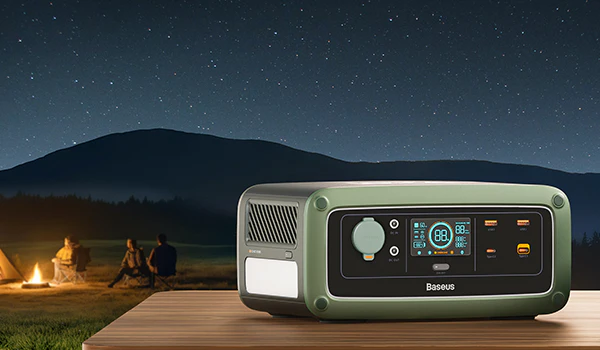
Despite their advantages, a mobile power station has clear limitations that affect its performance in real-world applications. The most significant restriction is limited power capacity, which makes it unsuitable for heavy-duty appliances or long-duration usage.
Another challenge is dependency on charging sources. Since these systems rely on electricity or solar input, extended use in remote or cloudy conditions can reduce reliability. This affects continuous energy availability in demanding situations.
They also struggle with cost efficiency when compared to traditional power systems. For the amount of stored energy, users often pay a higher price, making them less practical for frequent or high-load applications.
In short, while useful for light backup and portability, they are not designed for high-demand energy environments or industrial-level requirements.
Build Energy Infrastructure You Can Rely On – Connect With ALEO
A mobile power station can be a highly practical solution for users who need clean, portable, and quiet electricity for light applications. It performs well for charging small devices, running low-power appliances, and providing short-term backup during outages. For travel, camping, and basic home support, it offers a convenient and user-friendly alternative to traditional fuel-based systems.
However, its limitations become clear when energy demands increase. Restricted capacity, slower recharge times, and dependency on external charging sources make it less suitable for heavy or continuous usage. In such cases, it works best as a supplementary solution rather than a complete replacement for more powerful systems in demanding energy environments.
At ALEO, we focus on delivering industrial generator solutions designed for long-term reliability, higher load capacity, and consistent performance in commercial and industrial applications. Each unit carries UL certification from the USA, ensuring international safety and quality standards. With direct USA shipment, businesses benefit from reliable delivery timelines, while on-site installation and debugging support ensure smooth system integration. Backed by a 1-year warranty, ALEO solutions provide dependable performance and long-term operational confidence for critical power needs.
Visit our website and connect with us to begin your journey towards stabilised power generation today!