The Critical Role of High and Low-Voltage Switchgear in Modern Power Distribution Systems

Table of Contents

In an era defined by technological advancement and an ever-growing demand for reliable electricity, the power distribution system forms the silent, robust backbone of our infrastructure.

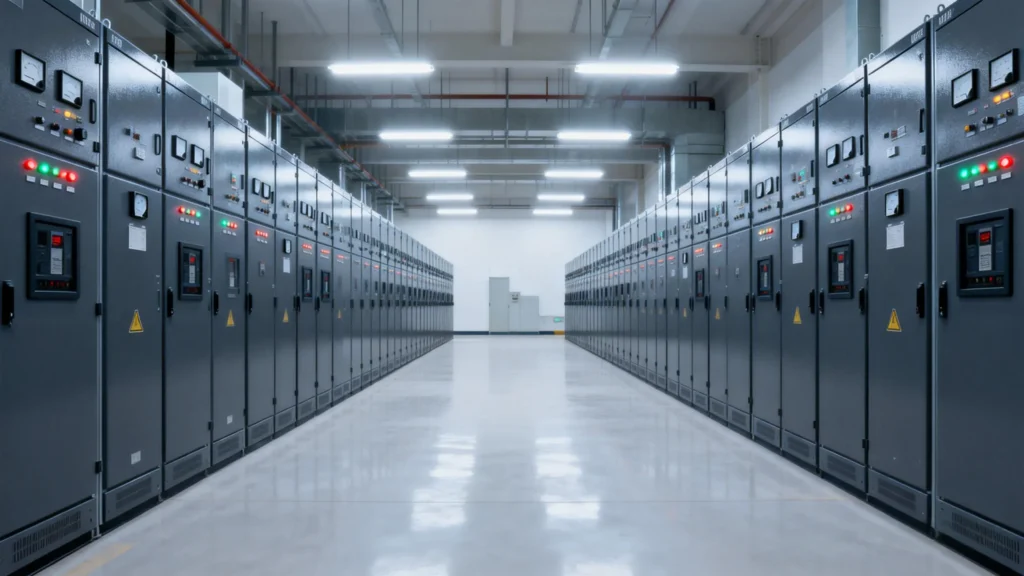
At the heart of this system lies a critical component often unseen but indispensable: electrical switchgear. Specifically, the coordinated operation of High-Voltage (HV) and Low-Voltage (LV) Switchgear is what ensures the safe, efficient, and intelligent flow of power from the grid to end-users.
The Foundation of Safety and Protection

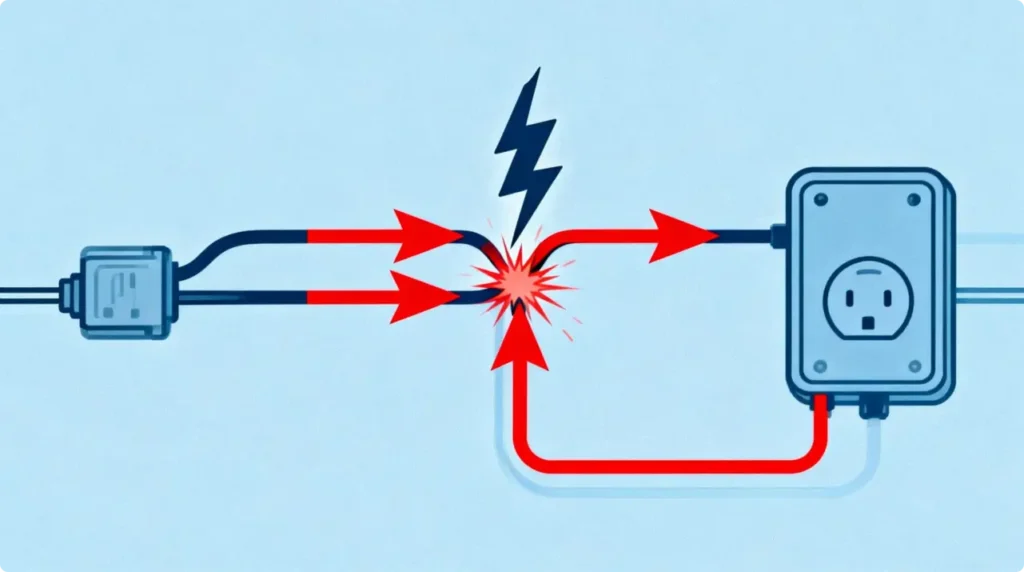
The paramount role of switchgear is protection. Electrical systems are vulnerable to faults, such as short circuits or overloads, which can cause catastrophic damage and pose serious safety hazards.

  • HV Switchgear acts as the first line of defense on the incoming supply side. It utilizes advanced circuit breakers and relays to instantly detect and isolate high-voltage faults, protecting transformers and the entire downstream network from high-energy disruptions.
  • LV Switchgear continues this protective function for the final distribution circuits. It safeguards cables, motors, and end-use equipment by precisely interrupting fault currents, preventing equipment burnout, and significantly reducing fire risks.

This layered protection ensures personnel safety, minimizes equipment damage, and maintains the overall integrity of the electrical network.
Enabling Control and Operational Flexibility

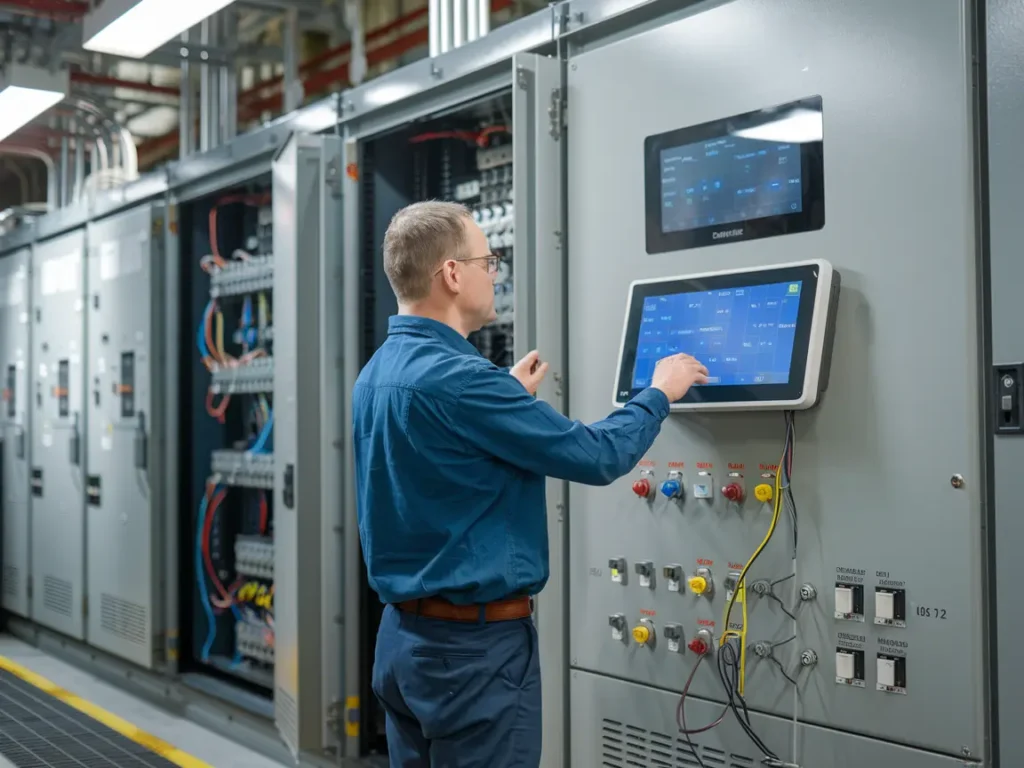
Modern switchgear provides unparalleled control over the power distribution network. It allows engineers to manually or automatically configure the flow of electricity.

  • Segmentation and Isolation: Switchgear enables the division of the network into manageable sections. Any part—a transformer, a set of loads, or a feeder—can be safely isolated for maintenance or repair without shutting down the entire facility, maximizing uptime.
  • Load Management: Operators can switch between power sources (e.g., grid and generator) and reroute power to ensure continuous supply to critical loads, such as data centers or hospital life-support systems.
The Core of Reliability and Uptime

For industries and commercial facilities, uninterrupted power is non-negotiable. Switchgear is the cornerstone of this reliability. Its robust design ensures continuous operation under normal conditions, while its fast protective functions prevent local faults from cascading into widespread outages. The ability to quickly isolate and restore healthy sections of the network is key to maximizing system availability and business continuity.

Intelligence and Data-Driven Insights

Today’s switchgear has evolved into an intelligent node within the Internet of Things (IoT) landscape. Integrated digital protection relays, meters, and communication modules (like IEC 61850) transform passive panels into active data hubs.

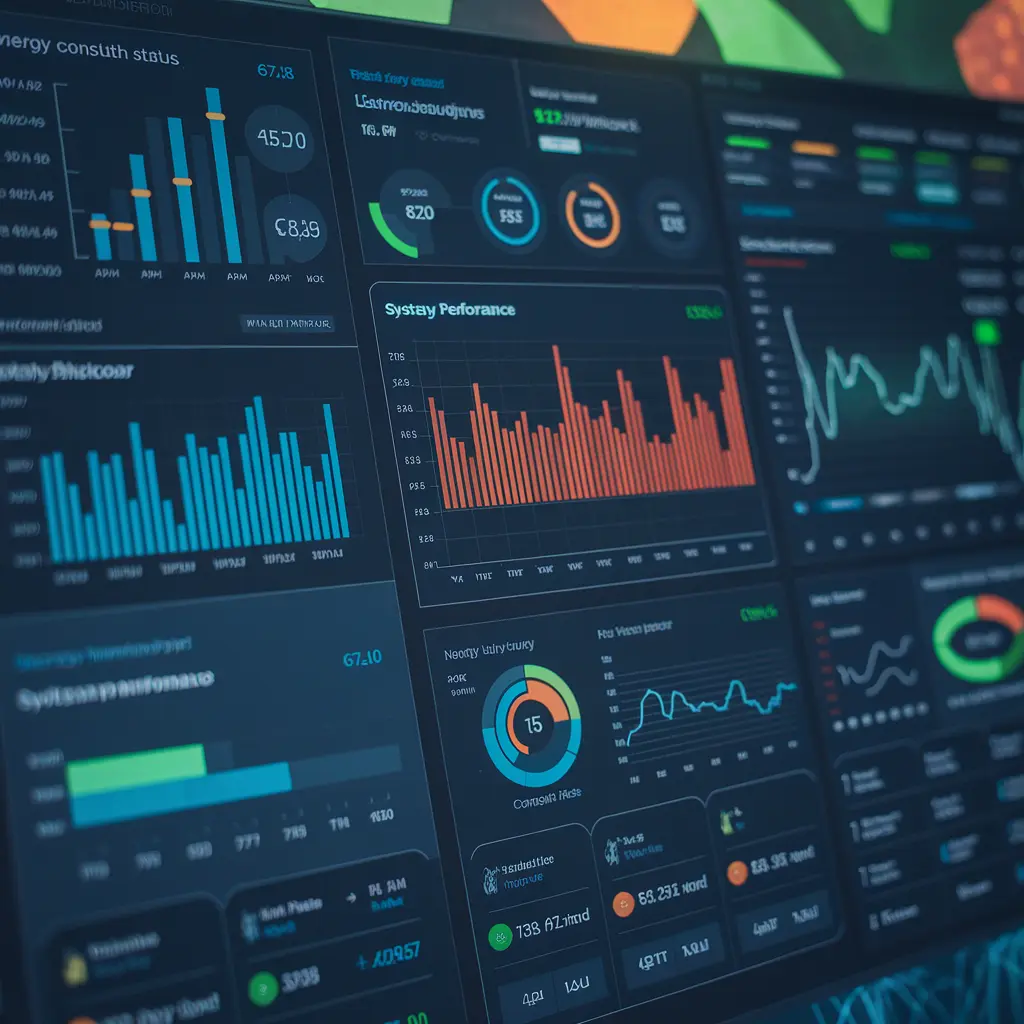
  • Real-time Monitoring: Continuous tracking of vital parameters—current, voltage, power factor, energy consumption, and temperature.
  • Predictive Maintenance: Advanced analytics can predict potential failures (e.g., based on rising contact temperature or increasing number of operations), shifting from reactive to proactive maintenance.
  • System Optimization: Data on power quality and load patterns helps optimize energy usage, identify inefficiencies, and support strategic decisions for capacity planning.
Supporting the Future Grid: Renewables and Smart Grids

The transition to sustainable energy and smarter grids amplifies the importance of modern switchgear.

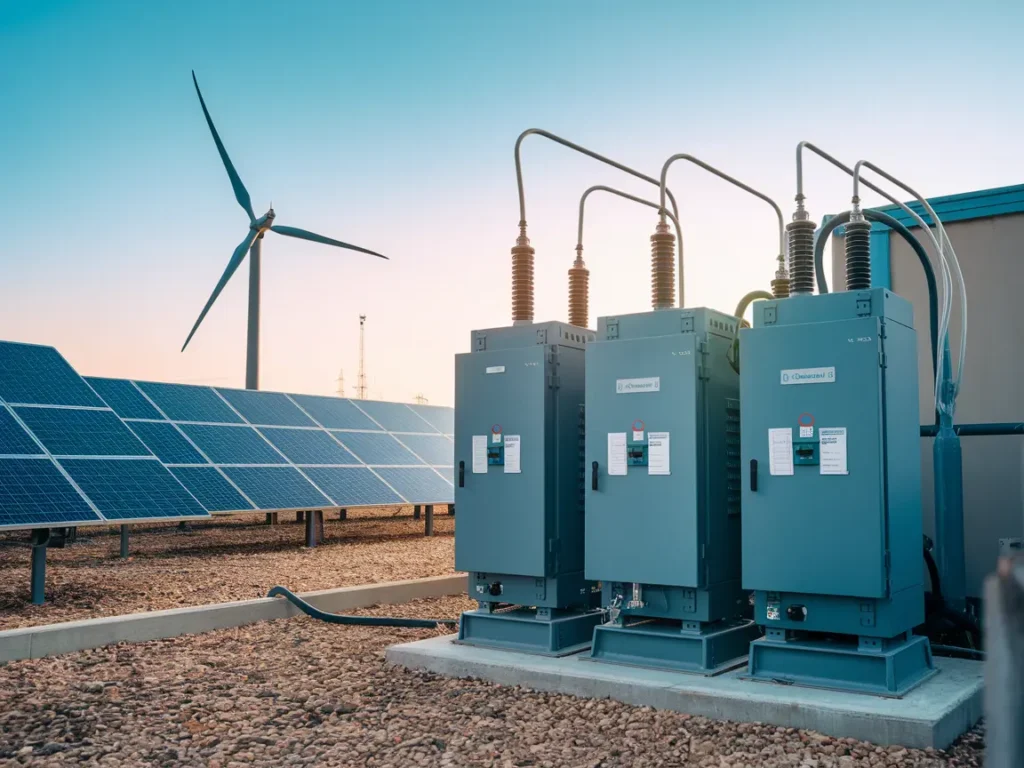
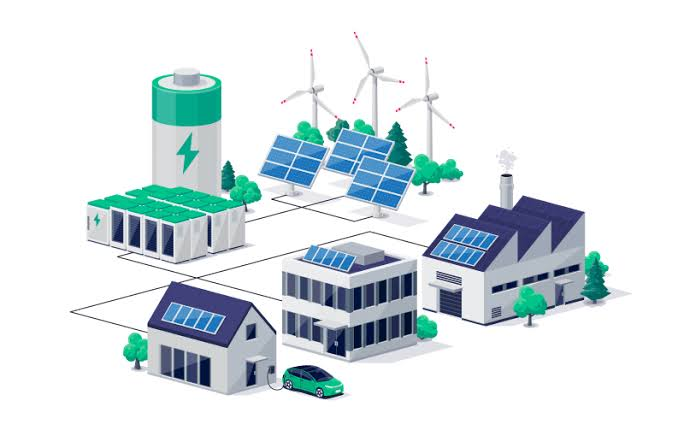
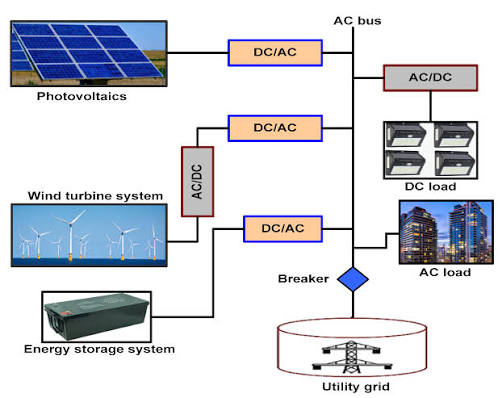
  • Renewable Integration: Switchgear safely interconnects distributed energy resources (DERs) like solar farms or wind turbines to the grid, managing bidirectional power flows and ensuring grid stability.
  • Smart Grid Enabler: Intelligent switchgear is fundamental to the smart grid, providing the necessary control, protection, and communication capabilities for automated demand response, self-healing networks, and efficient distributed generation management.
Conclusion: More Than Just Metal Cabinets

High and Low-Voltage Switchgear are far more than assemblies of breakers and wires. They are the intelligent guardians and strategic controllers of modern electrical power. By ensuring safety, enhancing reliability, providing critical control, and delivering actionable intelligence, they form the essential foundation upon which efficient, resilient, and future-ready power distribution systems are built. Investing in advanced, well-designed switchgear is not merely a technical requirement—it is a strategic investment in operational continuity, safety, and energy management excellence.
Facebook
Twitter
LinkedIn

More Posts

What Are the Downsides of Microgrids? 

Learn the advantages and disadvantages of a microgrid power system, including reliability, environmental impact, renewable energy challenges, and when microgrids are the right choice.

Send Us A Message

About generator sets

Q1: Why are some generators on the market with the same power rating much cheaper than yours?

ALEO: Please be very careful. The industry is rife with “refurbished machines” or “fake brand machines” (especially from certain regions). They repaint used engines to sell as new or pass off standby power as prime power. ALEO guarantees 100% genuine new machines, with serial numbers verifiable in the factory system, and we provide load test videos for verification.

ALEO: Absolutely. This is a core advantage of our EPIOR Gas Generator Sets. Our units have excellent adaptability to Associated Petroleum Gas (APG). Generating electricity from this waste gas brings your fuel cost to near zero and solves environmental emission issues, offering an extremely high ROI.

ALEO: If you need Standby Power for data centers or hospitals to prevent outages, choose Diesel, as it starts quickly and handles load spikes well. If you need Continuous Power for mines or oil fields running 24/7 and have a gas source, choose Gas, as it has extremely low operating costs and a longer lifespan.

ALEO: For data centers, we offer specialized Fast-Start Diesel Gensets. They are optimized for Block Loading, capable of starting and taking load within seconds. Combined with our paralleling system, we can achieve N+1 redundancy, ensuring 99.99% power reliability.

ALEO: Yes. For high-power units above 1000kW, we recommend using High Voltage Generators (10.5kV). This allows direct connection to the HV grid, avoiding high current losses and heating from low-voltage transmission, and saving you the cost of expensive LV cables and transformers.

ALEO: We offer Containerized Generator Sets. They are “plug-and-play” with high protection ratings, featuring built-in cooling, silencing, lighting, and fire suppression systems. You can place them directly on an outdoor concrete pad; they are weatherproof and dustproof, perfect for mines or field sites.

ALEO: Absolutely. We have a dedicated Biogas Series designed with special anti-corrosion treatment for impurities like hydrogen sulfide found in biogas. Combined with a Combined Heat and Power (CHP) system, you can generate electricity and recover waste heat for fermenter insulation, achieving a total thermal efficiency of over 80%.

ALEO: To be honest, high-horsepower imported engines (like Perkins or MTU) are in short supply globally. Typically, the engine lead time alone is 2-3 months, so with assembly and testing, the total delivery time is usually 5-6 months. If a supplier promises immediate stock, it is likely a refurbished machine or old inventory.

ALEO: We recommend a “Solar-Diesel-Storage” Microgrid Solution. Use solar power during the day and battery storage at night, with the diesel generator running only as a backup during cloudy days or when batteries are depleted. Our control system automatically manages these three energy sources to minimize diesel consumption.

ALEO: We can provide Installation Guidance Services. We can dispatch senior engineers to the site or guide your local team via remote video link. Additionally, our designs are highly modular (especially containerized units), requiring only cable and fuel pipe connections onsite, significantly reducing the technical requirements for local installation personnel.

About microgrid

Q1: What is a PV-BESS-Diesel/Gas Hybrid Microgrid System?

ALEO: It is an integrated power solution combining solar PV, battery energy storage, and diesel or gas generators. Solar power reduces fuel consumption during the day, the battery stabilizes power and stores excess energy, while the generator provides backup power when solar and battery capacity are not enough.

ALEO: A traditional diesel-only system consumes fuel continuously. A hybrid microgrid uses solar + battery first, and only starts the diesel generator when necessary. This helps reduce fuel cost, maintenance frequency, noise, emissions, and long-term operating expenses.

ALEO: Yes. ALEO can design off-grid microgrid systems for remote areas, islands, mining sites, farms, telecom stations, factories, and communities where grid power is unavailable or unstable. The system can automatically balance solar power, battery storage, and generator output.

ALEO: The system is controlled by an intelligent EMS / Microgrid Controller. It monitors load demand, solar generation, battery SOC, generator status, and power quality in real time. The controller automatically chooses the most economical and stable power source.

ALEO: Yes, depending on the battery capacity and load demand. ALEO will calculate the required BESS capacity based on your night-time power consumption, backup time requirement, solar resources, and generator configuration to ensure stable power supply.

ALEO: When solar generation drops, the battery will discharge first. If the battery level becomes low or the load is too high, the diesel or gas generator will automatically start. This ensures continuous power supply even in unstable weather conditions.

ALEO: Yes. By using solar energy and battery storage, the generator does not need to run all the time. Fuel savings depend on sunlight conditions, load profile, battery size, and operating strategy. ALEO provides customized system simulation to estimate your expected fuel reduction.

ALEO: It depends on your fuel availability and project conditions. Diesel generators are suitable for flexible backup and areas where diesel supply is easy. Gas generators are ideal for sites with natural gas, biogas, associated petroleum gas, or other available gas sources, especially for long-running power projects.

ALEO: Yes. ALEO can provide containerized microgrid solutions, including PV inverters, BESS, control system, distribution cabinet, diesel or gas generator, fire protection, HVAC, and remote monitoring. Containerized design makes transportation, installation, and commissioning easier.

ALEO: We usually need your load capacity, daily power consumption, peak load, location, sunlight conditions, fuel type, backup time requirement, grid availability, and application scenario. Based on this information, ALEO can provide a customized PV-BESS-Diesel or PV-BESS-Gas hybrid microgrid solution.

ALEO: Yes. ALEO can provide remote monitoring and intelligent operation management. Users can check PV generation, battery SOC, generator running status, load consumption, alarms, and system performance in real time through a monitoring platform. This helps reduce on-site maintenance pressure and improves system reliability.

ALEO: Yes. These are exactly the key application scenarios for ALEO hybrid microgrid solutions. For areas with high fuel transport cost, unstable grid power, or no grid access, ALEO can customize PV-BESS-Diesel Hybrid Microgrid System or PV-BESS-Gas Hybrid Microgrid System to provide stable, economical, and continuous power supply.


INQUIRY NOW

ALEO Team will respond you in 24 hours with best solution.