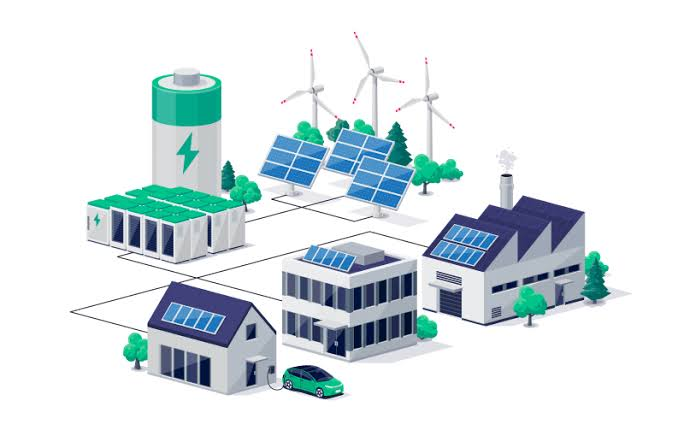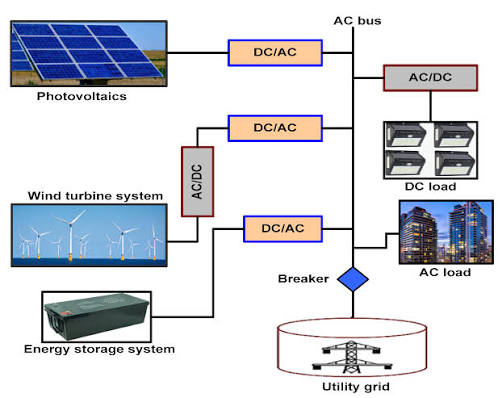
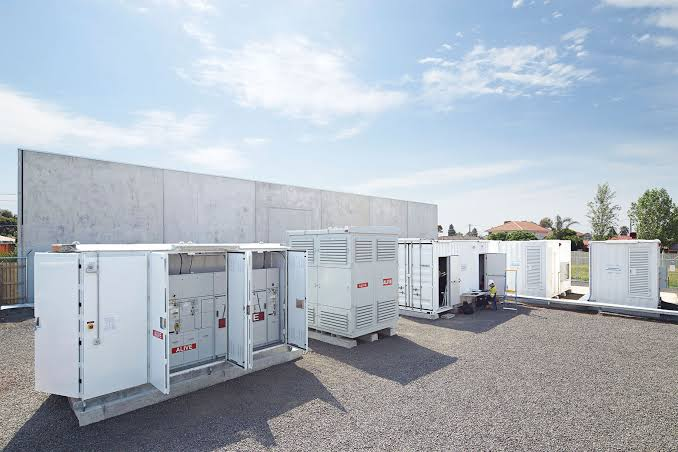
Battery technology has become one of the most important elements of modern microgrids. As organisations increase their use of renewable energy and seek greater energy independence, reliable microgrid energy storage is essential for maintaining a stable and uninterrupted electricity supply. Unlike conventional backup systems that rely solely on generators, today’s microgrids use advanced Battery Energy Storage Systems (BESS) to store excess electricity, balance fluctuations in power generation, and respond instantly to changing energy demand. This capability improves system reliability while supporting more efficient and sustainable energy management.
However, not all battery technologies are designed for the same purpose. Different chemistries offer varying levels of energy density, cycle life, charging speed, safety, maintenance requirements, and overall cost. The right solution depends on the size of the microgrid, load profile, backup duration, environmental conditions, and long-term operational objectives. Selecting the appropriate battery technology helps maximise operational efficiency while reducing lifecycle costs.
Recent advancements have expanded the range of battery technologies available for industrial and commercial microgrids. Lithium-ion batteries, Lithium Iron Phosphate (LFP), lead-acid batteries, flow batteries, and emerging sodium-ion technologies each offer unique advantages depending on the application. Understanding their strengths and limitations allows businesses to select a solution that delivers reliable performance while supporting future expansion through intelligent battery selection.
This article examines the leading battery technologies used for microgrid energy storage, compares their advantages and limitations, explains the key factors that influence battery selection, and explores how advanced Energy Management Systems (EMS) optimise battery performance to build a future-ready energy infrastructure.
Why Battery Storage Is Essential for Modern Microgrids
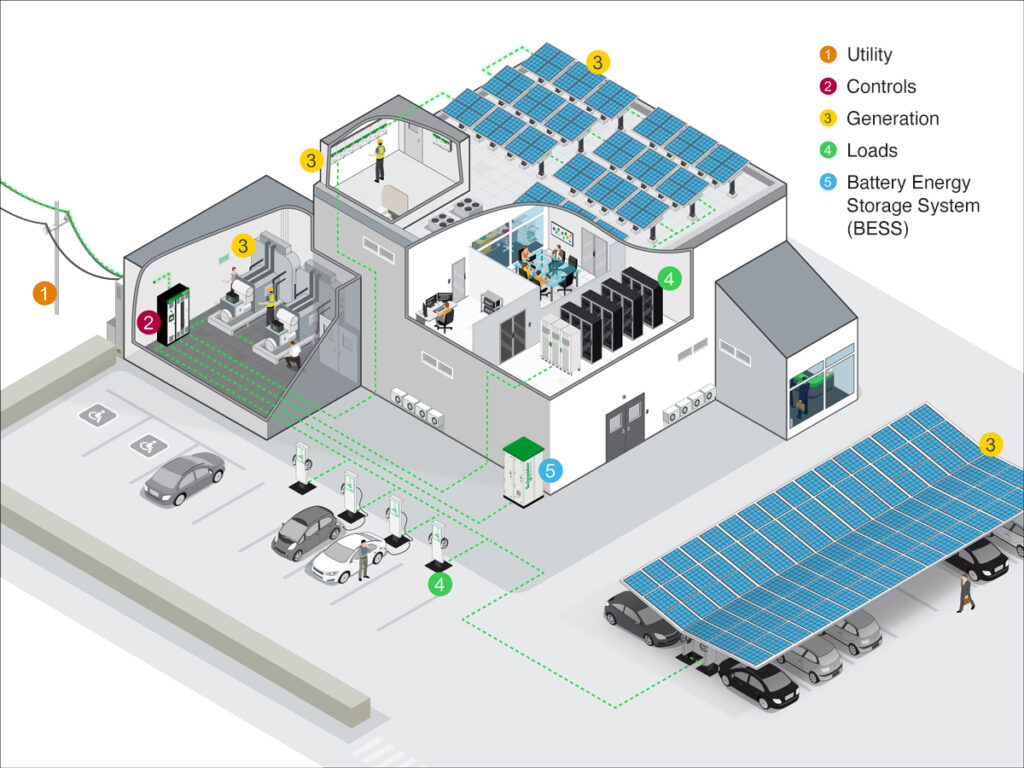
Battery storage has become a fundamental part of every modern microgrid because it provides the flexibility needed to balance electricity generation and consumption. Renewable energy sources such as solar and wind do not always produce power when it is needed most, making reliable microgrid energy storage essential for maintaining a continuous electricity supply. Battery Energy Storage Systems (BESS) bridge this gap by storing excess electricity during periods of high generation and supplying it when renewable output decreases or demand increases. This capability strengthens energy resilience while reducing dependence on conventional backup generation.
Beyond supporting renewable energy, batteries also improve the overall stability of the microgrid. Instead of allowing generators to start and stop frequently during short-term demand fluctuations, stored energy can respond almost instantly to changes in electrical load. This reduces fuel consumption, minimises equipment wear, and improves power quality for sensitive industrial equipment and mission-critical facilities. Fast-response battery systems also help maintain stable voltage and ensure uninterrupted operation during transitions between different energy sources.
Battery storage also enables organisations to make better use of intelligent Energy Management Systems (EMS). By continuously monitoring electricity demand, battery capacity, and available generation, the EMS determines when batteries should charge, discharge, or remain on standby. This coordinated operation maximises efficiency while extending battery lifespan and supporting future expansion. As renewable energy adoption continues to increase, advanced battery storage will remain a key technology for building a future-ready energy infrastructure.
How Microgrid Energy Storage Works
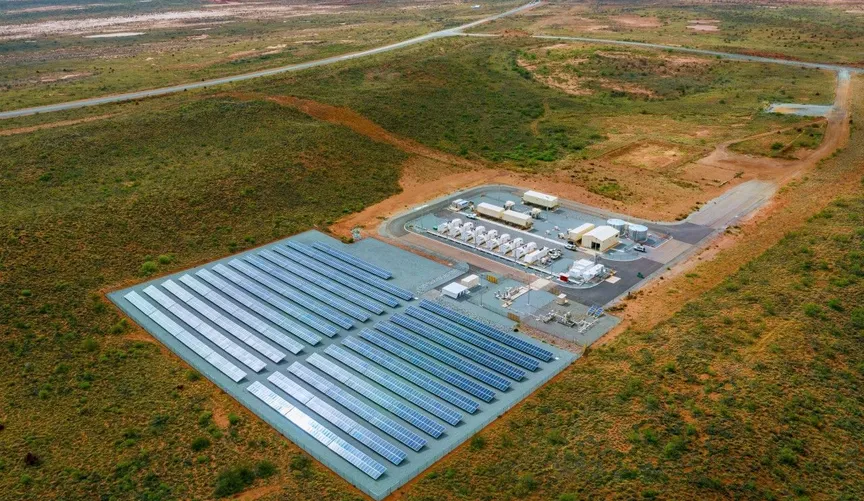
A microgrid energy storage system continuously stores, manages, and delivers electricity according to real-time operating conditions. Rather than functioning only as emergency backup power, Battery Energy Storage Systems (BESS) actively support daily microgrid operations by balancing electricity generation, stabilising power quality, and responding instantly to changes in demand. Intelligent control strategies ensure batteries operate efficiently while maintaining system performance under varying operating conditions.
Charging Cycle
During periods when renewable generation or generator output exceeds electricity demand, surplus energy is directed into the battery system. Instead of allowing excess electricity to go unused, the batteries store it for future use. Intelligent charging strategies also prevent overcharging and optimise battery health, improving long-term performance and extending operational life through controlled charging.
Discharging Cycle
When electricity demand increases or renewable generation decreases, the batteries automatically discharge stored energy to support connected loads. This rapid response helps maintain stable voltage, reduces generator operating hours, and ensures uninterrupted electricity for critical equipment. Batteries are particularly effective at handling sudden load changes that conventional generators may not respond to immediately.
Energy Management System Coordination
The Energy Management System (EMS) continuously monitors battery state of charge, electricity demand, renewable generation, and generator availability before determining the most efficient operating strategy. By coordinating charging and discharging in real time, the EMS improves energy efficiency, protects battery lifespan, and optimises the overall performance of the microgrid. This intelligent coordination creates a smart power management framework.
What Makes a Good Microgrid Battery?
Selecting the right battery involves much more than comparing capacity or price. The best solution for microgrid energy storage should provide dependable performance throughout its operational life while supporting the specific energy requirements of the facility. Industrial microgrids often operate under demanding conditions where reliability, fast response, and long service life are essential. Evaluating batteries using the right performance criteria helps organisations make informed investment decisions that deliver long-term value.
Energy Density and Response Time
Energy density determines how much electricity a battery can store within a given space, making it an important consideration for facilities where installation area is limited. Fast response time is equally important because batteries must react almost instantly to fluctuations in electricity demand or renewable energy generation. Technologies with high energy density and rapid response improve system efficiency while maintaining stable power quality.
Cycle Life and Safety
Cycle life refers to the number of charge and discharge cycles a battery can complete before its performance begins to decline. A longer cycle life generally reduces replacement costs and improves the overall return on investment. Safety is another critical factor, particularly in industrial environments where battery systems operate continuously. Features such as Battery Management Systems (BMS), thermal protection, and advanced monitoring help ensure safe battery operation throughout the system’s lifespan.
Maintenance, Scalability, and Cost
Maintenance requirements, future expansion, and lifecycle costs should also influence battery selection. Some technologies require regular inspections and servicing, while others offer largely maintenance-free operation. Businesses should also choose battery systems that can be expanded as energy demand grows without requiring major infrastructure changes. Evaluating the complete lifecycle rather than only the purchase price helps organisations select a cost-efficient energy solution.
Types of Batteries Used for Microgrid Energy Storage
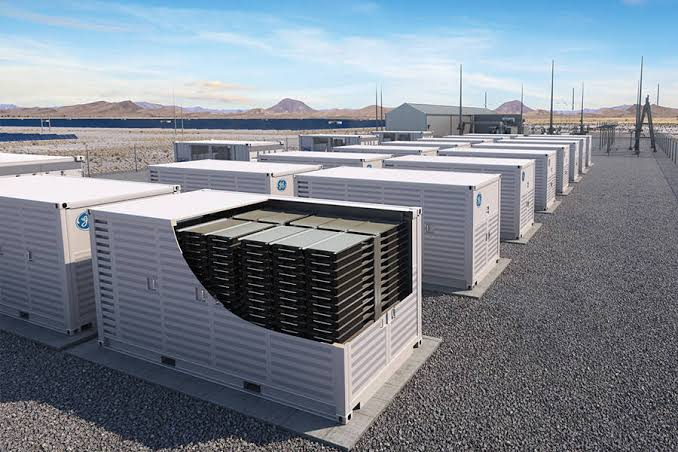
Several battery technologies are available for microgrid energy storage, and each offers different advantages depending on the application’s technical and operational requirements. There is no universal solution for every project because battery performance varies in terms of energy density, lifespan, safety, maintenance, and cost. Understanding these differences helps businesses select the most suitable battery technology for their microgrid.
Lithium-Ion Batteries
Lithium-ion batteries are the most widely used option for modern microgrids because they combine high energy density, fast charging, excellent efficiency, and relatively low maintenance. They respond quickly to changing power demand and are well suited for renewable energy integration, industrial facilities, and commercial applications where reliable performance is essential.
Lithium Iron Phosphate (LFP) Batteries
LFP batteries are a type of lithium-ion battery known for their exceptional thermal stability, long cycle life, and improved safety. Although they generally have a slightly lower energy density than some other lithium-ion chemistries, they are increasingly preferred for industrial microgrids because of their durability and dependable long-term performance, making them ideal for critical power applications.
Lead-Acid, Flow, and Sodium-Ion Batteries
Lead-acid batteries remain a lower-cost option for certain backup applications but typically require more maintenance and have a shorter operational life. Flow batteries are attractive for large-scale, long-duration energy storage because they can deliver thousands of charge cycles with minimal degradation, although they require more installation space. Emerging sodium-ion batteries are also gaining attention due to their potential for lower material costs and improved sustainability. As these technologies continue to develop, businesses will have even greater flexibility when selecting the right battery for a future-ready energy infrastructure.
Which Battery Is Best for Industrial Microgrids?
There is no single battery that is ideal for every application because the best choice depends on operational priorities, environmental conditions, and energy requirements. However, for most modern microgrid energy storage projects, lithium-based technologies have become the preferred option due to their high efficiency, rapid response, and long operational life. Businesses should evaluate battery performance based on reliability, safety, lifecycle cost, and future scalability rather than focusing only on the initial purchase price. Selecting the right technology improves long-term performance while ensuring the microgrid can meet both current and future energy demands.
Manufacturing and Commercial Facilities
Manufacturing plants and commercial campuses typically require batteries capable of responding quickly to fluctuating electrical loads while reducing peak demand charges. Lithium-ion batteries are commonly selected because they provide high energy density, fast charging, and excellent efficiency, allowing Energy Management Systems (EMS) to optimise power distribution throughout the facility.
Mining, Data Centres, and Critical Infrastructure
Mining operations, healthcare facilities, and data centres demand continuous power with minimal interruption. For these applications, Lithium Iron Phosphate (LFP) batteries are increasingly preferred because of their excellent thermal stability, extended cycle life, and enhanced safety characteristics. Their ability to perform reliably under demanding operating conditions makes them well suited for mission-critical environments where equipment availability is a top priority.
Why LFP Is Becoming the Industry Preference
Many industrial microgrids now favour LFP technology because it offers an effective balance between safety, durability, and operational efficiency. While every project should be evaluated individually, LFP batteries often deliver lower lifecycle costs and longer service life than many alternative chemistries. Combined with intelligent Energy Management Systems (EMS), they provide a dependable foundation for a reliable industrial energy solution.
Factors That Influence Battery Selection
Choosing the right battery involves evaluating both technical and operational requirements. Even the most advanced microgrid energy storage technology may not perform efficiently if it is not matched to the specific needs of the project. Factors such as energy demand, backup duration, environmental conditions, budget, and future expansion all influence the final decision. A comprehensive assessment ensures the selected battery delivers optimal efficiency throughout its operational life.
Project Size and Load Profile
The electrical load of the facility determines how much energy the battery must store and how quickly it needs to respond. Facilities with large or highly variable loads generally require higher-capacity battery systems capable of delivering consistent power during peak demand periods.
Backup Duration and Environmental Conditions
Some applications require batteries to provide electricity for only a few minutes until backup generators start, while others require several hours of continuous operation. Temperature, humidity, and installation environment also influence battery performance and should be considered during system design to maximise reliability and service life.
Budget and Future Expansion
Although upfront cost is an important consideration, organisations should compare the total lifecycle value of different battery technologies rather than focusing only on purchase price. Maintenance requirements, replacement intervals, operational efficiency, and scalability all affect long-term ownership costs. Selecting a battery system that can be expanded as electricity demand grows helps protect the initial investment and contributes to a future-ready energy infrastructure.
Battery Lifespan and Maintenance Considerations
The long-term value of a battery depends not only on its purchase price but also on how well it performs throughout its service life. For any microgrid energy storage system, battery lifespan directly affects operating costs, maintenance schedules, and return on investment. A battery that delivers thousands of reliable charge and discharge cycles with minimal degradation can significantly reduce replacement expenses while improving system reliability. Proper battery lifecycle management is therefore an essential part of every successful microgrid project.
Depth of Discharge and Charge Cycles
A battery’s lifespan is closely related to its depth of discharge (DoD) and the number of charging cycles it completes. Frequently discharging a battery to extremely low levels can shorten its operational life, while maintaining recommended operating ranges helps preserve capacity over time. Selecting the appropriate battery chemistry and configuring charging parameters correctly can greatly improve long-term performance.
Temperature Control and Battery Management Systems
Temperature has a major influence on battery efficiency and lifespan. Excessive heat or extremely low temperatures can accelerate battery degradation and reduce storage capacity. Modern Battery Management Systems (BMS) continuously monitor temperature, voltage, and charging conditions, automatically protecting batteries from unsafe operating conditions while ensuring safe battery performance.
Preventive Maintenance
Although many modern battery technologies require relatively little maintenance, routine inspections and performance monitoring remain essential. Regular health checks, software updates, and system diagnostics help identify potential issues before they lead to unexpected failures. Combined with intelligent Energy Management Systems (EMS), preventive maintenance extends battery life, improves operational reliability, and contributes to a cost-efficient energy solution.
Choose the Right Battery Solution with ALEO
Selecting the best battery for microgrid energy storage requires balancing technical performance, operational requirements, long-term costs, and future expansion plans. The ideal solution depends on factors such as energy demand, backup duration, environmental conditions, and the level of reliability required by the facility.
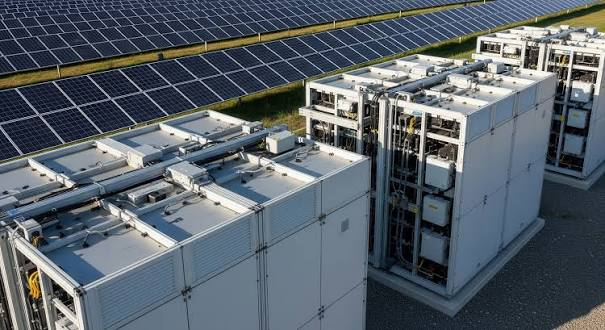
ALEO designs and customises microgrid solutions ranging from 100 kW to 1 MW, integrating advanced Energy Management Systems (EMS) and Battery Energy Storage Systems (BESS) to deliver intelligent, reliable, and scalable power for industrial and commercial applications. Every solution is engineered to optimise battery performance while supporting renewable energy integration and future growth.
With UL-certified products from the USA, direct shipment from the United States, professional on-site installation and debugging support, and a 5-year warranty ALEO provides dependable microgrid solutions backed by experienced engineering expertise and responsive technical support.
Visit our website and connect with us to discuss a customised microgrid solution that helps your business maximise battery performance and build a reliable industrial energy solution.