Reliable electricity remains one of the biggest challenges for remote communities, industrial sites, mining operations, and off-grid facilities. Extending utility transmission lines to isolated locations is often expensive and time-consuming, while relying solely on diesel generators can result in high fuel costs, ongoing maintenance, and supply chain challenges. These limitations have increased the demand for solar-powered microgrid solutions that deliver dependable electricity closer to where it is needed.
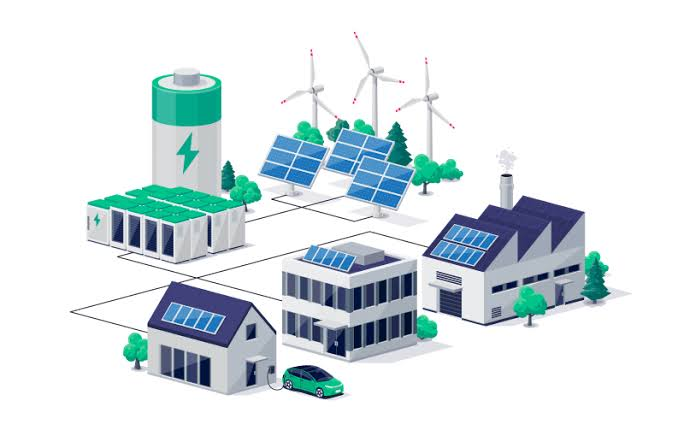
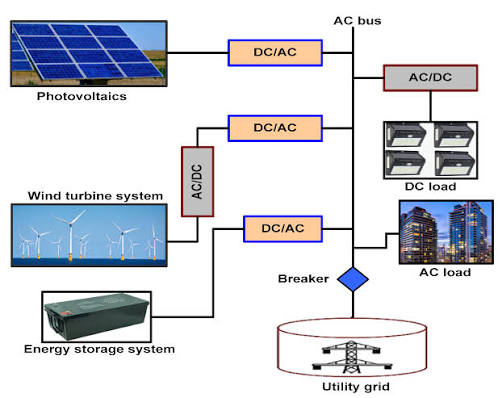
By combining solar generation with Battery Energy Storage Systems (BESS), backup generators, and intelligent controllers, solar microgrids provide a stable and flexible source of power. They can operate independently or alongside existing energy systems, ensuring continuous electricity even in areas with limited or unreliable grid access. This hybrid energy approach helps organisations improve reliability while reducing dependence on conventional fuel sources.
As solar technology and energy storage continue to advance, more businesses and communities are investing in microgrids that offer long-term operational and economic benefits. This article explores five key reasons why a solar powered microgrid is an ideal solution for remote areas, along with the essential components to consider when planning a future-ready energy infrastructure.
Why Remote Areas Need Better Energy Solutions
Remote locations often face unique energy challenges that make traditional electricity supply impractical. Industrial facilities, construction sites, mining operations, agricultural projects, and rural communities may be located far from existing transmission infrastructure, making grid extension both costly and time-intensive. In many cases, diesel generators become the primary source of electricity, but they require continuous fuel delivery and regular maintenance, increasing operating costs over time.
A solar powered microgrid offers a more reliable and sustainable alternative by generating electricity close to where it is consumed. Solar panels produce clean energy during the day, while Battery Energy Storage Systems (BESS) store excess electricity for use when sunlight is unavailable. Backup generators can also be integrated to ensure uninterrupted power during extended periods of low solar production.
This combination provides greater energy security, lower fuel dependence, and improved operational flexibility. As technology continues to advance, solar microgrids are becoming an increasingly practical solution for organisations seeking dependable power in remote environments and building a reliable industrial energy solution.
Reason 1: Reliable Power Where the Grid Cannot Reach
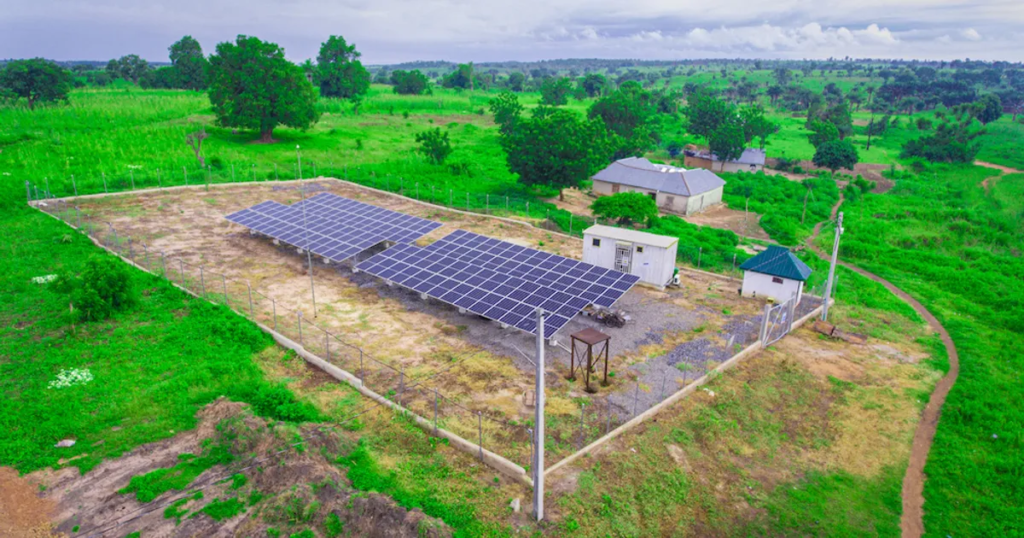
One of the biggest advantages of a solar-powered microgrid is its ability to provide dependable electricity in locations where extending the utility grid is technically difficult or financially impractical. Remote villages, mining operations, agricultural facilities, construction sites, and industrial plants often operate far from existing transmission infrastructure. Building new power lines across these areas can require significant investment and long project timelines. A solar microgrid generates electricity directly at the point of use, reducing dependence on distant utility networks while improving power availability.
Off-Grid and Weak-Grid Applications
Many remote locations either have no access to the utility grid or experience frequent voltage fluctuations and unexpected outages. A solar-powered microgrid can operate as a standalone energy system or work alongside a weak utility connection. This flexibility allows businesses to maintain production, protect critical equipment, and avoid interruptions caused by unstable grid conditions.
Industries such as mining, oil and gas, telecommunications, healthcare, and agriculture often depend on uninterrupted electricity for daily operations. A reliable local power source helps improve productivity while reducing operational risks associated with unreliable grid infrastructure.
Continuous Power with Energy Storage
Solar generation alone cannot supply electricity throughout the day, making Battery Energy Storage Systems (BESS) an essential part of the solution. During daylight hours, excess solar energy is stored in batteries and later used when sunlight decreases or electricity demand increases. Backup generators can also provide additional support during extended periods of poor weather or unusually high loads.
This combination ensures a continuous power supply while reducing unnecessary generator operation. Businesses gain a more dependable energy system that supports critical operations, lowers downtime, and strengthens a reliable power ecosystem.
Reason 2: Lower Fuel and Operating Costs
Power generation in remote areas has traditionally relied on diesel generators because they are easy to install and operate independently of the utility grid. However, transporting fuel to isolated locations can be expensive, especially for mining sites, construction projects, islands, and rural communities. Rising fuel prices, transportation costs, and routine generator maintenance can significantly increase the overall operating cost of supplying electricity over time.
Reduced Diesel Consumption
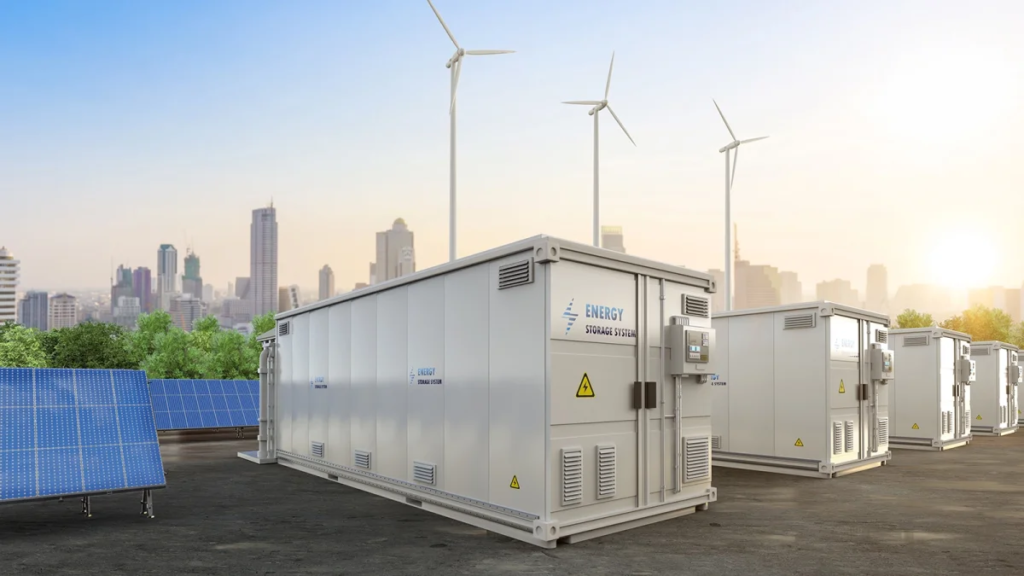
A solar-powered microgrid reduces fuel dependence by using solar energy as the primary source of electricity during daylight hours. Battery Energy Storage Systems (BESS) store excess power and supply it when solar production decreases, while diesel generators operate only when additional energy is required. This hybrid approach reduces generator running hours, lowers fuel consumption, and minimises wear on mechanical equipment.
Reducing generator operation also decreases maintenance requirements, including oil changes, filter replacements, and engine servicing. As a result, businesses spend less time and money maintaining their power systems while improving operational efficiency.
Long-Term Cost Savings
Although installing a solar microgrid requires a higher initial investment than a diesel-only solution, the long-term financial benefits are often much greater. Lower fuel consumption, reduced maintenance, and improved equipment lifespan contribute to a lower total cost of ownership throughout the project’s lifecycle.
For businesses operating in remote areas, these savings can provide a faster return on investment while protecting against future fuel price fluctuations. By combining renewable generation with intelligent energy management, organisations can achieve more predictable operating expenses and build a cost-efficient energy solution.
Reason 3: Cleaner and More Sustainable Energy
As businesses and governments continue working toward lower carbon emissions, renewable energy has become an important part of long-term energy planning. A solar powered microgrid enables organisations to generate electricity from a clean and renewable source while reducing dependence on fossil fuels. Unlike diesel-only systems, solar energy produces electricity without direct emissions during operation, helping organisations improve their environmental performance through clean energy generation.
Solar Energy Integration
Modern solar microgrids combine solar panels with Battery Energy Storage Systems (BESS), microgrid controllers, and backup generators to deliver reliable electricity under varying operating conditions. During sunny periods, solar energy supplies connected loads while charging the battery system. Stored energy can then be used after sunset or during cloudy weather, maximising the use of renewable resources throughout the day.
This balanced approach allows organisations to reduce fuel consumption without sacrificing reliability, making solar energy suitable for industrial, commercial, and community applications.
Reduced Carbon Emissions
Lower diesel consumption directly reduces greenhouse gas emissions, fuel transportation requirements, and environmental impact. This is particularly valuable for organisations pursuing sustainability initiatives or corporate environmental goals.
By integrating renewable energy into everyday operations, businesses can improve long-term energy resilience while supporting cleaner power generation. These advantages make solar microgrids a practical investment for organisations building a future-ready energy infrastructure.
Reason 4: Easy Scalability for Growing Energy Demand
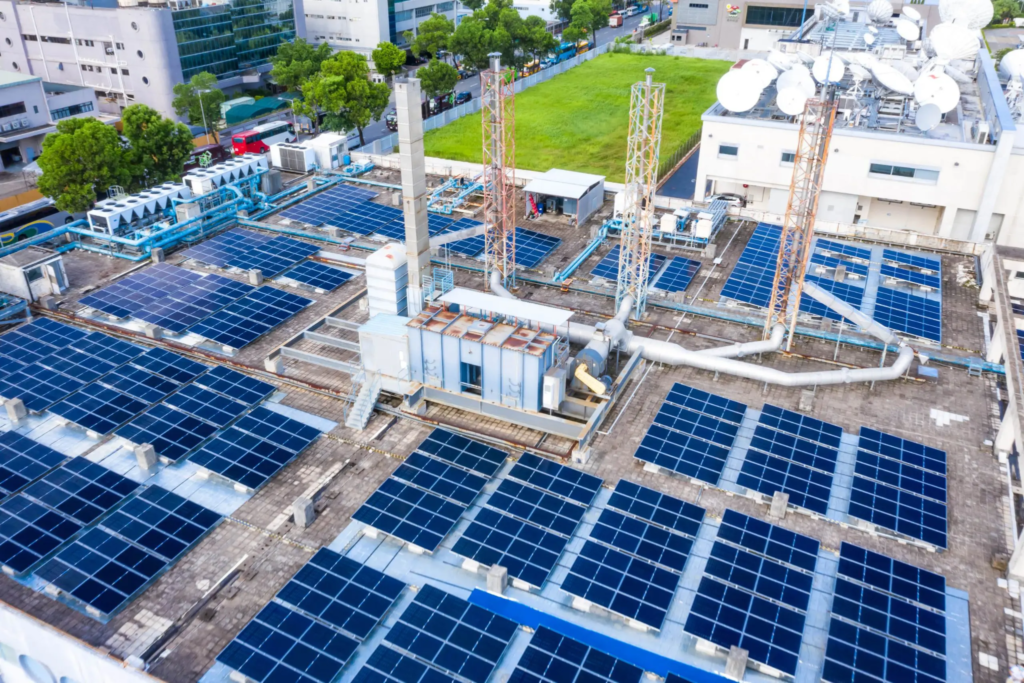
Energy requirements rarely remain constant, especially in remote industrial projects. As production expands, new equipment is installed, or additional facilities are developed, electricity demand also increases. A solar-powered microgrid is designed with flexibility in mind, allowing businesses to increase generation and storage capacity without replacing the existing system. This modular expansion approach makes it easier to adapt to changing operational needs while protecting the initial investment.
Modular System Expansion
Unlike conventional power infrastructure that may require major upgrades to support higher demand, solar microgrids can be expanded gradually. Additional solar panels, Battery Energy Storage Systems (BESS), generators, and electrical loads can be integrated as energy requirements grow.
This phased development approach allows organisations to invest according to current needs while maintaining the flexibility to scale in the future. It also minimises operational disruption because new equipment can often be added without significant modifications to the existing system.
Flexible Power Capacity
Advanced microgrid controllers coordinate both existing and newly installed equipment to maintain stable operation. Whether demand increases because of seasonal activity, production growth, or facility expansion, the system can distribute power efficiently across available resources.
For example, a mining operation may begin with a microgrid sized for exploration activities and later expand it to support processing facilities, worker accommodations, and additional machinery. Similarly, agricultural operations can increase solar capacity as irrigation systems, cold storage units, or processing equipment are added. Because the control system automatically integrates new resources, businesses can expand their energy infrastructure without interrupting day-to-day operations or redesigning the entire network.
This scalability reduces long-term investment risks while giving organisations confidence that their energy system can support future growth. Instead of replacing existing infrastructure every time electricity demand increases, businesses can expand in phases while maintaining a smart power management framework.
Reason 5: Greater Energy Independence and Resilience
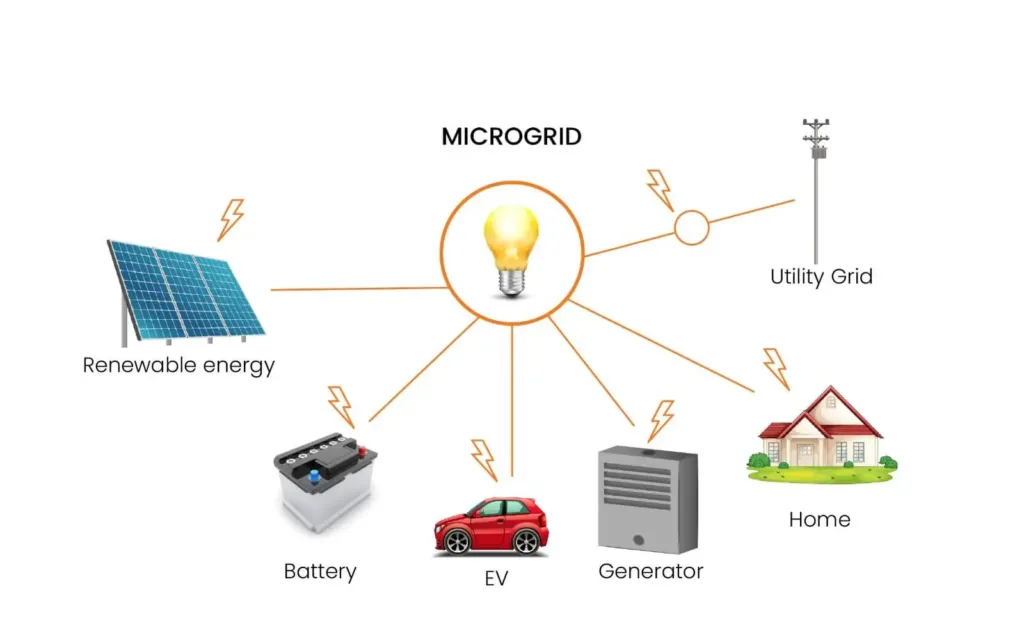
Remote facilities often face power interruptions caused by grid failures, severe weather, fuel delivery delays, or ageing electrical infrastructure. Depending entirely on external electricity supplies can increase operational risks and lead to costly downtime. A solar-powered microgrid improves energy independence by generating and managing electricity locally, giving businesses greater control over their own power supply through local energy resilience.
Protection Against Grid Outages
When connected to the utility, a solar microgrid can continue supplying electricity by switching to islanded operation during outages. Instead of waiting for grid service to be restored, critical operations continue using stored solar energy and backup generation. This capability minimises production losses, protects sensitive equipment, and ensures that essential services remain operational even during unexpected power interruptions.
For completely off-grid locations, the ability to generate and store electricity locally eliminates dependence on unreliable external infrastructure. This provides greater confidence that operations can continue regardless of conditions affecting the surrounding power network.
Reliable Power for Critical Operations
Industries such as mining, healthcare, telecommunications, oil and gas, agriculture, and manufacturing rely on uninterrupted electricity to maintain productivity and safety. Even a short power outage can interrupt production, damage equipment, or disrupt critical services. A solar microgrid combines solar generation, Battery Energy Storage Systems (BESS), and backup generators to deliver reliable electricity under changing operating conditions.
This hybrid approach also reduces dependence on fuel deliveries, which can become difficult during severe weather or in geographically isolated regions. By producing more energy on-site, organisations gain greater control over operating costs and reduce exposure to external supply disruptions.
As businesses continue investing in resilient infrastructure, energy independence has become just as important as energy efficiency. A well-designed solar microgrid allows organisations to maintain business continuity, respond quickly to unexpected events, and support long-term operational growth while building a reliable industrial energy solution.
Key Components of a Solar-Powered Microgrid
The performance of a solar-powered microgrid depends on how effectively its core components work together. Each part plays a specific role in generating, storing, managing, and delivering electricity to connected loads.
Solar PV System
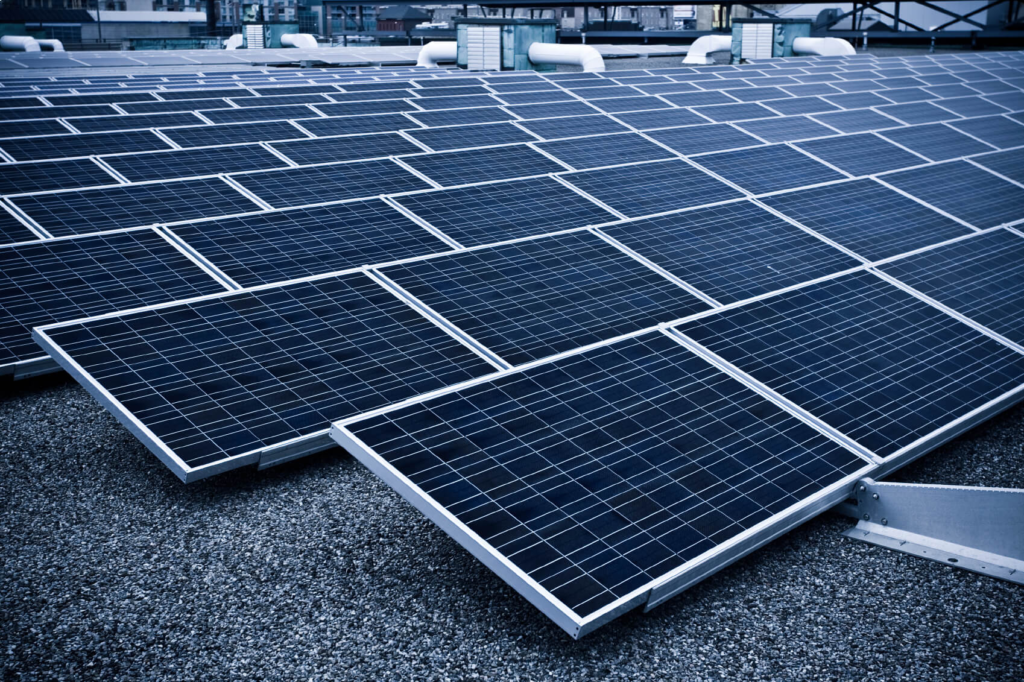
Solar panels capture sunlight and convert it into electricity, serving as the primary energy source. Their output helps reduce fuel consumption while providing clean, renewable power during daylight hours.
Battery Energy Storage Systems (BESS)
Battery storage captures excess solar energy for use at night or during periods of low solar production. This energy storage capability improves power reliability and reduces dependence on backup generators.
Microgrid Controllers
Controllers monitor power generation, battery status, electrical loads, and grid conditions. Through intelligent system control, they coordinate energy resources to maintain stable and efficient operation.
Backup Generators
Backup generators provide additional power when solar generation and battery storage cannot fully meet demand. They improve system resilience and ensure continuous electricity for critical operations, contributing to a high-performance energy strategy.
Choosing the Right Solar Microgrid Solution
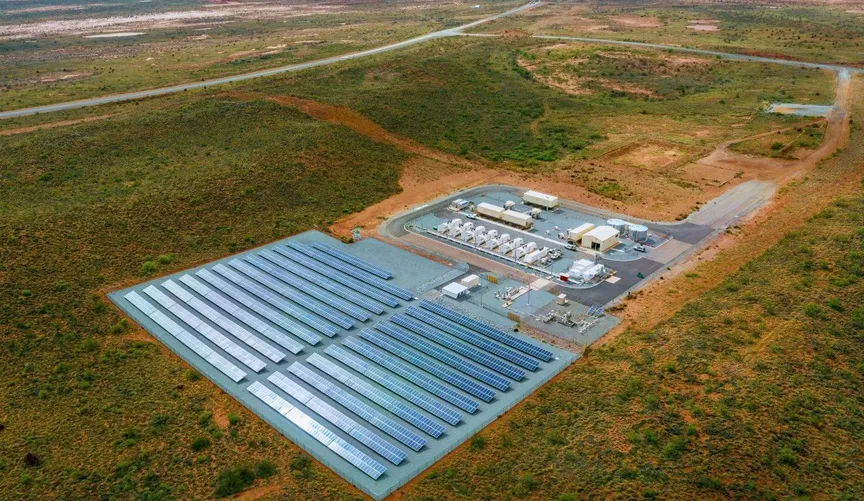
Selecting the right solar-powered microgrid starts with understanding your site’s energy requirements, operating environment, and future expansion plans. Factors such as power demand, solar resource availability, battery capacity, and backup generation should all be considered during the planning stage. A well-designed system should balance power reliability, operational efficiency, and long-term costs while remaining flexible enough to support future growth.
Businesses should also evaluate the quality of equipment, control technologies, installation support, and after-sales service offered by the supplier. Working with an experienced provider helps ensure proper system integration, reliable performance, and long-term operational value. Choosing a scalable solution allows organisations to adapt as energy needs evolve while building a future-ready energy infrastructure.
Power Remote Projects with ALEO Solar Microgrid Solutions
A solar powered microgrid offers a practical and reliable way to supply electricity to remote areas where conventional grid infrastructure is limited or unavailable. By combining solar energy, battery storage, intelligent controls, and backup generation, these systems deliver dependable power while reducing fuel costs and supporting long-term sustainability.
ALEO provides advanced solar microgrid solutions designed for industrial, commercial, and remote applications. With UL certification from the USA, direct shipment from the United States, professional on-site installation and debugging support, and a 1-year warranty, ALEO helps businesses deploy reliable energy systems with confidence.
Visit our website and connect with us to explore customised solar microgrid solutions that support your remote power needs and long-term energy resilience goals.