As global energy demand continues to grow, countries and industries are investing in larger, smarter, and more resilient power systems that can deliver reliable electricity under changing conditions. Traditional centralised grids are no longer the only solution, as decentralised energy networks are becoming increasingly important for supporting critical infrastructure, renewable integration, and long-term energy security. This has accelerated the development of advanced distributed energy networks around the world.
Among these innovations, microgrids have evolved from small localised systems into large-scale energy projects capable of supporting industrial facilities, military installations, airports, remote communities, and utility-scale operations. By combining local power generation, battery storage, renewable energy, and intelligent control technologies, modern microgrids provide greater flexibility and operational reliability than ever before.
As technology continues to advance, some microgrid projects have reached remarkable sizes, demonstrating how distributed energy can support entire campuses, industrial zones, and large infrastructure developments. These projects showcase the growing capability of microgrids to improve energy resilience while reducing dependence on conventional utility networks. This creates a future-ready power infrastructure for modern energy systems.
In this article, we explore what qualifies as the world’s largest microgrid, how large microgrids can become, the companies driving innovation in this field, and how these advanced systems are shaping the future of renewable and distributed energy.
What Is a Large-Scale Microgrid?
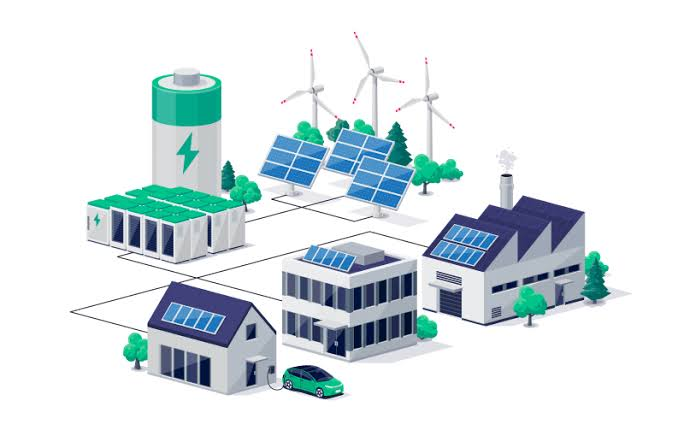
A large-scale microgrid is a localised energy network designed to generate, store, distribute, and manage electricity for extensive facilities or multiple connected locations. Unlike small residential or commercial microgrids, these systems support high electrical loads across industrial complexes, military bases, airports, university campuses, utility facilities, and remote communities. This creates a high-capacity distributed energy system capable of delivering reliable and continuous power.
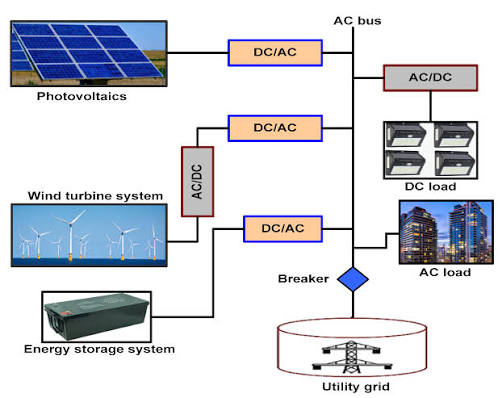
Large-scale microgrids typically combine multiple generation sources, including diesel generators, natural gas generators, solar farms, wind turbines, and Battery Energy Storage Systems (BESS). Intelligent control platforms coordinate these resources to ensure electricity is supplied efficiently while maintaining stable voltage and frequency under changing operating conditions.
One of the biggest advantages of a large-scale microgrid is its flexibility. It can operate alongside the main utility grid during normal conditions and automatically transition to independent operation during outages. This capability improves energy resilience, protects critical operations, and minimises costly downtime for businesses and essential infrastructure.
As industries continue expanding and renewable energy adoption increases, large-scale microgrids are becoming a key part of modern power infrastructure. Their ability to balance multiple energy sources while supporting future expansion makes them an attractive solution for organisations seeking greater energy independence and operational reliability.
What Is the World’s Largest Microgrid?
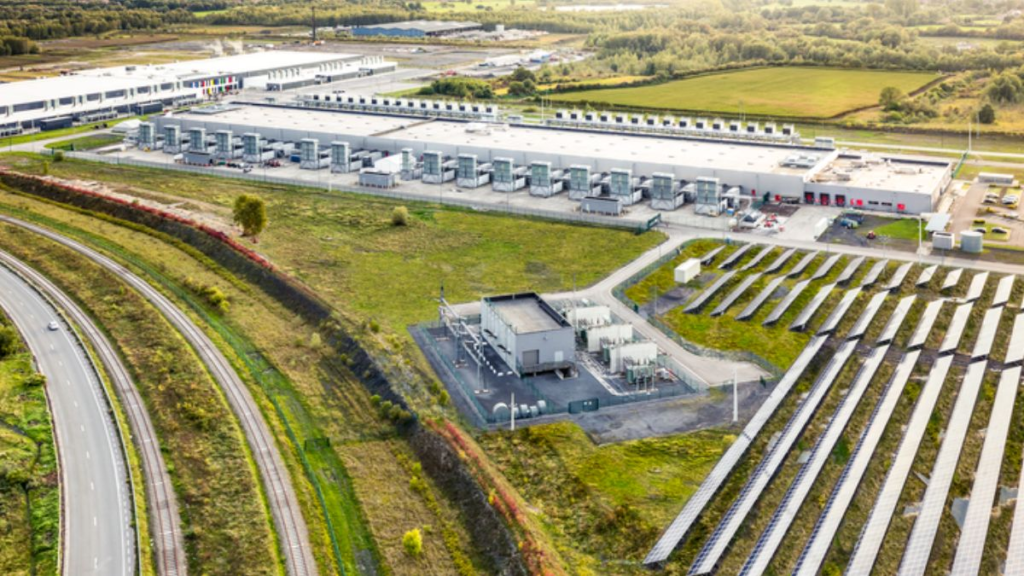
There is no single global standard for identifying the world’s largest microgrid because projects can be measured in different ways, including generation capacity, battery storage, geographic coverage, or the number of facilities they serve. As a result, several projects around the world are recognised as among the largest, depending on the evaluation criteria. This creates a multi-dimensional approach to project scale rather than one universally accepted ranking.
How Large Modern Microgrids Have Become
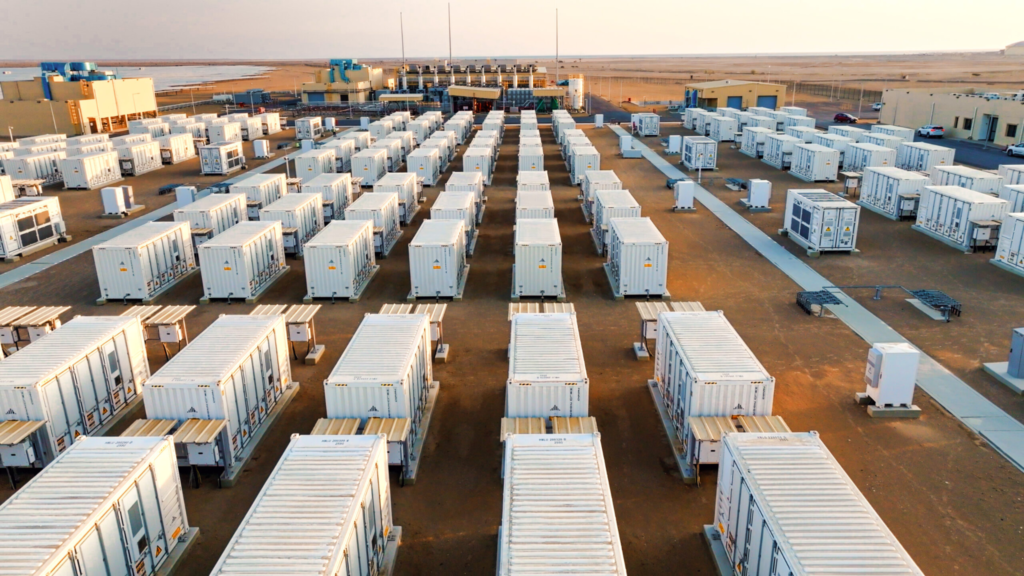
Modern microgrids have grown far beyond small backup power systems. Today’s largest projects can generate hundreds of megawatts of electricity and integrate conventional generators, renewable energy plants, and large-scale battery storage into a single intelligent energy network. These systems are capable of supplying electricity to industrial parks, military installations, airports, mining operations, and even entire communities.
Many large microgrids are designed to improve resilience in regions where uninterrupted electricity is essential. By coordinating multiple power sources through advanced control technologies, these systems maintain stable operations even when the main utility grid experiences disruptions. This creates a high-reliability energy infrastructure for mission-critical applications.
Huawei’s Large Microgrid Projects
Huawei has become an important player in digital energy by developing technologies that support utility-scale renewable energy projects, battery storage systems, and intelligent energy management platforms. The company has showcased several large microgrid and smart energy projects that combine solar generation, energy storage, and advanced digital controls to improve efficiency and grid stability.
Rather than focusing only on electricity generation, Huawei’s approach emphasises intelligent monitoring, automation, and optimisation of distributed energy resources. These technologies help operators manage complex energy systems while improving reliability and reducing operational costs. This creates a digital energy management ecosystem for modern infrastructure.
Because new large-scale projects continue to be announced, the title of the “world’s largest” may change over time depending on new developments and the measurement criteria being used.
What Makes a Microgrid One of the Largest?
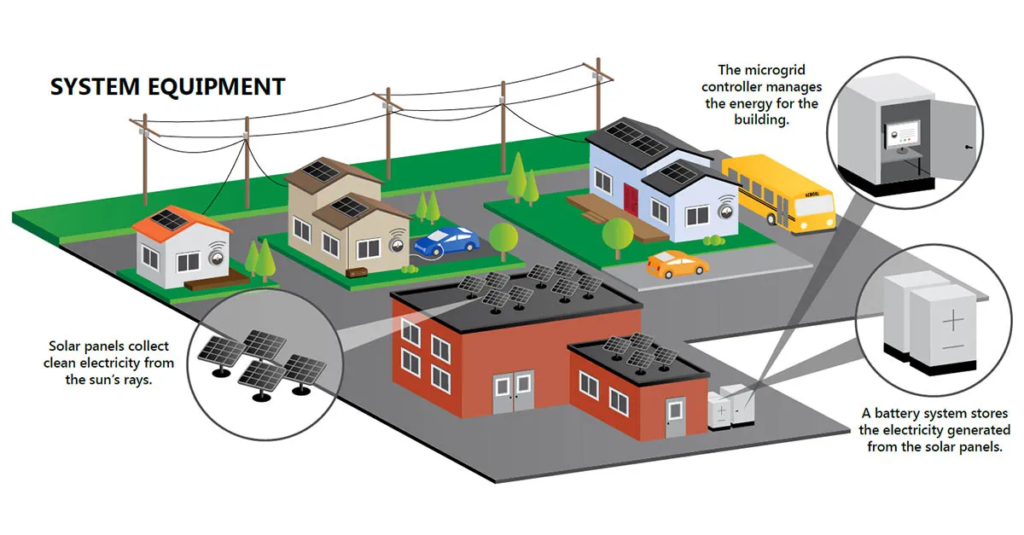
The size of a microgrid is determined by several factors rather than a single measurement. Generation capacity is one of the most important indicators, with larger systems producing significantly more electricity than conventional microgrids. Battery storage capacity, renewable energy integration, and the number of connected facilities also contribute to overall project scale.
Geographical coverage is another consideration. Some microgrids serve a single industrial facility, while others supply electricity across university campuses, military bases, islands, or large commercial developments. The ability to support thousands of users or multiple critical facilities further distinguishes the largest projects.
Ultimately, the most advanced microgrids combine high generation capacity, intelligent energy management, scalable infrastructure, and reliable operation to support demanding applications while preparing for future energy growth.
How Big Can a Microgrid Be?
One of the greatest advantages of microgrids is their scalability. Unlike traditional power systems that often require major infrastructure upgrades to expand, microgrids can be designed to match current energy needs and then grow as demand increases. This creates a flexible energy expansion model for industries, businesses, and communities.
There is no fixed maximum size for a microgrid. Small systems may generate only a few kilowatts to power a single building, while large industrial and utility-scale projects can produce hundreds of megawatts. Some advanced installations combine multiple generation sources, extensive battery storage, and intelligent energy management platforms to support entire campuses, manufacturing facilities, military bases, and remote communities.
The final size of a microgrid depends on several factors, including electricity demand, available generation capacity, storage requirements, and the number of facilities it serves. Modular designs also allow additional generators, renewable energy systems, and batteries to be integrated over time without replacing the existing infrastructure. This provides a scalable power infrastructure strategy for long-term growth.
As distributed energy technologies continue to improve, the potential size and capability of microgrids will also expand. Future projects are expected to deliver even higher capacities while maintaining the flexibility and resilience that make microgrids an attractive solution for modern energy systems.
Which Country Is No. 1 in Renewable Energy?
When measured by total renewable electricity generation and installed renewable energy capacity, China is widely recognised as the global leader. The country has invested heavily in solar power, wind energy, hydropower, and battery storage while continuing to expand its clean energy infrastructure. This creates a global renewable energy leadership position through large-scale investment and technological development.
China leads the world in installed solar and wind capacity and continues to develop utility-scale renewable projects to support growing electricity demand. At the same time, countries such as Norway, Iceland, Paraguay, and Costa Rica are often recognised for generating a very high percentage of their electricity from renewable sources, primarily through hydropower and geothermal energy.
The growth of renewable energy has also accelerated the development of microgrids, which help integrate solar panels, wind turbines, battery storage, and conventional generators into reliable local energy networks. By intelligently balancing different power sources, microgrids make renewable energy more practical for industrial facilities, commercial buildings, and remote communities.
As governments continue investing in cleaner energy technologies, renewable power and advanced microgrids are expected to work together to create more resilient, efficient, and sustainable electricity systems worldwide.
Who Is Huawei’s Biggest Competitor?
Huawei operates in several technology markets, so its competitors vary depending on the industry segment. In digital energy and microgrid technologies, companies such as Schneider Electric, Siemens, ABB, Hitachi Energy, GE Vernova, and Eaton are among its strongest competitors. These organisations develop advanced energy management platforms, grid automation technologies, battery storage integration, and distributed energy solutions. This creates a highly competitive energy technology market driven by continuous innovation.
While Huawei focuses heavily on digital energy platforms, smart photovoltaic systems, and intelligent energy management, other companies bring strengths in industrial automation, power generation, electrification, and utility-scale infrastructure. Their solutions are widely used across manufacturing facilities, commercial buildings, hospitals, data centres, and utility networks.
As demand for microgrids continues to grow, competition among these technology providers is accelerating the development of smarter, more efficient, and more reliable distributed energy solutions. Businesses ultimately benefit from this innovation through greater technology choices, improved system performance, and better long-term energy resilience.
What Is the World’s Largest Data Centre?
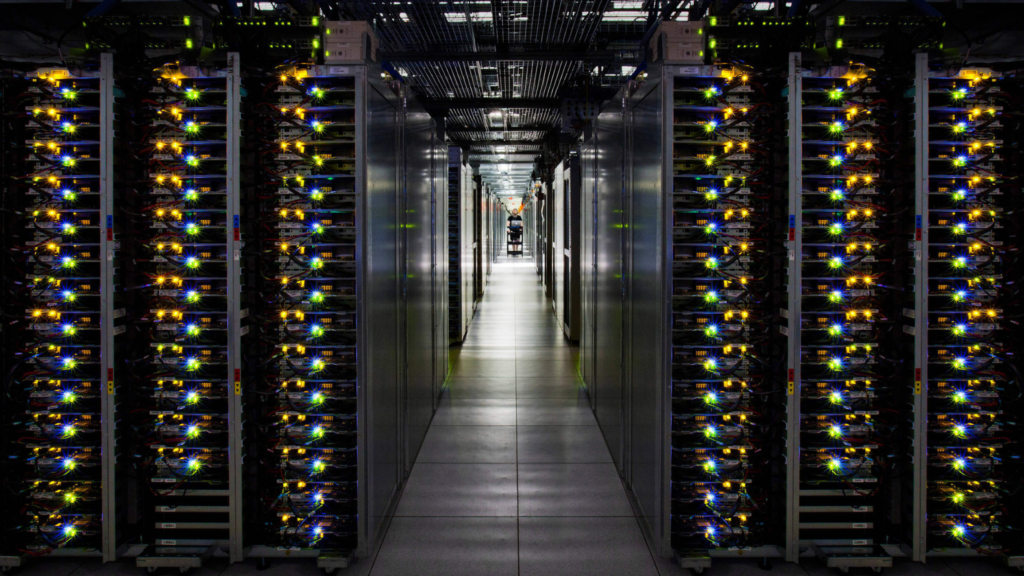
The China Telecom Inner Mongolia Information Park is widely recognised as one of the world’s largest data centres based on its overall campus size and capacity. Large-scale facilities like this process enormous volumes of digital information and require continuous, high-quality electricity to keep thousands of servers operating without interruption. This creates a mission-critical power environment where reliability is essential.
Modern data centres cannot tolerate unexpected power outages because even a brief interruption can affect cloud services, financial transactions, communications, and business operations. For this reason, many operators are investing in microgrids that combine generators, battery energy storage, renewable energy, and intelligent control systems to strengthen energy resilience.
A microgrid allows a data centre to continue operating even when the utility grid experiences disturbances. Intelligent control platforms automatically manage available energy resources, ensuring stable voltage, frequency, and uninterrupted power for sensitive IT equipment. As data centres continue expanding to support artificial intelligence, cloud computing, and digital services, microgrids are expected to play an increasingly important role in delivering dependable and efficient energy infrastructure.
What Is the World’s Largest Solar System Model?
The Sweden Solar System is widely recognised as the world’s largest permanent scale model of the solar system. Instead of being located in a single building, the model is spread across different locations throughout Sweden, using the Ericsson Globe (Avicii Arena) in Stockholm to represent the Sun, while the planets are positioned across towns and cities according to the same scale. This creates a remarkably large-scale scientific installation that demonstrates the immense distances within our solar system.
Although this project is designed for education and public engagement rather than energy production, it highlights how large-scale engineering and coordinated planning can transform complex scientific concepts into practical, real-world installations. Similar principles of careful planning, system integration, and scalability are also found in modern microgrids, where multiple technologies must work together to deliver reliable electricity.
As renewable energy projects continue to increase in size and complexity, large engineering initiatives like utility-scale solar farms and advanced microgrids demonstrate how innovative infrastructure can support the world’s growing energy needs while improving resilience and operational efficiency.
The Future of Large-Scale Microgrids
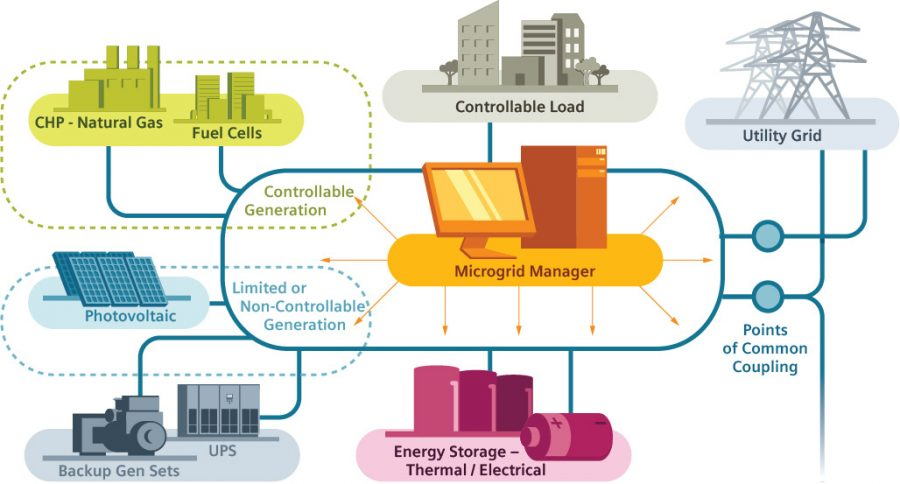
The future of microgrids is moving toward larger, smarter, and more interconnected energy systems capable of supporting entire industrial zones, commercial campuses, and communities. Advances in battery technology, renewable energy integration, and digital control platforms are allowing microgrids to manage increasing amounts of electricity while maintaining high reliability. This creates a next-generation distributed energy network for future power infrastructure.
Artificial intelligence and advanced energy management systems are expected to play a major role in future microgrid development. These technologies can predict electricity demand, optimise generator performance, manage battery storage, and automatically balance multiple energy sources to improve efficiency and reduce operating costs.
Future microgrids will also integrate larger solar farms, wind projects, and battery storage facilities while maintaining stable voltage and frequency through intelligent control systems. This will enable businesses and communities to reduce dependence on centralised grids without compromising reliability.
As energy demand continues to grow worldwide, large-scale microgrids will become increasingly important for improving resilience, supporting renewable energy adoption, and building more flexible electricity infrastructure for industries and critical facilities.
Build Reliable Large-Scale Energy Solutions with ALEO
As modern microgrids continue to expand in size and capability, reliable power generation remains at the heart of every successful distributed energy project. Whether supporting industrial facilities, commercial developments, or remote operations, dependable equipment and intelligent system integration are essential for achieving long-term energy resilience. This creates a strong foundation for future-ready power infrastructure.
At ALEO, we provide industrial power solutions engineered for demanding commercial and industrial environments where performance, efficiency, and reliability are critical. Our generator systems are designed to integrate seamlessly into modern microgrid applications, helping businesses strengthen energy security, reduce operational risks, and maintain continuous power.
Every ALEO solution comes with UL certification from the USA, ensuring compliance with internationally recognised safety and quality standards. With direct shipment from the United States, on-site installation and debugging support, and a 1-year warranty, businesses receive complete confidence from installation through long-term operation.
Visit our website and connect with us today to discover how ALEO can help you build scalable, reliable, and efficient power solutions for the next generation of distributed energy systems.