A generator usually becomes important only when everything else stops working. The moment lights go out, systems shut down, and normal operations pause, the real value of backup power becomes clear. In homes, this may mean preserving food and keeping essential appliances running, while in businesses, it can mean preventing downtime, data loss, and financial disruption. This makes reliable backup planning a practical operational necessity rather than a secondary consideration.
One of the biggest mistakes buyers make is choosing a generator based only on size or price without understanding actual emergency requirements. A system that looks powerful on paper may still fail to support critical loads if it is not properly matched to real usage conditions. Selecting the right emergency power generator requires more than quick purchasing decisions during a crisis.
Different emergencies demand different backup strategies. Some situations require only a few hours of support for household essentials, while others need continuous power for medical equipment, industrial machinery, or security systems. This creates a usage-specific power demand that directly affects generator type, fuel choice, and runtime expectations.
The best generator for emergencies is the one that delivers stable performance, safe operation, and dependable runtime when power is needed most. Understanding how to choose the right emergency power generator helps users avoid costly mistakes and ensures stronger protection during unexpected outages. Read on to know more:
Why Emergency Power Planning Matters
Power outages create more than inconvenience because they interrupt essential systems that people depend on every day. In homes, this may affect refrigeration, lighting, water supply, and medical equipment, while in businesses, it can stop operations, delay production, and create financial losses. This makes emergency power planning an important part of long-term preparedness rather than a last-minute reaction.
Many people only think about backup power after an outage has already happened, which often leads to rushed decisions and poor equipment choices. Buying a generator without understanding actual power needs can result in overload problems, short runtime, or unnecessary fuel costs. A properly selected emergency power generator should be based on realistic usage, not panic buying.
Planning ahead also helps users understand which appliances or systems must remain active during emergencies and which can be temporarily ignored. This prevents overspending on oversized units while ensuring critical functions stay protected. Such load priority planning improves both efficiency and reliability during unexpected outages.
For both homeowners and industrial users, early planning creates better installation decisions, safer operation, and stronger long-term performance. A reliable emergency power generator becomes far more effective when it is chosen with a clear purpose and practical preparation.
Types of Generators Used for Emergency Backup
Different emergencies require different generator solutions, and not every system is suitable for every situation. Some users need short-term residential backup, while others require continuous industrial power for extended outages. Understanding these differences helps buyers make a smarter generator selection instead of choosing equipment based only on price or size.
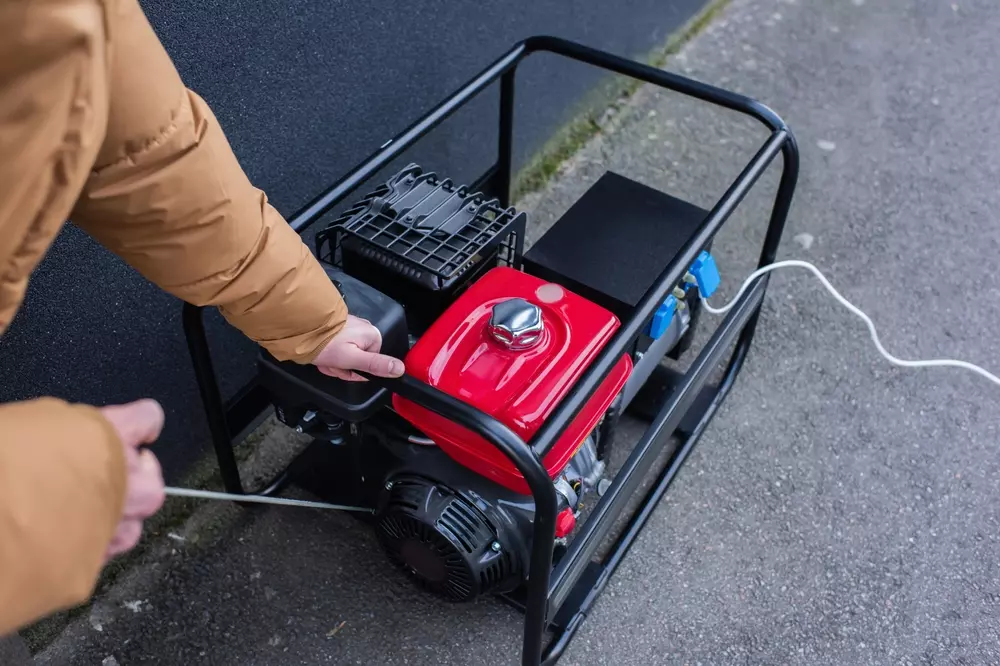
Portable generators are commonly used for homes and small businesses because they are flexible, affordable, and easy to move when needed. They are useful for powering essential appliances during temporary outages, although they require manual setup and regular refueling. For short-term needs, they can serve as a practical emergency power generator option.
Standby generators are permanently installed systems that automatically start when the main power supply fails. They are ideal for locations where immediate backup is necessary, such as hospitals, offices, and larger homes. Their automatic operation provides a continuous backup advantage that improves safety and convenience during critical situations.
Diesel generators are preferred for commercial and industrial use because they offer better fuel efficiency, stronger durability, and longer runtime under heavy loads. In demanding environments, a diesel-based emergency power generator is often the most reliable solution for maintaining uninterrupted operations. This creates a heavy-load reliability advantage for long-term use.
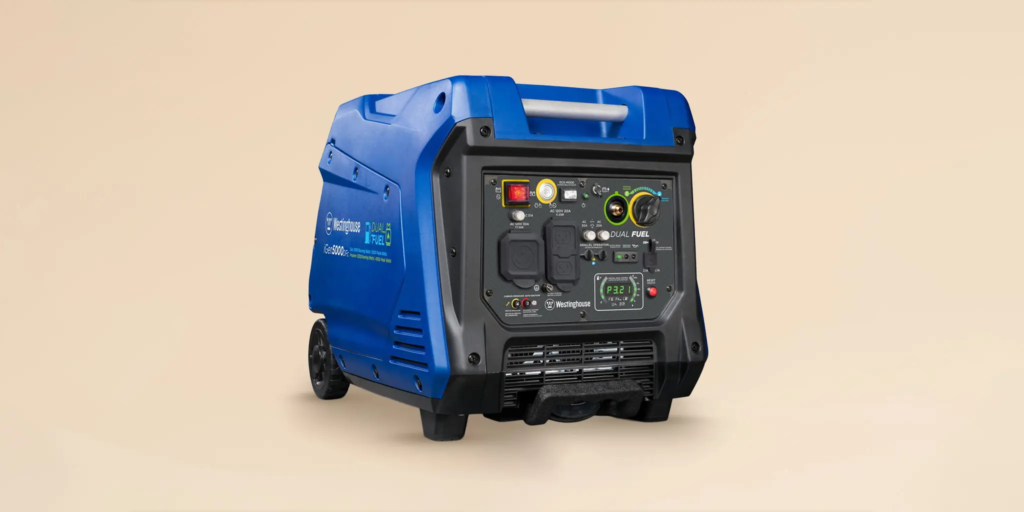
Inverter generators are smaller and quieter units designed for sensitive electronics and controlled residential use. Choosing the right type depends on power demand, runtime expectations, and how quickly backup power must be restored during emergencies. This supports a better emergency planning strategy for dependable backup performance.
How to Choose the Right Emergency Power Generator
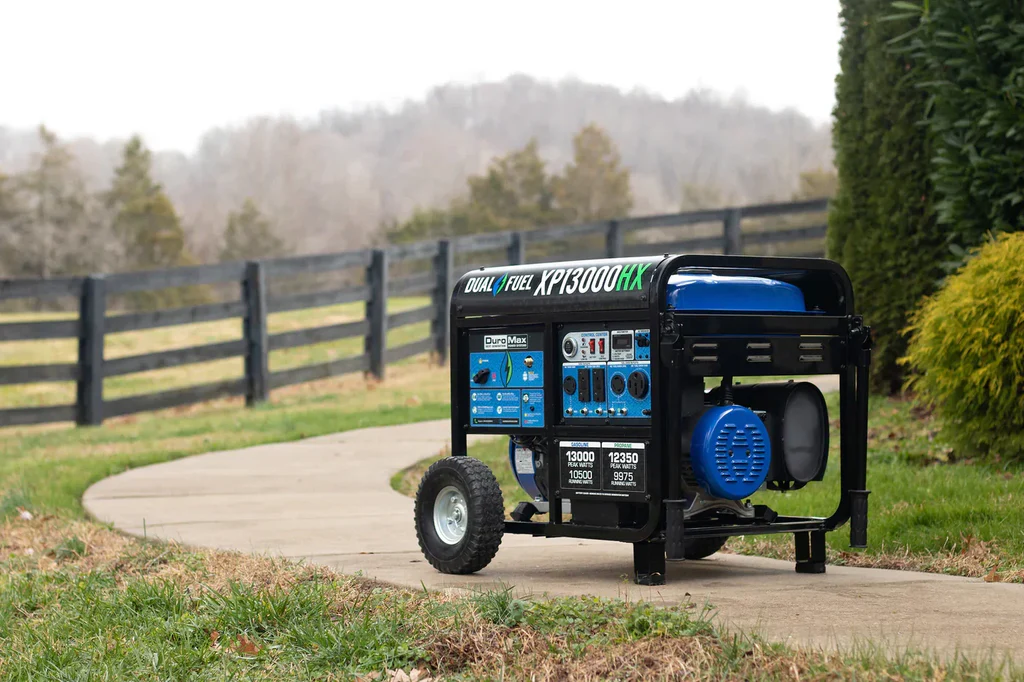
Selecting the right generator requires more than comparing prices or choosing the biggest model available. The best system is the one that matches actual power needs, fuel availability, and operating conditions during emergencies. This makes proper generator selection the most important step when choosing reliable backup power.
The first step is identifying which appliances or systems must continue running during an outage. Lights, refrigerators, water pumps, medical devices, internet systems, and security equipment are usually the main priorities. Understanding these needs creates a clear power requirement that prevents both overload and unnecessary oversizing.
Calculating Essential Power Requirements
Every appliance uses running watts and starting watts, and both values must be considered before selecting a generator. Starting watts are usually higher because equipment like refrigerators and pumps require extra power when switching on. This creates a realistic load calculation that helps buyers choose the correct emergency power generator for stable operation.
Fuel Type and Runtime Considerations
Fuel type directly affects runtime, efficiency, and maintenance requirements. Diesel generators are known for durability and longer operation, while gasoline and propane options may suit smaller or temporary needs. Choosing the right fuel source creates a practical fuel strategy for dependable emergency backup performance.
Portability vs Permanent Installation
Portable generators are suitable for short-term home use and flexible movement, while standby systems are better for locations that require automatic backup and continuous support. The right choice depends on usage frequency and response time expectations. This creates a usage-based installation decision for stronger long-term value.
Safety Features and Automatic Controls
Modern generators often include automatic transfer switches, overload protection, voltage regulation, and monitoring systems. These features improve reliability and reduce manual intervention during emergencies. A well-equipped emergency power generator offers a safer operational system that protects both equipment and users.
Long-Term Reliability and Maintenance
Durability matters most when the generator is needed during a real emergency. Systems with strong build quality, regular servicing support, and stable performance provide better long-term confidence. This ensures the emergency power generator remains ready when unexpected outages create urgent power demands.
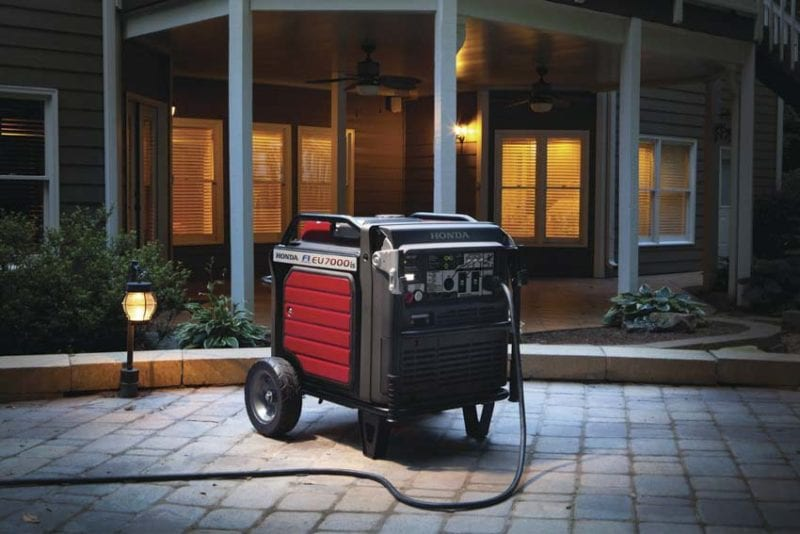
What Is the Best Generator for Home Emergency Use?
The best generator for home emergency use depends on how much power the household needs during an outage and which appliances must remain operational. For most homes, the priority is usually lighting, refrigerators, fans, internet systems, water pumps, and essential medical devices. This creates a home backup power priority that helps determine the right generator size and type.
Portable generators are often a practical choice for short-term outages because they are affordable and easy to move. They can support essential appliances but usually require manual startup and regular refueling. For homeowners looking for a simple emergency power generator, portable units can provide effective short-duration backup support.
Standby generators are a better option for larger homes or areas with frequent outages because they start automatically when the main power supply fails. They are permanently installed and can support a wider range of appliances, including air conditioning and full-home systems. This provides an automatic whole-house protection advantage during critical situations.
The best choice depends on balancing budget, fuel availability, and power demand. A properly selected emergency power generator ensures comfort, safety, and uninterrupted support without unnecessary fuel waste or overload risks.
How Big of a Generator Do I Need for Emergency Power?
Choosing the right generator size starts with understanding how much electricity is actually needed during an outage. Many buyers either underestimate their requirements or purchase oversized units that increase fuel costs without adding real value. This makes accurate load calculation the foundation of effective emergency planning.
The first step is listing all essential appliances and systems that must keep running, such as refrigerators, sump pumps, lighting, HVAC systems, security equipment, and communication devices. Each item has running watts and starting watts, and both must be considered for a realistic estimate. This creates a total power demand figure for selecting the right emergency power generator.
For small homes, a generator between 5 kW and 10 kW may be enough for basic essentials, while larger homes or small businesses may require 15 kW to 20 kW or more. Industrial facilities often need much larger systems depending on the machinery and operational demands. This highlights a scale-based sizing decision that varies by application.
A correctly sized emergency power generator provides stable performance without overload, fuel waste, or unnecessary maintenance stress. Matching generator capacity to actual usage ensures reliable backup power when emergencies happen.
What is the 80% Rule for Generators?
The 80% rule is a widely used guideline that suggests a generator should ideally operate at around 80% of its total rated capacity instead of being pushed to full load continuously. This creates a safe operating buffer that helps maintain stable performance during extended use.
When a generator runs at or near 100% capacity for long periods, its engine, alternator, and cooling system are placed under constant stress. This can lead to overheating, reduced efficiency, and faster wear of internal components. Following the 80% rule supports a long-term durability balance that improves overall system life.
This rule is especially important during emergencies, where power demand can fluctuate suddenly as multiple appliances or systems turn on at the same time. Maintaining a buffer ensures the system can handle these spikes without failure, creating a surge handling protection margin for more reliable operation.
For any emergency power generator, applying the 80% rule also improves fuel efficiency and reduces maintenance frequency, making it more cost-effective and dependable in real-world emergency conditions.
Common Mistakes When Buying an Emergency Generator
One of the most common mistakes buyers make is selecting a generator based only on price or size without calculating actual power requirements. This often results in systems that either cannot handle the required load or waste fuel due to oversizing. This creates a poor sizing decision risk that affects performance during emergencies.
Another major issue is ignoring runtime planning. Many users focus only on wattage but forget to consider how long the generator can operate on available fuel. Without proper planning, even a powerful emergency power generator may fail to provide sustained backup during long outages. This leads to a runtime expectation gap.
Improper installation is also a frequent problem. Poor ventilation, incorrect wiring, or unsafe placement can reduce efficiency and create serious safety hazards. This highlights the importance of a safe installation setup for reliable emergency performance.
Lastly, many users fail to test or maintain their generators regularly. Equipment that sits unused for long periods can fail when it is needed most. Routine checks ensure the emergency power generator remains fully operational and ready for real emergency situations.
Installation and Safety Considerations
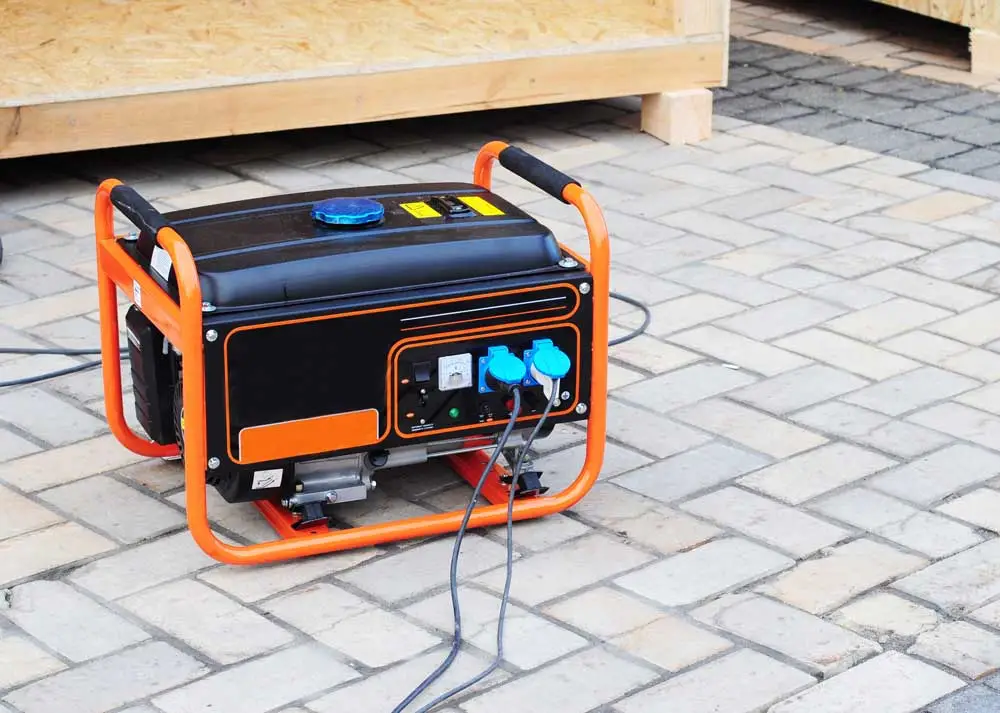
Proper installation is one of the most important factors in ensuring that a generator performs reliably during emergencies. Even a high-quality system can fail if it is placed or connected incorrectly. This makes safe installation planning essential for long-term performance and user safety.
Generators should always be installed in well-ventilated areas to prevent heat buildup and exhaust gas accumulation. Poor airflow can reduce efficiency and increase the risk of overheating, especially during extended operation. This creates a ventilation safety requirement that directly affects system reliability.
Electrical connections must be handled carefully using proper transfer switches and certified wiring to avoid backfeeding or equipment damage. An incorrect setup can harm both appliances and utility systems, making a secure electrical connection setup critical for any emergency power generator installation.
Fuel storage and handling also play an important role in safe operation. Whether using diesel, gasoline, or propane, fuel should always be stored securely away from heat sources and in approved containers. This ensures a controlled fuel safety environment during emergency usage.
Maintenance Practices for Reliable Emergency Backup
Regular maintenance is essential to ensure that a generator is always ready when needed. Without proper servicing, even a high-performance unit may fail during critical moments. This makes preventive maintenance discipline a key part of reliable emergency preparedness.
Routine inspections should include checking oil levels, air filters, fuel quality, and battery condition. These basic checks help identify early issues before they turn into major failures. Consistent servicing improves efficiency and supports a stable operational performance cycle.
Generators should also be tested periodically under load conditions to ensure they can handle real-world demands. Many failures occur because systems are never tested until an actual emergency occurs. Regular testing ensures the emergency power generator remains fully functional and reliable when required.
Proper maintenance not only extends equipment life but also reduces fuel consumption and improves overall system efficiency. This results in a long-term reliability advantage that is especially important for both residential and commercial backup power systems.
Smart Planning for Efficient Emergency Dealing – Connect With ALEO Today!
Choosing the best generator for emergencies depends on proper planning, correct sizing, and understanding real power requirements. A well-selected system ensures that essential appliances and operations continue running smoothly during unexpected outages. This makes reliable emergency preparedness a critical part of both home and business planning.
From portable units to standby systems, every option has its own use case, but the key is matching the right system with actual load needs and runtime expectations. A properly chosen emergency power generator provides stability, safety, and efficiency when it matters most.
At ALEO, we provide UL-certified generator solutions designed for dependable performance in critical situations. With direct shipment from the United States, on-site installation support, and a 1-year warranty, our systems ensure long-term reliability and operational confidence for emergency power needs.
Visit our website and connect with us today to access high-quality emergency systems, structured maintenance planning, and expert support.