Modern industrial facilities are designed around continuity, yet one overlooked gap in power planning can disrupt entire operations within seconds. Whether it is a manufacturing unit, a hospital, or a construction site, the expectation is not just to have backup power, but to have the right kind of system in place. This is where many buyers unknowingly make critical mistakes.
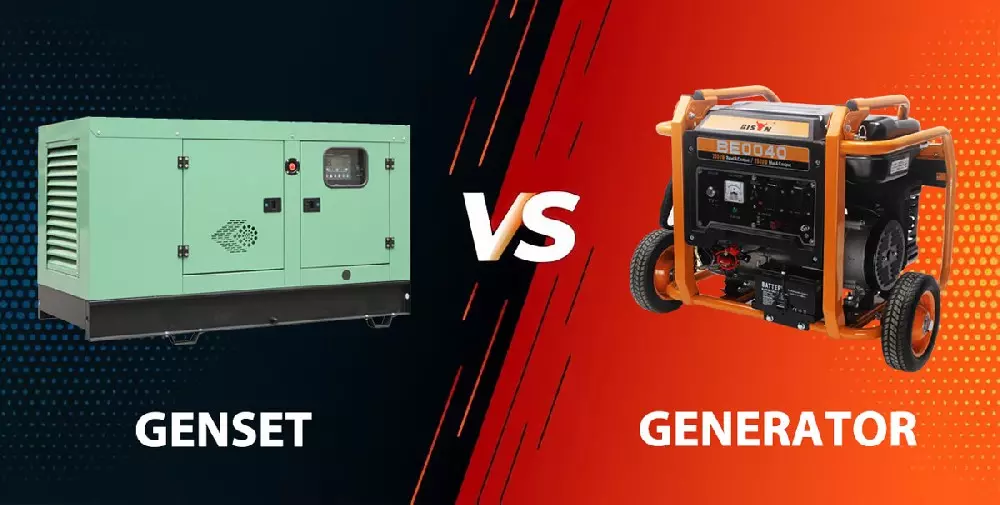
In many cases, buyers face confusion due to the interchangeable technical terminology used in the market. The terms generator and genset are often treated as identical, leading decision-makers to assume they are purchasing a complete solution when they may only be evaluating a single component. This misunderstanding can directly impact system performance and efficiency.
At a technical level, there are clear functional distinctions between these two systems that influence how they are used in real-world applications. A generator is responsible for producing electrical energy, but it cannot operate independently as a full backup system. Without supporting components, it remains only part of a broader power solution.
For industries that rely on continuous operations, making the right choice requires more than basic knowledge. An informed equipment selection ensures that businesses invest in systems that match their load demands, operational conditions, and reliability expectations. This is especially important when evaluating a complete power genset for critical environments.
Ultimately, having a practical understanding of systems helps avoid costly mistakes and ensures smoother operations during outages. This article will clarify the real differences between generators and power gensets while guiding you toward selecting the most suitable solution for your specific needs. So, read on:
Understanding Basic Power Generation Systems
At its core, electricity generation relies on converting mechanical energy into usable electrical power through controlled processes. This fundamental energy conversion process is what allows industries to operate heavy machinery, maintain lighting systems, and ensure continuous workflow across facilities. Without this basic principle, modern infrastructure would not function as efficiently as it does today.
A generator plays a central role in this system by producing electrical energy when driven by an external mechanical source. However, it is important to recognize that a generator is not standalone in most real-world applications. On its own, it cannot manage fuel supply, regulate output, or ensure operational stability under varying load conditions.
In smaller or temporary setups, a generator might be used with minimal supporting components, but industrial environments demand far more robust solutions. This is where system completeness becomes critical, as incomplete setups can lead to voltage fluctuations, inconsistent performance, and potential equipment damage.
For commercial and industrial buyers, understanding these basics helps set realistic expectations when evaluating power solutions. A well-informed approach ensures that the selected power genset configuration aligns with operational demands rather than relying on a single component that cannot deliver full system performance.
What Is a Genset and How It Works
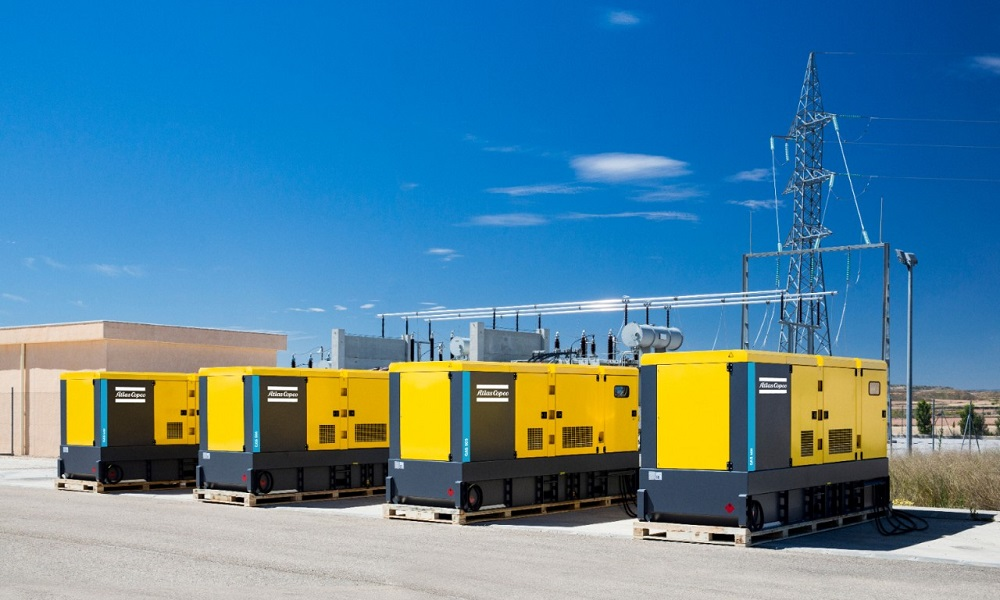
A power genset, short for generator set, is a complete power generation system designed to deliver reliable electricity in real-world conditions. Unlike a standalone generator, it combines multiple components into a unified system that can operate efficiently under varying loads. This integrated power system design is what makes gensets the preferred choice for industrial and commercial applications.
At the heart of a power genset is the generator itself, but it is supported by an engine, fuel system, control panel, and cooling mechanisms. These components work together to ensure smooth operation, automatic regulation, and consistent output. The presence of these elements highlights the multi-component system structure that allows a genset to function as a ready-to-use solution rather than just a power-producing unit.
One of the key advantages of a genset is its ability to operate independently without requiring external integration. From fuel intake to electricity distribution, everything is managed within a single system. This self-contained operational capability makes it highly suitable for environments where reliability and quick deployment are essential.
In industries such as manufacturing, healthcare, and construction, downtime is not an option. A complete power genset ensures that operations continue without interruption, providing stability even during extended outages or demanding working conditions. T
Key Difference Between a Generator and a Genset
Understanding the difference between a generator and a power genset requires looking beyond basic definitions and focusing on how each functions in real-world scenarios. The most important distinction in system scope is that a generator is only one component, while a genset is a complete, operational power system designed for immediate use.
From a structural perspective, a generator consists mainly of the alternator that produces electricity, whereas a genset includes the engine, fuel system, control panel, and additional support mechanisms. This difference in component integration directly affects how each system performs under load and how easily it can be deployed in industrial settings.
In terms of usability, a standalone generator often requires additional setup, external systems, and manual monitoring to function effectively. On the other hand, a genset offers automated controls and built-in management features, making it a more practical choice. This highlights the gap in operational readiness between the two options.
Another key factor is application. Generators may be used in controlled or limited environments, but most commercial and industrial operations require a fully assembled system. This is where a power genset solution advantage becomes clear, as it delivers reliability, efficiency, and ease of use in demanding conditions.
| Feature | Generator | Genset |
| Definition | Power-producing component | Complete power system |
| Components | Alternator only | Engine + generator + controls |
| Usability | Requires integration | Ready-to-use system |
| Application | Limited/basic use | Industrial & commercial use |
| Control | Minimal | Advanced automation |
Generator vs Genset in Real-World Applications
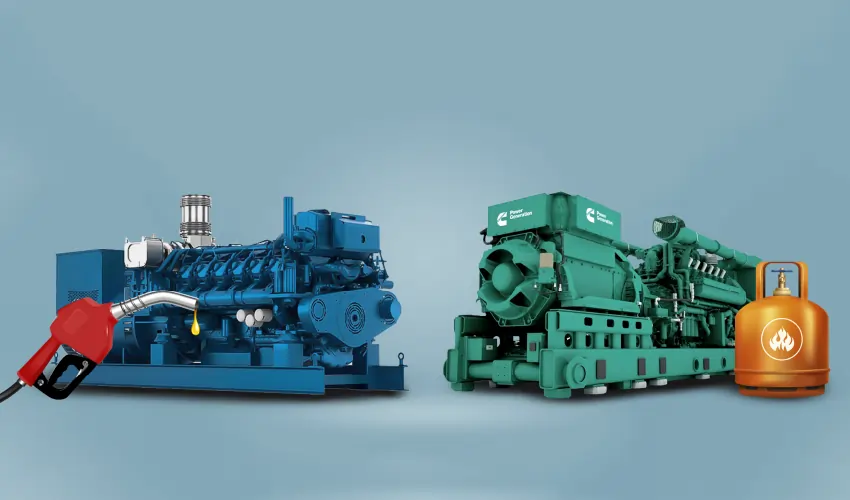
When evaluating power systems in practical environments, the difference between a generator and a power genset becomes even more apparent. Real-world operations demand more than just electricity production; they require stability, control, and long-term reliability. This is where application-based performance differences play a critical role in decision-making.
Industrial Power Requirements vs Basic Generation
Industrial facilities operate under heavy and often fluctuating loads, which require systems capable of handling continuous demand. A basic generator may produce power, but it lacks the ability to sustain consistent output under pressure. This makes load handling capability critical when choosing the right system for large-scale operations.
System Integration and Control Capabilities
Modern power systems are expected to include automation, monitoring, and protection features. Power Gensets are equipped with control panels that regulate voltage, manage load distribution, and provide real-time data. This level of advanced control system integration ensures efficient and safe operation, which standalone generators typically cannot offer without external additions.
Installation and Operational Readiness
Setting up a generator often involves integrating multiple external components, which increases complexity and installation time. In contrast, gensets are designed for quick deployment with minimal setup requirements. This highlights the ease of installation advantage that makes power gensets more suitable for time-sensitive projects.
Reliability and Performance Under Load
Continuous operation under demanding conditions requires systems that can maintain stable performance over long periods. Gensets are built for durability and consistent output, while standalone generators may struggle with extended usage. This makes long-term operational reliability a key factor in industrial environments.
Cost vs Long-Term Value
While a generator may seem like a lower initial investment, additional integration costs and performance limitations can increase overall expenses. A complete power genset, although higher in upfront cost, offers better efficiency, reduced downtime, and lower maintenance risks. This creates a higher long-term value proposition for businesses focused on reliability and performance.
Are Generator and Genset the Same?
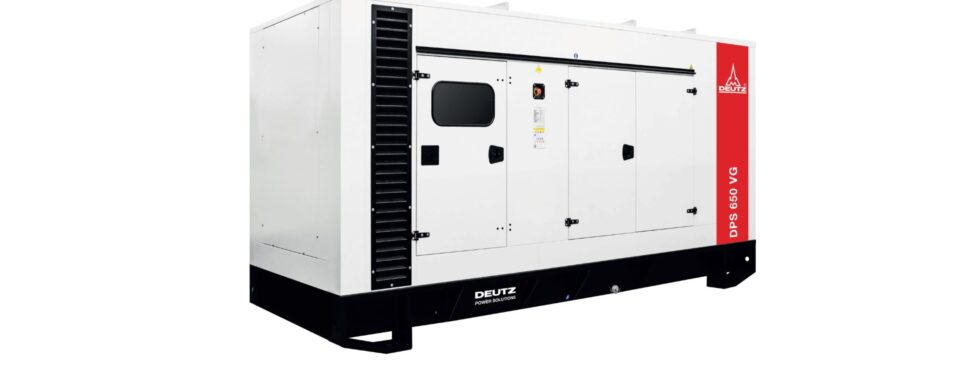
In many industrial discussions, the terms generator and genset are used as if they mean the same thing, but technically, they do not refer to identical systems. This creates a common market misunderstanding that often leads buyers to overlook critical differences in performance and application.
A generator is only one part of the overall power production mechanism, responsible for converting mechanical energy into electrical output. However, it cannot function independently as a complete system. In contrast, a genset is a fully assembled unit that includes the engine, generator, control system, and supporting components. This makes it a complete operational package rather than a single component.
The confusion mainly arises due to industry shorthand, where power genset is simply a shortened form of “generator set.” Over time, this abbreviation has become standard in commercial and industrial usage, even though it represents a more advanced and integrated solution. This creates a terminology overlap issue that misleads non-technical buyers.
From a practical standpoint, treating both as the same can lead to incorrect purchasing decisions. A generator alone may require additional systems to operate effectively, while a genset is ready for immediate deployment. This difference highlights the importance of accurate system identification before making investment decisions.
Why Are Generators Called the Genset?
The term genset originates from the abbreviation “generator set,” which refers to a complete assembly of a generator and its supporting engine system. Over time, this shortened term became widely adopted in industrial and commercial markets due to its simplicity and convenience. This reflects a standard industry naming evolution rather than a technical difference.
Originally, engineers and manufacturers used the term generator set to clearly distinguish between a standalone generator and a fully integrated system. As global industrial communication expanded, the shorter form “genset” or power genset became more common in technical documentation and purchasing discussions. This shift created a widely accepted industrial abbreviation that is now standard across most markets.
It is important to understand that the name change does not alter functionality. Whether referred to as a generator set or power genset, the system still represents a complete power solution designed for reliable operation. This highlights a terminology vs functionality gap that often confuses new buyers.
In modern usage, power genset has become the preferred term in commercial procurement because it clearly implies a full system rather than a single component. This makes communication easier in industries where precision and efficiency are critical, reinforcing its role as a standardized power system term.
What Should You Not Plug Into a Generator?
When operating backup power systems, one of the most overlooked risks is connecting inappropriate loads to a generator. This can lead to equipment damage, unstable performance, or complete system failure. Understanding limitations is essential for maintaining a safe electrical load balance during operation.
Sensitive electronics such as advanced medical devices, precision control systems, and high-end computing equipment should generally not be directly connected without proper protection. Generators can produce minor voltage fluctuations, and this creates a voltage stability concern for delicate instruments that require clean and consistent power.
Another category to avoid includes appliances with high starting surges, such as large air conditioners, industrial compressors, and heavy motors. These devices draw significantly more power at startup than during normal operation, which can overload the system. This creates a surge load risk factor that can strain both the generator and connected circuits.
Additionally, overloading a generator beyond its rated capacity is a common mistake. When too many devices are connected simultaneously, it forces the system to operate under stress, leading to overheating and reduced lifespan. This is known as a capacity overload issue that directly impacts long-term reliability.
To maintain safe operation, it is important to always match electrical demand with system capability and use proper load management practices. This ensures the generator or power genset system safety remains intact during continuous or emergency usage scenarios.
What is the 80% Rule for Generators?
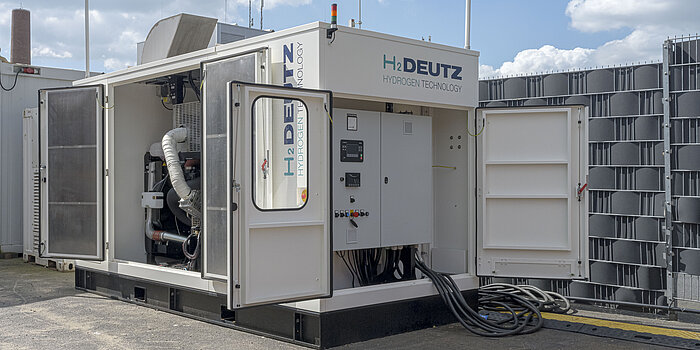
The 80% rule is a common guideline that recommends running a generator at about 80% of its rated capacity instead of full load. This creates a safe operating margin that reduces stress on the system and improves overall efficiency.
When a generator runs at 100% capacity for long periods, key components like the engine, alternator, and cooling system face excessive strain. This can cause overheating, faster wear, and reduced performance, making a long-term durability risk more likely.
The rule also helps manage sudden load changes. In real conditions, power demand can fluctuate, and maintaining a buffer allows the system to handle spikes without failure. This provides a surge protection buffer for more stable operation.
In addition, operating within this limit improves fuel efficiency and reduces maintenance frequency, making it more cost-effective over time, especially in power genset systems used for continuous industrial use.
What Is the 20/20/20 Rule for a Generator?
The 20/20/20 rule is a simple maintenance guideline that promotes regular checks, controlled usage, and proper rest periods for generators. It helps ensure a preventive care routine that improves long-term performance and reliability.
It focuses on avoiding continuous overuse and encouraging periodic inspection of key components like fuel, oil, and battery systems. This creates a balanced operation approach that reduces wear and unexpected failures.
Reliable Power Backup Solutions – Connect With ALEO Today!
Choosing the right power genset or generator system is essential for maintaining uninterrupted operations in industrial and commercial environments. Whether you are evaluating a generator or a complete power genset, the focus should always be on reliability, efficiency, and long-term performance under real working conditions. This ensures a stable backup power assurance when it matters most.
At ALEO, we provide high-quality industrial-grade power solutions designed to match specific operational demands while following strict safety and performance standards. We offer certified industrial quality standards that support long-term usage confidence.
All units are UL-certified in the United States, ensuring tested performance and recognized safety compliance. With direct shipment from the USA, customers receive equipment quickly in ready-to-use condition, enabling a fast deployment advantage for urgent power needs.
We also provide on-site setup guidance to ensure safe installation and smooth operation from the start. Along with a 1-year warranty and structured after-sales support, this creates a reliable service support system for long-term use.
Visit our website and connect with us today to make sure your generator provides dependable, safe, and hassle-free power when you need it most.