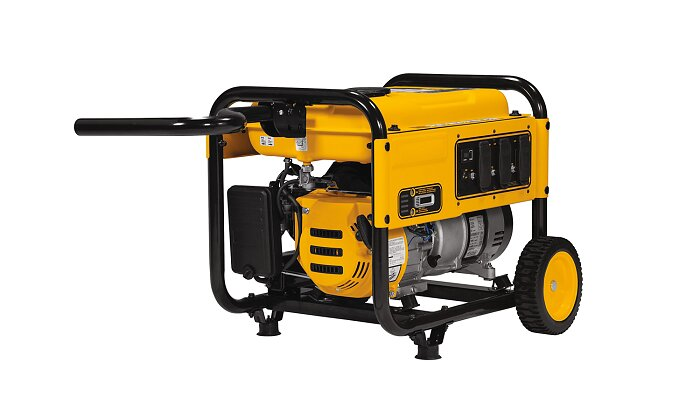
A 20kW generator is often chosen as a reliable backup solution for homes, small businesses, and light industrial setups, but its actual runtime is one of the most misunderstood aspects during purchase decisions. Many buyers assume it can run indefinitely as long as fuel is available, without considering load conditions, efficiency factors, and system limitations. This is where understanding a heavy-duty diesel generator becomes essential for realistic expectations.
In practical applications, runtime is not a fixed number but a variable outcome influenced by how the system is used. Whether it is powering essential home appliances during outages or supporting critical equipment in a small facility, the duration depends heavily on load management and operating conditions. This creates a runtime variability factor that many users overlook during planning.
Another important aspect is that not all generators are designed for the same level of endurance. A properly built heavy-duty diesel generator is engineered to handle longer operational cycles with better fuel efficiency and thermal stability. However, even these systems must operate within safe limits to maintain performance and avoid mechanical stress.
For both residential and commercial users, knowing how long a 20kW generator can realistically run is not just a technical detail; it directly impacts backup planning, fuel storage decisions, and operational readiness. This makes a practical runtime understanding essential before investing in any power solution.
Understanding 20kW Generator Capacity
A 20kW generator is designed to deliver up to 20 kilowatts of electrical power under ideal operating conditions, but in real-world use, its effective output depends on how the load is distributed across connected equipment. This creates a realistic load capacity range that buyers must understand before planning backup or continuous usage.
In practical terms, a 20kW system can typically support essential household needs such as lighting, fans, refrigerators, and select appliances, or it can power small business operations like point-of-sale systems, basic machinery, and office equipment. However, running multiple heavy appliances at once will quickly increase fuel consumption and reduce overall runtime, highlighting a load prioritization requirement in system planning.
When used as part of a heavy-duty diesel generator setup, this capacity becomes more stable and efficient due to better engine performance and fuel management systems. These units are specifically engineered to maintain consistent output under moderate to high loads, making them more suitable for extended operational use compared to smaller portable systems.
It is also important to understand that rated capacity does not always equal continuous usable power. Operating conditions, ambient temperature, and maintenance status all influence actual performance. This introduces a practical efficiency variation that directly impacts how long the generator can run on a given fuel supply.
What Affects the Runtime of a 20kW Diesel Generator
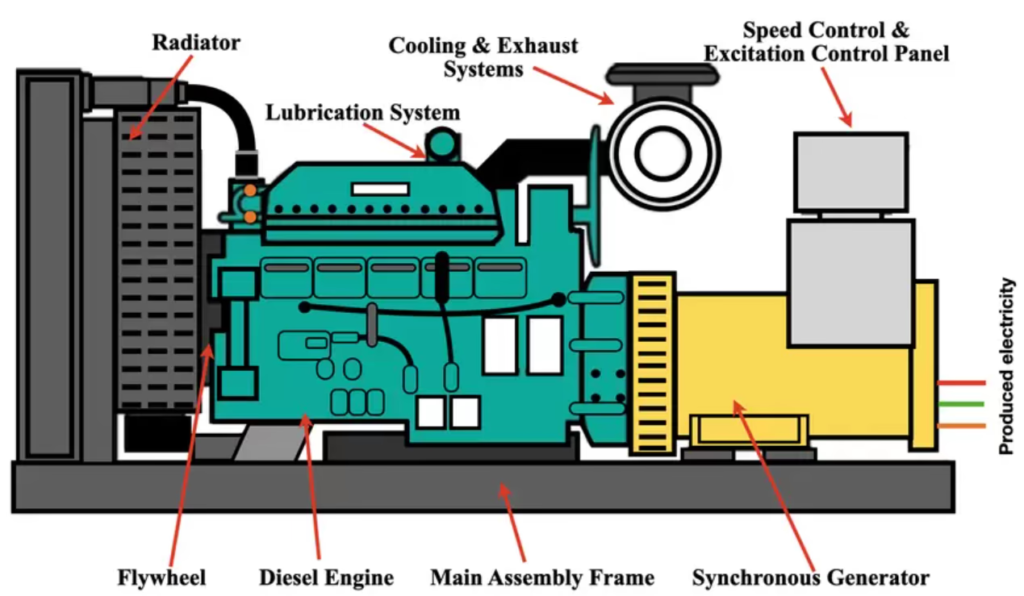
The runtime of a 20kW diesel generator is not fixed and can vary significantly based on several operational and environmental factors. The most important element is load percentage, as higher load levels consume fuel more quickly, while lower loads extend operational duration. This creates a load-dependent fuel consumption pattern that directly influences overall runtime.
Fuel tank size and fuel quality also play a major role in determining how long the system can operate continuously. A larger tank allows extended operation, but efficiency still depends on how effectively the engine converts fuel into power. In a heavy-duty diesel generator, improved combustion systems help optimize this process and reduce unnecessary fuel wastage.
Maintenance condition is another critical factor. A well-maintained generator runs more efficiently, while clogged filters, old oil, or worn components can increase fuel consumption and reduce performance. This results in a maintenance-driven efficiency impact that often goes unnoticed until runtime drops significantly.
Environmental conditions such as temperature, ventilation, and altitude also affect performance. Poor airflow or extreme heat can force the system to work harder, reducing efficiency and shortening runtime. This is especially important in continuous-use scenarios where a stable operating environment requirement becomes essential for consistent performance.
Real-World Runtime Analysis of a 20kW Diesel Generator
In real operating conditions, the runtime of a 20kW system is not determined by a single fixed value but by how efficiently the generator is loaded and maintained. A properly managed heavy-duty diesel generator can deliver significantly different runtimes depending on whether it is running at full load, half load, or fluctuating demand patterns. This makes real-world analysis essential for accurate planning.
Full Load vs Partial Load Runtime
When a 20kW generator operates at full load, fuel consumption is at its highest, which naturally reduces overall runtime. At partial load, the system uses less fuel per hour, allowing longer operation from the same tank. This creates a clear load-based runtime variation that directly affects operational planning and fuel budgeting.
Fuel Consumption Rate and Efficiency
Fuel usage is one of the most important factors in determining how long the generator can run. A heavy-duty diesel generator is designed to optimize combustion efficiency, but consumption still increases with higher electrical demand. Understanding hourly fuel burn helps estimate realistic runtime instead of relying on theoretical maximum values.
Continuous Operation Limits
Although diesel generators are built for long operation, they still require periodic checks, cooling management, and maintenance breaks to ensure safe performance. Continuous running without proper monitoring can reduce efficiency and increase wear. This introduces a safe operation threshold requirement for extended usage scenarios.
Industrial vs Residential Usage Scenarios
Runtime expectations also change depending on where the generator is used. In residential settings, loads are usually lower and more variable, allowing longer runtime. In industrial environments, heavier and more consistent loads reduce runtime but demand higher reliability. A heavy-duty diesel generator application difference is therefore a key factor in real-world performance expectations.
Is a 20kW Generator Enough to Run a House?
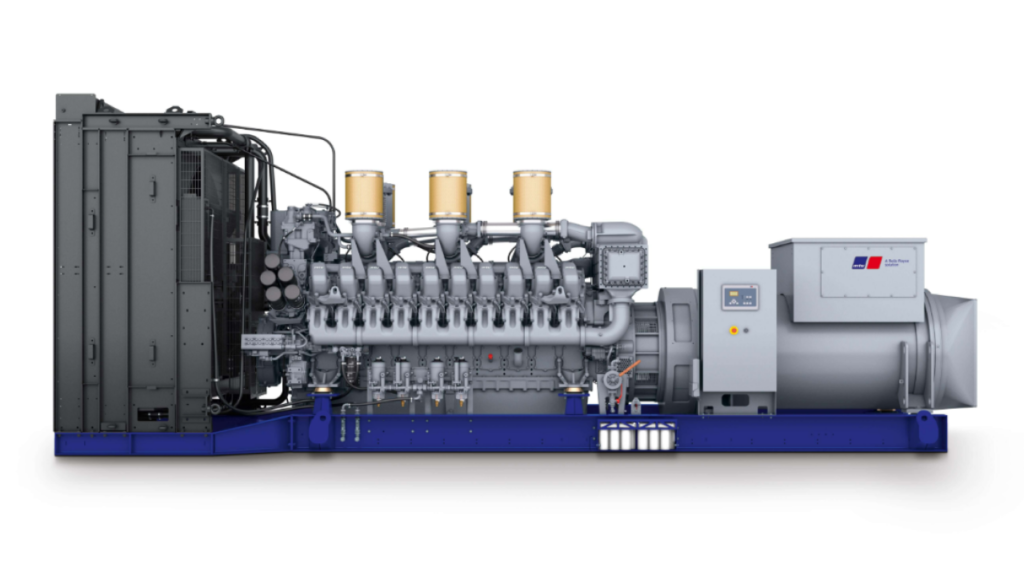
A 20kW generator is generally considered sufficient for running an average-sized house during power outages, but its effectiveness depends entirely on how the electrical load is managed. Essential systems like lighting, fans, refrigerators, water pumps, and basic appliances can usually operate without issues. This creates a household essential load capacity that defines what can realistically be supported at one time.
However, if high-power appliances such as air conditioners, electric heaters, or multiple heavy devices are used simultaneously, the load can quickly exceed safe limits. In such cases, runtime decreases significantly, and system stress increases. This makes load prioritization planning a critical part of residential generator use.
When paired with a heavy-duty diesel generator, performance becomes more stable due to better fuel efficiency and consistent power output under varying household demands. These systems are better suited for handling fluctuating residential loads without frequent voltage drops or instability.
Ultimately, a 20kW unit is enough for most homes, but only when users manage consumption wisely and avoid unnecessary overload situations. This ensures a balanced residential power setup that maintains both efficiency and reliability during outages.
Can a Diesel Generator Run 24 Hours a Day?
A diesel generator can technically run for extended periods, including 24 hours, but continuous operation depends on proper load management, cooling, and maintenance scheduling. While modern systems are designed for durability, even a heavy-duty diesel generator requires controlled operation to prevent overheating and mechanical stress.
In real-world applications, running a generator non-stop without breaks can lead to increased fuel consumption, oil degradation, and faster wear of internal components. This creates a continuous operation stress factor that reduces long-term efficiency if not properly managed.
Most manufacturers recommend periodic shutdowns or inspection intervals during long-running cycles to ensure safe performance. Even in critical environments, short maintenance windows are essential to maintain stability and avoid unexpected failures, highlighting a safe runtime maintenance requirement for reliable operation.
In practice, a 24-hour operation is possible in emergencies or industrial setups, especially when using a heavy-duty diesel generator designed for continuous duty. However, it should always be supported with proper monitoring, cooling systems, and maintenance discipline to ensure consistent output and system longevity.
What Is the 20/20/20 Rule for Generators?
The 20/20/20 rule is a practical maintenance and usage guideline designed to improve generator reliability and reduce long-term wear. It focuses on structured operation habits rather than strict engineering limits, making it a preventive maintenance approach for everyday use.
In simple terms, it encourages regular checks, controlled running intervals, and proper rest periods to avoid unnecessary strain on the system. This helps maintain stability in both residential units and a heavy-duty diesel generator used in industrial environments.
The rule is especially useful because generators often fail not due to major faults, but due to neglect, overheating, or irregular servicing. Following this structured approach supports a long-term performance protection habit that improves efficiency and reduces breakdown risks.
By maintaining consistent inspection and avoiding continuous overloading, users can significantly extend generator lifespan while ensuring stable output during critical usage periods.
How Long Will a 20kW Generator Run on 250 Gallons of Propane?
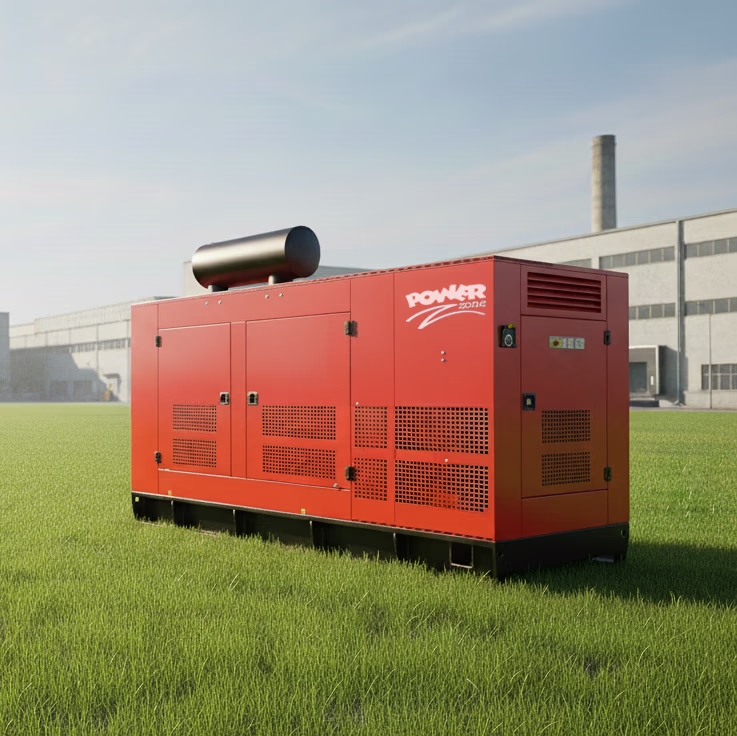
The runtime of a 20kW generator on 250 gallons of propane depends mainly on load percentage, fuel efficiency, and system design. Under moderate load conditions, propane consumption is lower compared to diesel, but overall runtime still varies based on demand. This creates a fuel-based runtime estimation factor that must be calculated realistically.
On average, a 20kW generator running at partial load can operate significantly longer on 250 gallons than at full load. However, efficiency differences between fuel types and engine tuning play a major role in actual performance. A heavy-duty diesel generator comparison context is often used to understand these variations more clearly.
It is also important to consider that propane systems behave differently from diesel units in terms of combustion efficiency and storage stability. While propane may offer cleaner burning, runtime still depends on load consistency and operating conditions, forming a fuel efficiency variability pattern that affects planning accuracy.
In practical terms, runtime estimates should always be treated as approximations rather than fixed values, since real-world usage conditions can significantly change performance outcomes.
Best Practices to Extend Generator Runtime
Extending the runtime of a generator is not only about increasing fuel capacity but also about managing how efficiently the system is operated under real load conditions. Proper usage habits can significantly improve performance, especially in a heavy-duty diesel generator where long operational cycles are common.
One of the most effective practices is load management. Keeping the connected load within optimal limits reduces fuel consumption and prevents unnecessary strain on the engine. This creates a controlled load efficiency pattern that directly contributes to longer runtime and better fuel economy.
Regular maintenance also plays a major role in sustaining runtime. Clean filters, proper oil levels, and timely servicing ensure that the engine operates smoothly without excess fuel burn. This leads to a maintenance-driven efficiency gain that improves overall system output.
Proper ventilation and cooling are equally important, as overheating can force the generator to consume more fuel and reduce efficiency. Ensuring adequate airflow supports a stable operating temperature balance that helps maintain consistent performance over time.
Choosing the Right Heavy-Duty Diesel Generator for Long Runtime
Selecting the right generator is crucial when long runtime and reliability are primary requirements. Not all systems are designed for continuous or extended operation, which is why choosing a properly engineered heavy-duty diesel generator is essential for stable performance under varying loads.
Capacity sizing is one of the most important factors. A generator that is too small will constantly run under stress, while an oversized unit may operate inefficiently at low loads. Finding the right balance ensures a proper load-matching configuration that improves both runtime and fuel efficiency.
Engine quality and fuel system design also determine how long the generator can operate without interruption. Advanced diesel systems are built for higher endurance and better combustion efficiency, resulting in a long-duration operational advantage for industrial and commercial users.
Ultimately, choosing the right unit is about aligning performance expectations with real-world usage demands, ensuring the system can deliver consistent power without compromising efficiency or durability.
Get Long-term Power Solutions – Connect With ALEO Today!
A 20kW generator’s runtime is not a fixed figure but depends on load, fuel type, and operating conditions. In real usage, a heavy-duty diesel generator performs best when it is properly sized and operated within safe load limits, ensuring more stable and efficient output over time.
At ALEO, our generator solutions are engineered for long-term reliability, efficiency, and uninterrupted performance in industrial applications. Each unit is UL-certified in the USA, ensuring compliance with international safety and performance standards. With direct shipment from the United States, customers benefit from timely delivery aligned with project requirements, ensuring a reliable power delivery system.
We also provide on-site installation and debugging support to ensure proper setup and seamless system integration from the start. Backed by a 1-year warranty, ALEO generator sets offer added confidence and operational security for demanding environments. This results in a complete service assurance package for industrial users.
Visit our website and connect with us to access high-quality equipment supported by structured maintenance planning. Businesses can achieve a stable power supply, improved uptime, and long-term operational success through a dependable industrial power solution.