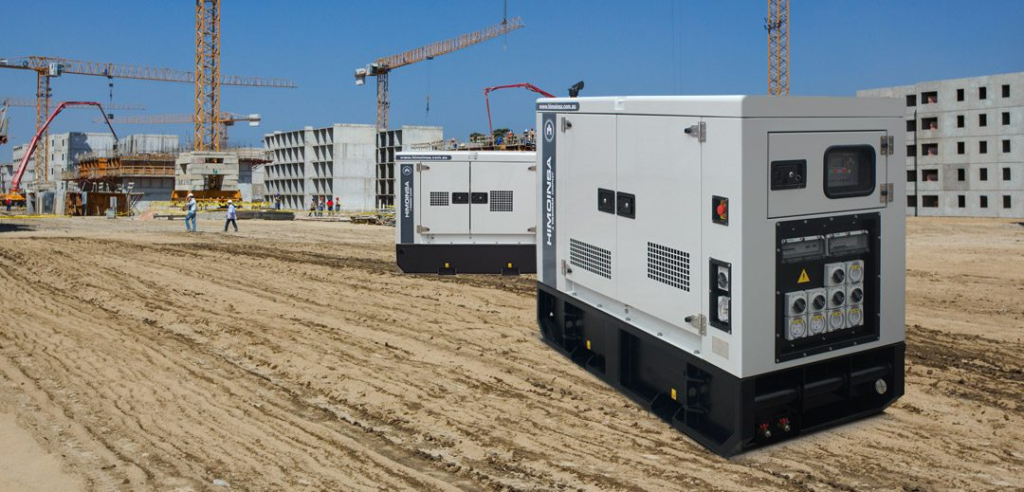
Construction projects depend heavily on consistent and reliable power, yet many sites operate in environments where grid electricity is unavailable or unstable. From remote infrastructure developments to fast-moving urban construction zones, contractors frequently face unexpected shutdowns caused by inadequate power planning.
When equipment suddenly stops working, productivity drops, deadlines shift, and operational costs rise quickly. This is why selecting the right construction site generator has become a critical decision rather than a secondary equipment purchase.
Unlike standard backup generators used for homes or offices, construction site generators must withstand demanding working conditions. They power heavy machinery, lighting systems, welding equipment, compressors, and multiple tools running simultaneously. Dust, vibration, weather exposure, and long operating hours require generators built for durability, fuel efficiency, and continuous performance. Choosing an underpowered or inefficient unit can lead to voltage fluctuations, equipment damage, and unnecessary fuel expenses throughout the project lifecycle.
Another growing challenge in 2026 is the increasing demand for energy-efficient and low-maintenance power solutions. Contractors are now prioritizing generators that offer longer runtime, quieter operation, and easier transportation between sites. Modern construction workflows require flexible power systems that adapt to changing load requirements without compromising safety or performance. As projects scale faster than ever, reliable onsite electricity directly impacts project timelines and workforce efficiency.
This guide highlights the Best Construction Site Generators for 2026, carefully selected based on performance, reliability, fuel economy, portability, and real-world construction applications. Whether you manage small renovation projects or large-scale industrial builds, understanding the strengths of different generator types will help you invest in equipment that keeps operations running smoothly from groundwork to final completion.
What Makes a Generator Ideal for Construction Sites?
Construction environments demand far more from generators than typical backup applications. Equipment must operate reliably despite dust, vibration, and unpredictable workloads. An ideal construction generator is built around job-site reliability and endurance, ensuring power remains stable even during long operational shifts and heavy equipment usage.
One of the most important qualities is high load adaptability. Construction tools rarely run at constant power levels; instead, demand fluctuates as machines start and stop throughout the day. Generators designed with strong surge handling capabilities prevent voltage drops and keep sensitive equipment functioning safely without interruptions.
Another defining factor is rugged construction and durability. Job sites expose machinery to rough handling, uneven surfaces, and environmental stress. Generators with reinforced frames, industrial-grade alternators, and protective housings perform better because they are engineered specifically for harsh working conditions rather than occasional use.
Fuel efficiency also plays a major role in determining suitability. Contractors benefit from generators offering extended runtime and fuel optimization, reducing operational expenses and minimizing downtime caused by frequent refueling. Efficient fuel consumption becomes especially valuable on remote construction projects where fuel logistics can be challenging.
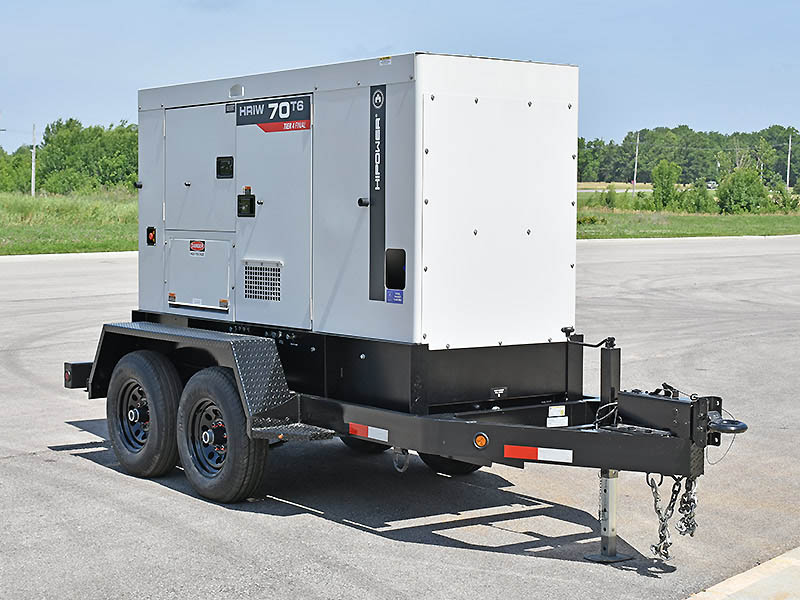
Mobility and ease of deployment further separate average generators from ideal ones. Features such as integrated wheels, lifting hooks, and compact designs support easy transportation between project zones, allowing teams to reposition power sources quickly as construction phases evolve.
Finally, safety and operational control cannot be overlooked. Modern generators include automatic voltage regulation and protective shutdown systems that safeguard both equipment and workers. These features ensure stable performance while reducing the risk of overloads, overheating, or electrical faults on active construction sites.
Key Features to Look for in Construction Generators
Selecting the right generator for a construction site is about more than just power output. A machine must combine reliability, durability, and operational efficiency to meet demanding site conditions. One of the most critical features is high starting power capacity, which ensures that heavy equipment like cranes, compressors, and concrete pumps can start smoothly without causing voltage drops or generator shutdowns. Generators with strong surge handling allow multiple machines to operate simultaneously, keeping work flowing without interruptions and protecting both the generator and connected tools.
Another essential aspect is fuel efficiency and extended runtime. Construction projects often run long shifts, sometimes in remote locations where refueling is challenging. Generators engineered for optimized fuel consumption provide hours of continuous operation, reducing costs and improving project logistics. Consistent voltage output alongside low fuel use ensures that crews can focus on productive work instead of frequent refueling or engine management, which is particularly valuable on sites with multiple active zones.
Construction environments are harsh, exposing equipment to dust, vibration, moisture, and extreme temperatures. Generators with rugged, weather-resistant designs maintain performance under these conditions. Reinforced frames, protective enclosures, and vibration-dampening components safeguard engines and alternators from damage, ensuring long-term durability.
This durability is critical for machines that are frequently moved or operated outdoors, providing reliable power no matter the weather or site conditions.
Mobility and ease of setup are equally important on dynamic construction sites. Skid-mounted or trailer-mounted generators allow for quick relocation and deployment as the project progresses through different stages. Integrated wheels, lifting hooks, and compact design reduce setup time, allowing crews to move power sources efficiently between excavation, foundation, and finishing zones. Efficient transportation and rapid installation directly improve operational flexibility and overall site productivity.
Generators must also deliver safe and stable voltage output. Voltage fluctuations can damage sensitive electronics, disrupt machinery, and create hazards for workers. Modern construction generators include automatic voltage regulation, overload protection, and emergency shutdown systems, ensuring both large machinery and delicate electronic tools operate safely. Reliable power stability maintains productivity while minimizing the risk of equipment failure or onsite accidents.
Finally, low maintenance requirements are a key factor in long-term performance. Generators designed with durable engine components, easy-to-access service points, and extended service intervals reduce downtime and maintenance costs.
On large or remote construction sites, low-maintenance remote gensets ensure a continuous energy supply, allowing teams to focus on project execution rather than troubleshooting or repairs. This combination of durability, reliability, and efficiency is what makes a generator truly suitable for modern construction environments.
Top 7 Best Construction Site Generators for 2026
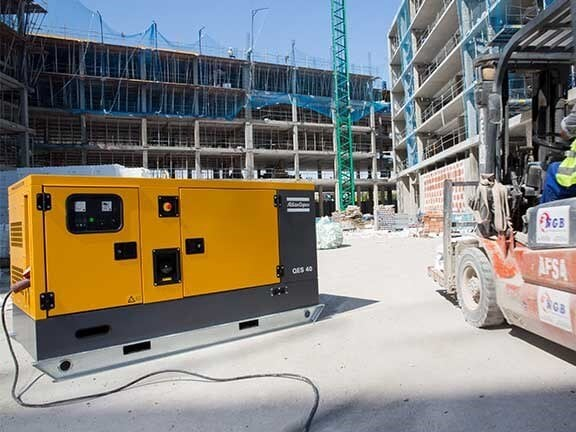
Construction sites are among the most demanding environments for power generation. Machinery, lighting, tools, and temporary offices all require stable, reliable electricity, often under harsh conditions like dust, vibration, extreme temperatures, or fluctuating workloads.
Choosing the wrong generator can lead to downtime, equipment damage, and project delays. To help contractors make informed decisions, here are the top 7 generator types for construction in 2026, detailing power ranges, best applications, key advantages, and why each type is suitable for construction environments.
1. Heavy Duty Diesel Generator Sets
Power Range: 100 kVA – 500+ kVA
Best Use Case: Large infrastructure projects and continuous heavy machinery operation
Key Advantage: Exceptional durability and load handling
Heavy-duty diesel sets are designed for continuous prime power, capable of supporting cranes, compressors, concrete pumps, and welding equipment throughout long construction shifts. Their rugged engines and reinforced alternators allow them to operate in dusty, hot, and vibration-heavy environments without losing efficiency. Large fuel tanks reduce downtime for refueling, making them ideal for multi-phase projects where uninterrupted power is essential.
2. Portable Construction Generators
Power Range: 5 kVA – 30 kVA
Best Use Case: Hand tools, lighting, and temporary site offices
Key Advantage: Maximum mobility and rapid deployment
Portable generators deliver quick, flexible power wherever it’s needed. Their compact design allows crews to move them between excavation zones, small workshops, or temporary lighting setups. These units are perfect for small-scale construction tasks where heavy-duty power isn’t required, providing reliable output while being easy to transport and set up with minimal effort.
3. Towable Diesel Generators
Power Range: 30 kVA – 200 kVA
Best Use Case: Medium-sized construction sites with semi-frequent relocation
Key Advantage: Strong output combined with high mobility
Towable diesel generators combine mobility with industrial performance. Mounted on trailers, they can be quickly repositioned across a sprawling job site while delivering sufficient power for mid-sized compressors, grinders, pumps, and temporary lighting clusters. Their diesel engines provide long runtime and surge handling, making them perfect for contractors managing multiple active zones on one site.
4. Prime Power Rated Generators
Power Range: 50 kVA – 500+ kVA
Best Use Case: Remote sites with no grid access
Key Advantage: Continuous long-duration operation
Prime power generators are built for extended operation under fluctuating loads. They automatically adjust output to match demand, supporting heavy machinery as well as auxiliary systems. This makes them essential for remote construction projects where the grid isn’t available, delivering reliable energy for weeks or months without performance loss.
5. Inverter Generators
Power Range: 2 kVA – 10 kVA
Best Use Case: Sensitive electronics, surveying equipment, and laser tools
Key Advantage: Clean, stable power output
Inverter generators produce consistent, low-distortion voltage, protecting digital tools, laptops, communication systems, and precision measuring instruments from damage. While their output isn’t suited for heavy machinery, they excel in powering small devices safely and efficiently, often complementing larger diesel generators on site.
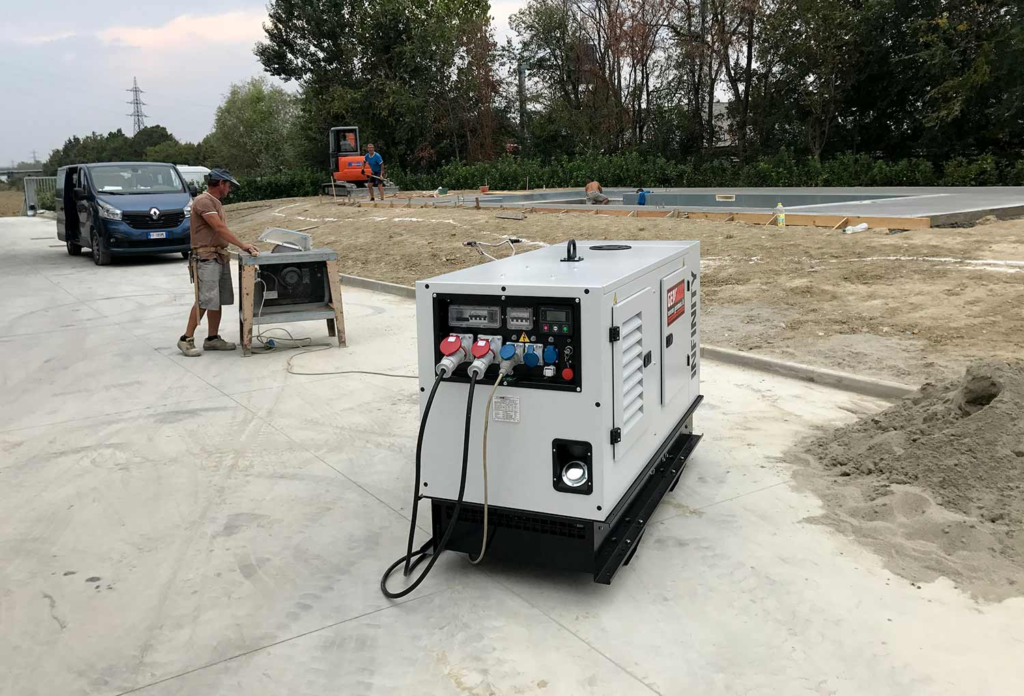
6. Hybrid Solar‑Diesel Generators
Power Range: 20 kVA – 300 kVA (combined)
Best Use Case: Long runtime projects with environmental regulations
Key Advantage: Reduced fuel consumption and emissions
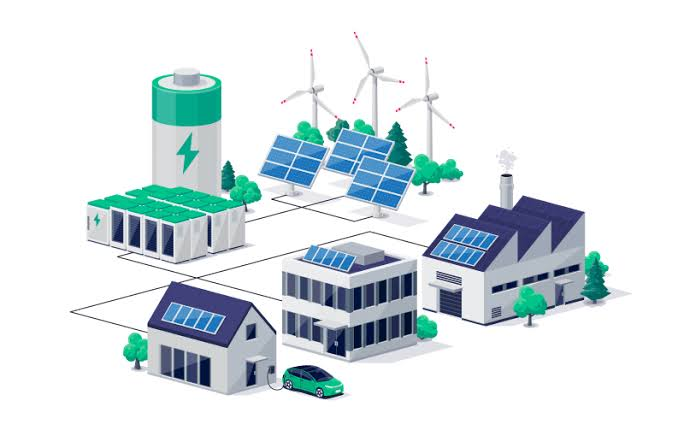
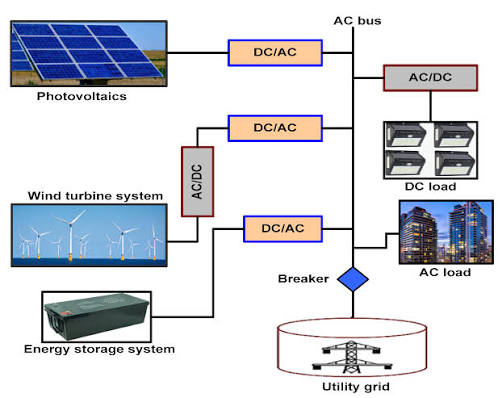
Hybrid systems combine diesel engines with solar panels and battery storage, delivering optimized fuel efficiency while reducing emissions. During the daytime, solar provides supplementary power; batteries handle peak loads, and diesel fills in as needed. This reduces operational costs and aligns with sustainability goals for urban or eco-regulated projects, offering reliable energy for extended work hours.
7. Industrial Standby Generator Systems
Power Range: 50 kVA – 300+ kVA
Best Use Case: Backup power for critical infrastructure
Key Advantage: Fast activation during grid failures
Standby generators automatically activate when utility power fails, ensuring continuity for essential systems such as security, site offices, HVAC trailers, and lighting. While not meant for primary power, they safeguard against unexpected downtime, protecting both project timelines and expensive equipment from interruptions.
Construction Generator Type Comparison
| Generator Type | Power Range | Best Use | Mobility Level | Runtime |
| Heavy Duty Diesel | 100–500+ kVA | Large projects, heavy machines | Medium–Low | Long |
| Portable Generators | 5–30 kVA | Tools, lighting | High | Short–Medium |
| Towable Diesel | 30–200 kVA | Medium sites | High | Medium–Long |
| Prime Power Rated | 50–500+ kVA | Remote sites | Medium | Continuous |
| Inverter Generators | 2–10 kVA | Sensitive electronics | Very High | Variable |
| Hybrid Solar‑Diesel | 20–300 kVA | Sustainable long runs | Medium | Extended |
| Industrial Standby | 50–300+ kVA | Backup power | Low | Emergency |
Generator Size Guide for Construction Projects
Selecting the correct generator size is all about matching power output with site demands. Undersized generators can overload or fail, while oversized units waste fuel and increase costs. Understanding your project type and the typical equipment it uses is key to choosing the right unit.
For small construction projects, generators in the 5–20 kVA range are usually sufficient. These units are ideal for hand tools, small pumps, portable lighting, and site offices, providing reliable power without unnecessary bulk. Their mobility and fuel efficiency make them perfect for short-term or temporary tasks where flexibility is critical.
Medium projects require generators in the 20–100 kVA range. These units support mid-sized compressors, welding stations, temporary lighting towers, and multiple power tools simultaneously. Towable or skid-mounted designs are common, allowing crews to relocate power easily as the project moves through different phases. Stable voltage output and sufficient surge capacity are essential to keep machinery running smoothly.
For large infrastructure projects, generators ranging from 100 to 500+ kVA are recommended. These heavy-duty units can handle high-load equipment, cranes, pumps, and multiple workstations operating continuously. They are often prime power rated, making them suitable for remote sites with no grid access, while ensuring continuous, reliable power for long-term operations.
Construction Generator Sizing Table
| Project Type | Recommended kVA | Typical Equipment |
| Small Projects | 5–20 kVA | Hand tools, small pumps, lighting, and site office |
| Medium Projects | 20–100 kVA | Mid-sized compressors, welding stations, lighting towers, and multiple power tools |
| Large Infrastructure | 100–500+ kVA | Cranes, large pumps, heavy machinery, continuous multi-zone operations |
By following this sizing logic, contractors can optimize generator performance, reduce fuel costs, prevent equipment overload, and ensure smooth, uninterrupted construction workflows. Proper sizing also helps extend generator lifespan and minimize maintenance needs over time.
Maintenance Tips for Construction Generators
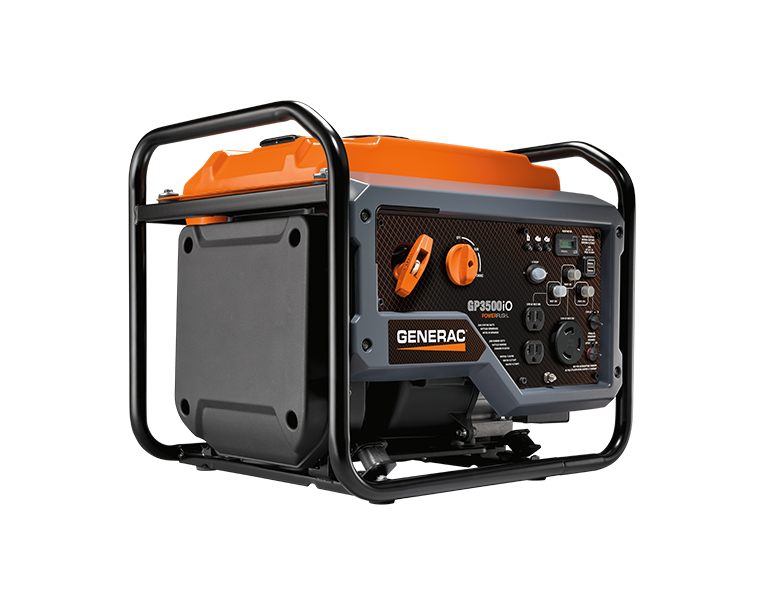
Regular maintenance practices are essential to keep construction generators reliable and efficient. Simple steps like checking oil levels, fuel filters, and battery health help prevent unexpected breakdowns on busy sites.
Cleaning air filters, inspecting wiring, and tightening connections ensure stable power delivery to machinery and sensitive electronics. Keeping a log of operating hours and service schedules allows operators to plan preventive maintenance, anticipate wear, and reduce downtime.
By following structured maintenance routines, contractors can extend generator lifespan, optimize fuel efficiency, and maintain a continuous power supply, ensuring that every construction project stays on schedule and runs smoothly without interruptions.
Choose the Right Generator for Reliable Construction Power – Connect With ALEO Today
Selecting the right generator is the backbone of any successful construction project. At ALEO, we offer properly sized and feature-rich generators that ensure continuous, reliable power, protect equipment from damage, and reduce the risk of costly downtime.
Choosing us, you get a unit with UL certification from the United States, which guarantees compliance with international safety and performance standards, giving contractors confidence in their investment. Direct shipment from the United States ensures that your generator arrives quickly and ready for deployment, while on-site debugging and installation help integrate it seamlessly into your site setup.
Visit our website and connect with us today to avail generators with long-term support, including a 1-year warranty. Our flexible delivery options, typically around 30 days, allow planning around project timelines without delaying operations.