Industries today face a persistent challenge: unreliable power supply can disrupt operations at any moment. Production lines may halt unexpectedly, construction projects can get delayed, and sensitive equipment risks damage when electricity fluctuates. Even short outages translate into lost time, increased costs, and operational inefficiencies. In such a landscape, businesses cannot rely solely on traditional grid connections; they need resilient energy solutions that keep operations running smoothly and safeguard critical processes.
An energy distribution system is the network that delivers electricity from generation sources to end users in a structured and controlled way. Historically, centralized power plants transmitted electricity over long distances, often resulting in energy loss and delayed response to outages. To overcome these limitations, industries are now turning to distributed energy systems, where power is generated closer to the point of use, improving reliability and operational flexibility.
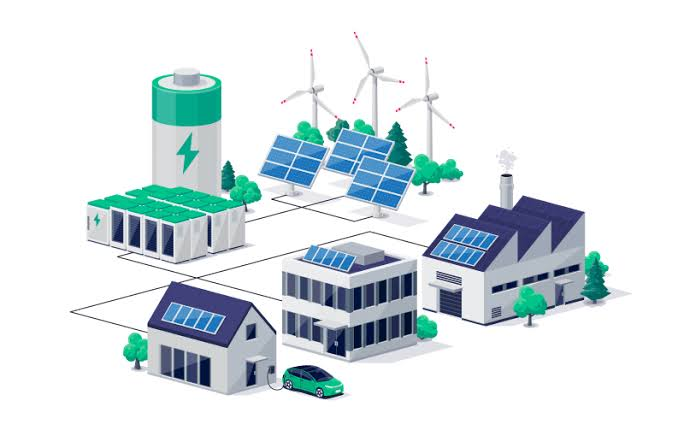
Modern distributed energy systems often combine generators, renewable sources, and intelligent control systems. By integrating cleanest energy options like solar, wind, and natural gas with diesel or gas generators, these setups ensure continuous power while reducing environmental impact. Generators play a crucial role in this mix, providing backup power, stabilizing voltage, and supporting hybrid configurations during peak loads or grid interruptions.
Adopting distributed energy solutions allows industries to minimize transmission losses, maintain uptime, and scale power availability according to demand. Understanding how distributed energy systems operate, and how generators complement them, is essential for businesses seeking uninterrupted, efficient, and environmentally conscious power delivery. Read on to get into the details of distributed systems and see how they can revolutionize your operations.
Understanding Energy Distribution Systems
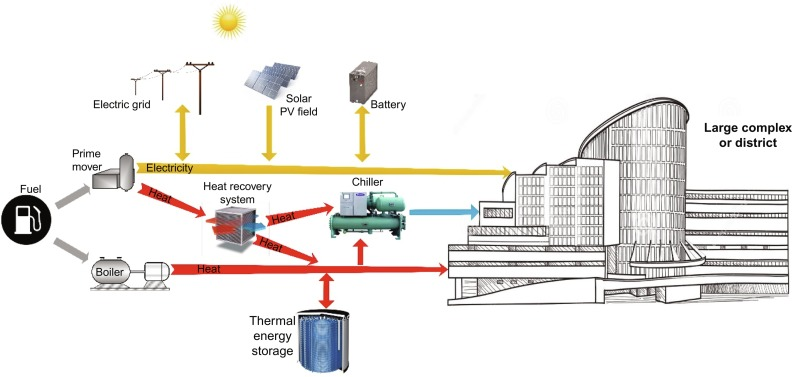
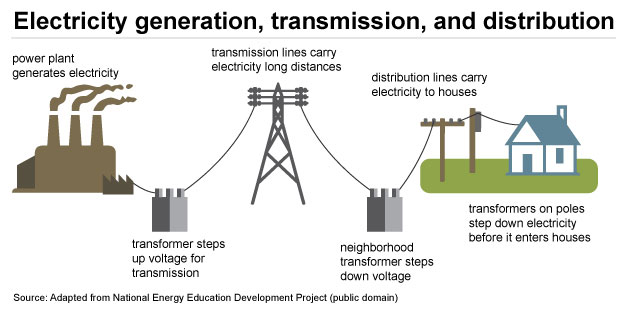
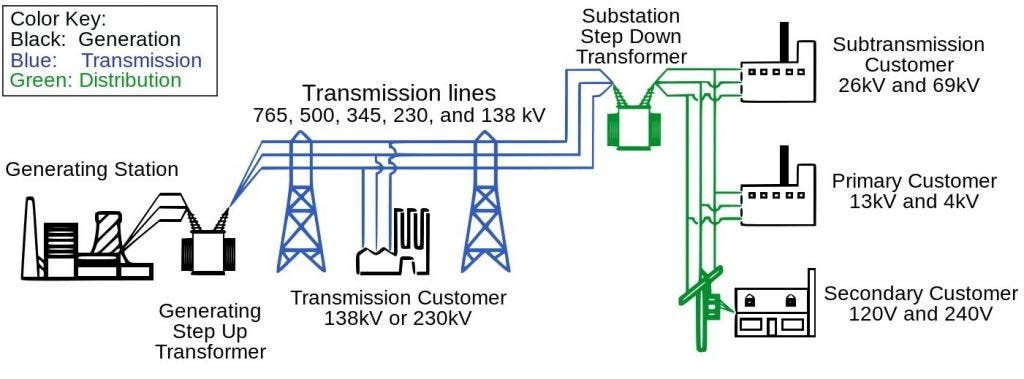
Energy distribution systems form the backbone of industrial electricity management. They ensure that power moves from generation sources to operational equipment in a structured and controlled manner. The journey of electricity involves multiple stages: generation at power plants or localized sources, transmission through high-voltage lines, transformation via substations, and finally distribution to end-use equipment.
Each step requires careful monitoring, proper infrastructure, and redundancy to avoid downtime and protect sensitive operations. Industrial sites depend heavily on these systems for uninterrupted production, safety, and efficiency.
The infrastructure supporting energy distribution includes transformers, substations, distribution lines, and monitoring systems. Transformers regulate voltage levels, substations manage switching and routing, and distribution lines deliver power to operational units. Advanced monitoring systems detect faults, track loads, and optimize power flow, enabling industries to respond proactively to energy demand or equipment failure. Without these components, industrial facilities would face frequent interruptions, inefficient energy use, and higher operational costs.
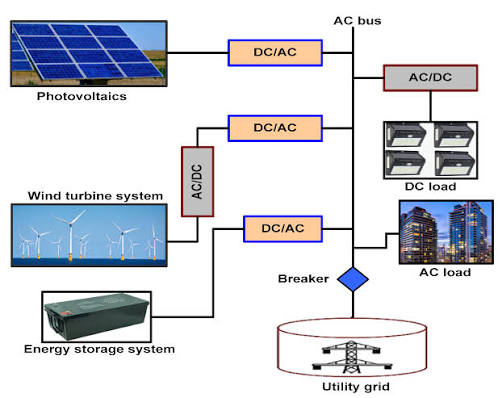
A modern evolution in this field is the adoption of distributed energy systems, where multiple small-scale power sources are located close to the points of consumption. This approach minimizes transmission losses, enhances reliability, and allows businesses to scale power capacity as needed. In distributed systems, generators often serve as prime or backup sources, complementing renewable energy units like solar PV panels or wind turbines. These hybrid setups ensure that even during peak demand or grid outages, industrial operations continue without disruption.
Distributed energy systems also provide flexibility in managing load distribution across complex industrial sites. By combining generators with intelligent control systems, businesses can prioritize critical equipment, optimize energy costs, and reduce dependency on single-point grid connections.
Additionally, integrating cleaner energy sources into distributed networks aligns with sustainability goals while maintaining operational reliability. This combination of localized generation, hybrid energy, and smart controls represents the future of industrial energy management, providing businesses with both resilience and efficiency.
Traditional vs Modern Power Distribution Models
Industries historically relied on centralized grids, but rising energy demands and reliability challenges have prompted a shift toward localized power solutions. Understanding the differences between traditional and modern distribution models helps businesses plan more resilient energy strategies.
Centralized Energy Distribution
Traditional industrial power systems depended on large power plants that generated electricity at a single location and transmitted it over long distances to factories, offices, and construction sites. While these plants could handle high-capacity generation, they often created operational vulnerabilities. Transmission losses, delayed response to changing energy demands, and limited backup options made industries susceptible to downtime, equipment strain, and financial loss.
Centralized networks also lacked flexibility. Sudden spikes in energy consumption could not always be accommodated, leading to voltage fluctuations or temporary shutdowns. Integrating cleaner energy sources like solar or wind was challenging because these intermittent sources required precise localized control to balance supply and demand. This demonstrated the growing need for adaptive energy strategies that could combine reliability, flexibility, and sustainability.
Transition Toward Distributed Energy Systems
To overcome the limitations of centralized networks, many industrial operators are shifting to distributed energy systems. In this approach, multiple smaller power units are installed near the point of use, reducing transmission losses, enhancing reliability, and improving responsiveness to fluctuating energy demands. By decentralizing generation, businesses gain greater control over their electricity supply and ensure critical operations continue even during localized outages or peak load periods.
As companies prioritize sustainability, they are increasingly integrating the cleanest energy sources into distributed networks. Solar panels, wind turbines, and natural gas solutions complement diesel or gas generators to form hybrid systems.
Generators provide backup power reliability, stabilize hybrid configurations, and ensure uninterrupted operations when renewable sources alone cannot meet demand. By combining renewable and generator-based energy, industries achieve both environmental responsibility and operational continuity.
Distributed energy systems also allow precise load management, prioritizing critical equipment and optimizing energy usage across complex industrial sites. Intelligent controls, microgrids, and hybrid generation make scaling energy infrastructure easier, reduce dependency on single-point grid connections, and support corporate sustainability goals without sacrificing reliability.
Comparison: Centralized vs Distributed Energy Systems
| Feature | Centralized Energy Distribution | Distributed Energy Systems |
| Power Source | Single large plant | Multiple localized sources |
| Transmission | Long-distance lines | Short-distance, near load |
| Reliability | Vulnerable to outages | Higher, flexible redundancy |
| Flexibility | Low, slow response | High, adaptable to load changes |
| Clean Energy Integration | Difficult | Easy with solar, wind, and gas |
| Backup Power | Limited | Generators and hybrid setups |
| Operational Efficiency | Transmission losses | Minimized losses, localized control |
Key Components Within Distributed Energy Systems
Distributed energy systems rely on multiple components working together to deliver efficient and reliable power. At the heart of these systems are the generation units, which can include solar panels, wind turbines, natural gas units, and diesel or gas generators. Each unit is positioned strategically near the point of use to minimize transmission losses, provide faster response to changing demands, and maintain uninterrupted operations. By combining renewable and conventional generation, industries achieve both operational continuity and environmental sustainability.
Another key element is energy storage systems, which include battery banks and advanced storage solutions. These systems store excess electricity generated during low-demand periods and release it when demand spikes, ensuring that critical operations remain powered even if intermittent sources such as solar or wind temporarily fall short. Coupled with smart monitoring and control systems, storage solutions enable precise load management and allow industrial operators to scale power distribution efficiently.
Control infrastructure is equally critical. Intelligent control systems monitor electricity flow, detect faults, and adjust distribution to match real-time demand. This ensures that generators and renewable sources operate in harmony, preventing overloads and voltage fluctuations. In modern distributed setups, hybrid energy management allows industrial facilities to seamlessly switch between power sources, maintaining uptime without manual intervention.
Finally, the network of substations, transformers, and distribution lines completes the system, ensuring safe, reliable delivery to end-use equipment. Together, these components form a flexible energy ecosystem, allowing businesses to integrate clean energy, optimize operational costs, and maintain high reliability, even in regions with unstable grid conditions.
Role of Generators in Modern Energy Distribution
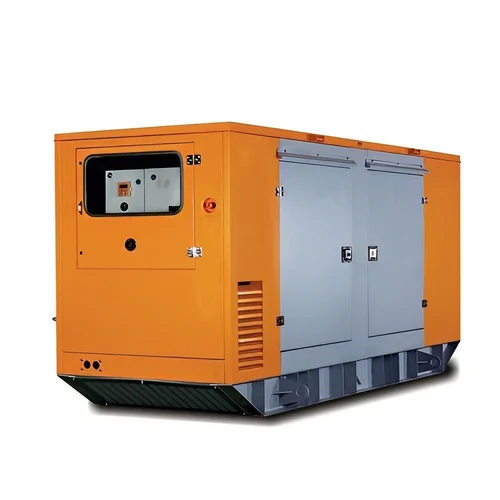
Generators remain the backbone of distributed energy systems, providing backup and prime power wherever reliability is critical. In industrial operations, generators ensure continuity during grid outages, support peak load demands, and complement renewable sources such as solar and wind. By acting as stabilizers in hybrid setups, generators prevent interruptions and help maintain consistent voltage levels, protecting sensitive equipment from damage.
In modern hybrid configurations, generators are integrated with smart controls and storage solutions, enabling automatic switching between power sources based on availability and demand. For example, during a cloudy day, solar panels may underperform, but diesel or gas generators immediately supply power to critical machinery, ensuring that operations continue without downtime. This level of responsiveness is vital for industries where even brief interruptions can result in substantial financial loss.
Generators also contribute to environmental efficiency by working alongside cleaner energy sources. Modern gas generators, in particular, produce fewer emissions compared to older diesel units, making them suitable for hybrid systems focused on clean energy integration. By combining renewables with generator support, industries can reduce their overall carbon footprint while maintaining operational resilience.
Industrial applications of generator-backed distributed energy systems are wide-ranging. Construction sites, manufacturing facilities, data centers, and mining operations all benefit from reliable energy continuity, reduced transmission losses, and scalable power capacity. This makes generators an indispensable component of modern energy distribution strategies, providing both immediate backup and long-term operational flexibility.
Industrial Applications of Distributed Energy Systems
Distributed energy systems are transforming the way industries manage their electricity needs, providing reliable power delivery across multiple sectors. Construction projects, for instance, often operate in locations where grid connectivity is limited or unreliable. Generators combined with solar panels or battery storage ensure that machinery, lighting, and temporary offices remain operational throughout the project, preventing costly delays.
Manufacturing plants benefit immensely from localized energy solutions. Production lines require constant power to maintain efficiency, prevent downtime, and protect sensitive equipment. By adopting distributed energy systems, plants can optimize energy use, maintain peak performance, and integrate cleaner sources like wind or natural gas into their operations without relying solely on centralized grids.
Data centers and IT facilities are another critical application. These environments cannot tolerate power interruptions, as even a few minutes of downtime can compromise data integrity and business continuity. Generator-backed distributed energy systems provide uninterrupted power, ensuring servers, cooling systems, and security infrastructure remain fully functional.
Mining operations, oil & gas sites, and remote industrial facilities also leverage distributed systems to achieve operational independence. By deploying hybrid power units, generators, renewable sources, and storage systems, these operations can maintain energy availability even in isolated areas, reducing reliance on grid infrastructure and enhancing overall safety and productivity.
Benefits of Distributed Energy Systems for Industrial Operations
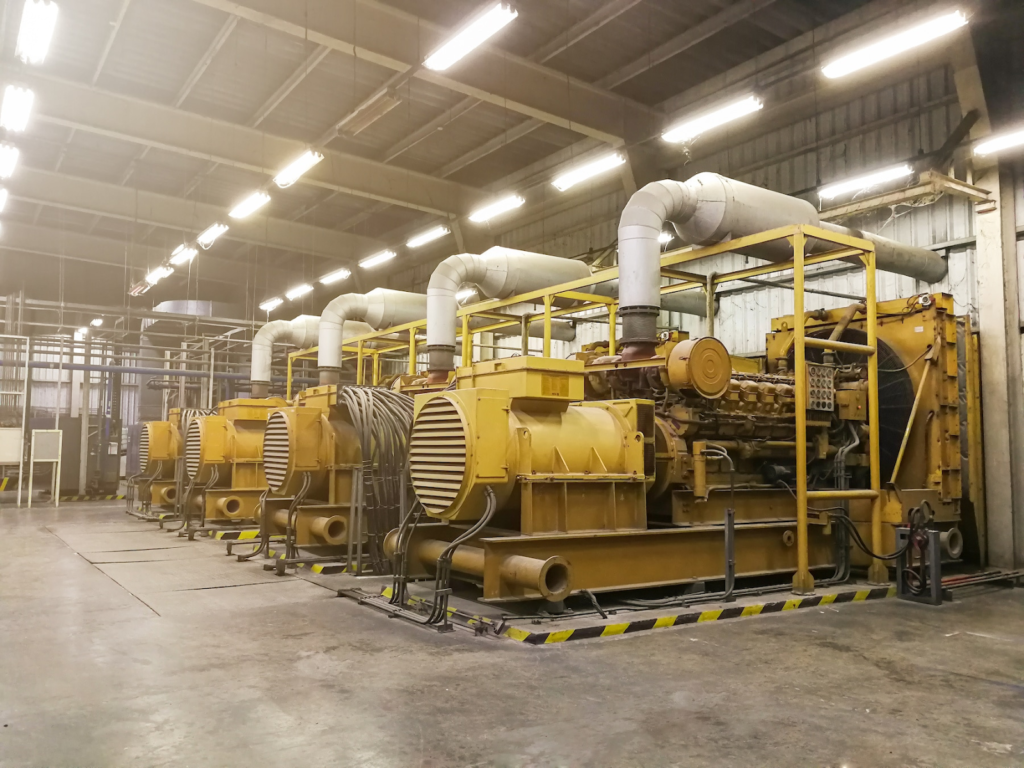
The advantages of distributed energy systems extend beyond reliability. Industries adopting these setups experience reduced transmission losses, as electricity is generated closer to where it is consumed. This improves overall efficiency and reduces operational costs associated with long-distance power delivery.
Operational resilience is another key benefit. Hybrid systems combining generators with renewables allow businesses to maintain uptime during grid outages or peak demand periods. Intelligent controls and load management ensure critical equipment continues functioning, while storage units provide additional backup power when needed.
Distributed energy systems also support sustainability goals. By integrating clean energy sources such as solar, wind, and natural gas, industries can reduce their carbon footprint while maintaining high reliability. Generators in these systems complement renewable energy, allowing operations to balance environmental responsibility with performance requirements.
| Benefit | Description |
| Reduced Transmission Losses | Power generated near the load reduces energy loss during transmission |
| Increased Reliability | Hybrid systems with generators and storage prevent downtime |
| Flexibility & Scalability | Systems can be expanded or adjusted to meet changing energy demands |
| Clean Energy Integration | Combines renewables with generators to minimize environmental impact |
| Cost Optimization | Efficient energy management reduces operational and maintenance costs |
Choosing the Right Energy Distribution Strategy
Selecting the appropriate energy distribution setup begins with a thorough assessment of operational requirements. Industrial facilities must evaluate daily load demands, peak usage periods, and the types of equipment that require uninterrupted power. Understanding which processes are mission-critical helps determine the proper generator capacity, renewable integration, and storage requirements. Without this careful planning, facilities risk overloading equipment, underperforming generators, or inefficient energy use.
Generator sizing is particularly important. Undersized units can fail during high-demand periods, while oversized generators increase fuel consumption, maintenance costs, and upfront investment. A well-planned hybrid configuration allows businesses to balance energy sources, combining generators with solar panels, wind turbines, or natural gas systems to achieve optimal performance, cost efficiency, and environmental compliance. By modeling different load scenarios, industrial operators can anticipate peak loads and prevent unexpected downtime.
Maintenance and monitoring are essential for long-term reliability. Advanced control systems can detect faults, manage loads, schedule preventive maintenance, and even optimize generator and renewable source usage automatically. This ensures that all components of a distributed energy system operate efficiently and reduces the risk of sudden interruptions. Facilities can also implement predictive analytics to forecast energy consumption trends and adjust generator output, storage usage, or renewable inputs accordingly.
Scalability is another key factor when choosing a strategy. Industries that plan to expand production lines, add new machinery, or extend operations to multiple sites need flexible energy systems that can grow with demand. Modular distributed energy units, paired with generator support, allow companies to gradually increase capacity without major overhauls or disruptions.
Finally, integrating sustainability into energy planning is becoming increasingly important. Cleaner energy sources, such as solar, wind, and natural gas, should be incorporated wherever possible. Generators play a supporting role, ensuring consistent power during periods when renewable sources are unavailable. This combination of reliability, scalability, and environmental responsibility enables businesses to maintain operational efficiency while meeting modern sustainability standards.
Build Reliable and Flexible Power Distribution With ALEO Today!
At ALEO, we understand that in today’s industrial landscape, energy reliability is no longer optional; it is essential. Distributed energy systems offer a modern solution by combining generators, renewable sources, and intelligent controls to provide scalable, flexible, and reliable power. By integrating clean energy options such as solar, wind, and natural gas, businesses can reduce their environmental impact while maintaining operational continuity.
For industrial buyers seeking reliable energy solutions, we offer UL-certified generators, direct shipment from the United States, on-site debugging & installation, a one-year warranty, and flexible delivery options with delivery in around 30 days to ensure both performance and peace of mind.
Visit our website and connect with us to get distributed energy systems and achieve uninterrupted operations, operational efficiency, and environmental responsibility.