Unplanned power interruptions remain one of the most expensive operational risks in industrial environments. A single outage can trigger production downtime, equipment disruption, and delivery delays, affecting not only immediate output but also overall operational efficiency. For manufacturing facilities operating under tight schedules, reliable power is no longer optional; it is fundamental to maintaining continuous operations.
Industrial plants today depend on automated machinery, synchronized production systems, and precision-controlled processes that cannot tolerate unstable or inconsistent power supply. Traditional generators designed purely for emergency backup often struggle to meet modern expectations, leading to fuel inefficiency, performance instability, and increased maintenance pressure. As industries move toward continuous production models, generators must support both reliability and intelligent performance management.
In 2026, industrial buyers are shifting their criteria to evaluate generators. Instead of focusing only on kilowatt ratings, decision-makers now assess generators based on features that improve operational continuity, energy efficiency, and long-term cost control. Advanced monitoring, adaptive load handling, compliance readiness, and protective control systems are becoming essential components of modern power infrastructure.
Selecting the right industrial diesel generator, therefore, requires understanding which features directly influence plant performance. The right configuration minimizes risk, protects critical equipment, and ensures stable power delivery under demanding industrial conditions.
Below, we will explore the five must-have features every industrial diesel generator should include in 2026. Our guide will help plant managers and procurement teams make informed, future-ready decisions. So, read on:
Why Generator Selection Has Changed in 2026
Industrial power requirements have evolved significantly over the past few years. Facilities are no longer evaluating generators purely as emergency backup equipment. Instead, generators are now expected to support continuous operations, maintain power stability, and contribute to overall efficiency.
One of the biggest drivers behind this shift is increasing automation across manufacturing environments. Modern production lines rely on digitally controlled systems that require consistent voltage and frequency levels. Even minor power instability can result in process interruptions, system resets, or equipment stress, making generator performance more critical than ever.
At the same time, rising fuel costs have pushed organizations to examine long-term operating expenses more closely. Procurement teams now assess generators based on fuel efficiency, maintenance predictability, and lifecycle performance rather than upfront purchase price alone. Equipment that consumes excess fuel or requires frequent servicing quickly increases operational costs over time.
Regulatory expectations have also changed. Industrial projects operating near urban or regulated zones must comply with stricter noise and emission standards. Generators lacking modern compliance features can create approval challenges and limitations, forcing companies into expensive upgrades later.
As a result, generator selection in 2026 has become a strategic decision involving operations, engineering, and procurement teams. Buyers now prioritize systems that improve operational continuity, reduce risk, and deliver measurable performance benefits throughout the equipment lifecycle.
Understanding this shift helps explain why certain generator features are no longer optional but essential for modern industrial environments. Below, we’ll examine how evolving industrial power demands are reshaping generator expectations.
How Industrial Power Demands Have Evolved
Modern industrial facilities operate under significantly different conditions compared to previous decades. Production environments have become faster, more automated, and increasingly dependent on an uninterrupted energy supply. As a result, generators are no longer evaluated only as emergency backup systems; they are assessed for their ability to maintain stability, support process reliability, and respond effectively to changing load requirements.
Understanding how industrial power demands have evolved helps decision-makers recognize why advanced generator capabilities are now essential for maintaining consistent industrial performance. The adoption of automation across manufacturing has increased sensitivity to power quality.
PLC-controlled machinery, robotics, and digitally synchronized production systems require consistent voltage and frequency levels to operate accurately. Even minor instability can interrupt control processes, force system resets, or reduce production precision. These disruptions not only slow operations but also create additional strain on equipment and operators.
Industrial diesel generators equipped with advanced control and regulation systems help maintain stable output during load transitions, ensuring automated processes continue operating without interruption. Stable power delivery has therefore become a critical factor in protecting modern production workflows.
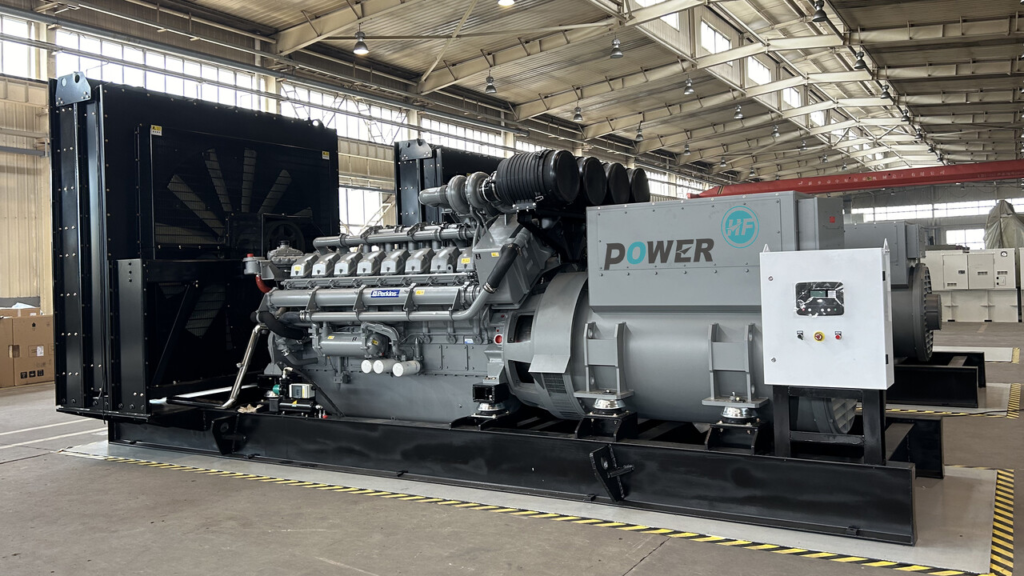
- Reduced Downtime Tolerance in Modern Plants
Industrial facilities are increasingly shifting toward extended or continuous production schedules, leaving minimal tolerance for unexpected shutdowns. Downtime that was once manageable now directly impacts output targets, contractual timelines, and operational efficiency. In this environment, generators must deliver rapid response capability and stable performance immediately after activation.
Reliability is no longer measured solely by whether a generator starts during an outage, but by how smoothly it accepts load and maintains performance over long operating periods. Consistent operation reduces stress and ensures production continuity during critical situations.
- Energy Efficiency Has Become a Procurement Metric
Rising energy costs have transformed how procurement teams evaluate industrial equipment. Organizations now analyze generators based on long-term operating efficiency and predictable cost performance rather than initial purchase price alone. Fuel consumption patterns, maintenance frequency, and efficiency under varying loads all influence total ownership cost.
Generators that incorporate efficiency optimization technologies provide measurable performance data, allowing companies to maintain better financial planning and improved forecasting. Efficiency has therefore shifted from a technical advantage to a strategic purchasing requirement.
- Compliance Requirements Continue to Expand
Industrial expansion into urban and semi-urban zones has introduced stricter regulatory expectations related to noise levels and emissions. Facilities must now ensure that supporting infrastructure aligns with environmental and workplace standards to avoid restrictions.
Generators lacking modern compliance features may still function technically, but can create approval delays or require costly retrofits after installation. Forward-looking organizations increasingly prioritize compliance-ready equipment to ensure long-term operational flexibility and regulatory alignment.
- Generators As Modern Strategic Infrastructure
In 2026, generator selection has evolved into a cross-functional decision involving engineering, operations, and financial planning teams. Rather than serving as standby equipment, generators are now viewed as part of essential production infrastructure supporting continuous operations.
| Decision Area | Earlier Approach | Modern Industrial Approach |
| Selection Focus | Power rating | Operational performance |
| Cost Evaluation | Purchase price | Lifecycle value |
| Maintenance Strategy | Reactive repairs | Predictive planning |
| Equipment Role | Backup system | Asset |
These evolving industrial realities explain why specific generator features have become critical requirements rather than optional enhancements. The next section examines the five must-have features industrial buyers should prioritize when selecting a diesel generator in 2026.
Top 5 Must-Have Features Industrial Buyers Should Prioritize
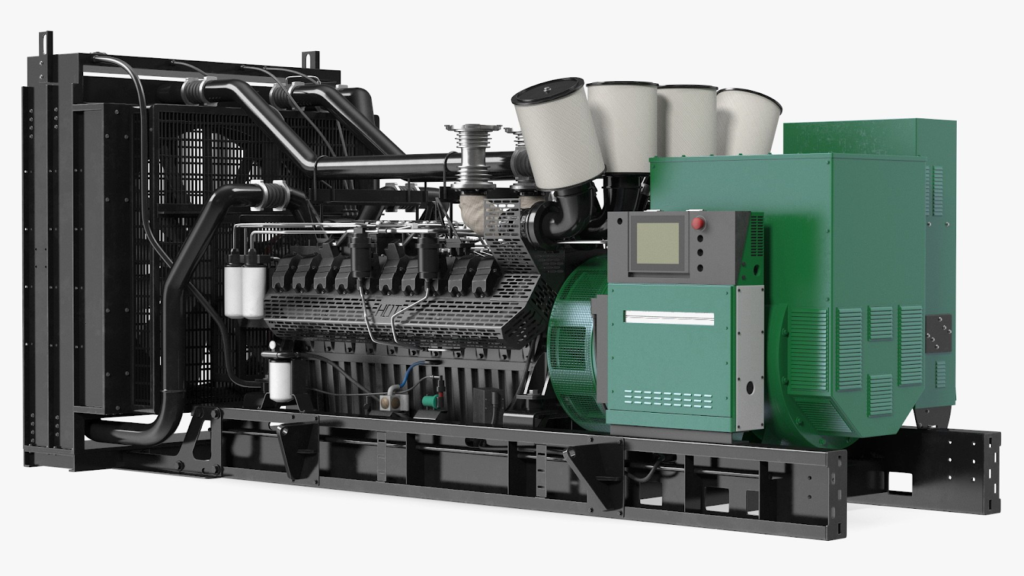
Industrial generators are no longer evaluated solely on power capacity or brand reputation. In modern manufacturing environments, performance expectations extend beyond electricity generation to include operational reliability, efficiency control, and long-term system protection. The right feature set ensures that a generator supports production continuity while minimizing risks and lifecycle costs.
The following five features directly address the evolving power demands discussed earlier and represent the capabilities industrial buyers should prioritize when selecting a diesel generator in 2026.
Smart Load Management and Adaptive Performance
Industrial facilities rarely operate under constant load conditions. Machinery startup cycles, shifting production requirements, and peak operational periods create continuous variations in power demand. Generators without adaptive capability often run inefficiently or experience excessive mechanical stress during sudden load changes.
Smart load management systems allow generators to automatically adjust output based on real-time demand. This capability improves fuel utilization, reduces unnecessary engine strain, and maintains stable performance during fluctuating workloads. Adaptive performance also helps prevent overload conditions that can shorten equipment lifespan or cause unexpected shutdowns, making it a critical feature for facilities operating dynamic production schedules.
Advanced Fuel Efficiency Optimization
Fuel consumption remains one of the largest operational expenses associated with diesel generators. Traditional systems frequently operate at fixed performance levels regardless of actual demand, leading to inefficient fuel usage and unpredictable operating costs.
Modern industrial generators incorporate electronic fuel management and optimized combustion control to align fuel delivery with load requirements. These technologies improve operating efficiency while maintaining consistent power output across varying conditions. Over time, improved efficiency translates into measurable cost savings and more predictable budgeting for industrial operations.
| Feature Aspect | Conventional Generator | Modern Industrial Generator |
| Fuel Delivery | Fixed operation | Load-responsive control |
| Consumption Pattern | Higher fuel usage | Optimized consumption |
| Cost Predictability | Variable | Stable operating cost |
| Efficiency Under Partial Load | Limited | Improved performance |
Even modest efficiency improvements can significantly reduce annual operating expenses in facilities that rely heavily on generator power.
Remote Monitoring and Predictive Maintenance Capability
Industrial operations increasingly rely on real-time data to maintain performance visibility across equipment systems. Generators equipped with remote monitoring capability allow operators to track performance indicators such as engine condition, fuel usage, and load behavior without requiring constant physical inspection.
Predictive maintenance functionality identifies performance deviations before they develop into failures, enabling maintenance teams to act proactively. This approach reduces unplanned downtime, improves maintenance planning, and extends overall equipment lifespan. For facilities managing multiple operational assets, remote monitoring transforms generator management from reactive troubleshooting into controlled oversight.
Low Noise and Emission Compliance Technology
As industrial facilities expand closer to urban environments and regulated zones, compliance requirements related to noise and emissions continue to tighten. Generators that lack compliance-ready design may still provide power but can create operational challenges during inspections or project approvals.
Modern generators integrate acoustic insulation, optimized exhaust systems, and emission control technologies that reduce environmental impact while maintaining performance. Compliance-focused design supports regulatory alignment, safer working environments, and smoother long-term operations without requiring future modifications.
Advanced Protection and Control Systems
Industrial machinery depends on a stable and regulated power supply. Voltage fluctuations, overload conditions, or electrical faults can damage connected equipment and interrupt production processes. Advanced protection systems ensure that generators deliver controlled and reliable power under varying operating conditions.
Features such as automatic voltage regulation, overload protection, and intelligent shutdown mechanisms safeguard both the generator and connected assets. These systems enhance equipment protection, improve safety, and reduce the likelihood of catastrophic failures during critical operating periods.
| Protection Feature | Advantage |
| Automatic Voltage Regulation | Maintains stable power output |
| Overload Protection | Prevents equipment damage |
| Fault Detection Systems | Faster issue identification |
| Emergency Shutdown Control | Limits risk |
When combined, these protection capabilities ensure that generators function as dependable infrastructure rather than potential vulnerabilities.
How These Features Improve Industrial ROI
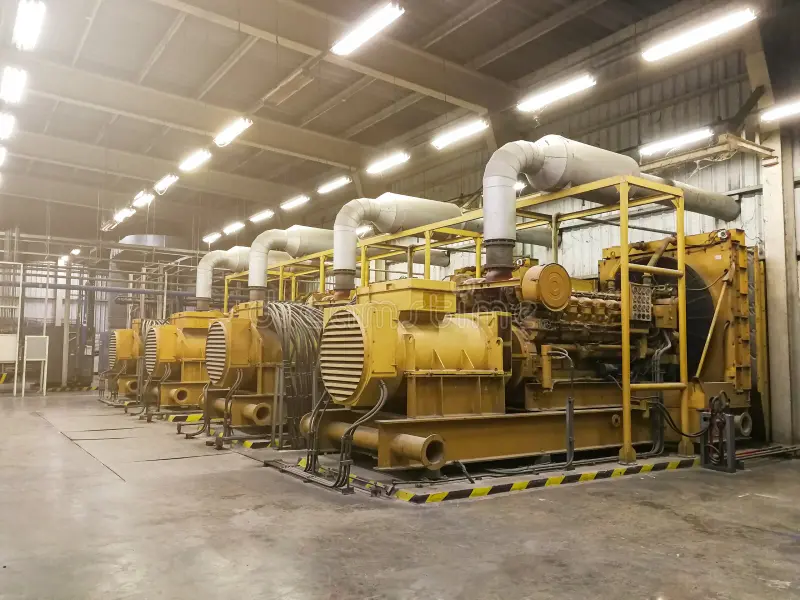
Industrial generator investments are increasingly evaluated through long-term operational performance rather than initial purchase cost. While advanced features may appear to increase upfront expenditure, their real value becomes evident through improved efficiency, reduced downtime risk, and predictable operating expenses over the equipment lifecycle.
Fuel optimization and adaptive load management directly lower operating costs by ensuring the generator consumes only the energy required for actual demand. Over extended operating hours, improved fuel efficiency translates into substantial savings, particularly for facilities relying on generators for continuous or peak-load support. Reduced fuel waste also contributes to more stable cost forecasting, allowing procurement teams to plan budgets with greater accuracy.
Reliability-focused features further strengthen return on investment by minimizing operational disruptions. Unexpected shutdowns often carry hidden costs, including production delays, labor inefficiencies, and equipment restart procedures. Generators designed for performance stability and predictive maintenance reduce the likelihood of sudden failures, helping organizations maintain uninterrupted production schedules.
Advanced protection systems also contribute to ROI by safeguarding connected machinery. Industrial equipment represents a significant capital investment, and an unstable power supply can lead to costly repairs or premature equipment wear. By ensuring controlled power delivery, modern generators protect assets while extending lifespan across the facility.
When evaluated holistically, feature-rich generators deliver value through lower maintenance frequency, improved uptime reliability, and stronger lifecycle performance. The result is not simply backup power availability but measurable efficiency that supports long-term industrial profitability.
Choosing the Right Generator Supplier
Even the most advanced generator features cannot deliver expected results without proper application expertise and technical support. Generator performance depends heavily on correct generator sizing, installation planning, and operational alignment with facility requirements. For this reason, selecting the right supplier becomes as important as selecting the generator itself.
Experienced suppliers begin with a detailed load analysis to ensure the generator matches actual operational demand rather than estimated capacity. Incorrect sizing can lead to fuel inefficiency, performance instability, or unnecessary equipment stress, all of which increase long-term operating costs. A knowledgeable supplier helps prevent these risks by aligning technical specifications with real production conditions.
Beyond installation, ongoing technical support plays a critical role in maintaining generator reliability. Access to spare parts, engineering consultation, and maintenance guidance ensures that the generator continues operating efficiently throughout its lifecycle. Suppliers who provide structured after-sales support help organizations maintain operational continuity and reduce response time during technical issues.
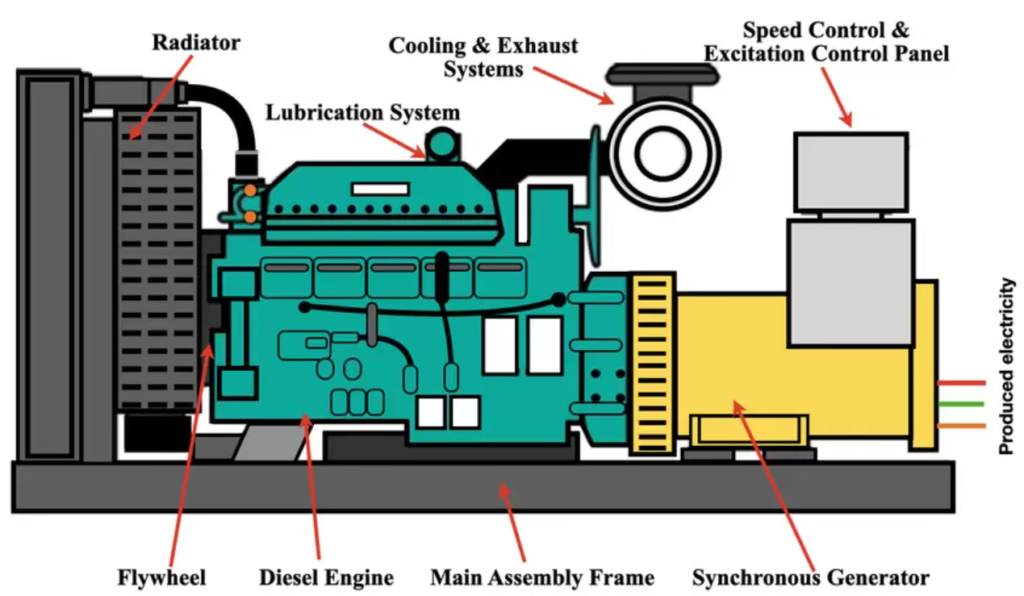
Industrial buyers increasingly prefer partners who understand manufacturing environments and can recommend solutions based on operational realities rather than product catalogs alone. A capable supplier transforms generator procurement into a long-term reliability strategy, ensuring the equipment performs as an integrated component of industrial infrastructure rather than standalone machinery.
Reliable Industrial Power Starts with the Right Partner – Connect With ALEO
At ALEO, our experts understand that a well-selected generator becomes a strategic operational asset that supports uninterrupted performance and reduces risk across industrial operations.
ALEO provides advanced diesel generator solutions engineered for reliability, efficiency, and durable industrial performance, helping businesses achieve dependable power and long-term operational confidence.
Our experts can help you choose the right industrial diesel generator solution tailored to your manufacturing requirements. Visit our website and connect with our team today to get your hands on the most powerful backup solutions in 2026.