Reliable electricity is essential for maintaining productivity, protecting equipment, and ensuring continuous operations in industrial environments. However, increasing grid instability, rising energy costs, and unexpected power outages are encouraging businesses to adopt more resilient power strategies. As a result, investing in industrial grid energy solutions has become a priority for organisations seeking dependable and efficient energy infrastructure. This creates a strong foundation for operational continuity across demanding industries.
Modern industrial facilities require more than traditional backup generators. Today’s energy systems combine conventional generation, renewable energy, battery storage, and intelligent control technologies to provide stable electricity under a wide range of operating conditions. These integrated solutions help businesses reduce downtime, improve efficiency, and strengthen long-term energy security.
From manufacturing plants and data centres to hospitals and commercial facilities, industrial grid energy solutions support critical operations by delivering reliable backup power and enabling hybrid energy management. Whether operating alongside the utility grid or independently during outages, these systems provide greater flexibility while helping organizations optimize their energy resources. This creates a smarter approach to industrial power management for modern businesses.
In this article, we explore the top five industrial grid energy solutions that improve backup reliability, support hybrid power systems, and help businesses build more resilient and future-ready energy infrastructure.
Why Industrial Grid Energy Solutions Matter
Reliable electricity is the backbone of modern industrial operations. Manufacturing facilities, warehouses, healthcare centres, data centres, and commercial buildings all depend on continuous power to keep equipment running, protect sensitive systems, and maintain productivity. Even a short interruption can lead to production delays, equipment damage, data loss, and increased operating costs. This makes industrial grid energy solutions essential for organisations that cannot afford unexpected downtime. This creates a reliable operational power strategy for business continuity.
Modern industrial energy demands are also becoming more complex. Facilities often operate around the clock, use high-powered machinery, and integrate automated production systems that require stable voltage and frequency. Traditional backup solutions alone may no longer be enough to meet these growing requirements. By combining generators, battery storage, renewable energy, and intelligent control systems, businesses can improve both energy reliability and operational efficiency.
Another important benefit of industrial grid energy solutions is flexibility. Companies can choose systems that match their current energy needs while allowing future expansion as operations grow. Hybrid energy systems also help reduce fuel consumption, optimise electricity usage, and improve resilience against utility grid failures. This creates a future-ready energy infrastructure that supports long-term industrial growth and sustainable business operations.
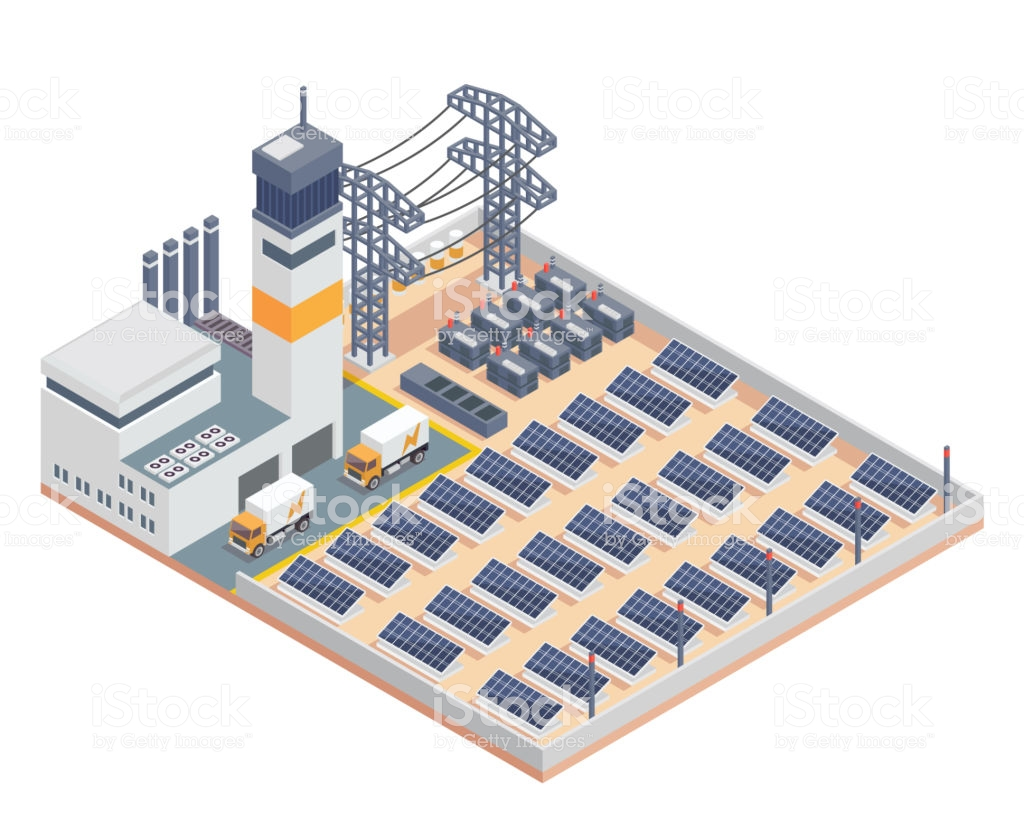
Top 5 Industrial Grid Energy Solutions
Choosing the right industrial grid energy solutions depends on factors such as energy demand, operational priorities, fuel availability, and long-term business goals. While every facility has unique requirements, several proven technologies consistently deliver reliable backup power, improved efficiency, and greater operational resilience. This creates a comprehensive industrial energy strategy for modern businesses.
1. Diesel Generator Systems
Diesel generators remain one of the most widely used industrial grid energy solutions because they provide dependable backup power for high-load applications. They start quickly during outages and are capable of supporting critical operations without significant interruption. This creates a high-capacity emergency power solution for industrial facilities.
These systems are commonly used in manufacturing plants, hospitals, construction sites, data centres, warehouses, and commercial buildings where uninterrupted electricity is essential. Diesel generators are known for their durability, reliable performance, and ability to operate continuously under demanding conditions. Their robust design allows them to handle sudden load changes while maintaining stable voltage and frequency, making them suitable for mission-critical applications.
Another major advantage is their flexibility. Diesel generators are available in a wide range of power capacities, allowing businesses to select systems that match their current operational requirements. Multiple generator sets can also be synchronised to provide additional capacity, improve redundancy, and support future business expansion. This creates a scalable power infrastructure that grows alongside industrial operations.
With proper maintenance and routine servicing, diesel generators deliver excellent long-term performance and remain one of the most trusted industrial backup power solutions. Their proven reliability, fast response time, and ability to operate independently of the utility grid make them an essential component of modern industrial grid energy solutions for organisations that cannot afford unexpected downtime.
2. Natural Gas Generator Systems
Natural gas generators offer a reliable alternative for businesses that require continuous or extended power generation. Unlike diesel units that depend on stored fuel, natural gas generators can often connect directly to an available gas supply, allowing longer operating periods with fewer fuel management requirements. This creates a cost-effective continuous power solution for industrial operations.
These generators produce lower emissions than traditional diesel systems while maintaining dependable performance for commercial and industrial applications. They are widely used in manufacturing facilities, healthcare centres, utility infrastructure, and large commercial buildings that require stable electricity for extended periods.
Natural gas generators also integrate well with hybrid energy systems, allowing businesses to combine conventional generation with renewable energy and battery storage. As part of modern industrial grid energy solutions, they help improve energy security while reducing long-term operating costs.
3. Battery Energy Storage Systems (BESS)
Battery Energy Storage Systems (BESS) have become an important part of modern industrial grid energy solutions because they provide instant backup power and improve overall energy efficiency. Instead of generating electricity, batteries store excess energy and release it when demand increases or the primary power source becomes unavailable. This creates an intelligent energy storage solution for industrial facilities.
BESS is particularly valuable in hybrid energy systems where it works alongside generators and renewable energy sources. During periods of low demand, batteries store unused electricity, while during peak demand or outages, they supply power immediately to maintain continuous operations. This rapid response improves power reliability and reduces stress on conventional generators.
In addition to backup support, battery storage helps businesses lower electricity costs through peak shaving and load balancing. By optimising energy consumption, BESS improves efficiency while extending the lifespan of other power generation equipment.
4. Solar Hybrid Power Systems
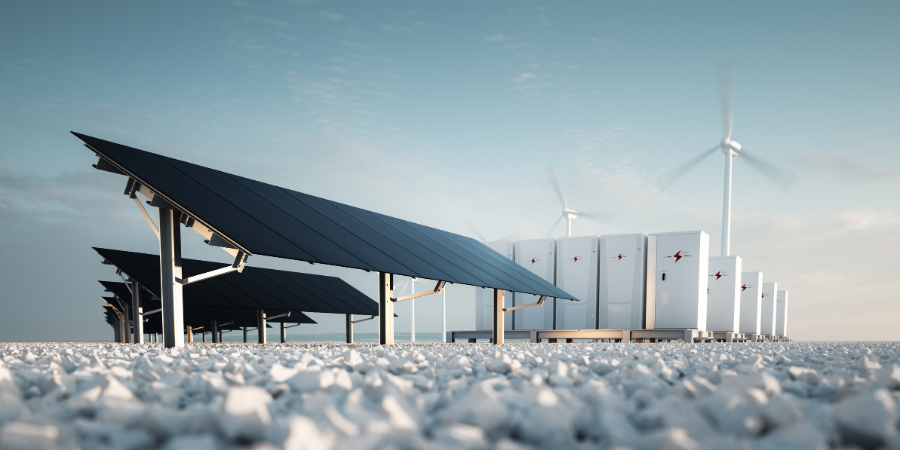
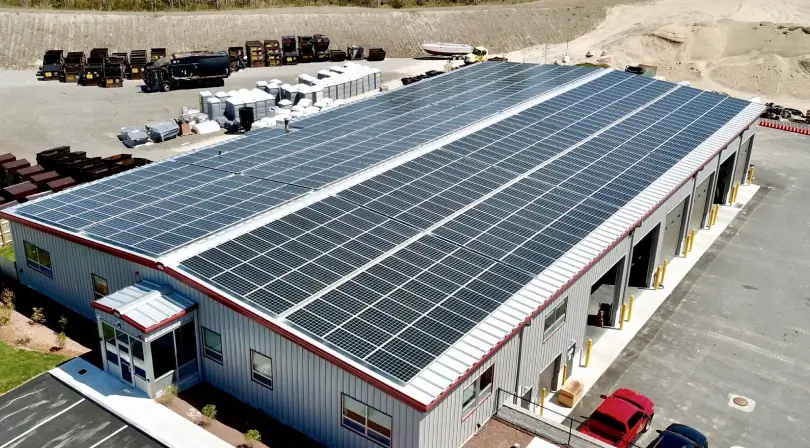
Solar hybrid systems combine solar panels, conventional generators, and battery storage to create a reliable and efficient energy solution. These systems reduce dependence on utility grids by generating clean electricity during the day while maintaining backup power through batteries and generators when solar production decreases. This creates a balanced hybrid energy system for long-term operational resilience.
For industrial facilities, solar hybrid systems help reduce fuel consumption, lower electricity costs, and support sustainability goals without compromising power reliability. Intelligent controllers automatically manage the flow of industrial grid energy solutions, selecting the most efficient power source based on energy demand and system conditions.
As solar technology and battery storage continue to improve, hybrid systems are becoming an increasingly attractive option for businesses looking to combine renewable energy with dependable backup power.
5. Microgrid Energy Solutions
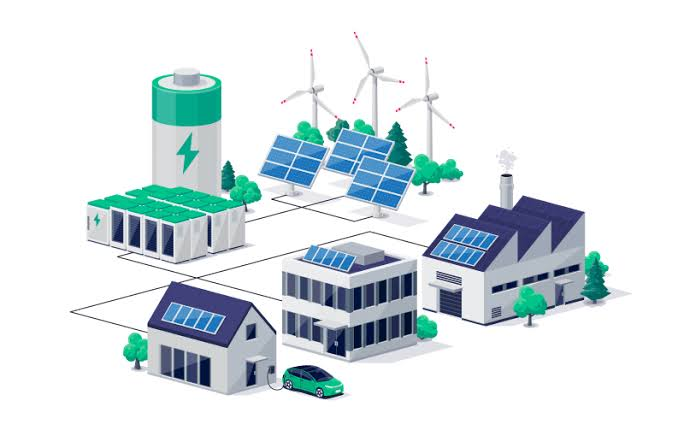
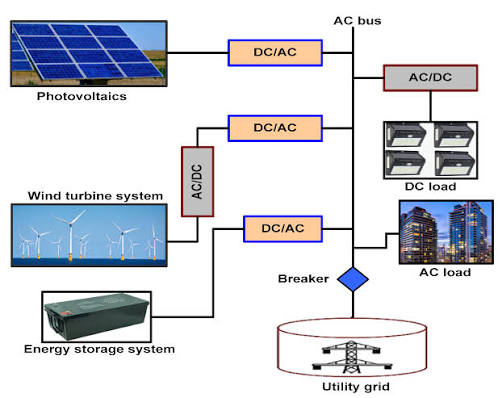
Microgrid energy solutions are among the most advanced industrial grid energy solutions available today because they combine multiple power sources into one intelligent energy network. A microgrid can integrate generators, solar panels, battery storage, and utility power while automatically managing electricity generation and distribution. This creates a smart and resilient power ecosystem for industrial facilities.
One of the biggest advantages of a microgrid is its ability to operate both with the utility grid and independently during outages. Intelligent control systems continuously monitor energy demand, prioritise available resources, and switch seamlessly between power sources to maintain uninterrupted operations.
Microgrids also improve energy efficiency by optimising the use of renewable energy and stored electricity while reducing dependence on conventional fuel sources. This flexibility helps businesses lower operating costs, strengthen energy security, and prepare for future expansion. For organisations seeking long-term reliability and smarter energy management, microgrids represent one of the most comprehensive industrial power solutions available.
How to Choose the Right Industrial Grid Energy Solution
Selecting the right industrial grid energy solutions begins with understanding your facility’s energy requirements. Factors such as total power demand, critical equipment, operating hours, and future expansion plans all influence the most suitable solution. This creates a strategic energy planning approach that supports long-term operational success.
Fuel availability, installation costs, maintenance requirements, and system scalability should also be carefully evaluated. Some businesses may only require dependable backup generators, while others benefit more from hybrid systems that combine renewable energy, battery storage, and intelligent controls.
Working with an experienced power solution provider is equally important. Proper system sizing, professional installation, and ongoing technical support ensure reliable performance while maximising efficiency and return on investment. By selecting a solution tailored to operational needs, businesses can build resilient energy infrastructure that supports continuous productivity and long-term growth.
Benefits of Hybrid Industrial Power Systems
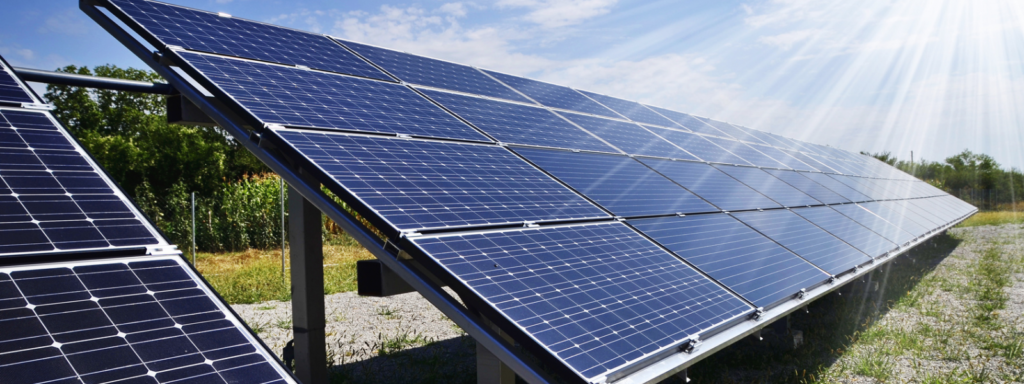
Hybrid power systems are becoming one of the most effective industrial grid energy solutions because they combine multiple energy sources into a single, intelligent power network. Instead of depending entirely on utility electricity or a standalone generator, hybrid systems integrate generators, renewable energy sources, battery storage, and advanced control technologies to deliver reliable and efficient electricity. This creates a high-efficiency energy management system for modern industrial facilities.
One of the biggest benefits is improved power reliability. If one energy source becomes unavailable due to a grid outage or changing weather conditions, another source automatically supplies electricity without disrupting operations. This seamless transition helps protect production lines, automated equipment, communication systems, and other critical infrastructure from costly downtime.
Hybrid systems also reduce operating costs by optimising how energy is generated and consumed. Intelligent controllers continuously monitor electricity demand and automatically select the most efficient combination of power sources. Renewable energy can reduce generator operating hours during the day, while battery storage supplies electricity during peak demand or temporary outages. This lowers fuel consumption, reduces maintenance requirements, and extends the lifespan of conventional generators. This creates a cost-efficient industrial energy strategy that supports long-term financial savings.
Another major advantage is environmental performance. By integrating renewable energy into daily operations, businesses can reduce fuel usage and lower carbon emissions without sacrificing reliability. Many organisations also benefit from improved compliance with sustainability goals and corporate environmental initiatives.
Hybrid systems are also highly scalable. As operational requirements increase, businesses can add more generators, battery storage units, or renewable energy capacity without replacing the existing infrastructure. This flexibility allows organisations to build future-ready energy systems that continue supporting production, expansion, and long-term business growth.
Future Trends in Industrial Grid Energy Solutions
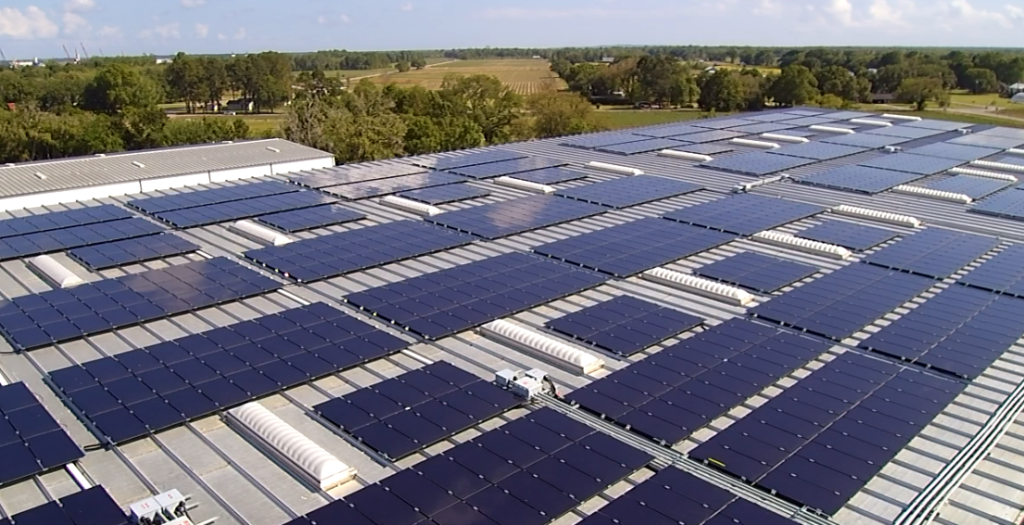
Industrial energy infrastructure is evolving rapidly as businesses seek smarter, more reliable, and more sustainable ways to generate electricity. Future industrial grid energy solutions will rely increasingly on digital technologies that improve efficiency, reduce operating costs, and strengthen energy resilience. This creates a future-focused industrial energy ecosystem capable of meeting growing power demands.
Artificial intelligence is expected to become a key part of industrial energy management. AI-powered control platforms can analyse energy consumption patterns, predict electricity demand, and automatically optimise the operation of generators, battery storage, and renewable energy systems. These intelligent systems help businesses reduce unnecessary energy consumption while improving operational performance.
Battery technology will also continue advancing, allowing industrial facilities to store larger amounts of electricity more efficiently. Improved Battery Energy Storage Systems (BESS) will support greater renewable energy integration while providing faster backup power during outages. Combined with intelligent monitoring platforms, these systems will help businesses improve power quality and maintain continuous operations.
Another important trend is the growing adoption of industrial microgrids. Businesses are increasingly moving toward localised energy systems that combine conventional generators, solar energy, battery storage, and advanced automation into one coordinated network. These microgrids improve energy independence, reduce dependence on utility providers, and strengthen business continuity during grid disruptions. This creates a resilient distributed energy strategy for future industrial operations.
As digital technologies, renewable energy, and automation continue to develop, industrial grid energy solutions will become more intelligent, scalable, and efficient. Organisations that invest in these advanced power systems today will be better positioned to meet future energy challenges while maintaining reliable, cost-effective, and sustainable operations.
Build Reliable Industrial Power Solutions with ALEO
Selecting the right industrial grid energy solutions is essential for businesses that depend on continuous, efficient, and reliable electricity. Whether the goal is emergency backup, lower operating costs, renewable energy integration, or long-term energy resilience, choosing the right combination of generators, battery storage, hybrid systems, or microgrids can significantly improve operational performance. This creates a future-ready energy strategy that supports business growth while minimising the risks associated with power interruptions.
At ALEO, we provide industrial power solutions engineered to meet the demands of commercial and industrial facilities. From reliable backup generators to advanced hybrid energy systems, our solutions are designed to deliver consistent performance, improve energy efficiency, and support uninterrupted operations across a wide range of applications.
Every ALEO system comes with UL certification from the USA, ensuring compliance with internationally recognised safety and quality standards. With direct shipment from the United States, on-site installation and debugging support, and a 1-year warranty, businesses receive dependable products backed by professional technical expertise.
Visit our website and connect with us to discover industrial power solutions designed for reliability, scalability, and long-term operational success.