Modern industries operate in an environment where continuous power availability directly influences productivity, safety, and operational profitability. From manufacturing plants and mining operations to commercial infrastructure and remote industrial sites, even short power interruptions can result in halted production, equipment stress, and significant financial losses. As energy demand grows worldwide, businesses are increasingly seeking dependable solutions that reduce reliance on unstable grid supply.
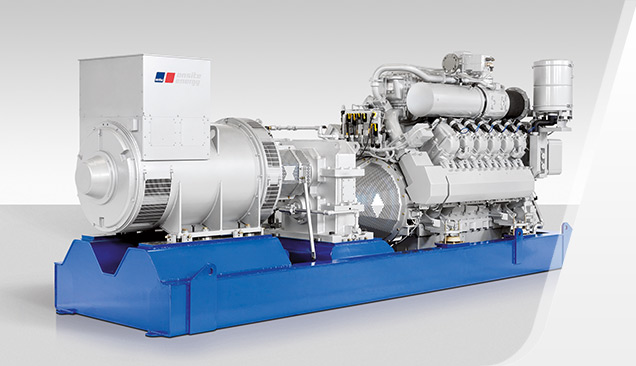
A gas generator set has emerged as a practical and efficient power solution for organizations that require stable electricity generation with improved fuel efficiency and cleaner operation compared to traditional alternatives. Unlike standalone generators, gas generator sets function as integrated systems designed for consistent industrial performance, combining an engine, alternator, control mechanisms, and safety systems into a unified power unit.
Understanding how these systems operate helps businesses make smarter energy planning decisions based on operational needs rather than emergency responses. Whether used as backup power during outages or as a primary energy source in remote locations, gas generator sets support operational continuity while aligning with modern efficiency and emission expectations. This guide explains their working principles, industrial purpose, safety considerations, and the key factors buyers should evaluate before selecting a system.
Understanding Gas Generator Sets and How They Work
Gas generator sets are engineered to deliver reliable electricity by converting fuel energy into usable electrical power through a coordinated mechanical and electrical process. Unlike basic generators, these systems are designed as complete operational units capable of supporting industrial environments where stable performance and automation are essential. Understanding how they function helps businesses evaluate whether a gas-powered solution aligns with their operational energy requirements.
Core Components of a Gas Generator Set
A gas generator set consists of several integrated parts working together to ensure stable power generation under varying load conditions. The gas engine acts as the primary driver, burning fuel to produce mechanical motion. This motion rotates the alternator, which converts mechanical energy into electrical output suitable for industrial equipment.
Supporting systems play an equally important role. The fuel delivery system regulates gas flow for efficient combustion, while the control panel manages monitoring, automation, and protection functions. Cooling and exhaust systems maintain operating temperatures and safely release combustion gases, ensuring long-term reliability during continuous operation.
How Gas Is Converted Into Electrical Energy
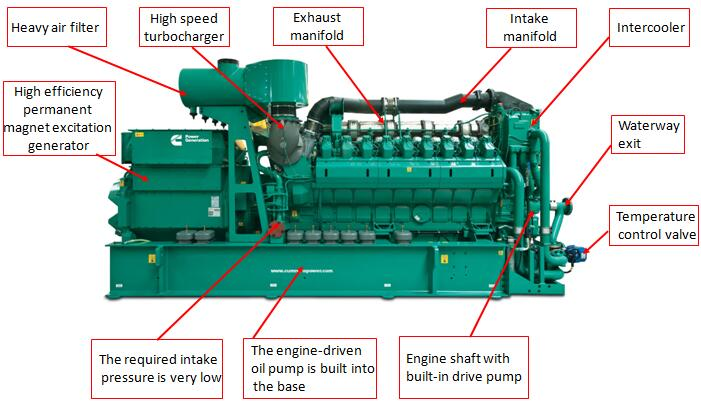
The electricity production process begins with controlled combustion inside the engine, creating rotational force that powers the alternator and enables mechanical-to-electrical conversion. As the rotor spins within a magnetic field, electrical current is generated and regulated to maintain consistent voltage and frequency levels.
Modern gas generator sets include intelligent controllers that automatically adjust fuel supply and engine speed based on load demand. This capability allows smooth performance during fluctuating industrial usage, making the system suitable for both standby backup and prime power applications.
Types of Gas Used in Generator Sets
Different fuel options provide flexibility depending on regional availability and operational priorities, allowing businesses to adopt fuel-flexible energy solutions. Natural gas is the most commonly used option due to its steady supply through pipeline infrastructure and relatively clean combustion characteristics.
Liquefied petroleum gas (LPG) is often selected where pipelines are unavailable, while biogas systems are increasingly used in sustainability-focused operations that convert organic waste into usable fuel. Industrial facilities may also utilize process gases generated onsite, improving efficiency by transforming byproducts into valuable energy resources.
What Is the Difference Between a Generator and a Generator Set?
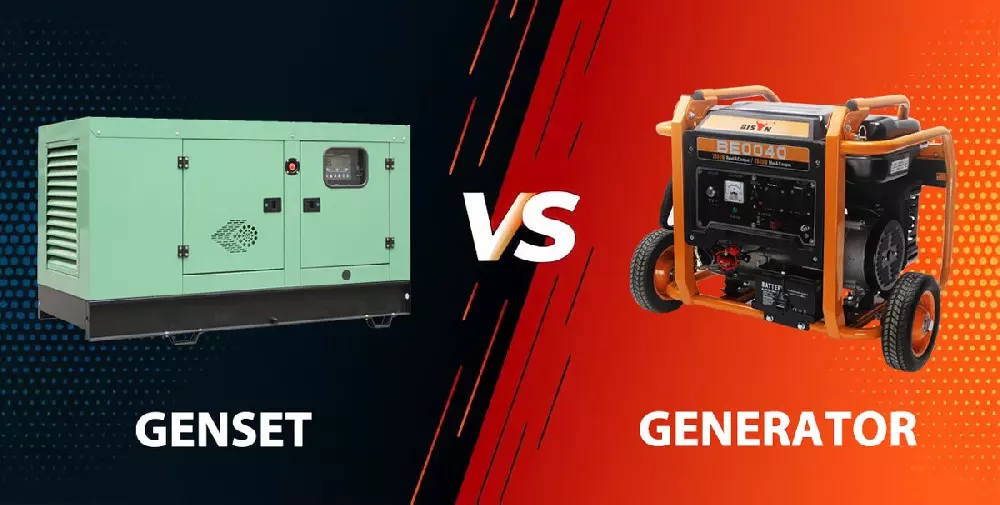
Although the terms are often used interchangeably, understanding the distinction between a generator and a generator set is important for making accurate equipment decisions in industrial environments. The difference lies not in electricity production itself, but in how complete and operationally ready the system is.
A generator typically refers only to the alternator component responsible for producing electrical energy. On its own, it cannot function without an external engine, fuel regulation, cooling, and control systems. Because of this limitation, standalone generators are rarely suitable for demanding industrial use where reliability and automation are required.
A generator set, commonly called a genset, combines the engine, alternator, fuel system, cooling mechanism, exhaust system, and control panel into a single integrated unit. This design creates a self-contained power system capable of immediate deployment and automated operation during outages or continuous production cycles.
Industrial users prefer generator sets because installation becomes simpler and operational risks are reduced. Built-in monitoring systems protect equipment from overload, overheating, and voltage instability, helping maintain consistent performance across varying workloads. Instead of assembling multiple components separately, businesses receive a ready-to-operate solution engineered for coordinated performance and long-term reliability.
Generator vs Generator Set Comparison
| Feature | Generator | Generator Set |
| System Scope | Alternator only | Complete integrated unit |
| Operational Readiness | Requires external systems | Ready for deployment |
| Automation | Limited | Advanced control systems |
| Industrial Suitability | Low | High |
| Reliability | Component dependent | Fully synchronized system |
What Does a Generator Set Mean in Industrial Applications?
In industrial environments, the term generator set refers to more than just electricity production; it represents a complete power reliability solution designed to support operations where downtime is not acceptable. A generator set combines mechanical and electrical systems into a unified platform capable of delivering controlled and consistent energy under demanding conditions.
For industries such as manufacturing, mining, construction, and logistics, a generator set often functions as either standby power during grid failures or prime power in locations where utility infrastructure is limited. This flexibility allows businesses to maintain operational continuity regardless of external energy disruptions. Unlike temporary backup devices, industrial generator sets are engineered for sustained workloads and long operating cycles.
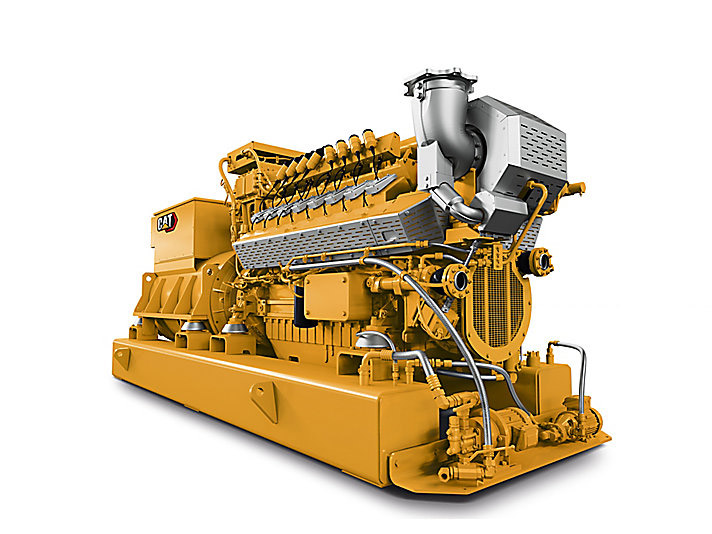
The meaning of a generator set also extends to energy independence. Companies can plan production schedules with greater confidence because power availability becomes internally controlled rather than dependent solely on public infrastructure. Modern systems include automation, monitoring, and protection features that help maintain operational power stability even during fluctuating load demands.
By integrating control systems and safety mechanisms into one coordinated unit, generator sets simplify installation and improve efficiency. This integrated approach makes them a practical solution for organizations seeking predictable performance, scalable power capacity, and long-term operational resilience.
The Purpose of a Generator Set in Modern Operations
The primary purpose of a generator set is to ensure uninterrupted power continuity across industrial and commercial operations. As businesses increasingly rely on automated equipment and digital systems, even brief power interruptions can disrupt workflows, damage sensitive machinery, and create costly production delays.
One of the most common roles of a generator set is to provide backup electricity during grid outages. When utility power fails, the system automatically activates and restores energy supply within seconds, allowing operations to continue without manual intervention. This capability is essential for facilities where shutdowns could compromise safety or productivity.
Generator sets also serve as primary power sources in remote or developing regions where grid access remains unreliable. Mining sites, infrastructure projects, and offshore facilities frequently depend on generator sets to maintain consistent operations. In these environments, dependable onsite generation becomes a necessity rather than a convenience.
Beyond emergency backup, generator sets support long-term energy planning by offering predictable performance and controlled energy management. Businesses benefit from improved planning flexibility and reduced operational risk, making generator sets a strategic energy investment rather than simply an emergency solution.
Core Advantages of Gas Generator Sets for Industrial Use
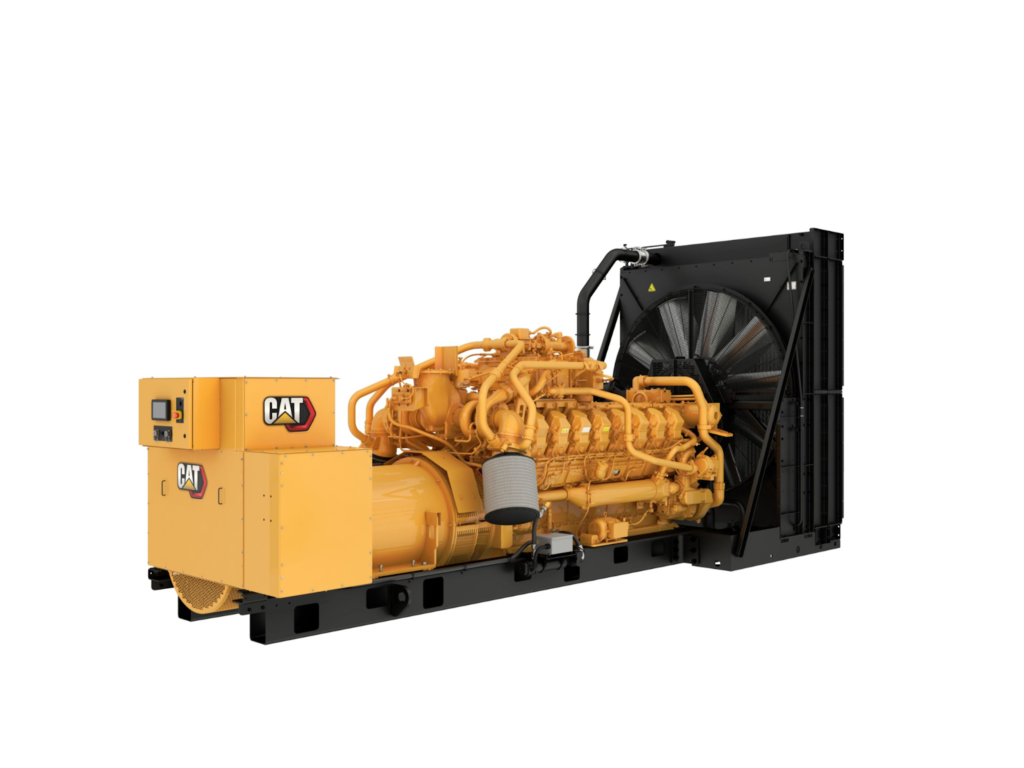
Gas generator sets have gained significant attention in industrial energy planning because they combine operational efficiency with dependable long-term performance. Businesses operating in manufacturing, mining, construction, and infrastructure development increasingly prefer gas-powered systems as they offer a practical balance between cost control, environmental responsibility, and consistent electricity generation. Unlike traditional backup-only equipment, gas generator sets are often designed to support continuous or prime power applications where reliability directly impacts productivity.
One of the key advantages lies in efficient fuel utilization, which allows organizations to operate for extended periods without excessive fuel consumption. Natural gas availability through pipeline networks eliminates many logistical challenges associated with liquid fuel transport and storage, reducing operational complexity while improving energy planning predictability. Stable fuel pricing also enables companies to forecast long-term operating costs more accurately, an important factor for industries managing tight production budgets.
Another major benefit is cleaner combustion performance. Gas generator sets typically produce fewer particulate emissions compared to conventional diesel systems, helping facilities comply with increasingly strict environmental regulations. This cleaner operation supports sustainability goals while maintaining the performance standards required in demanding industrial environments. Reduced engine deposits and smoother combustion also contribute to improved internal component health.
Additionally, gas generator sets are engineered for continuous operational reliability, making them suitable for facilities that cannot tolerate downtime. Stable engine operation minimizes vibration and thermal stress, which helps extend maintenance intervals and improve overall equipment lifespan. These advantages collectively position gas generator sets as a strategic power solution rather than simply an emergency backup option.
Do Generators Produce Carbon Monoxide? Safety and Emission Considerations
Generators that rely on fuel combustion, including gas generator sets, naturally produce carbon monoxide as part of the energy conversion process. Understanding this aspect is essential for industrial operators because carbon monoxide is a colorless and odorless gas that can pose serious safety risks if not properly managed. While gas-powered systems generally generate lower emission levels compared to some alternative fuels, safe operation still depends on proper system design and responsible installation practices.
Industrial generator installations are planned with comprehensive emission safety measures to ensure exhaust gases are safely discharged away from workspaces. Proper ventilation systems, exhaust routing, and outdoor placement strategies help prevent gas accumulation, particularly in facilities where generators operate for extended durations. Engineering considerations such as airflow management and safe clearance distances play a critical role in maintaining safe operating conditions.
Modern gas generator sets also incorporate advanced monitoring technologies that continuously track engine performance and emission behavior. Sensors detect abnormal combustion conditions or restricted exhaust flow, triggering alarms or automatic shutdown mechanisms when necessary. These built-in protections reduce human error and help maintain compliance with workplace safety regulations.
Routine maintenance further supports safe operation by ensuring combustion efficiency remains optimal and exhaust systems remain unobstructed. When installation guidelines and monitoring practices are followed correctly, businesses can achieve controlled emission management while benefiting from reliable and efficient power generation without compromising workforce safety.
Applications of Gas Generator Sets Across Industries
Gas generator sets are widely used across industries where reliable electricity is essential for maintaining productivity and operational stability. Their ability to deliver consistent power with efficient fuel consumption makes them suitable for both backup and continuous energy applications. Businesses operating in environments with fluctuating grid reliability often rely on these systems to maintain uninterrupted workflows and protect sensitive equipment from unexpected shutdowns, ensuring continuous industrial operations.
Manufacturing facilities frequently deploy gas generator sets to support automated production lines, ensuring machinery continues operating during outages without disrupting output schedules. In mining and resource extraction operations, generator sets provide dependable energy in remote locations where grid infrastructure may be unavailable or inconsistent. Construction projects also benefit from temporary installations that supply stable electricity throughout changing project phases, enabling reliable site power across demanding environments.
Commercial buildings, data centers, and logistics hubs increasingly integrate gas generator systems as part of broader energy resilience planning. These environments require dependable electricity to support digital infrastructure, climate control systems, and operational safety equipment. The adaptability of gas generator sets allows organizations to implement customized solutions aligned with operational scale, creating flexible energy deployment across diverse industrial sectors.
What Is the Life Expectancy of a Generator Set?
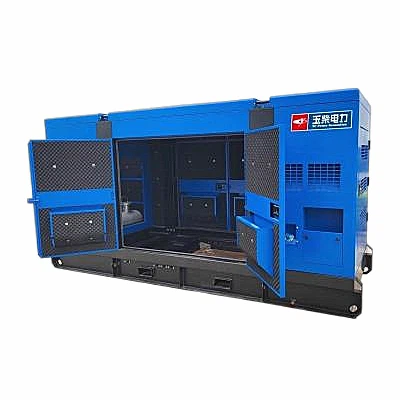
The life expectancy of a generator set depends largely on operating conditions, maintenance discipline, and how consistently the equipment runs within recommended limits. Industrial-grade gas generator sets are engineered for extended service life and can operate for tens of thousands of hours when properly managed. This durability makes them a valuable long-term asset supporting sustained power reliability in demanding environments.
Load management significantly influences equipment longevity because operating consistently at optimal capacity reduces mechanical stress on internal components. Overloading increases wear, while extremely low loads may cause inefficient combustion and carbon buildup. Maintaining balanced operating conditions contributes to stable engine performance and reduces the likelihood of premature failures.
Routine maintenance practices play a critical role in extending operational lifespan. Scheduled inspections, timely replacement of consumable components, and monitoring of cooling and fuel systems help maintain efficient operation. Facilities that follow preventive maintenance schedules typically experience fewer unexpected shutdowns, ensuring long-term operational continuity across industrial workflows.
Environmental factors and fuel quality also impact generator durability over time. Clean fuel supply, proper ventilation, and controlled installation environments reduce strain on mechanical systems and improve reliability. When these practices are followed consistently, organizations benefit from extended equipment service life while maintaining dependable power generation performance.
Buy Reliable Generator Sets for Industrial Energy Stability – Connect With ALEO Today!
Ensuring reliable power is crucial for any industrial operation, from mining sites to manufacturing plants and large-scale infrastructure projects. At ALEO, our gas generator sets are designed to provide efficient, uninterrupted electricity, protecting equipment and reducing the risk of costly downtime.
Each unit comes with UL certification from the USA, guaranteeing compliance with international safety and performance standards. Direct shipment from the USA ensures timely delivery, and our on-site debugging and installation service integrates the generator set smoothly into your operations.
Visit our website and connect with us today to secure generator sets backed by a 1-year warranty and flexible delivery of around 30 days. Trusted industrial power solutions from ALEO support continuous, reliable operations for modern energy demands.