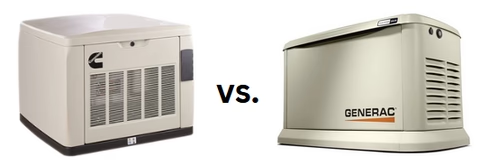
Choosing the right power solution is a critical decision for businesses, contractors, and property owners who depend on consistent electricity. When comparing leading brands in the industry, Generac and Cummins are often the two names buyers evaluate most closely. Both manufacturers are known for engineering expertise, durable equipment design, and dependable performance across residential, commercial, and industrial applications.
However, selecting between them requires more than brand recognition. Buyers must consider performance stability, fuel efficiency, maintenance requirements, scalability, and long-term operational costs. Understanding real-world performance factors helps ensure the selected equipment aligns with operational demands rather than marketing claims.
This guide provides a clear comparison to help decision-makers understand how each option performs under practical conditions. By examining technology, durability, application suitability, and support considerations, businesses can confidently decide whether Cummins generators or Generac models deliver better long-term value. So, read on:
Understanding Backup Power Needs Before Choosing a Brand
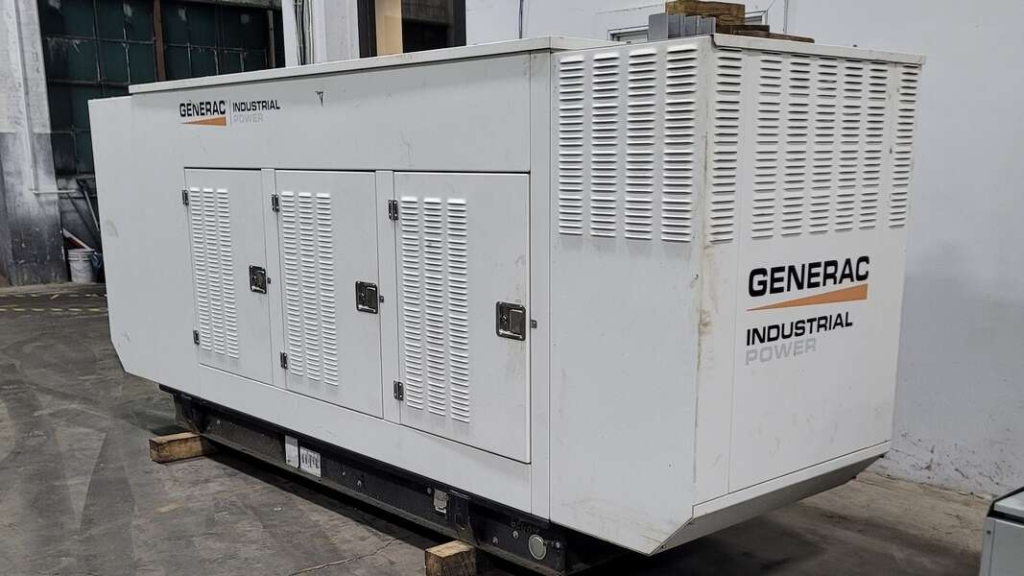
Selecting between leading power equipment manufacturers should begin with a clear evaluation of operational requirements rather than brand recognition alone. The right generator choice depends primarily on how and where backup power will be used, because residential comfort needs differ significantly from commercial continuity or industrial reliability demands. Where backup power will be used ultimately determines which features and performance standards matter most.
Backup power expectations vary widely across application types. Homes typically require systems that support essential appliances such as lighting, refrigeration, HVAC units, and communication devices during outages, while commercial facilities must maintain productivity and prevent financial disruption. Industrial environments operate under stricter reliability requirements where downtime can halt production entirely. Different power usage environments directly influence sizing, durability expectations, and system configuration decisions.
Power capacity planning forms the technical foundation of successful equipment selection. Buyers must evaluate total electrical load, starting wattage requirements, and potential future expansion instead of focusing only on present consumption levels. Oversized systems increase fuel costs, while undersized units risk overload and instability during peak demand. Accurate power capacity planning ensures consistent performance while maintaining operational efficiency over time.
Fuel type selection also plays a major role in long-term ownership experience. Diesel, natural gas, gasoline, and propane options each provide unique advantages depending on runtime expectations and fuel availability. Some environments prioritize extended operation capability, while others focus on cleaner energy operation or lower emissions. Choosing the right fuel type affects maintenance schedules, operating expenses, and long-term reliability outcomes.
Installation conditions must also be considered before comparing brands. Outdoor placement, ventilation clearance, local safety regulations, and climate exposure all influence operational safety and performance stability. Environmental factors such as temperature extremes or dust levels can significantly impact cooling efficiency and equipment lifespan. Installation environment considerations help prevent performance issues and ensure compliance with safety standards.
Finally, buyers should evaluate generator investments through a long-term ownership perspective rather than short-term pricing comparisons. Maintenance accessibility, spare parts availability, and service network strength often determine real value after installation. Long-term ownership planning allows organizations and homeowners to select solutions that remain dependable for years instead of only meeting immediate backup needs.
Brand Overview and Engineering Philosophy
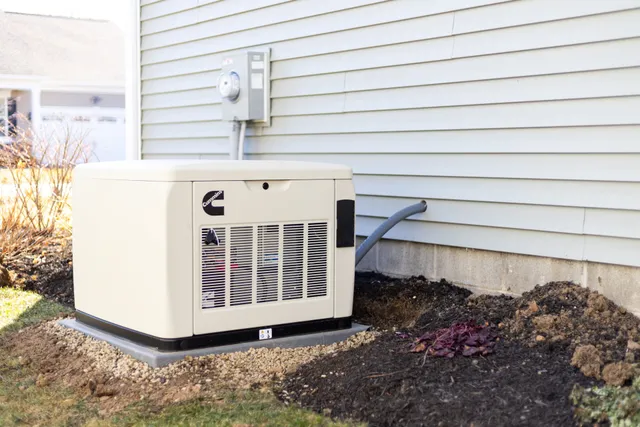
Before diving into specifications, it is important to understand the engineering philosophy behind each manufacturer. Generac focuses on residential and light commercial solutions, emphasizing user-friendly operation, simplified installation, and automated standby performance. Cummins, in contrast, builds on a heritage of industrial-grade engines and commercial power systems designed for high reliability and continuous operation. Engineering philosophy differences explain why these brands excel in different market segments.
- Generac Background and Market Position
Generac is widely recognized for residential popularity and US market dominance. Its systems are designed to be compact, automated, and easy to install, making them ideal for homeowners who require reliable backup without technical complexity. Many models include smart monitoring features, allowing users to manage standby power efficiently. Ease of installation and home standby focus make Generac a top choice for residential backup power where convenience and affordability matter most.
- Cummins Background and Industrial Expertise
Cummins generators leverage decades of engineering heritage in industrial and commercial applications. Their products are engineered for commercial and industrial reliability, capable of handling heavy-duty applications, extended runtimes, and fluctuating load demands. Cummins maintains a strong global infrastructure reputation, ensuring access to certified service and replacement parts worldwide. Cummins generators naturally excel in environments where continuous, mission-critical power is required, making them the preferred choice for large-scale operations and industries with zero tolerance for downtime.
Performance Comparison Between Generac and Cummins Systems
Evaluating performance involves more than just rated wattage; it requires assessing how generators operate under real-world conditions. Power output stability is critical, as fluctuations can damage sensitive electronics or disrupt business operations. Generac systems are designed for steady performance in residential and light commercial setups, while Cummins generators maintain consistent voltage and frequency even under heavy industrial loads. This stability makes Cummins units suitable for mission-critical environments requiring continuous, reliable power.
Load handling capability varies significantly between brands. Generac systems perform well under moderate residential loads but may struggle with frequent high-demand appliances running simultaneously. Cummins generators, in contrast, are engineered to manage sudden load surges efficiently, minimizing the risk of overload and ensuring uninterrupted operation for commercial and industrial applications. Reliable load management is especially important where equipment sensitivity or operational continuity is non-negotiable.
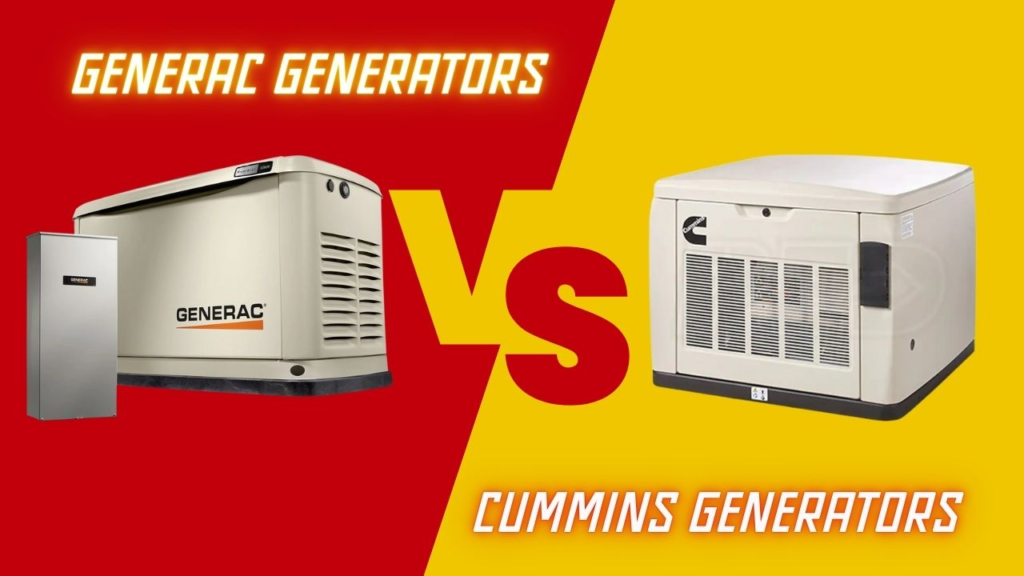
Runtime consistency is another factor that influences generator selection. Generac models are optimized for intermittent or short-term backup, providing adequate power for temporary outages. Cummins systems are built for extended continuous operation, offering longer runtimes without overheating or efficiency loss. Extended runtime reliability is a key advantage for industrial and critical commercial facilities where downtime can have severe consequences.
Noise levels and operational efficiency also differ. Generac systems tend to operate more quietly, which benefits residential neighborhoods or office settings. Cummins generators prioritize robust performance, which sometimes results in higher noise levels but comes with superior fuel efficiency and operational resilience. Operational noise vs efficiency balance should guide buyers based on the installation environment and tolerance for sound levels.
Fuel efficiency impacts both cost and environmental footprint. Generac equipment is designed for efficiency at moderate residential loads, while Cummins generators optimize consumption for continuous high-demand operation. Over extended periods, efficient fuel use can significantly reduce operational expenses, especially for industrial or commercial users. Fuel consumption optimization ensures that energy costs are controlled without sacrificing reliability.
Both continuous and standby operational capabilities must be considered. Generac excels in standby residential applications, whereas Cummins generators are engineered to provide reliable performance in both standby and continuous power modes. Versatility in operational modes becomes a deciding factor for buyers who need flexible backup power solutions across different scenarios.
| Feature | Generac | Cummins Generators |
| Power Output Stability | Moderate, suitable for home/office | High, industrial-grade stability |
| Load Handling | Moderate, intermittent loads | Strong, handles surge and heavy loads |
| Runtime Consistency | Short-term intermittent | Long-term continuous operation |
| Noise Levels | Low, quiet operation | Moderate to high, focus on durability |
| Fuel Efficiency | Optimized for light loads | Optimized for high-demand continuous use |
| Operational Mode | Standby focused | Standby + continuous capability |
Reliability, Maintenance, and Lifespan Expectations
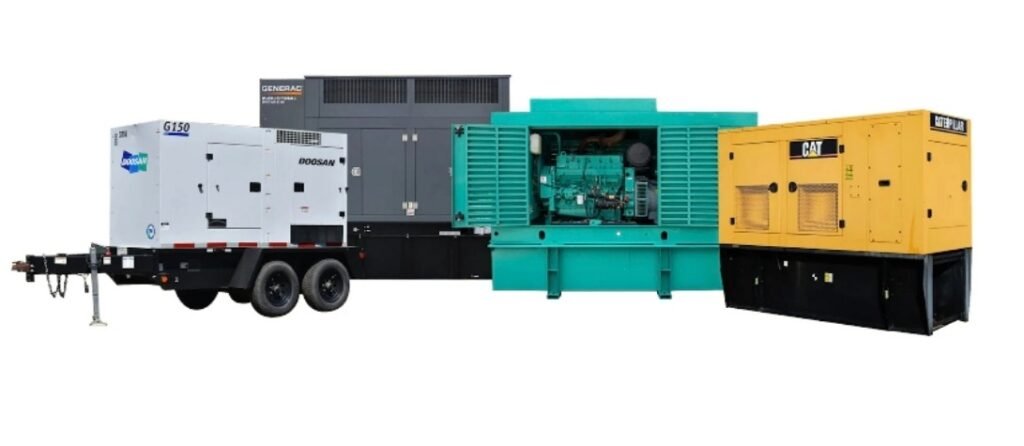
Reliability is a top priority when comparing Generac and Cummins generators. Build quality differences are evident: Generac focuses on residential durability, while Cummins generators are engineered for industrial-grade endurance, handling extended runtimes and heavy loads reliably.
Maintenance requirements vary by use. Generac is convenient for occasional residential outages, whereas Cummins requires regular professional inspections to maintain long-term performance. Consistent maintenance ensures longevity and prevents unexpected downtime.
Parts availability and service networks also matter. Generac has a strong US residential network, but Cummins generators offer global support and certified technicians. Long-term support is crucial for industrial or high-demand applications.
Installation, Technology, and Smart Features
Modern generators include technology for monitoring and control. Monitoring systems allow tracking of performance, fuel, and maintenance, reducing failures. Generac focuses on homeowner-friendly features, while Cummins generators provide industrial-grade monitoring for high-demand environments.
Automatic transfer switches improve reliability. Cummins pairs them with advanced load-sensing for smooth transitions, while Generac emphasizes simple, intuitive operation. Automatic transfer efficiency ensures seamless backup integration.
Remote monitoring and smart diagnostics are increasingly important. Cummins generators allow enterprise-level oversight and alerts, whereas Generac provides simpler mobile connectivity. Smart monitoring enhances reliability and reduces oversight needs.
Ease of installation differs: residential setups are plug-and-play, commercial sites require complex preparation. Installation integration remains key to operational convenience and performance.
Cost vs Long-Term Value Analysis
Initial cost is only part of the decision. Generac is affordable upfront, while Cummins generators provide long-term value through durability, efficiency, and heavy-duty reliability. Long-term value often outweighs initial savings.
Operating costs depend on fuel and maintenance. Generac suits intermittent loads, keeping costs low; Cummins maximizes efficiency for continuous, high-demand use. Operational cost efficiency matters for commercial or industrial settings.
Maintenance differs: Generac is simpler but less robust for heavy use; Cummins requires planned service but reduces unplanned downtime. Maintenance predictability ensures lower lifecycle costs.
Investing in premium engineering pays off for mission-critical applications. Cummins generators excel where uptime and reliability are non-negotiable. Engineered reliability secures performance and long-term operational savings.
Key Factors to Consider Before Making a Final Choice
Selecting the right generator requires careful evaluation of several critical factors. Power requirement matching ensures the system can handle all connected loads efficiently without overload or wasted capacity.
The installation environment plays a significant role in determining the right model. Factors like ventilation, space, noise restrictions, and fuel accessibility must be considered. Installation planning helps avoid costly modifications later.
Service availability and support networks are also essential. Access to certified technicians, replacement parts, and timely maintenance ensures long-term reliability. Balancing budget and reliability priorities while accounting for potential future expansion guarantees a choice that meets both current and future needs.
Is Cummins Generator Better Than Generac?
Choosing between brands depends on usage, load requirements, and operational expectations. Cummins generators are generally considered better for heavy-duty and industrial applications due to superior load handling, longer runtime, and robust construction. Generac excels in residential and light commercial setups where ease of use and installation are priorities.
Buyers should weigh convenience versus performance needs, understanding that Cummins provides industrial-grade reliability, while Generac focuses on user-friendly standby solutions. Selecting the right generator ultimately comes down to matching the system to actual operational demands rather than brand reputation alone.
What Is the Most Reliable Brand of Generator?
Reliability depends on engineering quality, maintenance infrastructure, and long-term performance history. Cummins generators are widely recognized as the most reliable for industrial and commercial use, thanks to durable engines, consistent power output, and global service support. Generac is reliable for residential purposes, but may not match industrial endurance standards. Choosing a brand with strong support networks, high-quality materials, and proven continuous performance ensures fewer breakdowns and a longer operational lifespan. Reliability is critical when uptime cannot be compromised, making Cummins a go-to choice for demanding environments.
What Home Generator Is Better Than Generac?
For homeowners seeking alternatives, several brands offer options that combine durability, efficiency, and smart features. Cummins generators provide models suitable for larger homes with higher energy demands, delivering industrial-grade reliability in a residential-friendly format. Other brands like Briggs & Stratton or Kohler also compete in terms of fuel efficiency and quieter operation. Evaluating total power requirements, installation ease, and long-term support is essential. Home generator alternatives offer options for users who want dependable backup beyond the standard Generac offerings.
What Are the Disadvantages of Generac Generators?
While Generac generators are popular for residential use, they have limitations. Intermittent runtime and lighter engine construction make them less suitable for continuous or industrial operation. Maintenance intervals may be longer, but parts for long-term heavy-duty use are less robust compared to Cummins generators. Some users report lower surge capacity and occasional voltage fluctuation under heavy load. Understanding these limitations helps buyers make informed decisions, especially if expecting high-demand applications or extended continuous operation. Generac excels in convenience but is not ideal for heavy-duty, commercial scenarios.
What Years of Cummins to Stay Away From?
Most Cummins models are highly reliable, but certain early or transitional production years may have design or component issues. Generally, Cummins generators manufactured before the mid-2000s can have outdated electronics or cooling limitations. It’s essential to review maintenance history, recall notices, and user reviews before purchase. Avoiding models with documented engine or alternator issues ensures better performance and reduces unexpected repair costs. Staying aware of production year differences guarantees buyers get the industrial-grade reliability that Cummins is known for without inheriting early-model limitations.
Choose Reliable Backup Power with Expert Support – Connect With ALEO Today!
Selecting the right generator is the foundation of any reliable power solution. At ALEO, we provide properly sized and feature-rich generators that deliver continuous, dependable power, protect equipment from damage, and minimize costly downtime.
With us, you get a unit with UL certification from the United States, ensuring compliance with international safety and performance standards and giving you confidence in your investment. Direct shipment from the United States guarantees your generator arrives promptly, while on-site debugging and installation integrate it seamlessly into your setup.
Visit our website and connect with us today to access generators with long-term support, including a 1-year warranty. Our flexible delivery options, typically around 30 days, make it easy to plan around project timelines without delaying operations.