Electricity today operates quietly in the background of almost everything we do, which is why most people only notice its importance when it suddenly disappears. Elevators stop between floors, office servers shut down mid-process, refrigeration systems begin warming, and smart homes instantly lose automation control. These disruptions highlight how deeply modern environments depend on continuous power availability, especially in facilities where even brief interruptions can create operational or financial consequences. Continuous power dependency has transformed backup electricity from an optional upgrade into a planned infrastructure requirement.
Many organizations and homeowners assume that occasional outages can be managed manually, but modern electrical systems are far more sensitive than before. Digital equipment, automated production systems, surveillance networks, and connected appliances require stable voltage and immediate restoration after power loss. Waiting several minutes to restart equipment can result in data corruption, safety risks, or costly downtime. This reality has driven demand for systems that respond automatically instead of relying on human action during emergencies. Instant power restoration capability is now a defining feature of reliable electrical design.
A standby power system addresses this challenge by remaining permanently connected to a building’s electrical network while continuously monitoring the incoming utility supply. When the voltage drops or the grid fails, the system automatically transfers the electrical load to a dedicated generator without requiring manual setup. The transition happens quickly enough that many operations continue with minimal interruption, allowing businesses and households to maintain stability during uncertain grid conditions. Unlike temporary backup solutions, these systems are engineered for long-term readiness and consistent performance. Automatic standby power operation ensures energy continuity when primary electricity sources become unavailable.
As energy infrastructure evolves, standby systems are also becoming smarter and more integrated with overall power management strategies. They now work alongside energy monitoring technologies, renewable sources, and advanced control panels to support efficiency as well as reliability. Understanding how standby power works, the different system types available, legal requirements in certain facilities, and which appliances impact standby energy usage helps users make informed decisions about backup planning. Modern backup power planning is no longer only about emergencies; it is about creating resilient electrical environments designed for uninterrupted living and working conditions.
Understanding A Standby Power System?
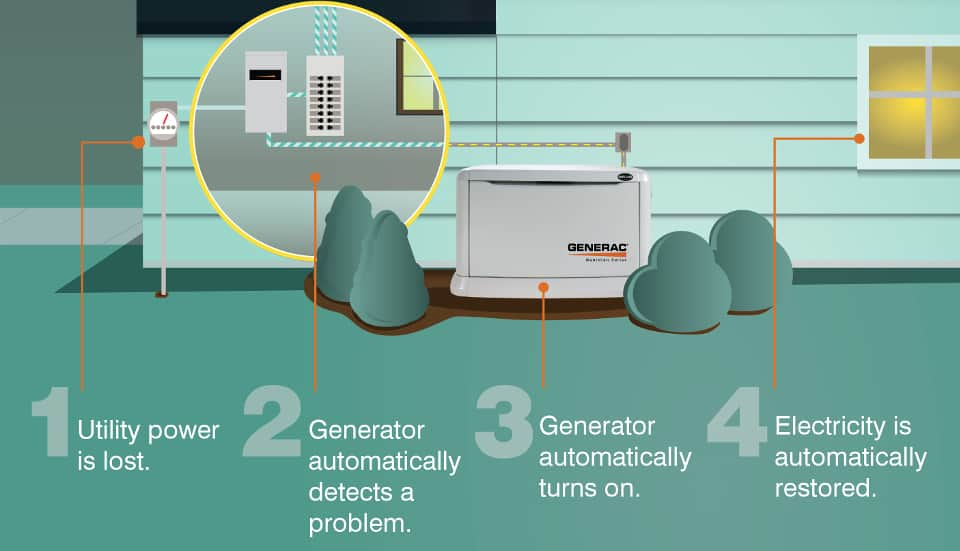
A standby power system is a permanently installed backup electrical solution designed to supply electricity automatically when the main utility power fails. Unlike temporary power arrangements, it remains connected to a building’s electrical infrastructure at all times and continuously monitors incoming electricity. When an interruption occurs, the system activates without human involvement, ensuring that essential equipment and daily operations continue running smoothly. Automatic backup power supply allows users to maintain normal activity even during unexpected grid failures.
The concept behind standby power is simple: instead of waiting for someone to manually start a generator, the system detects power loss instantly and responds within seconds. This automatic response makes standby systems especially valuable in environments where delays can cause safety risks, operational losses, or equipment damage. Modern standby setups combine generators, sensors, and intelligent switching technology to provide reliable energy whenever primary power becomes unavailable. Continuous emergency power readiness ensures that electricity is restored faster than manual solutions ever could.
One of the most common points of confusion is the difference between standby generators and portable generators. Portable units require manual setup, fuel handling, and physical connection to appliances, which limits their effectiveness during sudden outages. Standby systems, on the other hand, are permanently installed, automatically controlled, and capable of powering multiple circuits or entire facilities. They deliver stable voltage and consistent performance designed for long-term reliability rather than temporary convenience. Permanent standby generator systems provide a more dependable and hands-free backup solution.
Standby power systems are widely used across different sectors because electricity reliability directly impacts safety and productivity. Residential homes rely on them to maintain lighting, refrigeration, and climate control, while hospitals depend on uninterrupted power for life-support equipment and critical medical operations. Commercial buildings use standby systems to prevent business interruptions, and industrial facilities rely on them to protect machinery and maintain production continuity. Wide standby power applications demonstrate how essential backup electricity has become across modern infrastructure.
How Does Standby Power Work?
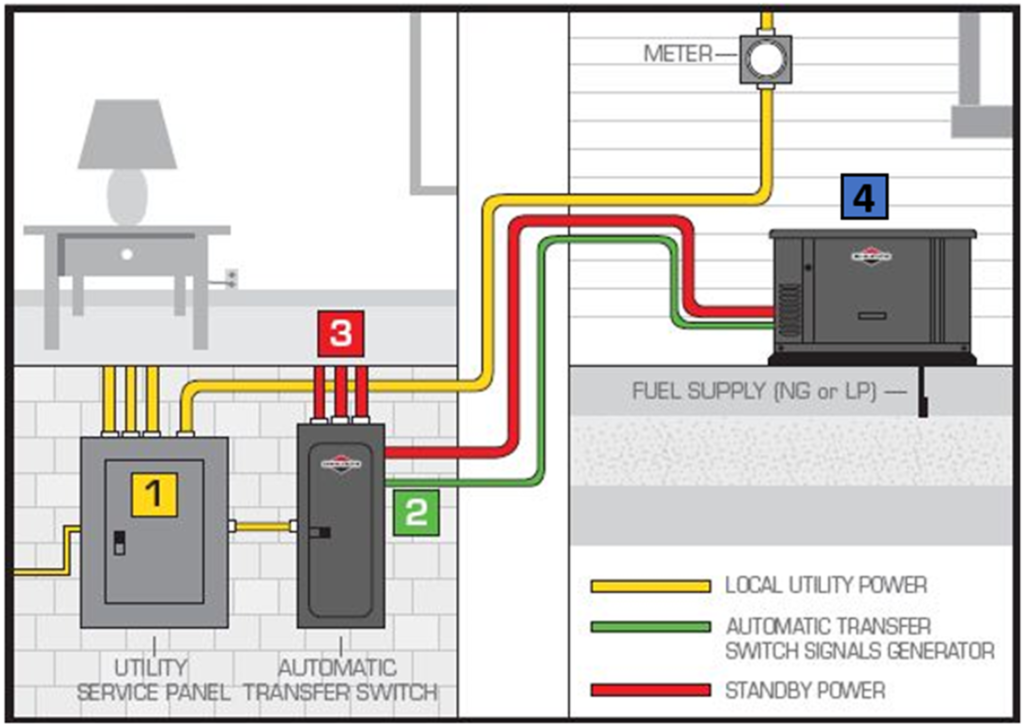
A standby power system operates through a coordinated sequence of automated processes designed to restore electricity with minimal interruption. The system continuously monitors voltage coming from the utility grid and remains in standby mode until an abnormal condition is detected.
This monitoring happens every second, allowing the system to respond immediately when power drops below safe operating levels. Real-time power monitoring technology enables rapid detection of electrical failures.
The most important component enabling automation is the automatic transfer switch (ATS). This device acts as the control center between the utility supply and the backup generator. When an outage occurs, the ATS disconnects the building from the grid to prevent electrical backfeed and signals the generator to start operating. This transition happens automatically, eliminating the need for manual switching or technical intervention during emergencies. Automatic transfer switch operation ensures safe and seamless power transition.
Once the signal is received, the generator startup sequence begins. The engine starts, reaches operational speed, and stabilizes voltage output before supplying electricity to connected loads. Modern standby generators are designed to complete this process quickly, often restoring usable power within seconds. This rapid activation prevents system shutdowns and protects sensitive electronics from sudden voltage fluctuations. Rapid generator startup sequence minimizes downtime and maintains operational continuity.
After stabilization, electrical loads are transferred from the utility source to the generator. Depending on system design, either essential circuits or the entire building receives backup electricity. Intelligent load management may prioritize critical systems first, ensuring efficient distribution during extended outages. This controlled transfer maintains stable energy delivery without overloading the generator. Controlled electrical load transfer allows efficient and safe backup operation.
When utility power returns, the system does not immediately switch back. Instead, it verifies stability to ensure the grid supply is reliable before reconnecting. The ATS then transfers loads back to utility power and safely shuts down the generator after a cooling cycle. This automated restoration protects equipment from repeated switching and maintains long-term system health. The automatic power restoration process guarantees a smooth transition back to the normal electricity supply.
Beyond convenience, standby systems significantly improve safety. Automation reduces human error, prevents dangerous wiring practices, and ensures consistent operation during stressful situations such as storms or infrastructure failures. Integrated sensors and protective controls monitor performance continuously, creating a dependable and secure backup environment. Advanced standby system automation enhances both operational reliability and electrical safety.
What Are the Three Types of Standby Power System?
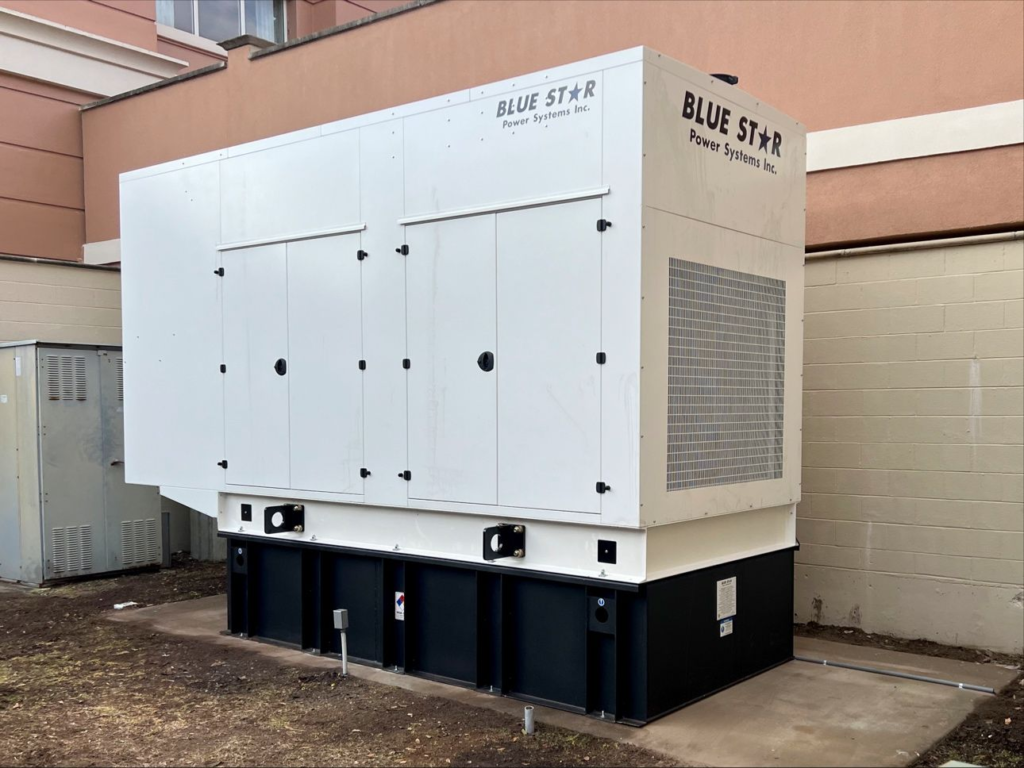
Standby systems are categorized based on their purpose and regulatory requirements rather than simply their size or generator capacity. Different facilities require different levels of backup reliability depending on safety risks and operational importance. Understanding these classifications helps users choose systems that meet both functional needs and compliance standards. Standby system classification structure defines how backup power is applied across industries.
Emergency Standby Systems
Emergency standby systems are designed to support life-safety equipment during electricity outages. These systems run critical loads such as emergency lighting, fire alarms, ventilation systems, elevators used for evacuation, and medical equipment necessary for patient survival. Because human safety depends on their operation, emergency standby systems must activate almost immediately after power loss. Life-safety emergency systems are essential in hospitals, high-rise buildings, and public facilities.
Regulations governing emergency systems are typically strict, requiring regular testing, dedicated circuits, and highly reliable equipment configurations. Hospitals, emergency response centers, and fire protection systems rely heavily on these setups to ensure uninterrupted operation during crises. The focus is not on convenience but on protecting lives and enabling safe evacuation or medical care. Critical emergency power reliability ensures safety functions remain operational under all conditions.
Legally Required Standby Systems
Legally required standby systems serve functions that are not directly life-saving but still essential for public safety and operational continuity. Building codes and electrical regulations mandate these systems in certain facilities to prevent hazards or major disruptions during outages. Examples include communication systems, smoke control equipment, sewage processing, and security infrastructure. Code-compliant standby systems help facilities meet regulatory standards while maintaining operational stability.
Unlike emergency systems, legally required standby setups may allow slightly longer startup times, but they still require dependable automation and routine maintenance. Their primary goal is to support infrastructure that protects occupants and maintains order during electrical interruptions. Compliance with electrical codes ensures buildings remain functional and safe even when grid reliability fluctuates. Regulatory standby power compliance plays a major role in modern commercial and institutional design.
Optional Standby Systems
Optional standby systems are installed primarily for comfort, productivity, or business continuity rather than legal obligation. Residential homes often use them to power HVAC systems, refrigeration, internet connectivity, and lighting during outages. Businesses may install optional systems to avoid downtime, protect data, or maintain customer service operations. Optional backup power solutions provide convenience and operational assurance during grid disruptions.
Although not legally required, optional standby systems are becoming increasingly common as energy dependence grows. Remote work environments, smart homes, and automated commercial operations rely heavily on consistent electricity availability. These systems allow users to maintain normal routines and avoid financial losses caused by unexpected power interruptions. Productivity-focused standby power systems demonstrate how backup electricity now supports everyday efficiency as much as emergency preparedness.
What Are the Worst Appliances to Leave on Standby?
Many electrical devices continue consuming energy even when they appear to be turned off, a phenomenon commonly known as standby power consumption. While individual devices may draw small amounts of electricity, the combined effect across homes and commercial spaces can significantly increase energy usage and place unnecessary load on backup systems during outages. Hidden standby energy consumption often goes unnoticed until energy costs or backup limitations become apparent.
Entertainment electronics are among the biggest contributors to standby power waste. Televisions, gaming consoles, streaming devices, and sound systems frequently remain in sleep mode to allow instant startup, but they continuously draw electricity in the background. During generator operation, these non-essential loads can reduce available capacity for more important equipment. High standby entertainment loads can silently impact overall power efficiency.
Office equipment also contributes heavily to standby energy usage. Printers, desktop computers, monitors, and networking devices often remain partially active even outside working hours. In commercial environments, dozens of devices left on standby can collectively consume substantial power, increasing operational costs and reducing backup runtime during outages. Commercial standby power waste becomes especially noticeable when running on generator support.
Kitchen appliances and chargers are another common source of unnecessary consumption. Microwave displays, coffee machines, battery chargers, and smart appliances remain connected continuously, drawing small but constant electricity. Disconnecting or using smart power strips helps reduce energy demand and allows standby systems to prioritize essential circuits during emergencies. Efficient standby load management improves generator performance and energy conservation.
What Is the Most Dependable Whole House Generator?
The most dependable whole-house generator is one that delivers consistent power, starts automatically during outages, and operates reliably for extended periods without frequent intervention. Dependability depends on stable performance, proper sizing, and seamless integration with the home’s electrical system rather than generator size alone. Whole-house power reliability remains the key factor when selecting a standby solution.
Natural gas and diesel generators are commonly considered the most reliable options for residential backup power. Natural gas systems benefit from continuous fuel supply, while diesel generators offer durability and strong performance for higher electrical loads. The best choice depends on fuel availability, energy demand, and runtime expectations. Reliable generator fuel options help ensure uninterrupted household electricity.
Automation and regular maintenance also play an essential role in long-term dependability. Systems equipped with automatic transfer switches and monitoring controls operate smoothly during outages, while scheduled servicing keeps equipment ready for emergencies. Proper standby system maintenance ensures consistent performance when backup power is needed most.
Choosing the Right Standby Power Solution
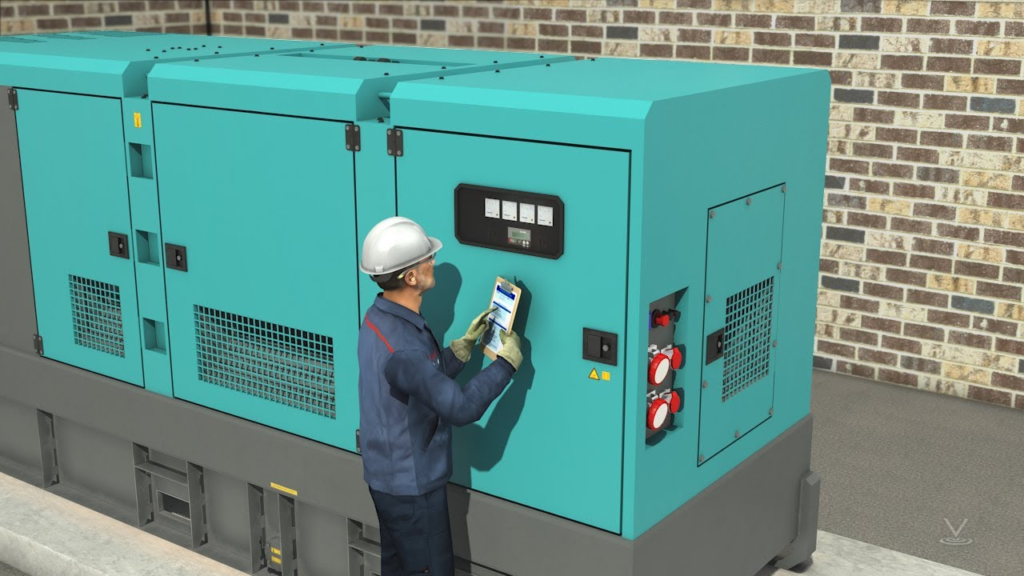
Choosing the right standby power system starts with understanding which equipment must remain operational during outages. Instead of selecting oversized equipment, users should identify essential loads and match system capacity accordingly. Homes often prioritize comfort systems, while commercial facilities focus on operational continuity and safety functions. Practical power requirement planning helps ensure efficient and reliable backup performance.
Correct power sizing prevents overload issues and unnecessary fuel consumption. Evaluating running loads, startup demand, and potential future expansion allows systems to operate efficiently during extended outages. Professional load analysis helps balance reliability with cost efficiency. Accurate standby system sizing improves long-term performance and operational stability.
Fuel choice also influences reliability and maintenance needs. Natural gas generators provide a convenient, continuous fuel supply, while diesel systems offer durability and strong performance for higher-demand applications. Selecting the right fuel depends on location, runtime expectations, and operational priorities. Optimized generator fuel selection supports dependable backup operation.
Get Standby Power Systems That Matter – Connect With ALEO Today!
At ALEO, all standby generators come with UL certification from the United States, guaranteeing quality and compliance with international safety standards. We offer direct shipment from the United States to ensure you get authentic, high-performance units without delays, and our expert team handles on-site debugging and installation for a seamless setup experience.
Every system includes a 1-year warranty and flexible delivery options, typically within 30 days, so you can start protecting your home or facility quickly.
Visit our website and connect with us to start investing in a professionally installed standby power system and ensure you’re prepared for unexpected outages while relying on tested, dependable equipment.