Mining operations cannot afford power interruptions because even short outages can halt production, damage equipment, and create serious financial losses. Heavy machinery, processing plants, ventilation systems, and safety infrastructure all depend on continuous electricity, making uninterrupted industrial power one of the most critical requirements in modern mining. When energy supply becomes unstable, productivity slows, operational risks increase, and project timelines quickly fall behind schedule.
One of the biggest challenges mining companies face is securing reliable off-grid energy in remote locations. Mines are rarely built near developed cities or electrical infrastructure. Instead, they operate in deserts, mountains, and isolated regions where grid connections are either weak or completely unavailable. Extending national power networks to these areas is often too expensive and time-consuming, forcing operators to depend on independent power generation systems from the very beginning of a project.
Energy costs also represent a major share of mining expenditure, placing pressure on companies to maintain efficiency while ensuring reliability. Fuel transportation, maintenance logistics, and equipment durability all influence overall profitability, creating a constant need for cost-efficient energy planning that supports long term operations without interruptions.
Although renewable energy receives significant global attention, the reality of mining power generation tells a different story. Harsh environments, fluctuating energy demand, and round-the-clock operations require solutions that are proven and dependable. Today, nearly 80 percent of mining power generation worldwide still relies on diesel-based systems capable of delivering high-output electricity under extreme industrial conditions.
This article explores what powers modern mining operations, why diesel continues to dominate global mining energy supply, how mining power systems function, and what future technologies are emerging as the industry moves toward more efficient and sustainable energy strategies while maintaining operational reliability.
What Powers Most Mining Operations Today?
The majority of mining operations around the world depend on diesel-powered generator systems as their main electricity source. Mines are typically established where mineral resources exist rather than where infrastructure is available, making diesel-based power generation the most practical solution for immediate and reliable energy supply. These generators function as the primary power source, supporting daily operations instead of acting as emergency backup systems.
Diesel generators are widely used because they provide high output energy reliability in environments where grid connections are either unstable or completely absent. Mining equipment, such as crushers, conveyors, drilling rigs, and ventilation systems, requires consistent electricity that can handle sudden load changes. Prime power generator configurations allow mines to operate continuously while adapting to fluctuating energy demands throughout production cycles.
Another important factor is deployment speed. Mining projects often operate on strict timelines, and companies need power solutions that can be installed quickly without waiting for infrastructure development. Diesel generator fleets offer rapid power deployment capability, allowing operations to begin soon after site preparation.
These systems also support operational scalability. As mining activities expand, additional generators can be integrated into existing setups, providing flexible energy expansion without redesigning the entire power network. This adaptability makes diesel generators the most dependable and widely adopted energy solution across global mining operations today.
Why Diesel Provides 80% of Mining Power Generation
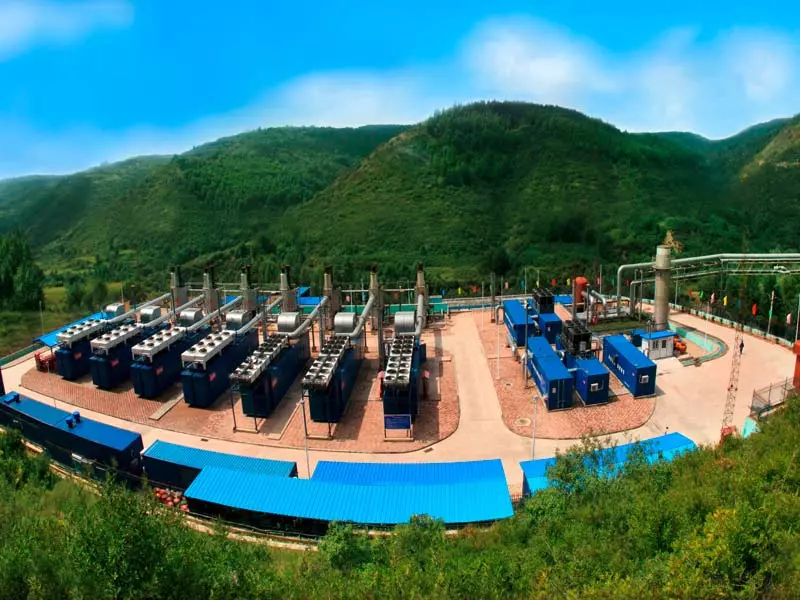
Diesel continues to dominate mining power generation because it solves several practical challenges that alternative energy sources still struggle to address. Mining sites are frequently located far from cities, ports, or electrical infrastructure, creating a strong need for independent energy accessibility that does not rely on permanent grid connections.
One major advantage of diesel fuel is its high energy density, meaning large amounts of power can be generated from relatively compact fuel storage. This allows mining companies to maintain efficient fuel transportation logistics, especially in remote areas where supply deliveries may occur only periodically. Fuel can be transported by trucks and stored safely on site for extended use.
Diesel generators also offer exceptional operational flexibility. Mining energy demand changes constantly depending on drilling intensity, processing activity, and equipment usage. Diesel systems easily adjust output levels, providing dynamic load handling capability without compromising performance or equipment safety.
Reliability under harsh conditions further strengthens diesel’s dominance. Mines often operate in extreme temperatures, dusty environments, and high altitude locations where sensitive energy systems may struggle. Diesel generators are engineered for rugged industrial performance, allowing continuous operation even under challenging environmental conditions.
Additionally, diesel technology is well understood globally, with established maintenance expertise and spare parts availability. This creates predictable operational reliability, reducing downtime risks and ensuring mining companies can maintain consistent production schedules.
Global Mining Power Generation Overview
Mining energy systems vary depending on location, operational scale, and infrastructure availability. The following overview shows how different power sources compare in real mining environments and why diesel remains dominant due to practical operational advantages.
| Energy Source | Adoption Level in Mining | Reliability | Infrastructure Requirement | Suitability for Remote Mines |
| Diesel Generators | Very High (≈80%) | Excellent | Low | Highly Suitable |
| Grid Electricity | Limited | High (where available) | Very High | Rarely Available |
| Solar Power | Growing | Variable | Medium | Supplementary Use |
| Wind Energy | Limited Adoption | Variable | High | Location Dependent |
| Hybrid Systems | Increasing | High | Medium | Strong Future Potential |
This comparison highlights how mining companies prioritize energy reliability and deployment speed over purely environmental considerations. While renewable technologies are expanding, diesel generators continue to provide consistent performance in demanding industrial conditions where uninterrupted electricity is essential.
How Mining Power Generation Systems Work
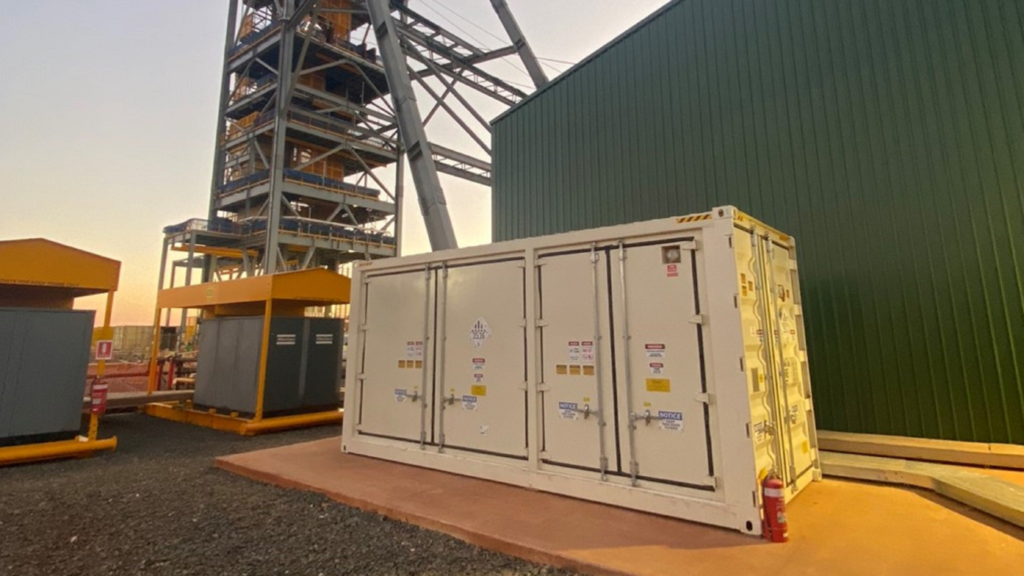
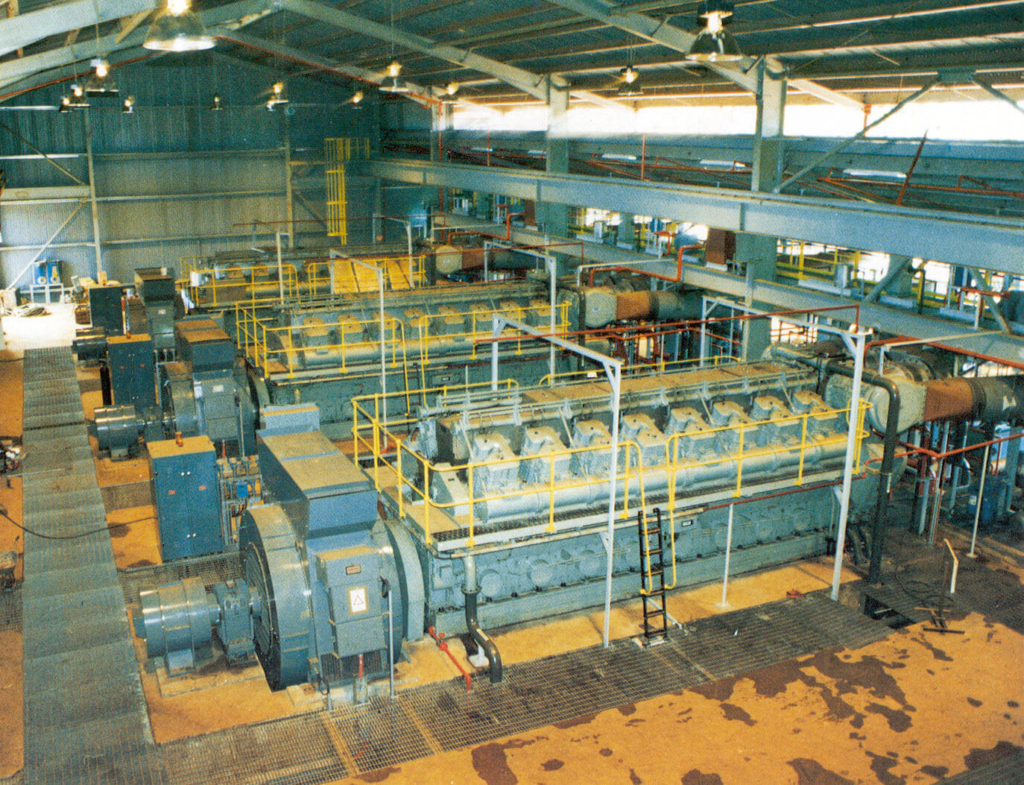
Mining power systems are designed to deliver stable electricity across large and energy-intensive sites. Instead of relying on a single generator, most operations use coordinated generator fleets that distribute power efficiently. These setups create a centralized power management system capable of supporting multiple operational zones simultaneously.
At the core of the system are prime power generators that operate continuously to produce electricity. Multiple units are often connected in parallel to balance load demand and provide redundancy. This configuration enables load sharing efficiency, ensuring no single generator becomes overloaded while maintaining stable voltage output across the site.
Electricity generated by these units is transferred through distribution panels and substations that route energy to different mining processes. Crushing plants, processing facilities, lighting systems, and worker accommodations all receive controlled electricity through structured power distribution networks designed for safety and reliability.
Fuel management plays a critical role in maintaining uninterrupted operations. Mines establish storage tanks and monitoring systems that track consumption rates and schedule refueling efficiently. Effective planning ensures continuous fuel availability, preventing shutdowns caused by supply interruptions.
Modern mining power systems also incorporate digital control platforms that monitor performance in real time. Operators can track temperature, load levels, fuel usage, and system health through automated dashboards, enabling intelligent operational monitoring and early detection of potential issues before they affect production.
Types of Generators Used in Mining Operations
Mining environments require different generator types depending on operational roles, load demands, and reliability requirements. Instead of relying on a single system, many mining sites combine multiple generator categories to create a balanced and dependable energy setup. Understanding these options helps explain how integrated mining power systems maintain continuous electricity across large industrial sites.
| Generator Type | Role in Mining | Advantages | Typical Use Case |
| Prime Power Generator | Main electricity source | Handles variable loads | Remote mining operations |
| Standby Generator | Emergency backup | Quick startup during failure | Safety systems and backup supply |
| Continuous Generator | Fixed load supply | High efficiency at constant load | Processing plants with stable demand |
| Hybrid Generator Systems | Combined energy solutions | Fuel savings and emission reduction | Mines integrating renewables |
Prime power generators serve as the backbone of most mining operations because they support daily electricity production. Their ability to manage fluctuating demand provides operational load flexibility, which is essential when heavy equipment starts or stops frequently during extraction processes.
Standby generators play a supporting role by activating only during unexpected failures. These units ensure emergency power continuity, protecting safety systems, communication equipment, and essential infrastructure if primary generators require maintenance.
Continuous generators are used where energy demand remains steady, such as mineral processing facilities operating at fixed capacity. Their design focuses on constant output efficiency, making them suitable for predictable workloads rather than variable mining activities.
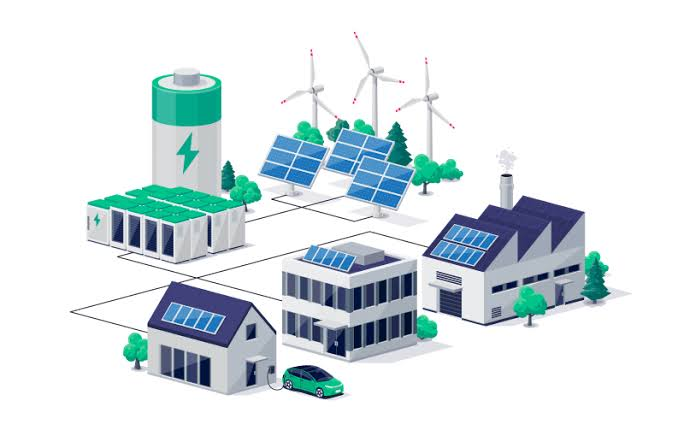
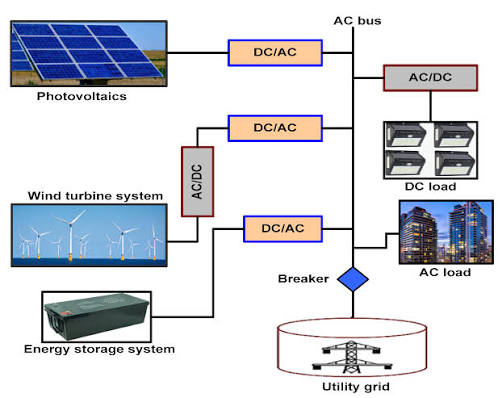
Hybrid generator systems are becoming increasingly common as mines explore renewable integration. By combining diesel generators with solar or battery storage, companies achieve improved energy optimization while maintaining reliability through traditional power sources.
Key Energy Challenges Faced by Mining Companies
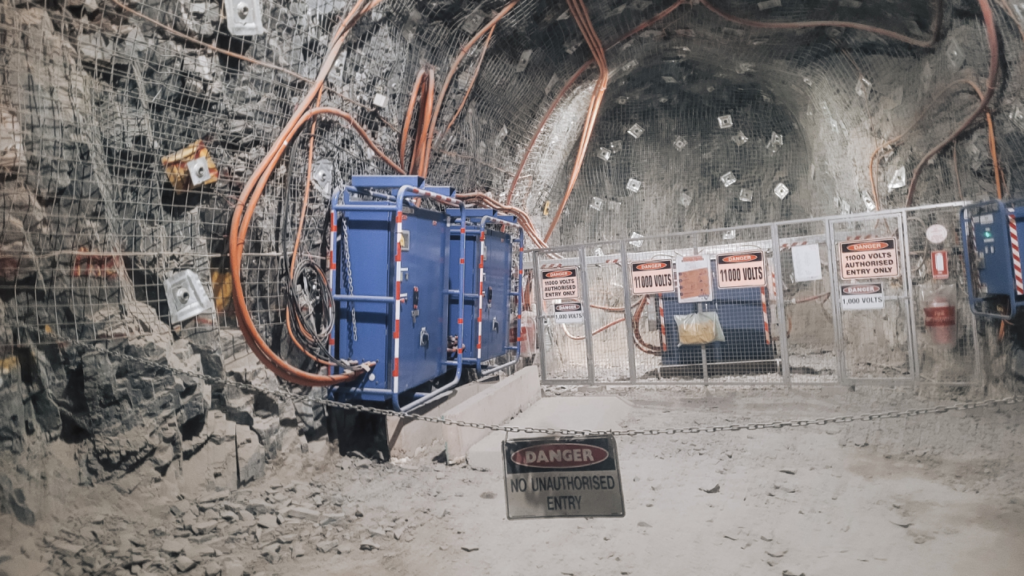
Providing reliable power in mining environments involves complex logistical and operational challenges. Because most mining projects operate far from developed infrastructure, companies must design energy systems capable of handling demanding conditions while controlling costs. One of the biggest issues is managing remote fuel supply logistics, where transportation delays can directly affect operational continuity.
Fuel costs represent a significant portion of mining expenses, making efficiency a constant concern. Fluctuating global fuel prices create uncertainty, forcing companies to focus on energy cost management strategies that balance performance with operational budgets. Inefficient power systems can quickly increase overall production costs.
Environmental regulations are another growing challenge. Governments and international organizations are introducing stricter emission standards, pushing mining companies toward cleaner technologies while maintaining productivity. This creates pressure for sustainable power transition, even though renewable alternatives may not yet fully replace diesel reliability.
Extreme environmental conditions further complicate energy generation. Mines often operate in deserts, arctic regions, or high altitude locations where equipment must withstand heat, dust, moisture, or freezing temperatures. Maintaining generators under these circumstances requires high-durability energy systems designed for continuous industrial use.
Maintenance accessibility also presents difficulties, as technical teams and spare parts may be located far from mining sites. Any equipment failure can lead to extended downtime, making preventive maintenance planning essential for uninterrupted production and worker safety.
Emerging Alternatives to Diesel Power in Mining
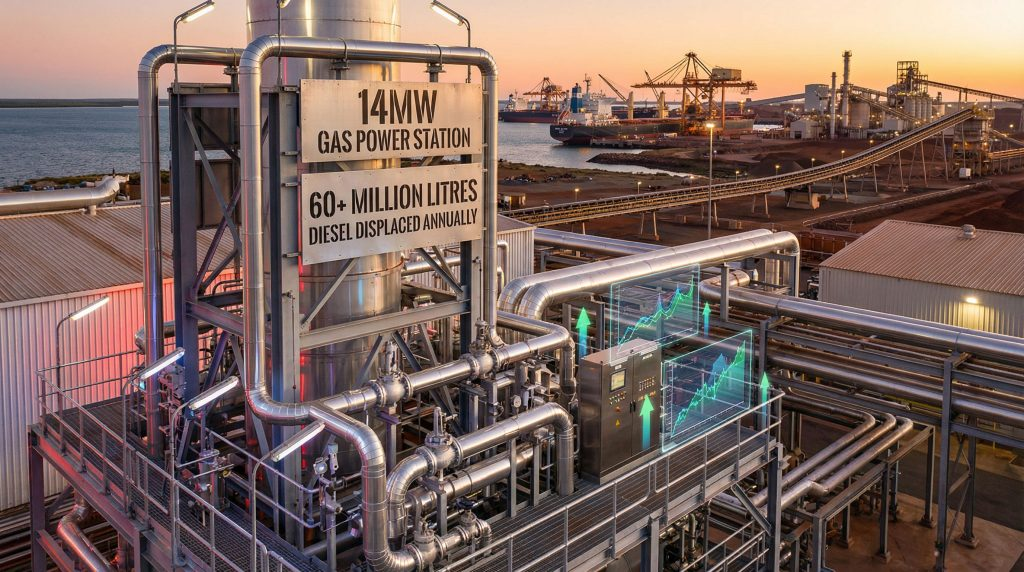
As sustainability becomes a growing priority, mining companies are actively exploring alternative energy solutions to reduce emissions and operating costs. However, replacing diesel entirely remains difficult because mines still require dependable systems capable of delivering high output power under demanding conditions. Instead of full replacement, the industry is moving toward hybrid energy adoption that combines traditional generators with newer technologies.
Solar power integration is one of the most common developments in mining energy systems. Large mining sites often have open land suitable for solar installations, allowing companies to supplement daytime electricity needs. These systems help reduce fuel consumption while maintaining diesel-backed reliability, ensuring operations continue when sunlight availability changes.
Battery energy storage systems are also gaining popularity. Batteries store excess energy generated during low-demand periods and release it when consumption increases. This creates improved load balancing efficiency, reducing generator strain and optimizing fuel usage without compromising power stability.
Natural gas generators are being tested in regions where gas infrastructure exists. Compared to diesel, gas systems produce lower emissions and offer cleaner combustion, supporting reduced environmental impact while maintaining industrial-level performance.
Hydrogen-powered solutions remain in early pilot stages but show long-term potential for mining energy transformation. While infrastructure challenges currently limit adoption, research into hydrogen reflects industry interest in future clean energy pathways.
Despite these advancements, diesel generators continue to serve as the core energy source because alternatives still depend on them for reliability during variable operating conditions.
Benefits of Diesel-Based Prime Power in Mining
The following are the key benefits of diesel-based prime power systems in mining operations:
- High reliability that ensures a continuous electricity supply in remote and demanding environments
- Strong power output capable of supporting heavy industrial machinery and processing equipment
- Operational flexibility that adapts to changing load demands throughout mining cycles
- Rapid deployment, allowing mines to begin operations without waiting for grid infrastructure
- Scalability that enables easy expansion as mining production increases
- Proven performance supported by globally available maintenance expertise and spare parts
- Durable construction designed for harsh climates, dust exposure, and extreme temperatures
- Predictable operation that helps maintain stable production schedules and safety standards
These advantages make diesel prime power systems a dependable solution for maintaining consistent mining productivity even in challenging operational conditions.
Future Trends in Mining Power Generation
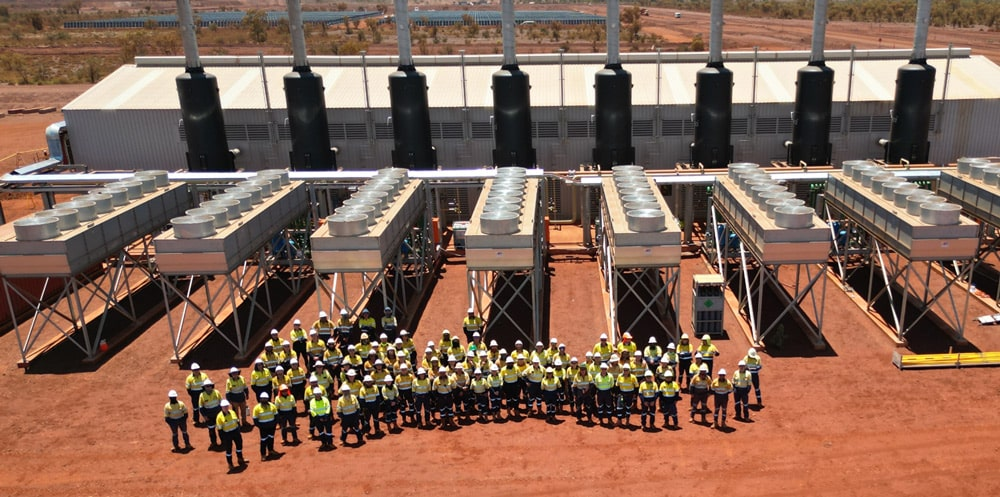
Mining power generation is evolving toward smarter and more efficient systems rather than the immediate replacement of existing technologies. The industry is increasingly adopting hybrid approaches that combine diesel reliability with renewable efficiency. This shift represents a gradual transition toward balanced energy transformation rather than a sudden change.
One major trend is the integration of smart monitoring platforms that allow operators to track generator performance remotely. Real-time analytics improve maintenance planning and reduce unexpected failures, enabling data-driven energy management across multiple mining sites.
Engine manufacturers are also improving fuel efficiency through advanced combustion technologies and emission control systems. These innovations support lower environmental impact operations while maintaining the power density required for industrial applications.
Remote fleet management systems are becoming standard for large mining companies operating across different regions. Centralized monitoring allows energy teams to supervise multiple generator installations simultaneously, improving efficiency through centralized operational oversight.
Overall, the future of mining power lies in combining reliability with sustainability, ensuring energy systems remain both practical and environmentally responsible.
Get The Right Generators To Dominate Mining Power – Connect With ALEO Today
Diesel generators remain the backbone of global mining power because they deliver consistent and reliable energy in remote environments where uninterrupted operation is critical. Their ability to handle heavy loads, operate continuously, and perform under harsh conditions makes them the most practical solution for modern mining projects.
If your mining operations require a dependable and efficient power system, now is the time to invest in a solution designed for long term performance with ALEO. Our generators come with UL certification and direct shipment from the United States, professional on-site debugging and installation, a 1 year warranty, and flexible delivery timelines of around 30 days. Visit our website and connect with our team today to discuss your requirements and secure a power solution built to keep your operations running without interruption.