Generator systems are installed to prevent downtime, yet many facilities still discover problems only after performance begins to decline or a failure has already occurred. Routine inspections and manual checks can no longer keep pace with modern operational demands, especially when generators support critical infrastructure across multiple locations. Hidden failures often develop silently, turning backup systems into unexpected points of vulnerability instead of reliable safeguards.
As facilities become more dependent on continuous power, expectations around generator reliability have changed. Operators are no longer satisfied with knowing whether a genset is running; they need visibility into fuel consumption, load behavior, battery health, and early warning signs of mechanical stress. Without real-time information, small inefficiencies gradually grow into expensive repairs or sudden shutdowns. Operational visibility has therefore become essential for maintaining confidence in backup power performance.
At the same time, workforce limitations and geographically distributed operations make constant physical monitoring impractical. Facilities managers are expected to oversee multiple assets while minimizing maintenance costs and response time. Remote monitoring systems address this challenge by allowing operators to track generator performance from anywhere through connected dashboards and automated alerts. Remote intelligence transforms generator management from reactive troubleshooting into proactive performance control.
This guide explores how remote monitoring systems for gensets work, the components that make them effective, and much more. So, read on:
Why Traditional Generator Monitoring Is No Longer Enough?
For many years, generator monitoring relied heavily on periodic inspections and manual record keeping. Technicians would check fuel levels, operating hours, and visible performance indicators during scheduled visits, assuming systems would function correctly between inspections.
While this approach worked when operational demands were lower, modern facilities now require continuous oversight rather than occasional verification. Manual monitoring creates gaps, allowing developing issues to go unnoticed until they escalate into failures.
One of the biggest limitations of traditional monitoring is delayed fault detection. Mechanical wear, battery degradation, or cooling inefficiencies often begin gradually and show subtle warning signs long before a breakdown occurs. Without real-time data collection, these early indicators remain hidden, leaving operators unaware of declining performance. Delayed detection increases downtime risk because problems are identified only after equipment performance has already been compromised.
Operational environments have also become more complex. Many organizations now manage generators across multiple facilities, remote sites, or distributed infrastructure networks. Sending personnel for frequent physical inspections becomes costly, time-consuming, and inefficient. Multi-site management challenges make centralized monitoring essential for maintaining consistent performance standards across locations.
Additionally, modern generators integrate advanced electronics and automation systems that generate large volumes of operational data. Traditional monitoring methods cannot effectively analyze or interpret this information. Remote monitoring platforms convert raw data into actionable insights, allowing operators to identify trends and prevent issues before they disrupt operations. Data-driven oversight marks the shift from reactive maintenance toward smarter, predictive power management.
What Is a Remote Monitoring System for Gensets?
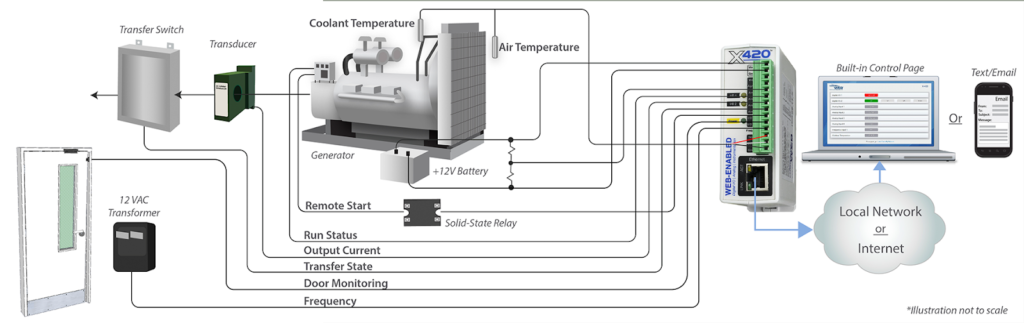
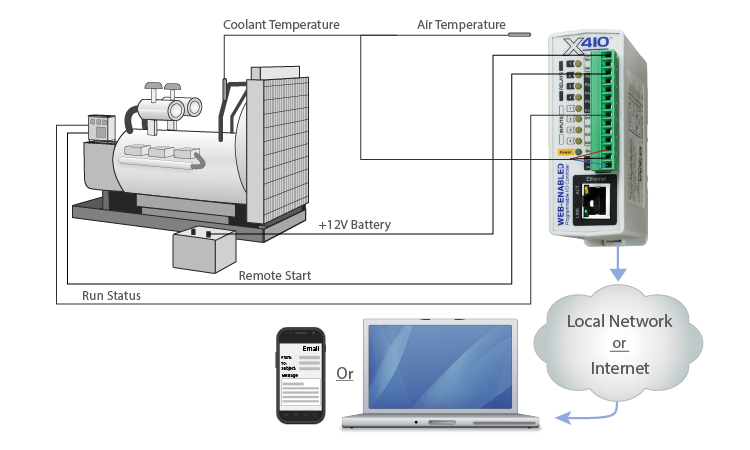
A remote monitoring system for gensets is a technology platform that allows operators to track generator performance, status, and health in real time without being physically present at the installation site. By combining sensors, communication modules, and cloud-based software, these systems continuously collect operational data and make it accessible through digital dashboards.
Real-time monitoring provides instant awareness of how generators are performing under actual working conditions. The system works by gathering information from various generator components, including engine temperature, fuel levels, voltage output, battery condition, and operating hours.
This data is processed by a controller installed within the genset and transmitted through communication networks such as cellular, Wi-Fi, or Ethernet connections. Operators can then view performance metrics remotely using mobile applications or web portals. Connected systems eliminate the need for constant physical supervision while improving response speed during abnormalities.
It is also important to distinguish monitoring from control systems. Monitoring platforms primarily provide visibility, alerts, and performance analytics, while advanced solutions may also allow remote control functions such as start-stop commands or parameter adjustments. Operational awareness enables maintenance teams to make informed decisions based on live data rather than assumptions.
In practical terms, remote monitoring transforms generators from standalone machines into intelligent assets capable of reporting their condition continuously, helping facilities maintain reliable backup power with greater efficiency and confidence.
Key Components of a Genset Remote Monitoring System
A remote monitoring system functions effectively only when multiple technologies work together to collect, transmit, and interpret generator data in real time. Rather than relying on a single device, modern monitoring solutions combine hardware and software elements that transform operational information into actionable insights. System architecture ensures that generator performance can be tracked continuously without requiring on-site supervision.
- Sensors and Data Acquisition Units
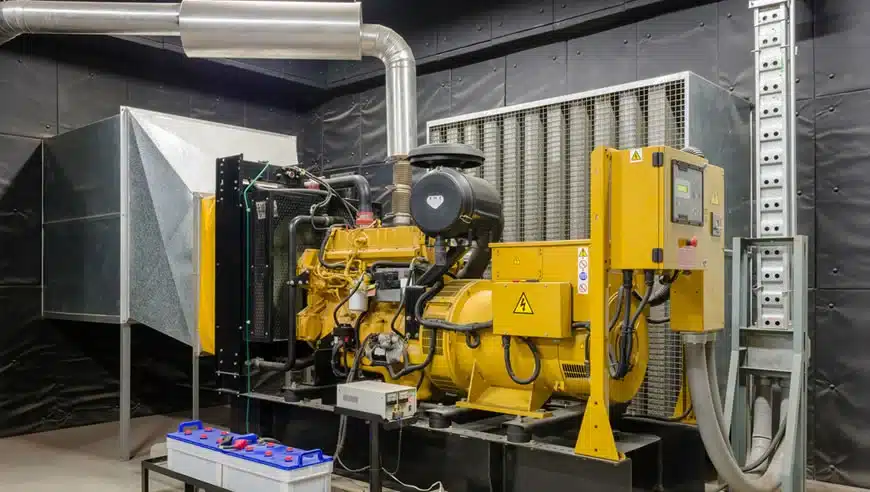
Sensors act as the foundation of any remote monitoring system by collecting real-time operational data from the generator. These devices measure parameters such as engine temperature, oil pressure, fuel level, voltage output, frequency stability, and load conditions.
Data acquisition units gather signals from these sensors and convert them into digital information that can be analyzed by monitoring software. Accurate sensing allows operators to detect performance irregularities early, preventing minor issues from developing into major failures. Data accuracy is essential because reliable monitoring depends entirely on precise measurements.
- Generator Controller Module
The controller module serves as the central processing unit of the monitoring system. It receives data from sensors, interprets operating conditions, and manages communication between the generator and remote platforms.
Modern controllers also track alarms, runtime hours, maintenance schedules, and system faults automatically. By organizing operational data into structured information, the controller enables efficient diagnostics and performance evaluation. Central control allows monitoring systems to deliver meaningful insights rather than raw technical data.
- Communication Modules
Communication modules enable data transmission from the generator site to remote users. Depending on installation requirements, systems may use GSM networks, Wi-Fi, Ethernet, or satellite connectivity to send information securely to cloud servers.
Reliable communication ensures uninterrupted data flow even when generators are installed in remote or industrial locations. Connectivity flexibility allows facilities to maintain visibility regardless of geographical constraints. Continuous connectivity is what makes remote monitoring truly remote.
- Cloud Platform and Data Storage
Cloud platforms store and process incoming generator data, allowing users to access both real-time and historical performance information. These platforms analyze trends, generate reports, and support predictive maintenance by identifying performance patterns over time. Historical data helps operators understand fuel efficiency, operational stress levels, and maintenance needs more accurately. Data intelligence transforms monitoring from simple observation into strategic performance management.
- User Interface and Monitoring Dashboard
The user interface is where operators interact with the monitoring system through mobile apps or web-based dashboards. Clear visual displays present performance metrics, alarms, and operational status in an easy-to-understand format.Dashboards often include customizable alerts, notifications, and performance summaries that help maintenance teams respond quickly to developing issues. User visibility ensures that complex technical data becomes practical information supporting faster decision-making and improved generator reliability.
Key Parameters Monitored in Modern Gensets
Remote monitoring systems deliver value by continuously tracking operational parameters that directly influence generator performance and reliability. Instead of relying on occasional inspections, facilities gain ongoing insight into how equipment behaves under real working conditions. Performance tracking allows operators to identify inefficiencies early and maintain consistent power availability.
Fuel consumption is one of the most closely monitored metrics because it directly affects operational cost and runtime planning. Monitoring fuel levels and usage patterns helps detect leaks, inefficient operation, or abnormal consumption trends that may signal engine problems. Fuel visibility enables better planning during extended outages and prevents unexpected shutdowns caused by fuel shortages.
Engine performance indicators such as temperature, oil pressure, and RPM stability provide early warning signs of mechanical stress. Sudden fluctuations or gradual deviations from normal ranges often indicate developing faults. Continuous monitoring ensures maintenance teams can intervene before equipment damage occurs. Engine health monitoring significantly reduces the risk of emergency failures.
Electrical output parameters, including voltage, frequency, and load distribution, are equally critical. Stable output protects connected equipment from power fluctuations that could cause malfunction or data loss. Remote systems also monitor battery condition to ensure reliable generator startup during outages. Power stability ensures generators deliver consistent electricity when needed most.
Runtime hours and maintenance intervals are automatically recorded, allowing service schedules to be based on actual usage rather than fixed timelines. Alarm notifications further enhance responsiveness by instantly alerting operators to faults or abnormal conditions. Proactive alerts transform generator maintenance into a predictive process rather than a reactive repair cycle.
Benefits of Remote Monitoring Systems for Gensets
Remote monitoring systems fundamentally change how generators are managed by replacing uncertainty with real-time operational insight. Facilities no longer need to rely on assumptions or delayed inspections to understand equipment performance. Real-time visibility allows operators to monitor multiple generators simultaneously from a centralized location, improving oversight without increasing manpower.
One of the most significant advantages is reduced downtime risk. Continuous monitoring detects anomalies early, enabling maintenance teams to address issues before they escalate into failures. Early intervention minimizes operational interruptions and protects critical infrastructure from unexpected outages. Failure prevention becomes achievable because problems are identified at their earliest stages.
Maintenance efficiency also improves considerably. Instead of following rigid service schedules, teams can perform condition-based maintenance supported by actual performance data. This approach reduces unnecessary servicing while ensuring attention is given where it is truly needed. Maintenance optimization lowers operational costs while extending equipment lifespan.
Fuel efficiency and operational performance benefit as well. Monitoring systems highlight inefficient load patterns, excessive fuel consumption, or improper generator usage, allowing operators to make informed adjustments. Remote diagnostics further enable technicians to troubleshoot issues without immediate site visits. Operational efficiency improves both cost control and response speed.
Beyond technical advantages, remote monitoring enhances asset management by providing historical performance records and analytical insights. Facilities gain a clearer understanding of equipment utilization, helping guide future upgrades and infrastructure planning. Data-driven management ultimately transforms gensets from passive backup equipment into intelligently managed power assets.
Remote Monitoring vs Traditional Maintenance Approaches
Generator maintenance has traditionally followed a reactive or time-based model, where servicing occurs either after a failure or according to fixed schedules. While this method ensured basic upkeep, it often failed to reflect actual operating conditions. Reactive maintenance increases operational risk because problems are addressed only after performance has already declined or equipment failure has occurred.
Traditional approaches rely heavily on manual inspections, which provide only limited snapshots of generator health. Between inspection intervals, systems may operate under stress without detection, allowing minor inefficiencies to develop into costly repairs. Facilities managing multiple locations face additional challenges, as frequent on-site inspections require significant labor and travel resources. Limited visibility makes it difficult to maintain consistent reliability across distributed assets.
Remote monitoring introduces a condition-based maintenance model driven by real-time data. Instead of relying on assumptions, operators receive continuous updates about performance trends and system health. Maintenance activities can then be scheduled precisely when indicators show deterioration or abnormal behavior. Predictive maintenance reduces unnecessary servicing while preventing unexpected breakdowns.
Another key difference lies in decision-making speed. Traditional maintenance often involves delayed diagnosis, whereas remote systems instantly notify operators about faults or irregularities. Faster response times minimize downtime and prevent secondary equipment damage. Data-driven decisions ultimately allow facilities to shift from reactive problem-solving toward proactive operational management.
How to Choose the Right Remote Monitoring System?
Selecting an effective monitoring solution requires aligning technology capabilities with operational needs rather than choosing features alone. A structured evaluation process helps facilities implement systems that remain reliable and scalable over time. Strategic selection ensures monitoring delivers measurable operational value.
Step 1: Define Monitoring Objectives
Identify what the system should achieve, such as downtime reduction, maintenance optimization, fuel tracking, or centralized asset management.
Step 2: Ensure Genset Compatibility
Verify that monitoring hardware integrates smoothly with existing generator controllers, sensors, and electrical configurations.
Step 3: Evaluate Connectivity Options
Choose communication methods suitable for the installation environment, including GSM, Ethernet, Wi-Fi, or satellite connectivity.
Step 4: Assess Dashboard Usability
User-friendly interfaces improve response time by presenting technical data in clear, actionable formats.
Step 5: Review Data Security Features
Ensure encryption, secure access controls, and reliable data protection mechanisms are included.
Step 6: Consider Scalability and Technical Support
Select systems capable of supporting future expansion, with professional installation and ongoing technical assistance.
The Future of Genset Monitoring
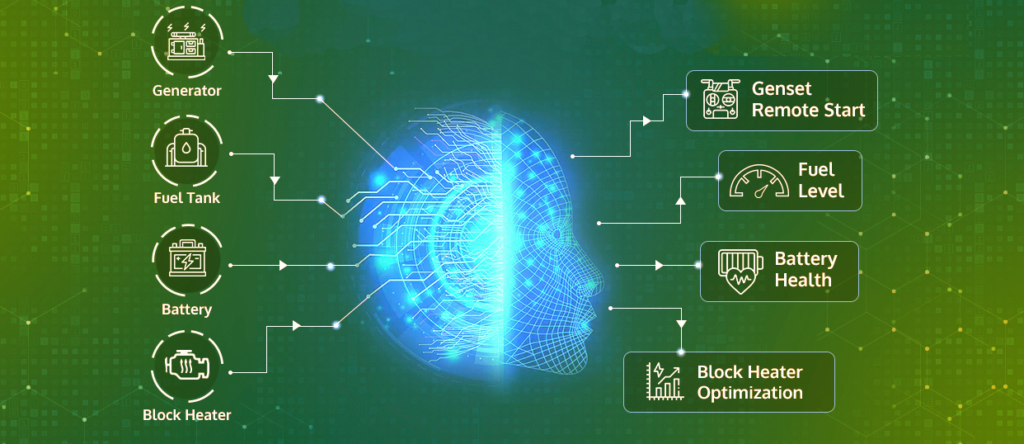
Remote monitoring technology continues evolving as generators become part of intelligent energy ecosystems rather than standalone machines. Artificial intelligence and advanced analytics are beginning to analyze operational patterns automatically, identifying performance anomalies long before human operators notice them. AI integration enables predictive fault detection that reduces downtime and improves maintenance planning accuracy.
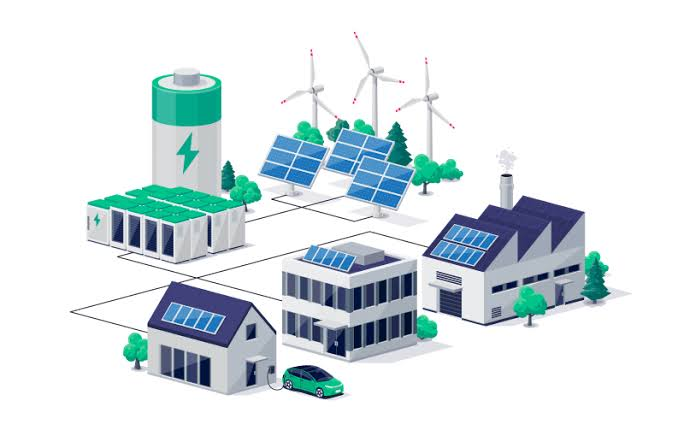
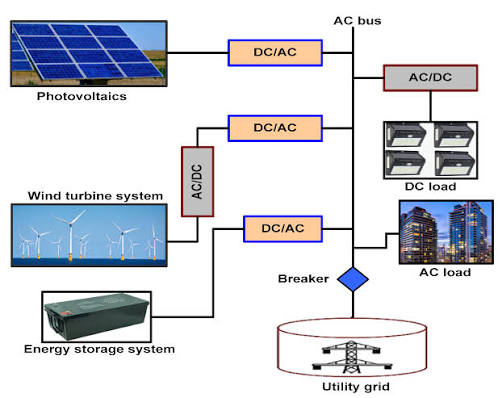
Automation will further enhance monitoring systems by enabling automatic alerts, performance optimization, and adaptive load management. Generators will increasingly communicate with building management systems and hybrid energy platforms, coordinating with batteries and renewable sources to optimize energy usage. Smart integration allows facilities to manage power resources more efficiently while maintaining reliability.
As digital infrastructure expands, monitoring platforms will also provide deeper operational insights through long-term performance analytics. Facilities will be able to forecast maintenance needs, evaluate fuel efficiency trends, and plan infrastructure upgrades using real data rather than estimates. Predictive intelligence will redefine generator management, shifting the industry toward proactive and fully connected power operations.
Enhancing Generator Reliability Through Remote Monitoring
At ALEO, we understand that modern facilities can no longer rely on limited visibility when managing critical backup power systems. Choosing solutions supported by trusted partners further strengthens system performance. We offer equipment backed by UL certification and direct shipment from the United States, alongwith on-site debugging and installation with a one-year warranty.
Visit our website and connect with our team today to ensure dependable deployment and long-term operational support. With flexible delivery timelines and professional implementation, facilities can adopt monitoring systems efficiently while minimizing risk.