Production doesn’t slow down when power fails; it stops completely. Downtime hits instantly, leaving unfinished batches, idle workers, and delivery timelines that begin slipping within minutes. For manufacturing facilities running tight schedules, power instability quickly turns into financial loss rather than a temporary inconvenience.
Modern factories depend on machines that expect consistency every second they operate. Stable electricity matters because CNC equipment, compressors, and automated lines are built for precision, not fluctuation. Even small voltage irregularities can affect performance, accuracy, and eventually the lifespan of expensive industrial equipment.
As operations become more automated and output targets grow stricter, reliable power has moved from being a backup concern to an operational priority. Equipment stress increases when energy supply is uneven, often leading to higher maintenance needs and unexpected shutdowns that disrupt entire production cycles.
This is why diesel generators remain a practical choice across manufacturing environments. Their power reliability supports productivity, allowing facilities to maintain workflow continuity and protect investments when grid supply becomes unpredictable.
This guide looks at how 3 phase diesel generators fit into modern manufacturing, how to choose the right capacity, and how smarter power planning helps businesses maintain efficiency, control operating costs, and keep production running without unnecessary interruptions. Operational stability drives growth in an industry where consistency defines success. So, read on:
Why Manufacturing Facilities Depend on 3 Phase Diesel Generators?
Manufacturing environments operate under conditions that demand consistent, high-capacity power delivery throughout the day. Heavy-load operations are common in factory settings, where multiple machines run simultaneously, often starting and stopping under varying loads. Equipment such as industrial motors, processing units, and production lines requires power systems capable of handling sustained electrical demand without fluctuations that could interrupt workflow.
Unlike residential backup systems designed for temporary outages, industrial facilities require uninterrupted operational continuity. Industrial power expectations differ because production cannot simply pause and resume without consequences. A short disruption may halt automated sequences, damage partially processed materials, or require recalibration of machinery, resulting in lost time and additional operational costs.
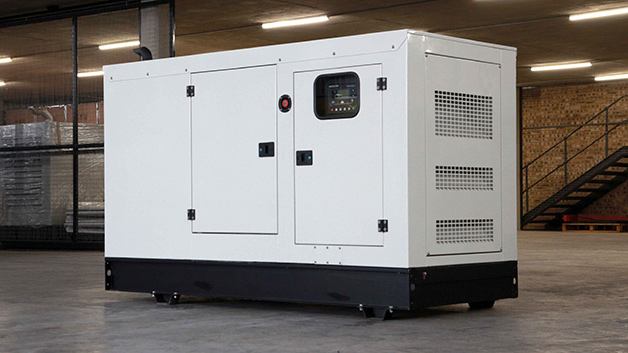
Modern manufacturing equipment relies heavily on electrical stability to maintain accuracy and efficiency. CNC machines, air compressors, conveyor systems, and automated assembly lines depend on balanced voltage across all phases to function correctly. Voltage balance ensures precision, allowing motors to operate smoothly while reducing vibration, overheating, and mechanical stress during operation.
Power quality also directly affects how long equipment lasts. Inconsistent or uneven power supply increases electrical stress on motors and control systems, speeding up damage and hence, increasing maintenance frequency. Stable power extends life, helping manufacturers protect costly machinery investments while maintaining predictable production output.
These triple phase diesel generators are specifically designed to meet these industrial requirements by distributing electrical load evenly and maintaining consistent performance under demanding conditions.
| Requirement | Single Phase | 3 Phase Diesel Generator |
| Load Capacity | Low | High Industrial Loads |
| Voltage Stability | Moderate | Excellent |
| Equipment Compatibility | Limited | Full Industrial Support |
| Operational Efficiency | Lower | Higher |
| Manufacturing Suitability | None | Yes |
Understanding how these systems actually work helps buyers make smarter investments.
How 3 Phase Diesel Generators Power Modern Manufacturing Operations
Power generation in manufacturing is not just about producing electricity; it is about delivering it in a controlled and balanced way that machines can rely on every second. Understanding the internal power flow explains why 3-phase generators perform differently from conventional backup systems.
How 3-Phase Power Distribution Works?
Three phase power may sound technical, but its advantage is straightforward. Instead of delivering electricity through a single fluctuating wave, a 3-phase system uses three alternating electrical currents working together in sequence. Continuous energy flow is created because each phase reaches its peak at a different moment, ensuring power never drops to zero.
These currents operate with a 120-degree phase separation, meaning energy delivery overlaps rather than pauses between cycles. Consistent power delivery allows industrial machines to run smoothly without the interruptions or instability often associated with single-phase systems.
For manufacturing equipment driven by electric motors, this difference is critical. A balanced power supply produces a steady rotational force, which reduces vibration during operation. Reduced mechanical vibration lowers internal stress on motors and connected components, improving operational accuracy and minimising wear over time.
Load Handling in Industrial Environments
Manufacturing facilities rarely operate under constant electrical demand. Machines draw different levels of power depending on whether they are starting, running, or handling peak workloads. Starting load challenges occur when motors initially power on, as they briefly require significantly higher current than during normal operation.
This surge, commonly known as inrush current, can strain weak power systems. Three phase diesel generators are designed to absorb these temporary spikes without voltage drops that could shut down nearby equipment. Stable load absorption ensures production lines continue operating even when multiple machines start simultaneously.
Industrial environments also experience fluctuating demand throughout shifts. Conveyor systems, compressors, and automated equipment may cycle on and off, creating uneven load conditions. Proper 3-phase distribution balances electrical demand across all phases, preventing overload on a single line. Balanced load distribution improves efficiency while protecting electrical infrastructure from overheating or premature failure.
Critical Components Inside a Manufacturing Generator
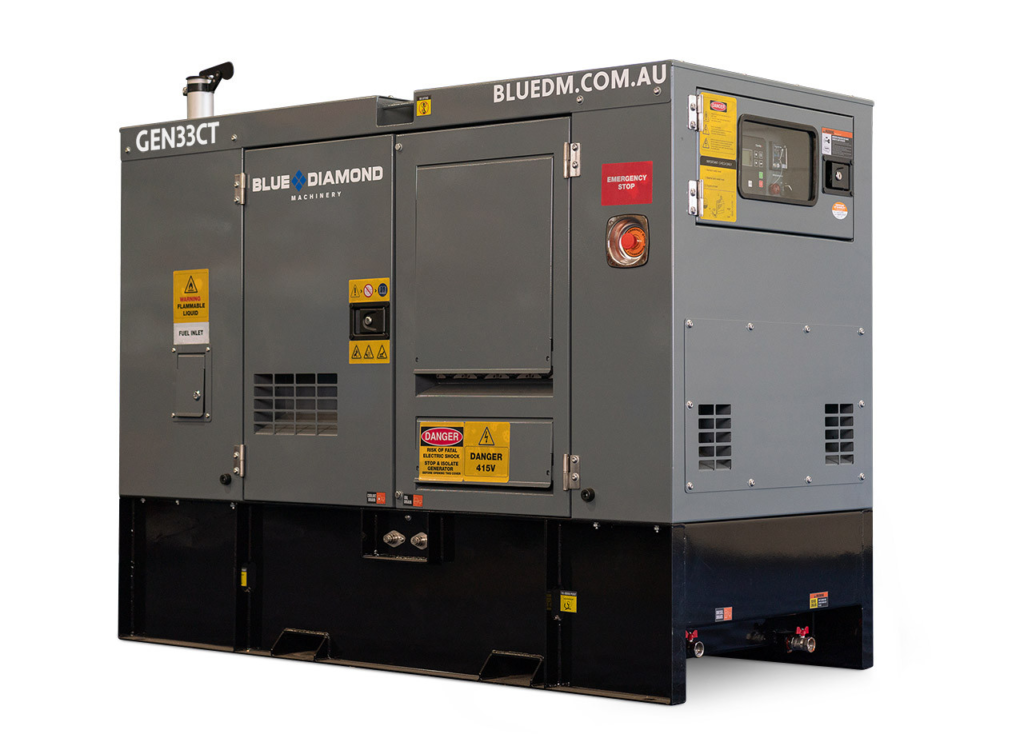
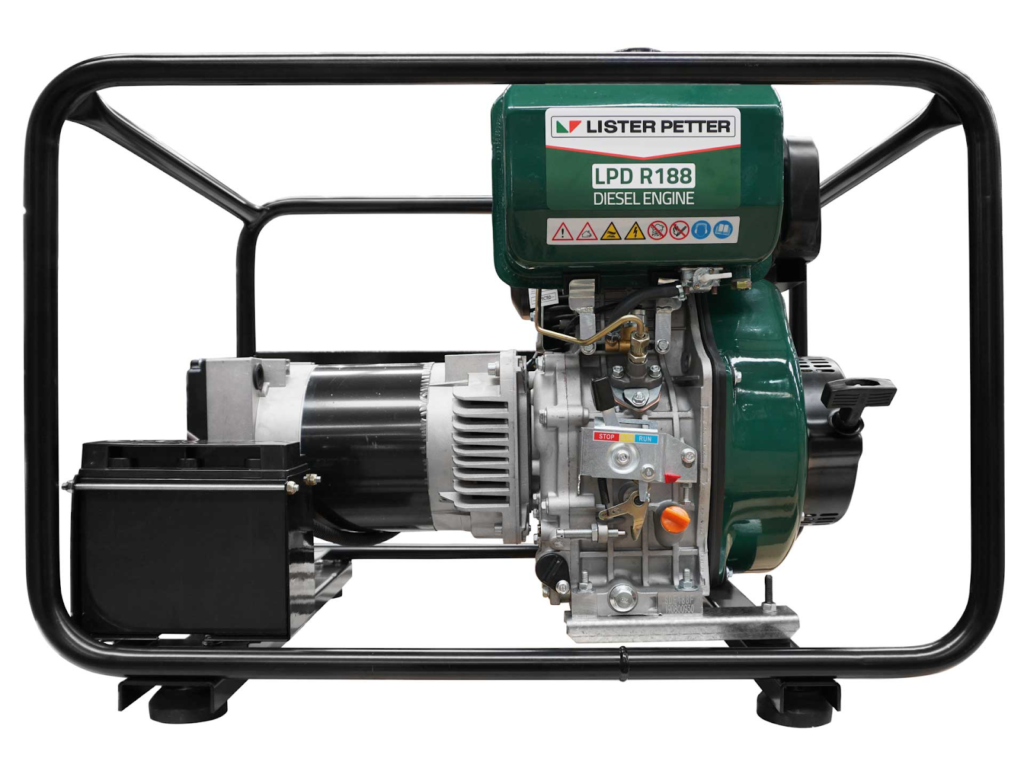
A manufacturing-grade diesel generator is more than just an engine producing electricity. Several integrated systems work together to maintain stable industrial power output.
The diesel engine serves as the primary power source, converting fuel into mechanical energy. Engine reliability drives output, making durability and fuel efficiency essential for continuous operation. The alternator converts mechanical motion into electrical energy and determines overall power quality. High-quality alternators ensure steady voltage suitable for sensitive industrial equipment.
The Automatic Voltage Regulator (AVR) continuously adjusts voltage levels during load changes. Voltage stability control prevents fluctuations that could damage automation systems or electronic controllers.
Cooling systems regulate operating temperature during extended use, especially in high-load manufacturing conditions where generators may run for long periods. Effective cooling prevents overheating and performance loss.
Modern control panels introduce smart monitoring features that track load levels, fuel usage, and system health in real time. Real-time operational monitoring allows operators to detect issues early and maintain consistent performance.
Finally, the fuel system ensures an uninterrupted energy supply by delivering diesel efficiently under varying load demands, supporting stable long-duration operation.
Why 3 Phase Systems Improve Equipment Life?
Manufacturing equipment performs best when the electrical input remains stable. Uneven or fluctuating power forces motors to work harder, generating excess heat and internal stress. Reduced overheating risk is one of the most significant advantages of balanced 3-phase systems.
Stable power delivery produces smoother torque output in electric motors, allowing machinery to operate efficiently without sudden strain. Consistent torque performance reduces mechanical fatigue and improves operational accuracy.
Balanced electrical distribution also minimises voltage imbalance, lowering electrical stress on windings and electronic components. Over time, this leads to fewer breakdowns and longer maintenance intervals. Lower electrical stress levels directly translate into extended equipment lifespan.
Improved motor efficiency is another long-term benefit. Machines operating under stable power consume energy more effectively, reducing operational costs while maintaining production reliability. Efficiency supports longevity by keeping both energy consumption and wear under control.
| Factor | Poor Power Supply | Balanced 3-Phase Supply |
| Motor Heat | High | Controlled |
| Downtime Risk | Frequent | Minimal |
| Maintenance Frequency | High | Reduced |
| Energy Efficiency | Lower | Optimized |
Correct Generator Sizing for Manufacturing Plants in 2026
Selecting the right generator size is one of the most important decisions manufacturers make when planning reliable power infrastructure. Oversizing increases fuel consumption and capital cost, while undersizing leads to overload, instability, and frequent shutdowns. Proper sizing helps avoid inefficiency and ensures the generator supports operations without unnecessary operational strain.
The first step is understanding the difference between total connected load and actual operating load. Connected load represents the combined power rating of all equipment installed in a facility, but not every machine runs simultaneously. Real operating demand matters more than theoretical maximum capacity, making load assessment essential before selecting a generator.
Manufacturers also apply a diversity factor, which accounts for varying equipment usage patterns during production cycles. Machines start and stop at different times, meaning real power demand fluctuates throughout the day. Load diversity improves accuracy when calculating realistic generator requirements.
Planning for future expansion is equally important. Production facilities often scale operations within a few years, adding new machinery or extending shifts. Allowing an additional 15–25% capacity ensures the generator remains viable as operations grow. Expansion planning avoids replacement costs and protects long-term investment.
Another key consideration is choosing between continuous and standby power ratings. Continuous-rated generators are designed for long operational hours under stable loads, while standby generators operate mainly during outages. Correct rating selection matters because using a standby-rated unit for continuous operation can shorten equipment life and increase maintenance needs.
Environmental and emission compliance has also become a sizing factor in 2026. Regulations increasingly require efficient fuel usage, controlled emissions, and noise management, particularly for factories operating near urban zones. Compliance influences equipment choice as modern generators must meet both operational and regulatory expectations.
Example: Small Packaging Plant
Consider a small packaging facility operating sealing machines, conveyors, air compressors, and lighting systems. Although the total connected load may reach 120 kW, actual simultaneous usage averages closer to 70–80 kW. Selecting a generator within the appropriate operating range ensures stable performance without excessive fuel consumption or underutilization. Right-sizing improves efficiency while maintaining operational reliability.
| Plant Type | Typical Load Range | Recommended Generator Size |
| Small Workshop | 40–80 kW | 75–100 kVA |
| Medium Manufacturing | 120–300 kW | 200–400 kVA |
| Heavy Industrial | 500 kW+ | 625 kVA+ |
Fuel Efficiency, Operating Costs & ROI for Manufacturers
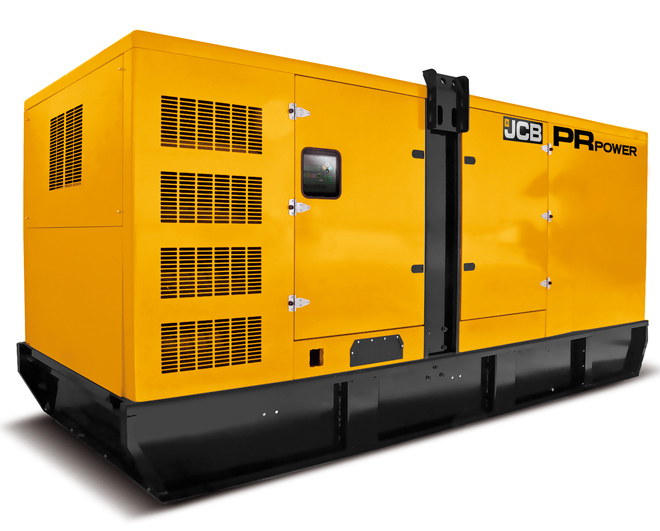
Fuel efficiency is one of the most critical factors when evaluating a diesel generator for manufacturing. Fuel consumption drivers include generator size, load levels, engine efficiency, and operating hours. Running a generator consistently below its optimal load can lead to excessive fuel use per kilowatt produced, while frequent overloads increase wear and reduce efficiency.
Manufacturers often find the sweet spot for load efficiency between 70–80% of the generator’s rated capacity. Operating within this range ensures that fuel is used effectively, reducing wastage while maintaining stable performance for machinery and production lines. Generators running consistently below 50% load may consume nearly as much fuel as under optimal conditions, while providing less useful energy output.
Oversizing a generator is a common mistake that inflates both fuel and operational costs. Impact of oversizing includes wasted diesel, higher upfront capital expenditure, and less efficient energy conversion. Conversely, undersized units may run continuously near or beyond their limits, risking downtime and accelerated maintenance needs.
Maintenance costs also play a key role in ROI. Generators running at optimal load not only consume less fuel but also require fewer repairs. Maintenance savings compound over time, significantly improving the total cost of ownership for industrial facilities. Well-maintained generators also maintain stable output, protecting production equipment from stress caused by voltage fluctuations or load imbalance.
Automation technologies are increasingly helping manufacturers minimise fuel waste. Smart load management and automatic control systems can adjust generator operation based on real-time demand, reducing unnecessary idling and optimising performance during low-load periods. This combination of precise sizing, proper load management, and automated control ensures that diesel generators remain both cost-effective and reliable, delivering a strong ROI for modern manufacturing operations.
Common Mistakes Manufacturers Make When Buying Diesel Generators
Selecting the wrong generator can cost more than just money. It is something that can halt your entire production line.
- Buying based only on price: Choosing the cheapest option can compromise reliability, efficiency, and long-term cost savings.
- Ignoring load analysis: Failing to calculate actual operating demand may lead to oversizing or undersizing, affecting performance and fuel efficiency.
- No future capacity planning: Not considering planned expansions forces premature replacements or costly upgrades.
- Overlooking service availability: Limited technical support or spare parts access can cause prolonged downtime during maintenance or breakdowns.
- Choosing wrong control systems: Incompatible or outdated panels reduce automation, monitoring, and operational efficiency.
- Not planning fuel logistics: Poor fuel storage or supply planning disrupts continuous operation and increases operational risk.
These mistakes increase operational costs, reduce equipment lifespan, and compromise production reliability. Manufacturers who avoid them save both time and money while ensuring consistent performance.
Choosing the Right 3 Phase Diesel Generator Supplier
Selecting a supplier is about more than buying a generator. It’s securing a reliable partner. Trust and expertise ensure your facility’s power needs are met efficiently.
Look for an engineering consultation to assess load requirements and proper sizing. Custom solutions tailored to your equipment and expansion plans optimize fuel efficiency and performance.
A strong after-sales service network and spare parts availability reduce downtime and operational risk. Technical commissioning ensures generators run reliably from day one.
Finally, prioritize a long-term partnership over a one-time purchase. Ongoing support, upgrades, and advice make operations smoother and protect your investment.
Get Reliable 3 Phase Diesel Generators With ALEO
Power reliability in manufacturing is directly tied to productivity, equipment lifespan, and operating cost control. From understanding load distribution and proper sizing to optimizing fuel efficiency and ensuring compliance, every decision surrounding a 3 phase diesel generator affects long-term performance.
The difference between stable operations and repeated disruptions often comes down to choosing the right capacity, the right configuration, and the right technical support. Manufacturers who focus on accurate load analysis, balanced power distribution, and future expansion planning position their facilities for consistent output and reduced maintenance risks.
At ALEO, our experts help manufacturers identify the right 3 phase diesel generator solution based on real operational requirements. Visit our website and connect with us today to explore dependable, efficient, and future-ready power systems designed to support modern manufacturing environments.