Anybody who works at urban construction sites knows that, out of the many struggles one faces in such projects, power availability is rarely the main issue. Rather, it is noise restrictions, limited working hours, and compliance pressures that are more of a headache for urban project planners and managers.
This means that a generator, no matter how well it performs in remotely located projects, will quickly become a liability in city environments, where complaints, regulatory limits, and operational interruptions directly affect timelines and costs.
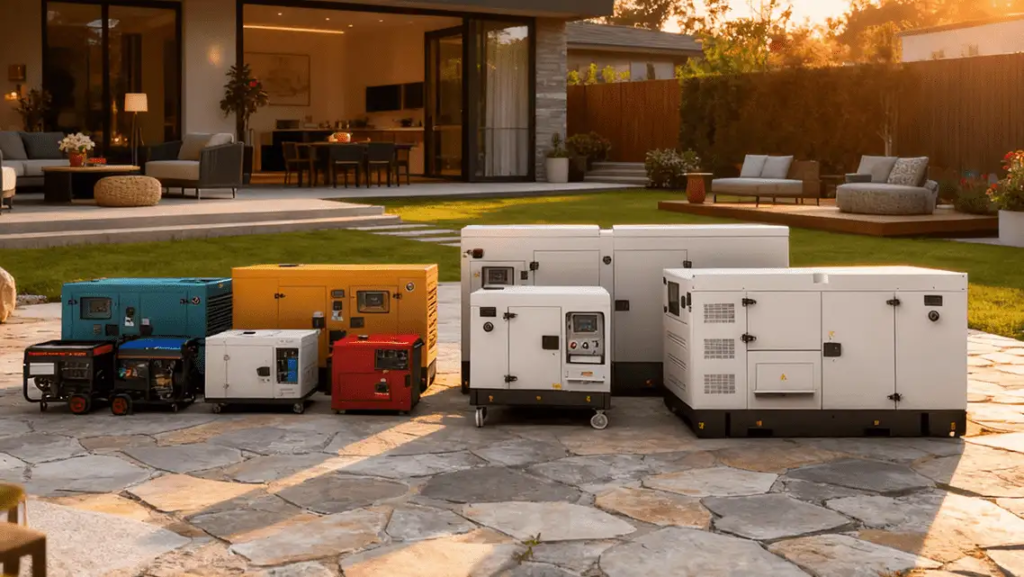
This explains why more and more developers and contractors are shifting towards silent diesel generators for urban construction and commercial projects. While the initial investment in such generators is quite high compared to open generators, the decision to invest in a silent generator is no longer based on purchase price alone.
Urban projects have stringent demands for equipment that supports continuous operations while meeting noise and vibration regulations and minimizing disruptions to surrounding communities. Here, the real question is not whether silent generators are quieter; it is whether they deliver measurable value through improved productivity, reduced risk, and smoother urban project execution.
Below, we are going to evaluate silent diesel generators from an investment perspective for urban industries. Thus, reading this guide will help project owners and procurement teams determine whether investing in expensive silent diesel generators makes practical or financial sense, or whether they should simply stick to conventional setups. So, read on.
Why Urban Projects Require a Different Power Approach
Urban construction projects operate under circumstances that are very different from remote or industrial sites. In such setups, backup equipment selection is not based only on output capacity or fuel efficiency. Rather, here the operational limitations are what define which equipment is suitable for use, wouldn’t cause delays or compliance issues.
In cities, one of the primary challenges is the presence of noise-sensitive surroundings. As urbanisation continues to happen, it is not surprising for construction sites to be located near residential buildings, hospitals, offices, or commercial areas. In such areas, continuous noise exposure can lead to complaints and regulatory intervention. Even reliable equipment can become problematic if it disrupts nearby communities.
Working hours are another major hindrance. Many local municipalities enforce strict noise limits during evenings and nighttime. This restricts construction schedules. Projects that depend on an uninterrupted power supply may face delays if generators exceed permitted noise levels. Lost working hours directly impact labour costs, equipment utilisation, and project deadlines.
Space availability also plays an important role. Urban sites typically have limited installation areas, leaving little room for additional sound barriers or external acoustic treatment. Equipment has no option but to fit within tight layouts while remaining accessible for operation and maintenance.
It is also expected of contractors and industry owners to consider community expectations and regulatory scrutiny. Noise complaints, permit challenges, or inspection failures can slow progress and damage your project’s reputation. As a result, generator selection becomes a strategic decision rather than a simple procurement task.
Choosing the right power solution helps maintain workflow continuity, ensures compliance, and prevents avoidable interruptions that can extend project timelines.
The Meaning Of “Silent” in Industrial Generators
The term silent in industrial applications is quite different from its everyday use. Here, this term refers to engineered noise reduction rather than complete silence. In short, there are multiple design elements in a silent generator that work together to control sound without compromising the overall efficiency of the system.
A key component here is the acoustic enclosure. It surrounds the generator with sound-absorbing material designed to reduce noise transmission in the surrounding environment. These enclosures are carefully engineered so that they can minimize sound leakage while allowing sufficient airflow for engine cooling.
Noise performance is measured in decibels, typically expressed as dBA. These measurements vary depending on distance and testing conditions, which is why certified testing standards are important when comparing models. A generator that is advertised or marketed as quiet may not necessarily meet regulatory noise limits in your area unless its rating is independently verified.
Balancing airflow and sound insulation is another important factor. Engines generate heat during operation, and insufficient ventilation can reduce performance and increase overall wear. High-quality silent generators manage this balance through optimized air paths that maintain proper heat dissipation to ensure cooling efficiency while also limiting noise escape.
Anti-vibration systems are also used to further reduce operational sound by isolating engine movement from the frame and surrounding surfaces. The exhaust system is also designed with silencers to lower the overall noise generated during combustion. Understanding these technical and engineering elements can help buyers distinguish between genuinely low-noise equipment and a product that is simply marketed as silent rather than verified for its acoustic performance.
Silent vs Open Diesel Generators: Cost Comparison
As we have been saying, generator selection for urban projects should be looked at and backed by data beyond just its purchase price. Silent diesel generators usually cost more upfront, but the real comparison lies in total ownership Cost, which includes installation, compliance, operational risk, and long-term expenses.
Open generators appear economical initially, yet they often require additional acoustic treatment to meet city noise regulations. This adds extra material, labor, and space requirements. Silent generators, on the other hand, come with integrated acoustic enclosures, allowing faster installation and easier compliance approval.
Approval timelines also influence costs. Equipment that already meets noise standards can be deployed quickly, while non-compliant generators may cause delays due to inspections or modifications. In urban environments, even short delays can increase labor and equipment expenses.
Operational risks are another key factor. Noise complaints or restricted working hours can interrupt construction schedules and reduce productivity. Silent generators help minimize these risks by enabling smoother, regulation-compliant operations. When lifecycle costs are considered, silent generators often provide more predictable expenses and reduced disruption, making them a practical investment for many urban projects.
Lifecycle Cost Comparison
Below, we briefly compare the costs of silent and open generators and their impact on urban industries:
| Cost Factor | Open Diesel Generator | Silent Diesel Generator | Urban Impact |
| Purchase cost | Lower | Higher | Initial budget difference |
| Installation | Additional setup | Ready to install | Faster deployment |
| Noise treatment | External required | Built-in | Saves space and cost |
| Approvals | Possible delays | Easier compliance | Faster start |
| Operational risk | Higher | Lower | Stable workflow |
| Long-term cost | Less predictable | More controlled | Better TCO |
Advantages of Silent Generators in Urban Projects
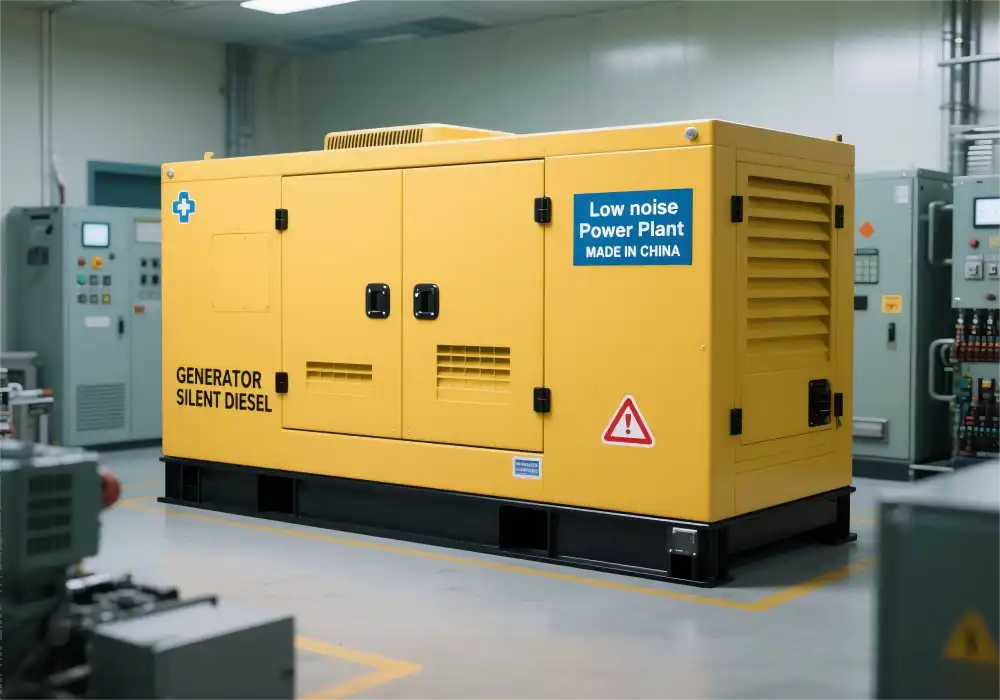
Silent diesel generators offer more than just reduced noise levels, especially when used correctly in urban setups. In urban environments, the design of a silent generator directly improves efficiency, compliance, and operational stability. However, to gain all these advantages, one must select a generator that is the right size for the project.
These advantages often influence timelines, workforce productivity, and overall project costs, making a silent diesel generator a strategic choice rather than simply an upgrade meant to ensure comfort and compliance.
Noise Compliance and Reduced Project Delays
Urban construction must operate within strict noise regulations. Generators that exceed permitted sound limits can trigger complaints, inspections, or temporary shutdowns, leading to project downtime that can cost not only time but also reputation. Silent generators help contractors stay within allowable noise limits, reducing the risk of fines and unexpected interruptions.
Compliance-ready equipment also helps ensure faster permit approvals and allows operations to be initiated and continued during extended hours, helping projects maintain momentum and ensure deliverability within the set timeframe.
Extended Working Hours & Faster Project Completion
Quiet operation helps industry owners conduct night shifts and early morning work without worrying about disturbing surrounding communities. This makes work more feasible and productive in populated areas.
The flexibility allows teams to continue critical activities without disruption. It also reduces scheduling restrictions, improves equipment utilization, and helps contractors meet stringent deadlines without compromising on the quality or efficiency of the completed project. Over time, extended working windows can shorten overall project duration and give industry owners and contractors an edge, along with extra time to further refine their deliverables.
Fuel Efficiency Under Variable Urban Loads
Urban sites rarely operate at constant loads. Equipment, including lifts, lighting systems, and other temporary facilities, creates fluctuating power demands. Silent generators are designed with optimized airflow and cooling systems that maintain stable engine performance despite changing loads and external pressures. Reduced thermal stress supports consistent fuel consumption and lowers efficiency losses during partial-load operation, making them ideal for busy city sites.
Space Optimization in Dense Job Sites
Limited space is a common challenge in urban construction. Silent generators feature integrated acoustic canopies that eliminate the need for external sound barriers or additional enclosures, thus requiring less space for installation. In fact, some of the best silent diesel generators are so compact that they can be easily installed on rooftops and in basements.
It is important to note that this compact design also ensures faster installation and easier relocation when the project’s needs evolve.
Improved Working Environment and Site Coordination
Lower noise levels contribute to a more manageable working environment. Workers can communicate more easily, which improves coordination and reduces safety risks caused by miscommunication. In the absence of excessive noise and vibration disrupting the overall workflow, productivity increases, with fewer headaches for workers who must remain around those power backup sources throughout the day.
Reduced disturbances to nearby residences and businesses also help maintain positive relations with stakeholders, supporting smoother project execution and enhancing the company’s reputation and reliability.
Maintenance and Equipment Protection Benefits
The enclosed structure of a silent diesel generator provides protection from weather exposure and airborne dust, which are common on construction sites. Shielded components experience less external wear, which can extend equipment life and support predictable servicing schedules. Controlled operating conditions also help reduce unplanned maintenance interruptions during critical project phases.
Environmental & Emission Compliance in Urban Areas
Environmental performance has become an important consideration for urban construction projects, especially as cities introduce stricter emission and sustainability requirements. Developers and contractors are increasingly expected to use equipment that minimizes environmental impact while maintaining reliable performance.
Urban emission expectations often extend beyond basic regulatory compliance. Construction activities are closely monitored in populated areas where air quality and noise pollution directly affect surrounding communities. Silent diesel generators support better environmental control through enclosed designs that help manage exhaust flow, reduce visible smoke dispersion, and limit vibration impact on nearby structures.
Environmental, Social, and Governance (ESG) standards are also influencing procurement decisions. Many developers now prioritize equipment that aligns with sustainability goals, particularly in large commercial or infrastructure projects. Using low-noise, controlled-emission power solutions demonstrates responsible operational practices and supports corporate environmental commitments.
Reduced vibration is another advantage in dense urban settings, where nearby buildings, underground utilities, and sensitive facilities may be affected by continuous mechanical operation. Silent generators are typically equipped with vibration isolation systems that minimize structural disturbance.
From a project management perspective, environmentally compliant equipment can simplify tender evaluations and approval processes. Authorities and project stakeholders are more likely to approve solutions that meet environmental expectations from the start, reducing administrative delays and helping projects move forward with fewer compliance challenges.
When Silent Diesel Generators May Not Be Worth the Investment
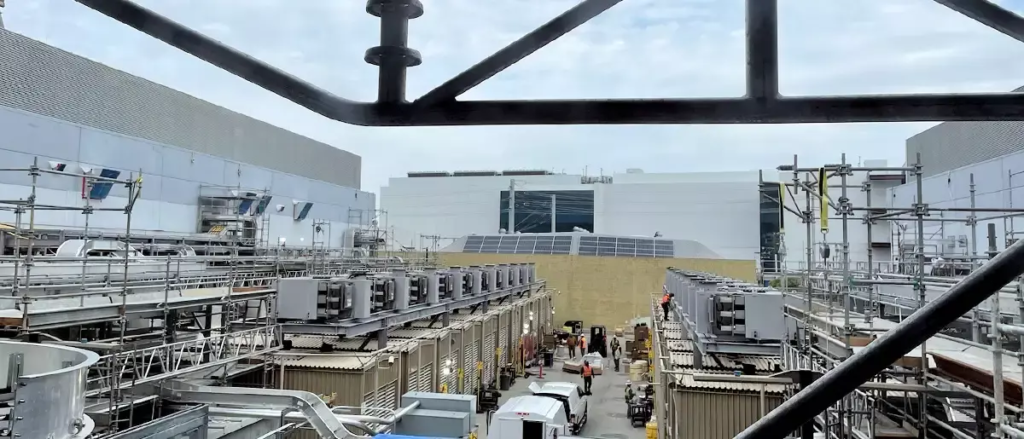
Silent diesel generators are not always the optimal choice. For remote projects where noise restrictions are minimal or nonexistent, open generators may offer a cost-effective alternative without compromising operations. Short-term deployments, such as temporary site power for brief construction phases or emergency works, may not justify the higher upfront cost of silent units.
In low-regulation zones, where municipal noise limits are lenient or not enforced, the additional investment in acoustic enclosures provides little practical benefit. Similarly, budget-restricted temporary works, where cost control is the priority and operational risks are low, may be better served by conventional generators. Projects operating far from residential areas or sensitive facilities typically gain limited operational advantage from reduced noise output.
Another consideration is project scalability. If power requirements are expected to change frequently or equipment is being used only as a backup during limited operational hours, investing in a premium silent solution may not deliver proportional returns. In such cases, flexibility and lower capital expenditure can outweigh compliance-related benefits.
Understanding these scenarios helps project owners avoid unnecessary expenses and make informed equipment decisions that align with project duration, location, and regulatory environment. Silent generators deliver maximum value only when urban constraints, compliance requirements, and continuous operation needs genuinely influence project success.
Investment Evaluation Framework for Buyers
Selecting the right generator requires more than comparing prices. A structured evaluation helps determine which solution delivers the best long-term value for urban projects. Key factors to consider include project duration, site noise sensitivity, need for night operations, urban density, compliance risk, and budget priorities.
A decision matrix can simplify the assessment:
| Factor | Consideration | Impact on Investment |
| Project duration | Short-term vs long-term | Longer projects favor silent generators |
| Noise sensitivity | Residential, hospitals, and offices nearby | High sensitivity increases the ROI of silent units |
| Night operations | Required for schedule adherence | Enables continuous work |
| Location density | Space constraints, urban congestion | Compact, silent units reduce installation challenges |
| Compliance risk | Local noise and emission regulations | Silent generators reduce fines and delays |
| Budget priorities | CapEx vs TCO | Focus on total cost and operational savings |
Using this framework allows procurement teams to evaluate not just upfront costs but overall operational efficiency, compliance, and project continuity, ensuring investment decisions are practical and financially sound.
Buyer Checklist: What to Ask Before Purchasing
When sourcing silent diesel generators, buyers should evaluate more than basic specifications or pricing. Confirming key technical and operational details early helps prevent performance issues, compliance risks, and unexpected costs during project execution. A structured evaluation also ensures the selected generator aligns with actual site requirements rather than marketing claims.
Buyers should verify the following before finalizing a purchase:
- Certified noise rating supported by independent testing standards
- Verified load performance under expected operational conditions
- Fuel consumption data, including efficiency at partial and variable loads
- Compliance documentation for local noise and emission regulations
- Availability of spare parts and replacement components within the region
- Service support capability, response time, and maintenance plans
It is also advisable to request performance test reports, installation guidance, and warranty coverage details. Understanding service accessibility and technical support availability is especially important for urban projects where downtime can directly affect schedules and costs.
Buyers should confirm whether suppliers provide commissioning assistance and operator guidance to ensure correct setup from the start. A thorough checklist reduces procurement risks and helps ensure the generator will operate reliably, meet regulatory expectations, and support uninterrupted project operations throughout its lifecycle.
Powerful Silent Diesel Generators For Urban Projects – Connect With ALEO
By now, you’re surely convinced that selecting a silent diesel generator for urban projects is no longer just an equipment decision. It is an investment in operational freedom, regulatory compliance, and uninterrupted project execution.
By reducing compliance risks and enabling smoother workflows, silent generators help contractors maintain productivity while controlling long-term operational costs.
At ALEO, our experts can help you choose the right silent diesel generator solution tailored to your urban project requirements. Visit our website and connect with our team today to ensure reliable, compliant, and efficient power support for modern urban construction environments.