In 2026, the excellence of the industries is determined by how fast their production is. Power outages are not just taken as rare disruptions, but rather as operational risks that can cause a lot of loss due to downtimes. Whether you talk about grid instability, extreme weather events, or simply look at the rising energy demands, industries across all commercial sectors are now living one unanimous truth. All of them need reliable backup power as something that’s not just an option or luxury, but rather a necessity.
For years, diesel generators dominated the backup market. They were familiar, easily available, and relatively affordable for usage in bulk. However, now that the world is changing and taking a more sustainable and environmentally friendly approach, these generators are no more reliable. Companies are now under pressure to reduce their carbon emissions and contribute to clean energy.
At the same time, tighter emission regulations and volatile diesel practices are making traditional power generation strategies more expensive and hard to justify. In many areas, environmental protection regulations have made it hard for industries to rely on diesel-driven generators for mass production. There are strict urban noise standards in most regions that industries have to comply with and maintain, and all in all, while doing this, they have to maintain uninterrupted operations without unpredictable fuel costs.
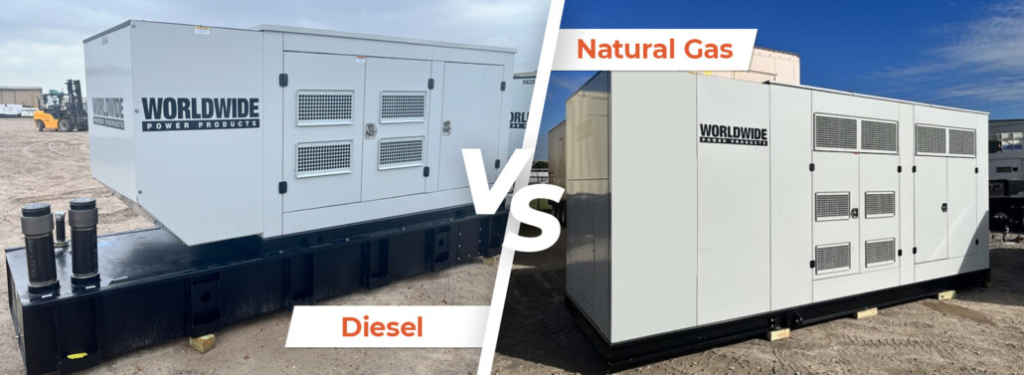
In this new world order, diesel-only systems are becoming more and more limited and less reliable. This is where natural gas generators come in. They have emerged as a practical and forward-looking alternative to those who want to stick to clean energy practices. These generators offer cleaner combustion, stable fuel supply through pipeline networks, and lower long-term operating costs. They also help improve the industry’s compliance with modern environmental standards.
The most important thing about natural gas generators is that they align with the modern business goals related to energy, which take energy as not just a backup, but also a part of a broader strategic power plan.
In 2026, this shift towards natural gas generators isn’t limited to those who want to achieve sustainability. It is also being adopted by those who want to control their costs and ensure regulatory safety and operational reliability altogether, without having to implement multiple solutions.
The 2026 Power Landscape: Why Diesel Is Losing Ground
For many years, diesel generators have been taken as the default solution for backup and standby power. They were not just trusted as something that’s reliable, but also widely supported and easy to deploy. But in 2026, the conditions that once favored diesels are now changing.
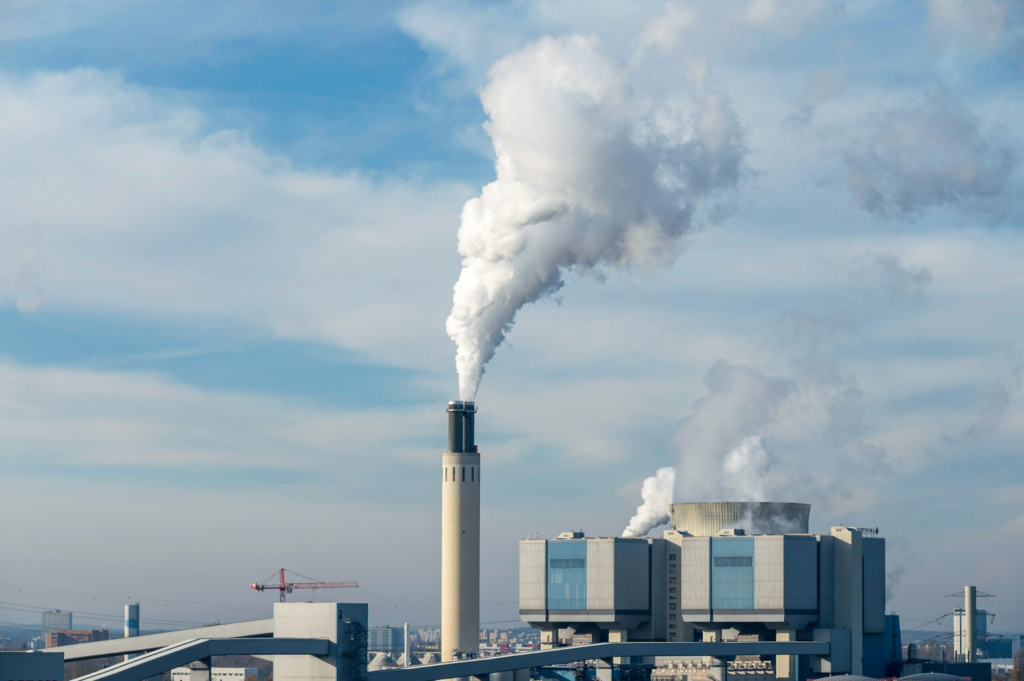
One of the biggest pressures for those who use diesel generators comes from the emission regulations and environmental protection agencies. Many governments and municipal authorities are now tightening their limits on nitrogen oxides, particulate matter, and overall carbon output that an industry is allowed. This is especially true for industries operating in urban and commercial zones. Meeting such strict standards often requires additional after-treatment services, higher-grade fuel, and more frequent compliance checks, all of which increase operational costs and hassle.
Fuel volatility is another concern with diesel generators. Fuel prices remain sensitive to global supply chain disruptions, wars, geopolitical shifts, and transportation costs. For businesses that operate multiple facilities or run on diesel generators for extended hours, fluctuating fuel expenses make budgeting very difficult and increase long-term costs.
On-site fuel storage also comes with its own risks. Diesel systems require storage tanks, regular inspections, spill prevention measures, and protection against contamination. With prolonged outages, limited tank capacity can become a serious issue. This is especially true for data centers, hospitals, and manufacturing plants where downtime is non-negotiable.
Compared to this, natural gas generators connect directly to existing pipeline infrastructure in most of these assemblies. This removes the need for on-site storage and significantly helps reduce power supply interruptions. Natural gas combustion also produces fewer emissions compared to when fuel is combusted, and thus makes it easy for industries to comply with environmental regulations, all while being cost-effective.
All in all, in 2026, modern-day businesses are not abandoning diesel because it has failures. Rather, they’re just moving away and shifting towards something that fulfills their operational demands, environmental standards, and cost structures in a better way.
7 Reasons Natural Gas Generators Are Leading the Clean Power Shift in 2026
In 2026, businesses are not just buying power backups. Rather, they’re investing in long-term operational stability for their businesses. The growing preference for natural gas generators is not just a trend. It is a calculated decision based on several performance-related reasons. Below are the seven reasons that explain this shift.
1. Cleaner Combustion That Meets Modern Emission Standards
Environmental regulations are becoming more stringent across commercial and industrial zones almost everywhere. Diesel generators that produce high levels of nitrogen oxides and sulfur compounds are hence no longer relevant.
Natural gas, since it burns significantly cleaner, produces lower carbon dioxide, has minimal particulate emissions, and ensures reduced sulfur output. Using it as their fuel, businesses can get easier permits, have a lower risk of penalties and fewer emission controls, and don’t have to invest much in emission-control upgrades. This ease of compliance makes natural gas generators a simpler and better option to go for.
2. No Fuel Storage Risks or Infrastructure Burden
Diesel systems often require on-site fuel tanks, which then incur the need for regular inspections, spill prevention systems, fuel quality monitoring, risk of contamination, and theft. Fuel degradation over time is another problem associated with on-site fuel tanks.
Natural gas generators, on the other hand, are connected to a pipeline that removes this entire storage issue. Using these generators means you need not worry about refueling logistics, and there are no theft or fuel-aging issues either. This reduces the overall operational complexity and frees the industry owners from extra stress and burden, headache.
3. Greater Fuel Price Stability
Diesel prices are directly influenced by geopolitical tensions and are almost never stable. Supply chain disruptions and transportation costs can spike at any time. Compared to this, natural gas markets are a little more stable and make it easier for businesses to operate under long-term supply contracts.
Their predictable pricing allows the industries to ensure accurate long-term budgeting and financial planning, while also protecting them against volatile pricing swings. The stability of fuel supply, in case of natural gas-run setups, makes it easier to reduce the overall operating costs.
4. Quieter and Smoother Operation
Since diesel engines run at higher compression levels, they create stronger vibrations, which result in loud mechanical noise. Natural gas engines, on the other hand, use spark ignition and cleaner combustion that leads to lower vibration, smoother performance, and reduced noise output, making them ideal for hospitals, universities, and other office buildings where power supply cannot be compromised.
5. Lower Maintenance Frequency and Engine Wear
Cleaner fuels used in modern generators lead to cleaner engines, which help industries avoid increased wear, more frequent servicing, and higher maintenance costs. Using natural gas combustion results in internal components staying cleaner, reduces oil contamination, and extends the service life of the facility, lowering the overall servicing expenses.
6. Extended Runtime During Long Grid Failures
Natural gas, compared to diesel, comes to a system through pipelines that can operate continuously if the gas supply is active. For operations that require long runtime, such as data centers, healthcare facilities, and manufacturing plants, natural gas generators help avoid refueling delays caused by defueling and transport restrictions or supply chain issues.
7. Stronger Long-Term Return on Investment
While the generators running on natural gas will come with a high upfront price, the savings that they offer during long-term ownership balance their cost, favoring them over any other form of generator.
These generators have low maintenance requirements, reduced emission compliance upgrades, stable fuel pricing, and face fewer refueling logistics. Hence, when evaluated over an extended period of 5 to 10 years, they can help businesses save a lot compared to their generic generators.
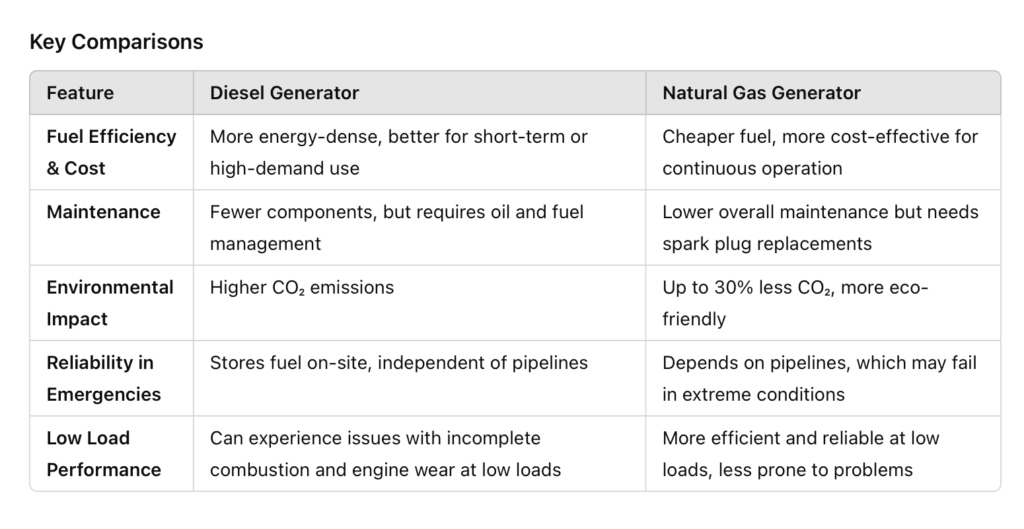
Natural Gas vs Diesel: A 5-Year Cost & Efficiency Breakdown
While diesel generators may appear more affordable at the time of purchase, the long-term financial picture often shifts in favor of natural gas. Here’s a breakdown that simplifies their understanding:
| Cost Factor | Natural Gas Generator | Diesel Generator |
|---|---|---|
| Initial Purchase | Moderate | Lower |
| Fuel Cost Stability | High | Low |
| Maintenance Frequency | Lower | Higher |
| Emission Compliance Costs | Lower | Higher |
| Extended Outage Capability | Continuous (pipeline) | Limited by the tank |
| Estimated 5-Year TCO | Lower overall | Higher overall |
Industries Leading the Shift to Natural Gas in 2026
Although natural gas generators have not fully replaced diesel generators everywhere, the existence of a few sectors without them is unimaginable. The reason professionals prefer natural gas generators is simple: they offer clean power, are less complicated, and have predictable costs. The following are some sectors where natural gas generators are quickly replacing diesel ones:
- Medical Sector
Power failure in hospitals can lead to serious situations. With extended runtime and noise-free operations, natural gas systems are becoming popular in the medical sector. Additionally, the lower emissions make it easier to meet regulatory requirements.
- Data Centers
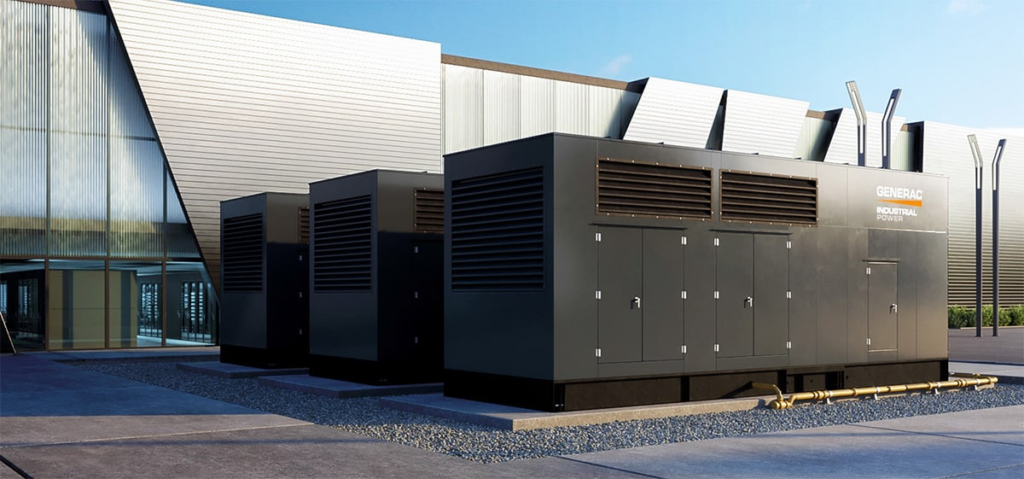
When there is an extended power outage, the diesel engines have to be refilled. This explains why they are not a good option for data centres where power outages contribute to monetary loss. Also, generators running on diesel accompany diesel storage risks. With the uninterrupted fuel supply through pipelines, natural gas generators are becoming inevitable in data centres too.
- Commercial Buildings
Commercial buildings have to comply with strict noise and environmental rules. By offering quiet and clean operations, natural gas generators are becoming ideal for office towers, malls, and mixed-use buildings.
- Manufacturing Plants
Production plants need steady and continuous power for their operations. Manufacturing plants that have to use generators continuously benefit from natural gas generators’ lower maintenance costs and fuel price stability.
- Universities & Large Campuses
Universities are often required to reduce emissions. Large campuses are shifting to natural gas generators to fulfill the emissions requirements while having enough power to depend upon.
All these sectors’ major aim behind the shift is to reduce risk, control expenses, and meet the regulations, all without disturbing their operations.
When Natural Gas May Not Be the Right Choice?
Despite the unlimited benefits of using natural gas generators in 2026, they are not suitable for all situations. One needs to determine the best power solution for the scenario based on the location, operational needs, and its intended use.
In the absence of a natural gas network, the installation can become costly; thus, gas pipeline access is a major factor that makes using natural gas generators unfavourable. As fuel is easy to transport, the diesel system is a preferred choice for rural areas, mining sites, and temporary projects.
Secondly, as the natural gas generators require a fixed utility connection for operations, they are not suitable for short-term use. Events, mobile operations, and continuously changing jobs benefit more from diesel systems that can be set up instantly.
Additionally, jobs that require frequent relocation use diesel generators as they don’t need any fixed infrastructure. It can be said that there is no fixed answer to the question of which generator is the best. One needs to find the preferred option based on operational needs.
How to Select the Right Natural Gas Generator in 2026?
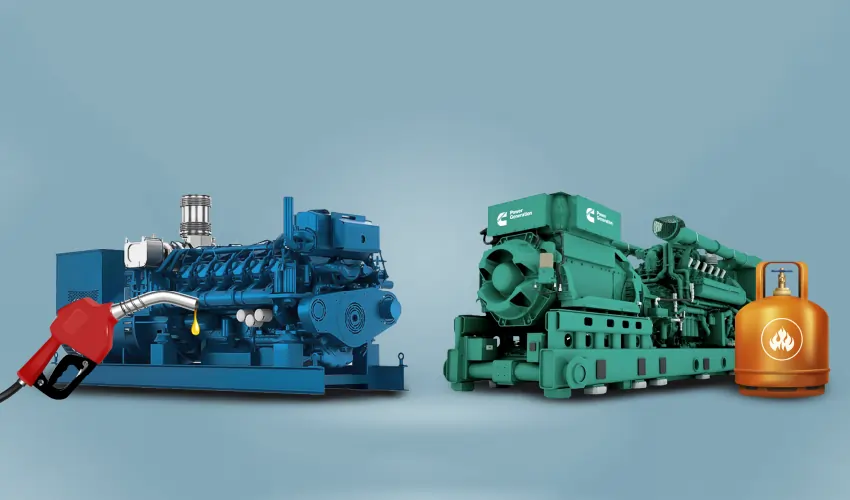
It’s 2026, and one cannot simply choose a generator offering the highest power. In fact, businesses need to concentrate on regulatory compliance, long-term operational performance, and proper sizing to choose the best option.
1. Determine Your Power Needs
Firstly, businesses need to understand the amount of power they will actually use. For this, they must consider their highest demand, continuous operating load, and be clear on their critical and non-critical systems. It’s essential to analyse the power needs, as a small generator can overload, whereas a larger one can only lead to expenses and reduced performance.
2. Avoiding Oversizing & Fuel Waste
A bigger generator does not always guarantee better performance. A bigger generator running on low load can result in reduced efficiency and can cost more fuel in the long run. Ensuring the power sizing guarantees higher fuel efficiency, better performance, and extended engine life. Make sure to consider your past energy usage to make realistic estimates.
3. Emission Compliance Verification
Natural gas is better for the environment than diesel, yet certain rules must be followed. Before buying a natural gas generator, make sure to confirm the local emission limits and required certifications, along with inspection and reporting needs.
Checking emission rules before installing or buying the generator can help save money on upgrades and hefty fines later on.
4. Installation Place
The place where you plan to install the generator matters too. In this regard, make sure you consider what to choose between Indoor and Outdoor Placement. You must also be clear on ventilation and airflow, heat management, and noise levels. By considering these factors, you can choose the right place for generator installation with proper airflow for better performance and enhanced safety.
5. After-Sales Support
Investing in a generator means investing in long-term power stability. While buying any generator, make sure to consider the initial cost along with service support, availability of spare parts, response time in emergencies, and warranty coverage period to make the right choice. The generator offering better support should be preferred over the one that is cheap initially but offers limited to no after-sales support.
Selection Checklist
Below is a quick selection checklist that will make the process of choosing the right generator easier for you:
- Verify Gas pressure
- Consider local emission rules
- Review maintenance schedule
- Inspect remote monitoring
- Compare total lifecycle cost and not just initial cost
The Future of Clean Backup Power
Natural gas generators are becoming immensely popular, all thanks to the benefits they offer. However, it’s important to note that they are not the only solution; in fact, they are a part of the evolution in energy.
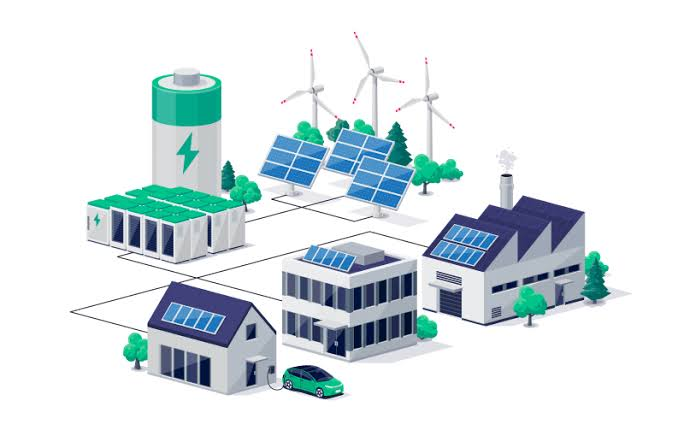
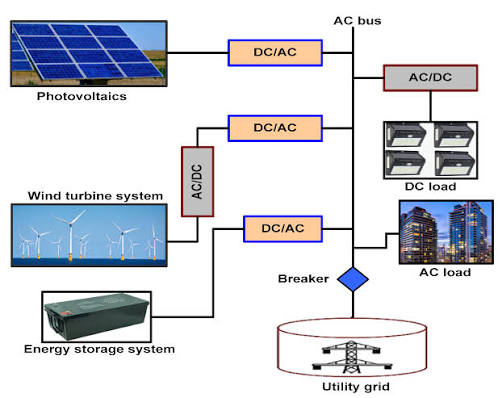
Hybrid systems using both solar power and natural gas are being used by many businesses. During the daytime, the solar panels provide energy, whereas at night, when energy is low, or in case of limited solar energy, natural gas generates power. Thus, keeping the operations uninterrupted.
Another advancement is the smart monitoring systems. These systems adjust the generator based on the power need and hence save fuel while improving efficiency.
Artificial Intelligence has revolutionised all fields, and the energy sector is no exception. Some companies use AI to control the load demand. Doing this helps them cut down the unwanted runtime and reduces the fuel consumption.
Natural gas is a cleaner alternative to diesel, yet it is regarded as a transitional fuel. Using it helps reduce the gap between traditional fossil fuels and fully renewable energy. Not only does it offer reliable power, but it also contributes to the fulfillment of the cleaner energy goal in the future. Simply stated, natural gas generators are a smart and practical option for all businesses interested in long-term investments.
Make The Right Generator Fuel Choice – Connect With ALEO Today
Whether one sticks to conventional diesel generators or opts for natural gas ones is a decision based on multiple, well-calculated factors. Regardless of the final choice, investing in a reliable and efficient power backup is essential to meet the modern-day industry production standards. Stay ahead of your competitors by making the right investment with ALEO today!
Our experts won’t just help you choose the best generator for your requirements, but will also guide you so you can get the right-sized backup. Visit our website and connect with us today to take the best power backup decision for efficient and sustainable industry practices in 2026.