Skip to content

Industrial operations rely heavily on motors that can deliver stable performance under demanding conditions, yet many buyers still underestimate how critical correct sizing really is. Selecting the wrong unit often leads to overheating, inefficient energy consumption, and unexpected downtime that disrupts productivity. Understanding how to choose a 10HP electric motor becomes essential when businesses want consistent output without operational risks or rising maintenance costs.
In many industries, a 10-horsepower unit sits at the perfect balance between power capacity and operational efficiency. However, horsepower alone does not determine whether a unit will perform successfully in real working environments. Factors such as speed, electrical requirements, torque behavior, and application compatibility all influence long-term reliability.
A well-evaluated selection process ensures equipment runs smoothly while avoiding performance mismatches that can shorten service life. Buyers frequently ask how fast a unit will run, how much current it consumes, or what machinery it can realistically power. These questions highlight the practical challenges industries face when comparing technical specifications with real operational needs.
This guide simplifies the decision-making journey by explaining performance characteristics, electrical considerations, and application suitability so businesses can confidently choose the right industrial motor for their specific requirements. So, read on:
Understanding What a 10HP Electric Motor Actually Means
A horsepower rating represents the mechanical output power a setup can deliver under rated operating conditions. Many buyers assume horsepower directly reflects performance capability, but in reality, it only indicates potential output when electrical energy is efficiently converted into motion. Understanding a 10HP motor rating helps industries evaluate whether the unit can sustain workload demands without excessive strain or energy loss.
Electric motors convert electrical input into rotational force, and part of this energy is always lost as heat due to resistance and mechanical friction. This means the electrical power consumed is higher than the usable mechanical output. Efficiency ratings, therefore, play a major role in determining how effectively a unit’s power output translates into real operational performance across continuous duty applications.
Another important relationship exists between speed, torque, and horsepower. A motor producing a higher speed may generate lower torque, while slower setups often deliver stronger rotational force for heavy loads. Choosing the correct balance depends on application requirements rather than horsepower alone. Evaluating these interacting variables allows buyers to match a balanced performance profile with equipment needs instead of relying on rating numbers alone.

In industrial environments, 10HP units are considered a versatile mid-range solution because they support a wide variety of machinery without requiring complex electrical infrastructure. From pumps and compressors to conveyors and processing systems, this rating provides sufficient strength for medium-scale operations while maintaining manageable operating costs. This flexibility explains why the industrial motor capacity of 10HP units is widely adopted across multiple sectors.
Key Performance Factors That Determine Motor Suitability
Selecting the right option requires analyzing operational characteristics beyond basic specifications listed on a nameplate. Performance reliability depends on how well the setup’s behavior aligns with real workload conditions such as load variation, operating hours, and environmental demands. A structured evaluation of a unit’s performance factors helps industries prevent inefficiencies that may not appear during initial installation but emerge over long-term use.
One of the most important considerations is rotational speed, commonly measured in revolutions per minute. The actual speed of a 10HP unit depends primarily on its pole configuration and supply frequency. Two-pole motors typically operate near 3000 to 3600 RPM, while four-pole designs run closer to 1500 to 1800 RPM, offering improved torque stability. Matching application requirements with the correct motor speed selection ensures machinery operates efficiently without excessive wear or vibration.
Torque characteristics also influence how effectively a device handles startup and continuous operation. Equipment such as compressors or conveyors may require higher starting torque to overcome inertia, while fans and pumps often operate under lighter variable loads.
Understanding load behavior allows engineers to choose setups capable of maintaining steady output under changing conditions, supporting consistent load handling capability throughout operational cycles.
Electrical compatibility further determines whether a unit performs safely within an existing power system. Voltage ratings, phase configuration, and starting current requirements must align with facility infrastructure to avoid overheating or electrical stress.
Proper evaluation of supply conditions ensures reliable integration while protecting both equipment and electrical components, ultimately supporting dependable industrial motor operation across demanding environments.
Step-by-Step Process to Choose the Right 10HP Motor
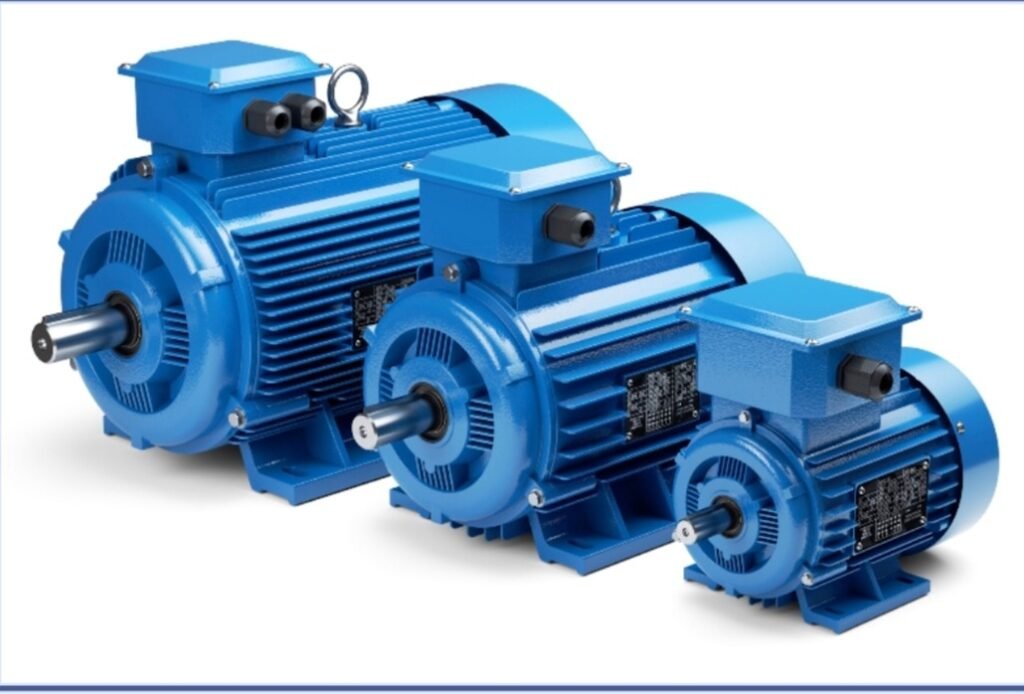
Selecting an industrial motor becomes significantly easier when buyers follow a structured evaluation method instead of relying solely on specifications or past purchasing habits. A systematic approach reduces technical uncertainty and ensures the unit aligns with operational, electrical, and environmental requirements.
Step 1: Define Application Load
The first step in choosing a suitable option is understanding the exact workload it must handle during operation. Different machines place different demands on motors, ranging from constant loads in conveyor systems to variable loads in pumps and ventilation equipment. Accurately defining the working conditions allows engineers to estimate torque requirements and prevents undersizing or oversizing during the application load analysis stage.
Load evaluation should include startup conditions, operating duration, and peak demand scenarios. Equipment that starts under heavy resistance requires a stronger starting torque compared to systems that accelerate gradually. Considering these factors ensures the selected unit maintains stable output without overheating or excessive energy consumption, supporting dependable operational load matching throughout daily use.
Step 2: Determine Required RPM
Motor speed plays a critical role in determining how efficiently machinery performs its intended function. A 10HP unit does not operate at a single universal speed, as rotational velocity depends on pole configuration and supply frequency. Matching equipment requirements with proper speed characteristics ensures smooth motion and reduces mechanical stress, making correct RPM selection essential for long term reliability.
High-speed motors are typically suitable for fans and centrifugal pumps, while lower-speed configurations provide higher torque for heavy industrial machinery. Selecting an incorrect speed often results in vibration, premature wear, or inefficient operation. Evaluating the required output speed before purchase helps maintain balanced performance and improve overall machine efficiency control during operation.
Step 3: Confirm Electrical Supply
Before finalizing unit specifications, buyers must verify compatibility with the facility’s electrical infrastructure. Voltage rating, phase configuration, and frequency must align with the available power supply to prevent electrical instability or performance limitations. Ensuring electrical compatibility early simplifies installation and supports safe power system integration within industrial environments.
Three-phase power systems are commonly preferred for 10HP units because they offer smoother operation and improved efficiency compared to single-phase alternatives. Checking transformer capacity, protection devices, and wiring conditions helps avoid voltage drops that may negatively affect performance. Proper planning ensures consistent electrical performance stability under continuous workloads.
Step 4: Calculate Expected Amp Draw
Understanding current consumption is essential for selecting cables, circuit breakers, and protection systems. The amp draw of a 10HP motor varies depending on voltage level, efficiency rating, and power factor. Estimating electrical demand helps facilities prepare adequate infrastructure while preventing overheating caused by undersized wiring, making current consumption planning a critical decision step.
| Voltage | Phase Type | Approximate Amp Draw | Typical Industrial Use |
| 230V | Three Phase | 24–28 A | Small industrial facilities |
| 380–400V | Three Phase | 14–17 A | Standard industrial systems |
| 460V | Three Phase | 12–14 A | Heavy industrial environments |
| 230V | Single Phase | 45–50 A | Limited commercial applications |
These values represent general operating ranges, and actual current consumption may vary depending on efficiency rating, load conditions, and power factor. Proper evaluation ensures safe and efficient electrical setup for continuous industrial operation.
Step 5: Evaluate Operating Environment
Environmental conditions strongly influence setup’s lifespan and performance consistency. Factors such as ambient temperature, dust exposure, humidity levels, and outdoor installation requirements determine the type of enclosure and cooling system needed. Assessing environmental risks ensures the motor withstands harsh conditions while maintaining reliable environmental suitability assessment over time.
Units operating in dusty or wet environments may require higher protection ratings to prevent contamination or internal damage. Proper ventilation and cooling design also help avoid thermal stress during continuous operation. Considering these environmental variables protects equipment investment and enhances long term durability performance in demanding applications.
Step 6: Compare Efficiency Ratings
Energy efficiency directly affects operational expenses throughout a setup’s lifecycle. Higher efficiency motors convert more electrical energy into usable mechanical output, reducing heat losses and lowering electricity consumption. Comparing efficiency classifications enables buyers to prioritize long term savings instead of focusing solely on purchase price, reinforcing smarter efficiency-based selection decisions.
Efficient equipment also operates at lower temperatures, which reduces insulation stress and extends component lifespan. Over years of continuous operation, improved efficiency can significantly reduce energy costs and maintenance frequency. Evaluating efficiency ratings supports sustainable operations while strengthening overall industrial cost optimization strategies.
Step 7: Verify Mounting Compatibility
Mechanical compatibility must be confirmed before installation to ensure seamless integration with existing equipment. Shaft dimensions, mounting configuration, and alignment requirements vary depending on machinery design. Verifying these physical parameters prevents installation delays and eliminates costly modifications during the mechanical fit verification process.
Proper alignment between motor and driven equipment reduces vibration and bearing wear, improving operational stability. Choosing the correct mounting style also simplifies maintenance access and enhances structural reliability. Careful compatibility checks contribute to smoother commissioning and dependable equipment integration performance from the start.
Step 8: Select a Trusted Manufacturer
The final step involves choosing a manufacturer capable of delivering consistent quality and long-term support. Reliable suppliers provide tested products, technical documentation, and accessible spare parts, which are essential for minimizing downtime in industrial environments. Partnering with a reputable brand strengthens confidence in overall manufacturer reliability assurance.
Beyond product quality, strong technical support and compliance with international standards help ensure safe and efficient operation throughout the setup’s service life. Selecting an experienced manufacturer ultimately protects operational continuity and reinforces dependable long term motor performance across demanding industrial applications.
Common Mistakes To Avoid When Selecting a 10HP Electric Motor
Even experienced industrial buyers occasionally make decisions based on assumptions rather than detailed evaluation. Electric motors operate within interconnected mechanical and electrical systems, meaning a small oversight during selection can create long-term performance problems.
Issues such as overheating, excessive energy consumption, or unexpected downtime often originate from early planning mistakes rather than product defects. Recognizing common errors helps businesses develop a more reliable setup selection approach that supports stable and efficient operations.
A frequent mistake involves choosing a unit solely based on horsepower without carefully analyzing the actual application load. While a 10HP rating indicates power capability, it does not automatically guarantee compatibility with every machine. Different equipment demands varying torque levels, startup characteristics, and operating cycles.
Without proper workload evaluation, motors may operate inefficiently or experience unnecessary stress, making accurate load analysis planning essential before finalizing specifications.
Another common issue arises when buyers overlook speed and torque relationships. Motors running at incorrect rotational speeds can cause vibration, mechanical wear, or reduced productivity. Equipment such as compressors and conveyors often requires strong starting torque, while fans and pumps function better with higher speeds and lighter loads.
Matching operational behavior with setup characteristics ensures balanced performance and improves overall speed torque coordination across industrial processes.
Electrical compatibility is also frequently underestimated during procurement decisions. Voltage ratings, phase configuration, and available electrical capacity must align with motor requirements to ensure safe operation. Installing a unit without confirming electrical infrastructure readiness can result in excessive current draw, breaker trips, or overheating. Early verification of supply conditions supports smoother installation and maintains dependable electrical compatibility planning throughout operation.
Oversizing a unit for perceived safety margins is another widespread misconception. Many buyers assume selecting a larger unit improves durability, yet setups operating far below their rated capacity often lose efficiency and consume unnecessary energy. Poor loading conditions can negatively affect power factor and increase operating costs over time. Selecting equipment according to realistic demand encourages proper, efficient motor sizing and enhances long-term performance stability.
Environmental conditions are equally important but are often considered too late in the selection process. Dust, moisture, temperature variations, and ventilation limitations significantly influence motor lifespan and cooling effectiveness. Motors not suited for their surroundings may fail prematurely despite correct electrical ratings. Evaluating installation conditions early allows proper enclosure and cooling choices, strengthening overall environmental suitability evaluation for industrial environments.

Another overlooked factor is starting current behavior. Electric motors typically draw significantly higher current during startup compared to normal operation, which can strain electrical systems if not properly accounted for. Failure to consider this surge may cause voltage fluctuations or protection system interruptions.
Finally, focusing only on purchase price instead of lifecycle value often leads to costly outcomes. Lower-priced motors may appear economical initially, but can generate higher expenses through energy inefficiency, maintenance needs, or downtime risks.
Applications: What Can a 10HP Electric Motor Power?
A 10HP electric motor is widely used across industries because it delivers a balanced combination of power, efficiency, and continuous operating capability.
In industrial manufacturing environments, 10HP motors commonly power conveyors, compressors, mixers, and centrifugal pumps that operate for extended periods. These machines require consistent rotational force rather than extreme peak power, making a 10HP rating ideal for maintaining steady production flow. The motor’s ability to support continuous duty cycles ensures dependable manufacturing equipment operation under regular workload conditions.
Agricultural systems also benefit from this motor size, particularly in irrigation pumps and grain handling equipment, where reliable operation is essential during seasonal demand. These applications often run for long hours and require motors capable of maintaining efficiency without overheating. The balanced torque output of a 10HP motor supports smooth agricultural system performance while keeping energy consumption manageable.
Within HVAC and building infrastructure, 10HP motors are frequently used in large ventilation fans and chiller systems that demand consistent airflow and thermal regulation. Such equipment depends on stable speed and uninterrupted operation, which aligns well with the motor’s continuous running characteristics. This makes the rating suitable for dependable building system reliability in commercial facilities.
Commercial and processing industries also rely on 10HP motors for packaging lines, crushers, and woodworking machinery, where moderate power and controlled motion are essential.
These applications benefit from steady torque delivery and operational durability, allowing equipment to perform efficiently across repeated production cycles. The motor’s design supports sustained workloads, reinforcing its role in efficient processing equipment performance.
Reliable 10HP Motor Manufacturers For Industrial Buyers – Connect With DMKE
Selecting the right 10HP electric motor involves more than comparing horsepower ratings or basic specifications. At DMKE, our engineers support industrial buyers in evaluating performance requirements, electrical compatibility, and operating conditions to ensure every motor matches its intended application with precision and reliability.
Whether you require standard configurations or customized solutions, each motor undergoes strict multi-stage testing to deliver consistent efficiency, durability, and operational safety across demanding environments.
Visit our website or contact us today to receive expert guidance and discover BLDC, servo, and other 10hp solutions designed to meet your exact industrial requirements and needs in the best possible way.