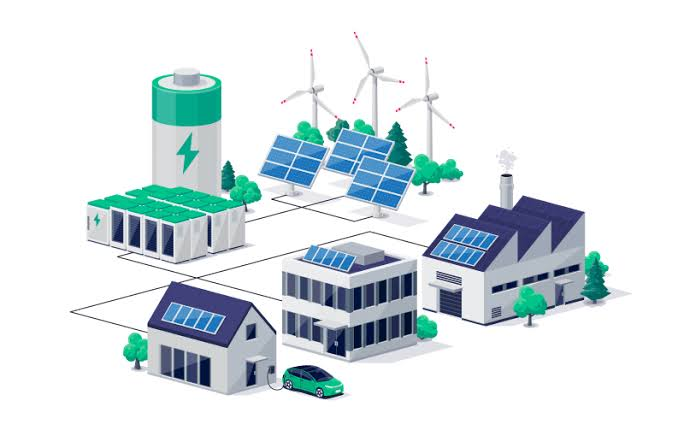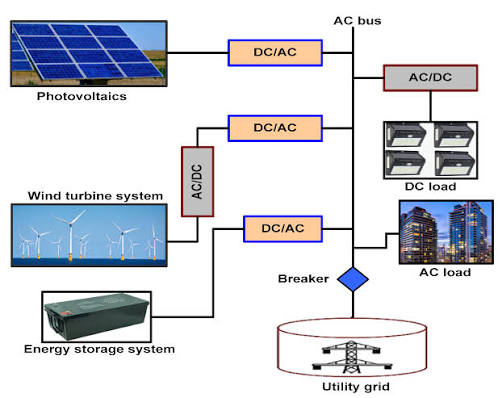
When planning an electrical distribution system, selecting the right transformer is a critical decision that impacts safety, reliability, total cost of ownership, and project feasibility. The two primary contenders in the medium-voltage and high-power landscape are dry-type transformers and oil-immersed transformers. While both serve the same fundamental purpose of changing voltage levels, their inherent design differences make each suitable for specific applications.
This guide breaks down the key characteristics, advantages, and limitations of each type to help you make an informed choice for your next project.
Core Technology and Construction
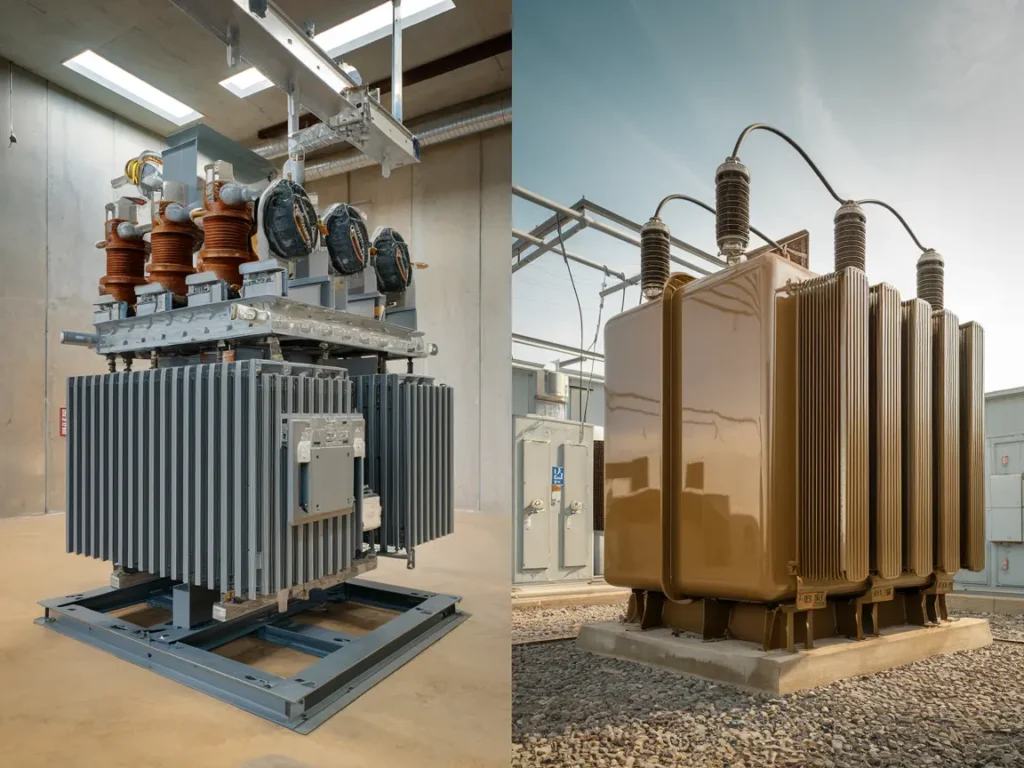
Dry-Type Transformers use air or solid insulation (like epoxy resin or vacuum pressure impregnation) to cool and insulate their core and windings. They are often housed in a ventilated enclosure.
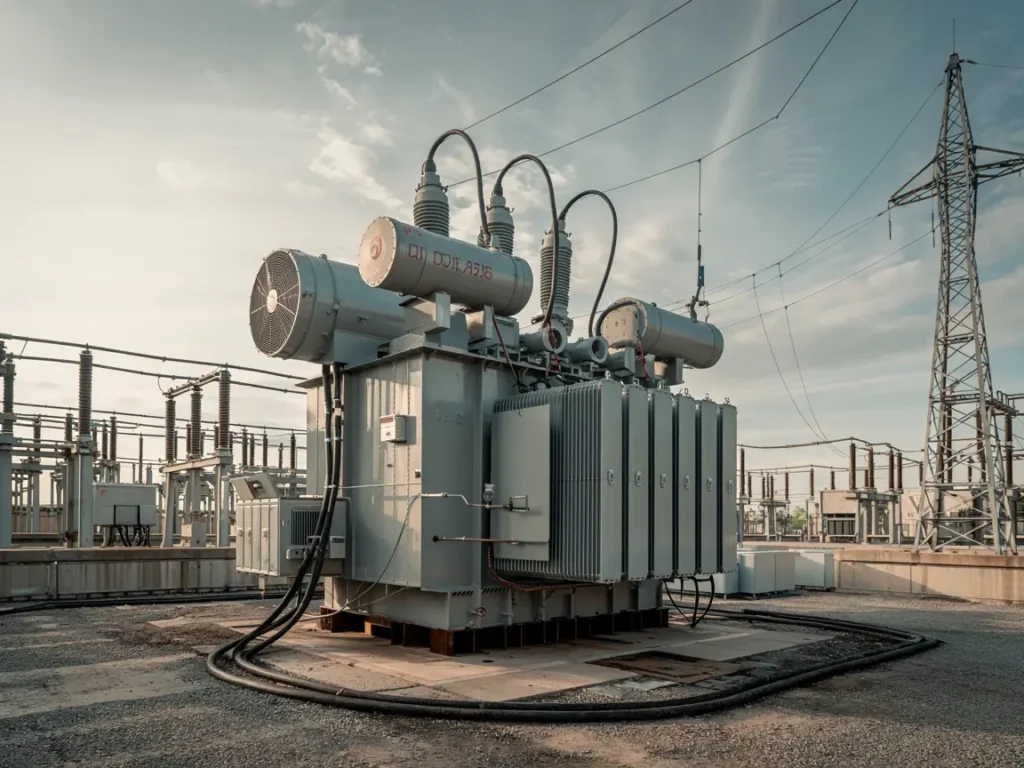
Oil-Immersed Transformers submerge their core and windings in a dielectric insulating oil, typically contained within a sealed steel tank. The oil acts as both an insulator and a coolant, dissipating heat through radiators.
Key Comparison Factors
| Feature | Dry-Type Transformer | Oil-Immersed Transformer |
|---|---|---|
| Cooling/Insulation Medium | Air, Epoxy Resin, Cast Coil | Mineral or Synthetic Oil |
| Fire Safety & Environmental Risk | Higher Safety. Non-flammable insulation eliminates risk of oil fires or spills. Ideal for indoor, populated areas. | Requires Containment. Oil is flammable and poses a spill risk. Requires vaults, dykes, and fire suppression systems indoors. |
| Location & Space | Flexible Indoor Installation. Can be placed directly in electrical rooms, basements, or near the load. Saves on cable costs. | Typically Outdoor/ Dedicated Vaults. Best suited for outdoor substations or fire-rated indoor vaults due to oil risk. |
| Efficiency & Losses | Slightly higher no-load and load losses. Efficiency is very good but generally lower than equivalent oil-filled units. | Higher Efficiency. Lower operating losses due to superior cooling properties of oil, leading to lower long-term energy costs. |
| Overload Capacity | Limited. Air cooling is less effective for sustained overloads. | Excellent. Oil’s thermal capacity allows for better short-term overload handling. |
| Maintenance | Low. Primarily involves cleaning, checking connections, and monitoring cooling fans. No oil testing. | Regular & Critical. Requires periodic oil sampling, testing (dielectric strength, moisture, DGA), filtration, and leak inspections. |
| Initial Cost | Generally higher for equivalent ratings due to costly insulation materials. | Generally lower initial purchase cost. |
| Lifespan & Reliability | 20-30 years. Sensitive to ambient conditions (dust, moisture, corrosive atmospheres). | 30-40+ years. Proven, robust technology. Protected internal components are less susceptible to environmental contaminants. |
| Noise Level | Can be louder; cooling fans add to audible noise. | Quieter operation; tank muffles core noise. |
| Power Rating & Voltage | Typically up to ~30-35 MVA and up to 66 kV. Common in medium-voltage applications. | Can be built for much higher ratings (hundreds of MVA) and ultra-high voltages (HV/EHV). The standard for utility-scale power transmission. |
How to Choose: Matching Transformer to Project Needs
Use this decision framework to guide your selection:
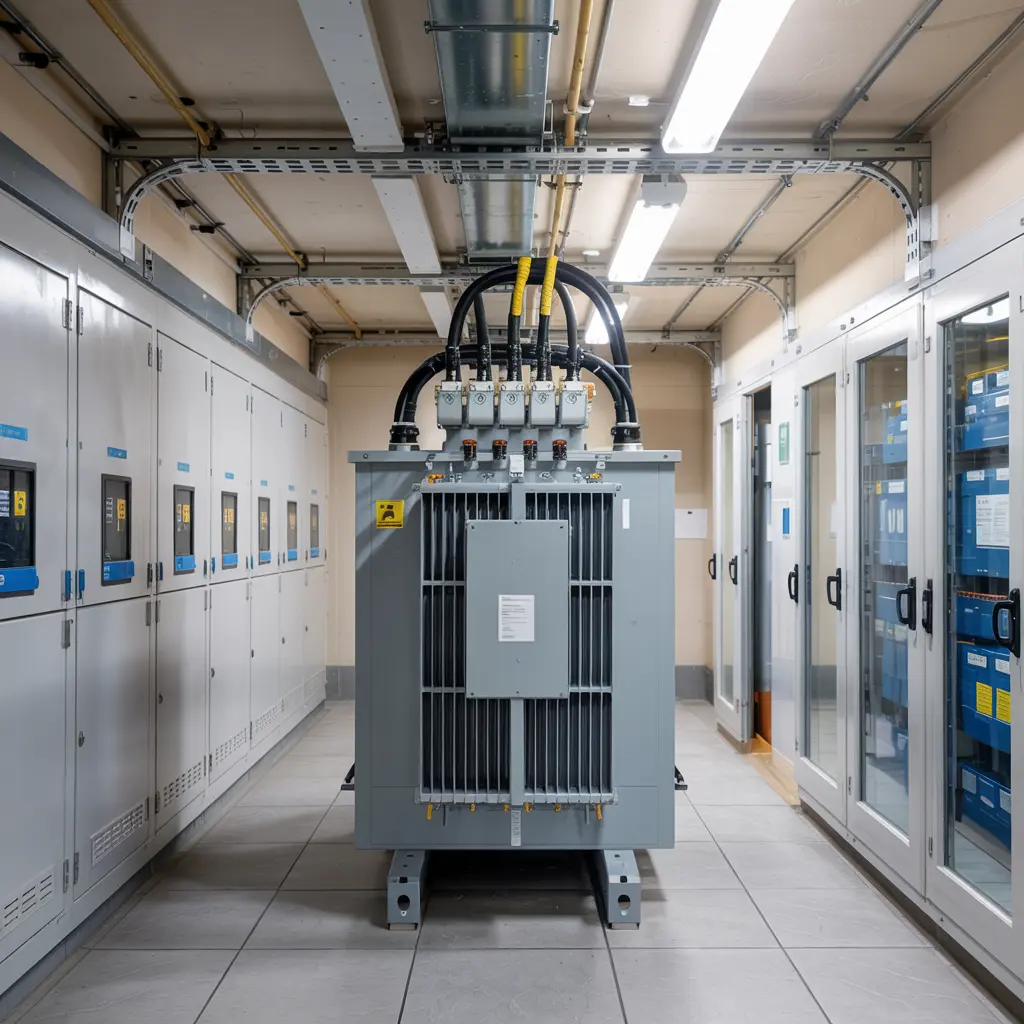
Choose a DRY-TYPE Transformer if your project involves:
- Indoor Installations: Commercial buildings (high-rises, hospitals, airports, data centers), manufacturing plants, tunnels, underground facilities.
- Fire Safety is Paramount: Locations with strict fire codes, crowded spaces, or where environmental contamination is unacceptable.
- Lower Maintenance Commitment: Sites without dedicated substation maintenance teams.
- Lower Load Density & Proximity to Load: Where placing the transformer close to electrical panels reduces distribution losses.
Choose an OIL-IMMERSED Transformer if your project involves:
- Outdoor Substations: Utility power distribution, industrial plants with outdoor yards, renewable energy farms (solar/wind).
- High Power & Voltage Requirements: Projects needing ratings above 30 MVA or primary voltages above 66 kV.
- Cost-Effectiveness for High Loads: Where lower initial cost and higher efficiency justify the need for containment systems.
- Harsh Environments (Outdoor): The sealed tank provides excellent protection against moisture and contaminants.
- Proven, Long-Term Reliability: Applications where a decades-long service life with proven technology is the top priority.
The Total Cost of Ownership (TCO) Perspective
Look beyond the initial purchase price. While dry-types often have a higher upfront cost, they can save significantly on installation (no vaults/dykes) and maintenance. Oil-immersed units, with a lower initial cost, may incur higher lifetime costs for civil works (vaults), oil management, and more intensive maintenance, but offer savings through higher efficiency.
Conclusion
There is no universal “best” transformer. The optimal choice is a direct function of your specific project requirements, location, budget, and risk profile.
- Prioritize safety, indoor placement, and lower maintenance? A Dry-Type Transformer is likely your solution.
- Need high power, high efficiency for an outdoor site, and have maintenance capabilities? An Oil-Immersed Transformer remains the robust, economical workhorse.
For critical applications, always consult with a qualified electrical engineer or transformer specialist to perform a detailed analysis tailored to your project’s lifecycle needs.