Modern economies run on continuous energy availability, yet the true structure of global power consumption is often misunderstood outside industrial sectors. While public discussions frequently highlight renewable expansion, the daily operation of mines, manufacturing plants, logistics networks, and construction projects still depends on energy systems capable of delivering uninterrupted output under demanding conditions. Reliable energy supply remains the primary requirement for industries where even short power interruptions can result in production losses, equipment damage, or safety risks.
Across the world, energy demand continues to rise alongside urban growth, digital infrastructure expansion, and resource extraction activities. Mining operations require constant electricity for drilling, ventilation, crushing systems, and material handling, while large industrial facilities operate around the clock to maintain productivity targets. These environments cannot rely solely on variable energy sources, which explains why conventional power generation continues to play a dominant global role despite technological progress. Rising industrial energy demand continues to shape how countries plan and secure long-term power generation capacity.
Another important factor shaping global energy use is location. Many industrial projects operate far from established electrical grids, particularly in mining regions and large-scale infrastructure developments. In such scenarios, businesses depend on dedicated power generation systems that can operate independently and deliver stable performance regardless of external grid reliability. Industrial power continuity, therefore, becomes a strategic necessity rather than a technical preference.
To understand why approximately 80 percent of the world’s energy still comes from traditional sources, it is essential to examine how energy is actually produced, consumed, and distributed across industries. Understanding these fundamentals helps decision-makers evaluate realistic energy strategies while selecting dependable power solutions for demanding applications. Global energy structure reveals why industrial generators continue to play a critical role in supporting modern economic activity. So, read on:
Understanding How Global Energy Actually Works
Before identifying which sources dominate global energy supply, it is important to understand how energy is actually measured and used across industries. Many misconceptions arise because energy consumption is often discussed without distinguishing between electricity production and total industrial energy usage. Global energy fundamentals help explain why certain power sources continue to lead worldwide consumption.
Energy vs Electricity: A Common Confusion
Many discussions about global energy begin with electricity statistics, but electricity represents only one part of total energy consumption. Energy is also used directly in transportation fuels, industrial heating systems, manufacturing processes, and heavy machinery operations that never convert fuel into electrical power. This distinction is important because global energy dependence cannot be understood by examining power grids alone. Total energy consumption includes every form of usable energy required to keep economies functioning beyond residential electricity use.
Industries such as mining, shipping, aviation, and large-scale manufacturing rely heavily on fuels burned directly to generate motion, heat, or mechanical force. Oil powers transportation networks, natural gas supports industrial heating, and coal continues to supply energy for large production facilities worldwide. These applications explain why energy transitions occur gradually rather than rapidly, as entire industrial systems are built around existing fuel infrastructures. Industrial energy applications, therefore, extend far beyond what typical electricity generation statistics suggest.
Understanding this difference also clarifies why industrial generators remain essential even in regions expanding renewable electricity capacity. Generators convert fuel into controlled electrical output wherever grid power is unavailable or unstable, bridging the gap between fuel-based energy systems and operational electricity needs. On-site power generation allows industries to maintain productivity regardless of broader grid limitations.
Why Reliability Drives Energy Choices?
Industrial energy decisions are primarily influenced by reliability rather than innovation trends or public perception. Facilities operating continuous production lines cannot risk unexpected shutdowns caused by inconsistent power availability. Even short disruptions may halt automated systems, damage sensitive equipment, or create safety hazards for workers operating heavy machinery. Operational reliability requirements, therefore, guide how companies evaluate energy sources and backup solutions.
Baseload energy plays a critical role in maintaining stability across national and industrial energy systems. Baseload refers to the minimum level of continuous energy demand that must be met at all times, regardless of weather conditions or time of day. Traditional fuel-based power plants and generators excel in meeting these constant requirements because they can operate predictably for extended periods. Consistent baseload power remains essential for industries that require uninterrupted performance.
For mining sites and remote infrastructure projects, reliability becomes even more critical because external grid support may not exist. Companies must deploy power systems capable of operating independently under harsh environmental conditions. Industrial generators provide controlled, scalable energy output aligned with real operational risks rather than theoretical efficiency models. Dependable energy planning helps organizations minimize downtime while maintaining safe and efficient operations.
Where Industrial Generators Fit in the Energy Chain?
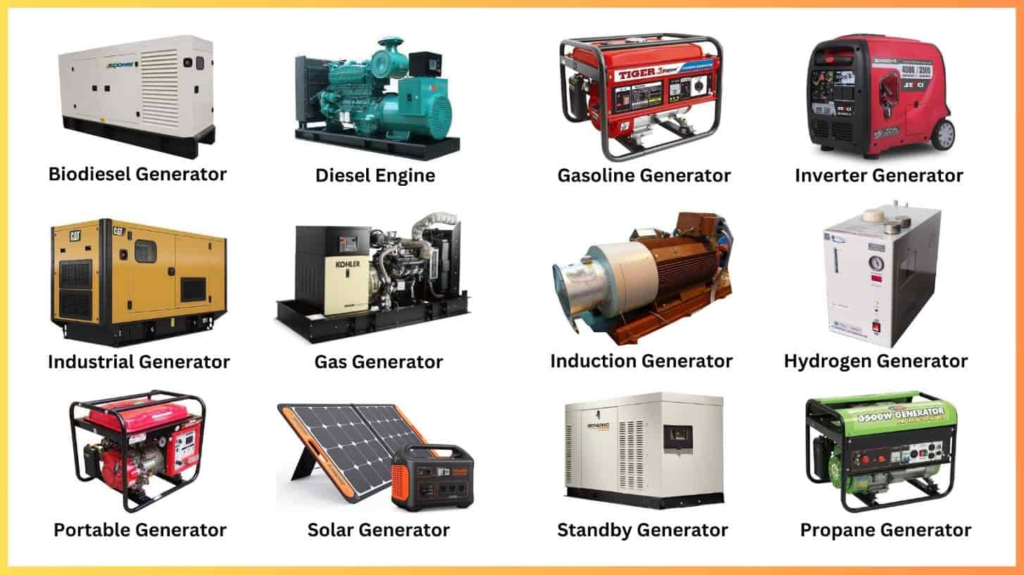
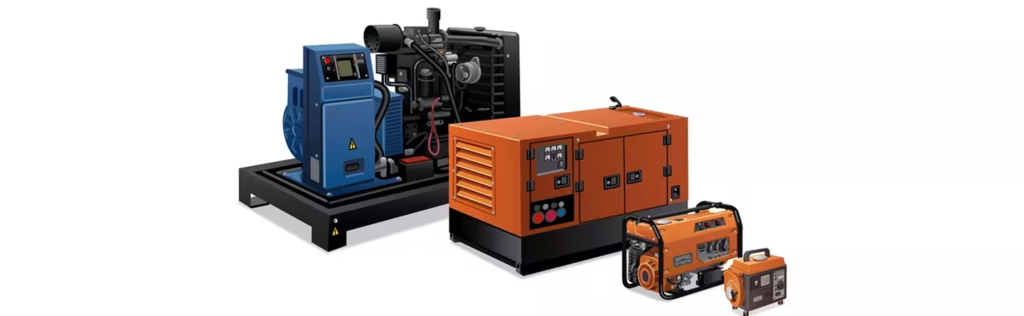
Industrial generators occupy a unique position within global energy systems by acting as both primary and backup power sources, depending on operational needs. In developed regions, generators commonly function as emergency backup systems protecting facilities from grid outages. In remote regions, however, generators often serve as the main electricity source supporting entire industrial operations. Flexible power generation roles make generators indispensable across diverse industries.
Mining operations illustrate this role clearly. Exploration sites, extraction zones, and processing facilities are frequently located far from national grid infrastructure, requiring dedicated power plants built around generator systems. These installations supply electricity for lighting, ventilation, equipment operation, and worker safety systems continuously. Remote industrial power supply enables projects to operate efficiently regardless of geographic limitations.
Even within urban environments, generators support hospitals, data centers, manufacturing plants, and logistics hubs by providing redundancy during peak demand or emergency scenarios. As global energy demand grows and infrastructure faces increasing pressure, generators continue functioning as stabilizing assets within broader power networks. Energy system resilience ultimately depends on reliable backup and distributed generation solutions integrated alongside centralized energy production.
What Provides Most of the World’s Energy Today?
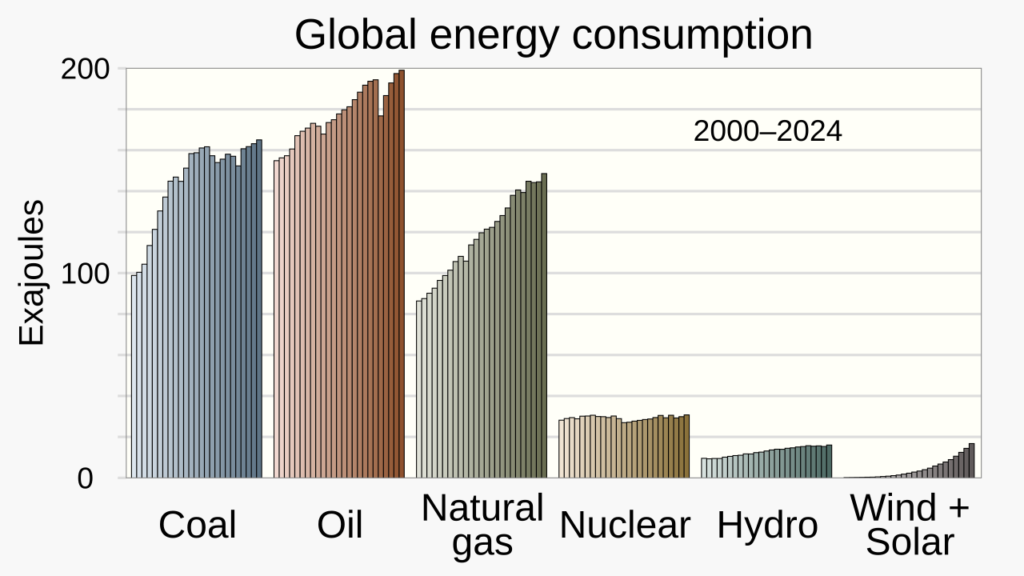
To understand what supplies the majority of global energy, it is necessary to look beyond headlines about energy transition and examine how industries actually operate. Global consumption patterns are shaped by scalability, fuel availability, and the ability to deliver uninterrupted power across diverse environments. Global energy dominance is therefore determined by practical performance rather than theoretical potential.
What Provides 80% of the World’s Energy Today?
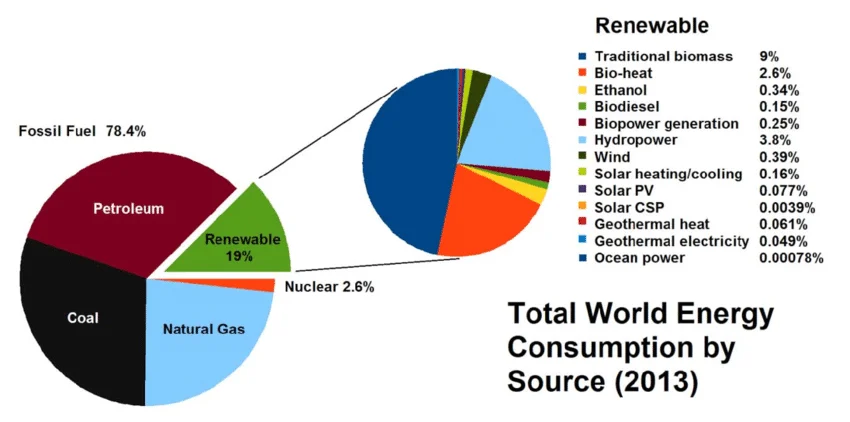
Today, nearly 80 percent of the world’s total energy supply comes from fossil fuels, primarily oil, coal, and natural gas. These sources remain dominant because they provide high energy output, reliable storage, and well-established transportation infrastructure capable of supporting global demand. Despite rapid renewable investment, most industrial systems continue to rely on fuels that can deliver consistent performance regardless of environmental conditions. Fossil fuel dependence persists because industries prioritize predictable energy availability over variability risks.
Oil supports transportation and heavy machinery, coal continues powering large-scale electricity generation in several regions, and natural gas provides flexible energy production for both industrial heating and electrical generation. These fuels collectively form the backbone of modern economic activity, enabling manufacturing, mining, logistics, and construction sectors to operate continuously. Integrated fuel infrastructure built over decades further reinforces their continued dominance in global energy supply.
Industrial generators align closely with this reality because they are designed to operate using widely available fuels such as diesel or natural gas. This compatibility allows businesses to deploy reliable power solutions quickly without requiring entirely new energy ecosystems. Fuel-compatible generator systems, therefore, remain essential for industries operating in remote or energy-intensive environments.
What Is the #1 Source of Energy Globally?
Among all energy sources, oil remains the single largest contributor to global energy consumption. Its versatility allows it to power transportation networks, industrial equipment, aviation systems, and backup electricity generation simultaneously. Unlike many alternative energy sources, oil can be transported efficiently and stored for extended periods without significant energy loss. Oil energy leadership continues because no other energy source currently matches its global accessibility and operational flexibility.
Industrial sectors depend heavily on oil-powered machinery, particularly in construction and mining applications where mobility and high torque output are essential. Generator manufacturers also design many industrial units around diesel engines due to their durability and ability to handle fluctuating load demands. Diesel-powered reliability makes oil-derived fuels especially valuable for critical operations requiring uninterrupted performance.
Although renewable technologies are expanding, replacing oil entirely would require rebuilding transportation systems, industrial equipment fleets, and fuel distribution networks worldwide. This large-scale transformation explains why oil continues to hold the top position in global energy rankings today.
Why Mining Power Generation Still Depends on Fuel-Based Systems?
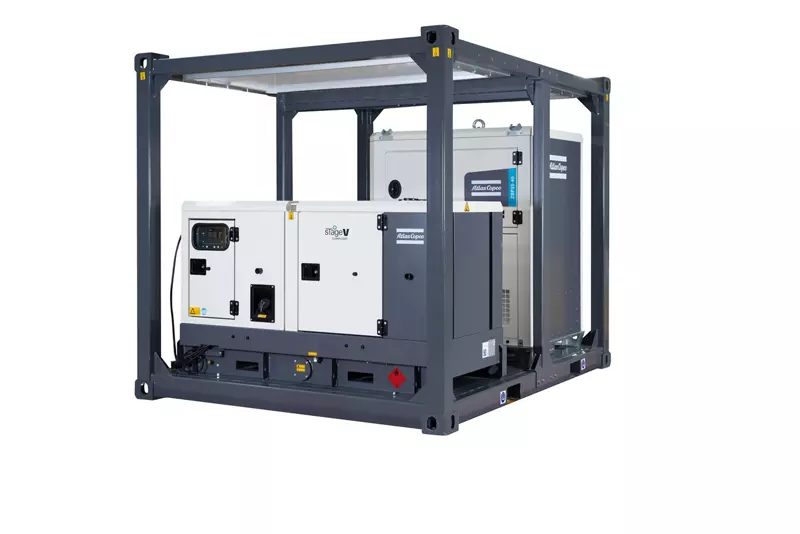
Mining operations represent one of the clearest examples of why conventional energy sources remain indispensable. Extraction sites are frequently located in isolated regions where grid infrastructure is either limited or nonexistent, making independent power generation essential from the earliest stages of operation. Remote mining energy needs require power systems capable of operating continuously under harsh environmental conditions.
Heavy mining equipment demands stable electricity loads to operate crushers, drilling rigs, conveyor belts, ventilation systems, and safety monitoring technologies. Interruptions in power supply can halt production or create hazardous underground conditions, making reliability the highest priority for operators. Fuel-powered generators provide immediate and controllable electricity output that supports round-the-clock operations. Continuous operational power ensures both productivity and worker safety in demanding extraction environments.
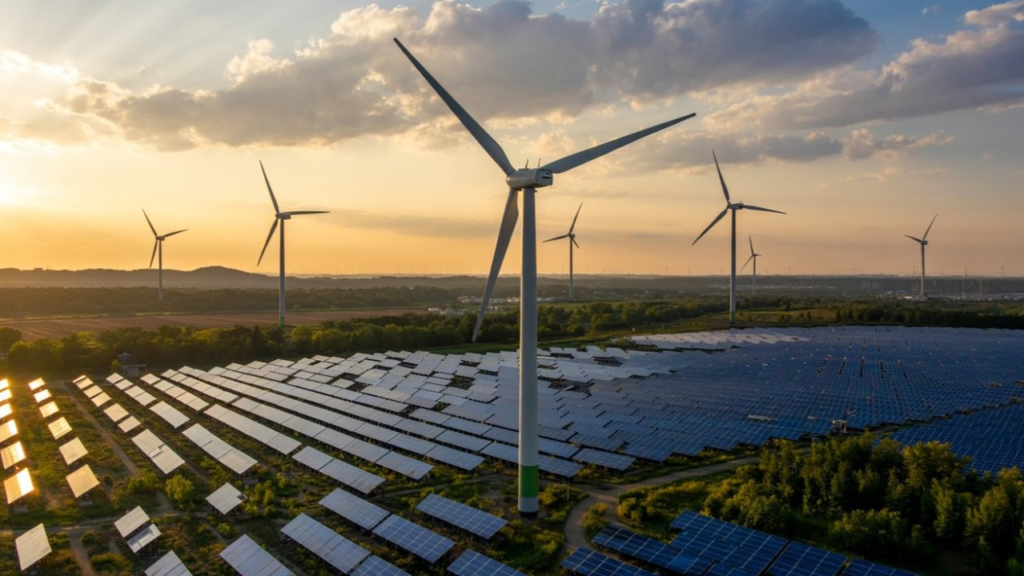
While renewable solutions such as solar installations are increasingly introduced at mining sites, they typically function as supplementary energy sources rather than primary systems. Generators remain the backbone of mining power strategies because they deliver predictable performance regardless of weather variability. Hybrid power generation models increasingly combine renewables with generators, reinforcing the generator’s role as a stabilizing force within evolving industrial energy systems.
Regional Energy Dependence Around the World
Energy consumption patterns vary globally, yet industrial economies rely heavily on conventional fuels for stable power. Geography, infrastructure, and economic priorities influence these choices. Regional energy realities explain why fossil fuels remain dominant.
Where Does 85% of US Energy Come From?
Mostly petroleum, natural gas, and coal. Oil powers transportation, natural gas supports industry and electricity, and coal contributes to large-scale plants. US energy composition reflects decades of infrastructure built around reliable fuels.
What is the Source of 70% of the energy consumed in North America?
Oil and natural gas supply most electricity, heating, and industrial needs. Cold climates and heavy industry increase demand for dependable fuels. The North American energy mix relies on these sources for continuity.
What Country Is 100% Renewable Energy?
Iceland generates nearly all electricity from geothermal and hydropower. Even here, generators serve as backup during peak demand or maintenance. Energy security planning shows generators are still relevant, even in highly renewable regions.
Generators bridge gaps where grids are unavailable or unreliable, ensuring industries maintain productivity across regions. Industrial power continuity is therefore critical regardless of the local energy mix.
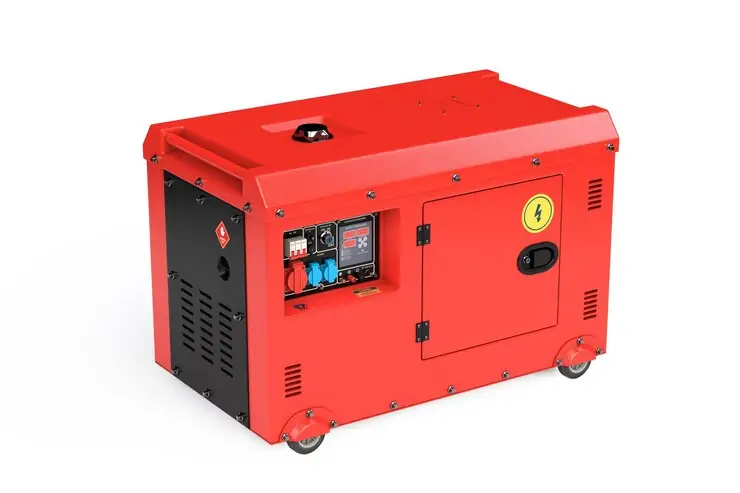
The Role of Industrial Generators in Modern Energy Systems
Industrial generators are more than backup systems; they are critical for maintaining operations across diverse environments, from urban manufacturing hubs to remote extraction sites. Critical power infrastructure ensures businesses continue production even when the main grid is unstable or unavailable.
In developing regions, limited or inconsistent grid coverage makes generators essential for uninterrupted industrial activity. Temporary setups, such as construction sites or mobile mining operations, rely entirely on generators to power equipment, lighting, and safety systems. Reliable remote power keeps projects on schedule and safe regardless of local infrastructure.
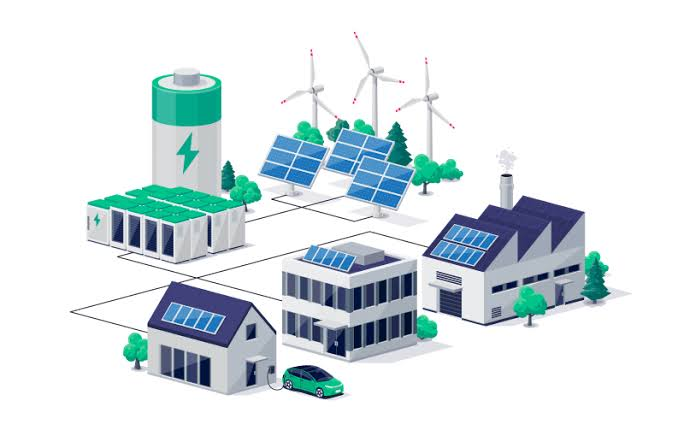
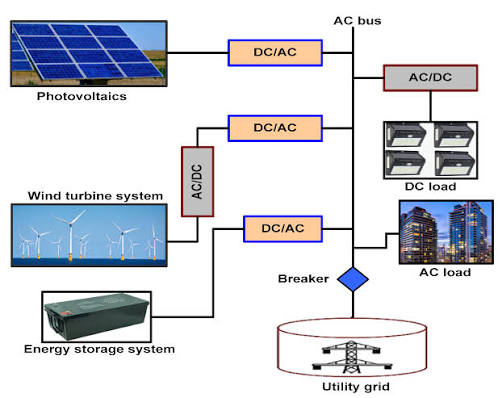
Generators also support renewable energy by stabilizing solar and wind variability. During periods of low sunlight or calm winds, generators maintain consistent electricity, ensuring industrial processes run without interruption. Hybrid energy systems that combine generators and renewables improve both efficiency and reliability. Hybrid energy support is increasingly adopted across industrial sites.
Proper maintenance is crucial for generator performance. Preventive checks, fuel system inspections, battery tests, and load monitoring reduce the risk of downtime. Operational continuity depends on regular servicing and adherence to manufacturer guidelines, protecting equipment and avoiding costly interruptions. Planned reliability management keeps industrial operations running smoothly under all conditions.
Buyer Guidance – Choosing Power Solutions for Industrial Applications
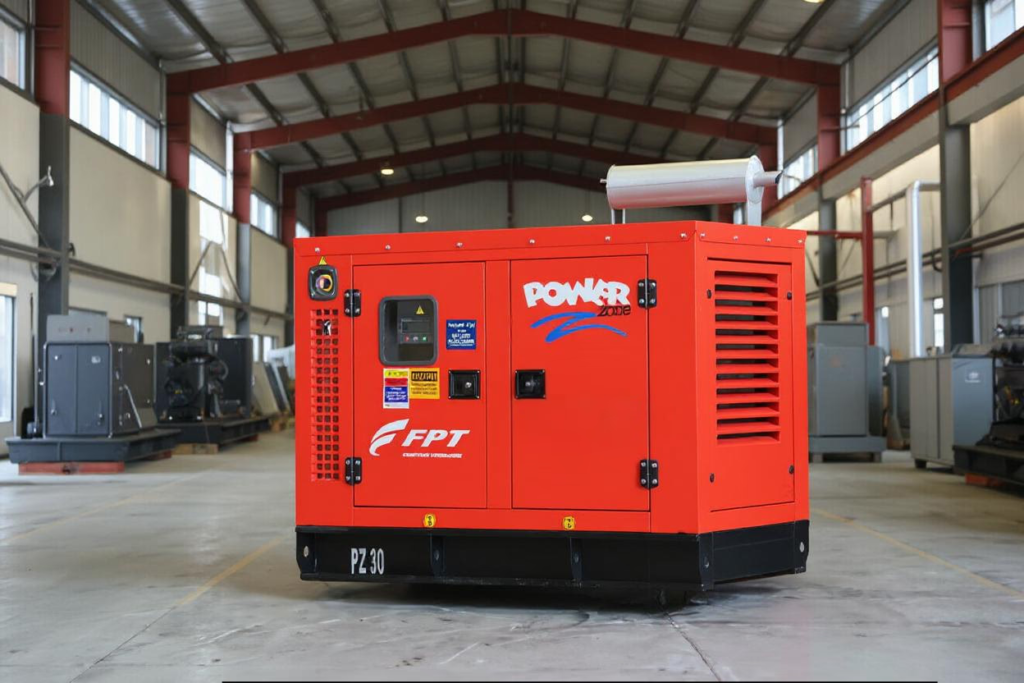
Selecting the right generator requires careful planning around load calculation, thinking to ensure equipment meets peak operational demands. Environmental conditions, such as temperature, humidity, and altitude, influence unit performance, while fuel availability affects operational continuity and cost efficiency.
Fuel and site considerations are crucial for mining operations with high, continuous loads versus manufacturing facilities with variable demand. Scalability planning allows future expansion without replacing core systems. Assessing long-term operational costs, including maintenance and efficiency, ensures a solution that balances reliability and investment. Practical energy planning protects productivity while optimizing resources.
Choose the Right Industrial Generator for Reliable Energy – Connect With ALEO Today
Selecting the right generator is critical for any industrial operation, whether mining, manufacturing, or large-scale infrastructure. At ALEO, we provide properly sized, high-efficiency generators that ensure continuous, reliable power, protect equipment, and reduce the risk of operational downtime.
With UL certification from the USA, each unit meets international safety and performance standards, giving industrial buyers confidence in their investment. Direct shipment from the USA ensures fast delivery, while on-site debugging and installation integrate the generator seamlessly into your operation.
Visit our website and connect with us today to secure generators with long-term support, including a 1-year warranty and flexible delivery of approximately 30 days. Trusted industrial generators from ALEO deliver operational continuity and peace of mind for modern energy demands.