Skip to content
Power outages rarely announce themselves in advance, yet the consequences of inadequate backup power are immediate and costly. Many businesses invest in diesel generators expecting complete reliability, only to face unexpected shutdowns, excessive fuel consumption, or maintenance complications months later. The issue often lies not in the equipment itself but in how it was selected. Poor generator selection decisions can quickly turn a backup power solution into an operational vulnerability.
In today’s energy landscape, diesel generators support far more than emergency lighting. They protect data centers from system failure, keep hospitals running during grid interruptions, sustain manufacturing productivity, and maintain operational continuity in commercial facilities. As reliance on uninterrupted electricity continues to grow, selecting a generator based solely on price or capacity is no longer sufficient. Reliable backup power infrastructure now depends on evaluating the features that determine real-world performance.
A diesel generator is not just a short-term purchase; it is a long-term power infrastructure expected to perform under demanding conditions for years. Factors such as engine durability, cooling stability, automation capability, and monitoring systems significantly influence operating efficiency and reliability. Ignoring these aspects often leads to higher fuel expenses, unexpected maintenance issues, and reduced equipment lifespan. Long-term operational performance is the true measure of a generator’s value.
This guide explores the ten most important features buyers should evaluate when selecting a diesel generator set. Understanding these technical factors helps facility managers choose equipment that delivers dependable output, predictable operating costs, and consistent performance during critical situations when electricity becomes essential. Smart diesel generator purchasing decisions ultimately determine whether backup power systems deliver true operational security. So, read on:
10 Essential Features of a Diesel Generator Set
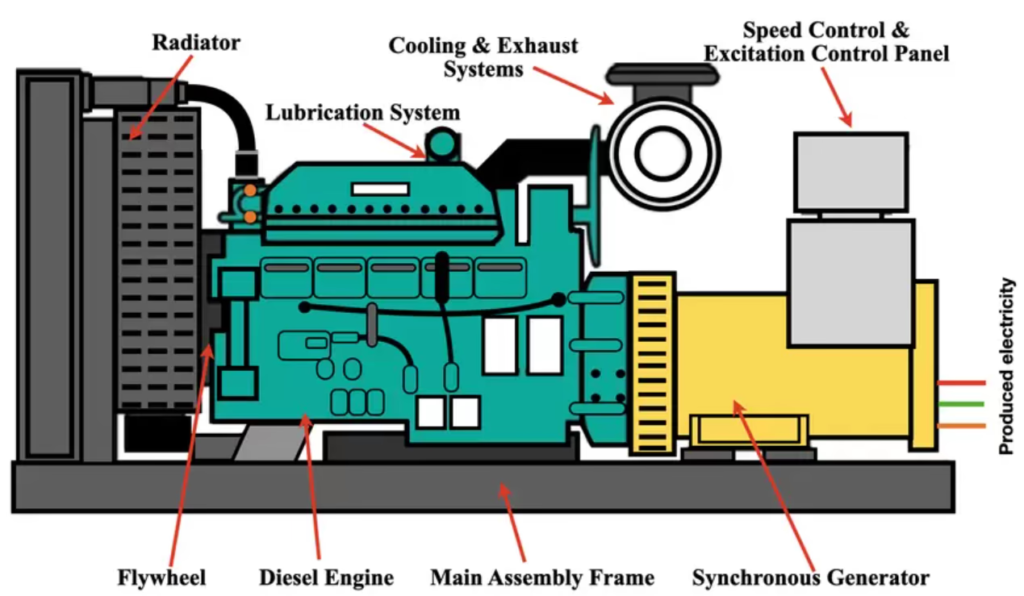
Selecting the right diesel generator requires examining multiple technical features that influence reliability, operational efficiency, and system durability. Each component contributes to how effectively the generator performs under demanding conditions. Below is a visual summary of the essential diesel generator performance features that should be evaluated carefully before making a purchasing decision.
| Feature | Why It Matters | Operational Impact |
| Engine reliability | Determines overall durability and runtime capability | Reduces risk of sudden breakdowns during outages |
| Fuel efficiency | Controls how much diesel is consumed during operation | Lowers long-term operational costs |
| Automatic transfer switch compatibility | Enables immediate switching from grid power to the generator | Prevents downtime during unexpected outages |
| Advanced control panel | Monitors system performance and safety parameters | Improves operational control and fault detection |
| Efficient cooling system | Maintains safe engine temperature during extended operation | Prevents overheating and performance instability |
| Noise reduction enclosure | Reduces operational sound levels | Allows installation in urban or commercial areas |
| Safety protection systems | Protects from overload or mechanical damage | Increases equipment lifespan and reliability |
| Remote monitoring capability | Provides real-time operational insights | Enables faster troubleshooting and predictive maintenance |
| Structural durability | Protects from environmental and mechanical stress | Ensures long-term equipment stability |
| Certification and service support | Confirms compliance with international standards | Improves buyer confidence and operational reliability |
1. Reliable Engine Performance
The engine is the heart of any diesel generator and plays the most important role in determining reliability and operational lifespan. High-quality engines deliver stable performance under varying load conditions while maintaining consistent fuel combustion efficiency. Durable industrial-grade diesel engines provide dependable operation even during extended runtime periods.
A well-designed engine also ensures smooth load transitions without excessive vibration or mechanical stress. Generators supporting critical facilities must respond quickly to sudden changes in demand while maintaining stable output. Stable engine load-handling capability enables generators to support sensitive equipment without voltage fluctuations.
2. Fuel Efficiency and Consumption Optimization
Fuel consumption is one of the largest long-term operating expenses for diesel generators. Efficient engines maximize energy output from every liter of diesel while minimizing waste. Optimized diesel fuel consumption efficiency significantly reduces operational costs over the equipment’s lifespan.
Modern generators often incorporate advanced fuel injection systems and engine calibration technologies that improve combustion performance. These features help maintain efficiency across different load levels. Improved fuel combustion performance ensures that generators deliver reliable output without excessive fuel usage.
3. Advanced Control Panel and Automation
Control systems determine how effectively a generator manages its internal operations. Modern digital control panels monitor multiple parameters, including voltage, frequency, oil pressure, and engine temperature. Intelligent digital generator control panels provide real-time insights into equipment performance.
Automation features also improve operational reliability by automatically responding to abnormal conditions. The controller can shut down the engine to prevent damage or trigger alerts when maintenance is required. Automated generator protection systems help prevent costly equipment failures and extend system lifespan.
4. Automatic Transfer Switch Compatibility
An automatic transfer switch allows setups to activate instantly when utility power fails. The system detects outages and redirects electrical loads to the generator without manual intervention. Automatic power transfer switching capability ensures an uninterrupted power supply during grid disruptions.
For facilities that depend on continuous operations, this feature is essential. Even a short delay in power restoration can interrupt processes or damage equipment. Seamless backup power transition minimizes operational disruption and improves reliability.
5. Noise Reduction and Silent Operation
Noise levels are an important consideration, particularly for generators installed in urban environments or near residential areas. Modern generators often include acoustic enclosures designed to reduce operational noise. Low-noise operation allows installations to meet regulatory standards while maintaining operational comfort.
These enclosures also improve environmental safety by protecting mechanical components from weather exposure and external contaminants. Sound-insulated generator enclosure design contributes both to noise reduction and equipment durability.
6. Cooling System Efficiency
Generators generate substantial heat during operation, making cooling systems essential for maintaining performance stability. Efficient radiators and airflow management systems prevent overheating during long runtime periods. High-efficiency cooling systems ensure that engines operate within safe temperature ranges.
In hot climates or industrial environments, cooling performance becomes even more critical. Effective thermal management prevents performance degradation and extends equipment lifespan. Reliable engine temperature regulation systems maintain operational stability under demanding conditions.
7. Safety and Protection Mechanisms
Safety features protect both the generator and connected electrical equipment from damage. Systems such as overload protection, voltage regulation safeguards, and low oil shutdown mechanisms prevent serious mechanical failures. Comprehensive safety protection systems reduce operational risk significantly.
These mechanisms also ensure that generators shut down safely when abnormal conditions occur. Protective systems help maintenance teams identify problems before they escalate into major repairs. Automatic equipment damage prevention mechanisms are therefore essential in modern generator designs.
8. Remote Monitoring and Smart Connectivity
Digital monitoring technology allows operators to track performance from remote locations using connected dashboards or mobile applications. Real-time data provides insights into fuel levels, engine health, and operating conditions. Remote performance monitoring systems improve operational oversight significantly.
This capability is especially valuable for organizations managing generators across multiple facilities. Remote alerts allow technicians to respond quickly to potential issues. Centralized monitoring capability enhances maintenance efficiency and reduces downtime risk.
9. Build Quality and Structural Design
Durability depends heavily on structural engineering and material quality. Industrial-grade steel frames, corrosion-resistant coatings, and vibration-resistant mounts all contribute to long term equipment stability. Heavy duty structural construction ensures reliable operation in challenging environments.
Weather-resistant designs further protect internal components from dust, moisture, and extreme temperatures. These features allow generators to operate safely outdoors or in harsh industrial settings. Robust environmental protection design improves overall equipment lifespan.
10. Certification, Support, and Warranty
Technical certifications confirm that a setup meets internationally recognized safety and quality standards. Compliance with recognized testing and manufacturing guidelines ensures reliability and performance consistency. International certification standards compliance gives buyers confidence in equipment quality.
Equally important is access to installation support and after-sales service. Reliable suppliers provide technical assistance, training, and warranty coverage to ensure long-term operational success. Comprehensive service support programs help maintain performance throughout the lifecycle.
How to Match Features with Application Needs?
Selecting the right unit becomes significantly easier when buyers follow a structured evaluation process rather than relying on assumptions or basic specifications. Every facility has unique operational conditions, load patterns, and reliability expectations that influence which generator features matter most. Practical application planning ensures the equipment performs efficiently in real working environments instead of only meeting theoretical capacity requirements.
Before choosing a model, decision makers should carefully analyze the operational role the generator will play within the facility. Some installations require occasional support, while others rely on generators for continuous or prime power operation. Understanding these requirements helps identify the most relevant technical features such as automation, cooling capacity, and monitoring capabilities. Application-specific feature selection prevents costly mismatches between equipment capability and operational demand.
A structured step-based approach helps organizations evaluate options systematically while reducing the risk of oversizing, undersizing, or overlooking critical technical features.
Step 1: Define Total Load Requirements
The first step in selecting an appropriate generator involves calculating the total electrical load that must be supported during a power outage. This includes identifying all essential equipment, machinery, lighting systems, and infrastructure that require backup electricity. Accurate facility power demand calculation ensures the generator has sufficient capacity to support operations without overloading.
Load assessment should also consider starting currents for motors, HVAC systems, and heavy equipment. These systems often require significantly higher power during startup than during normal operation. Peak electrical load estimation helps determine whether the generator can handle these temporary surges without performance instability.
Step 2: Evaluate Installation Environment
Environmental conditions play a major role in performance and reliability. Factors such as ambient temperature, altitude, humidity, and ventilation affect engine efficiency and cooling effectiveness. Environmental installation conditions should therefore be analyzed before selecting equipment specifications.
Units installed in hot climates or enclosed environments may require enhanced cooling systems or specialized enclosures. Outdoor installations must also consider protection from dust, moisture, and weather exposure. Site-specific installation planning helps prevent performance issues caused by unsuitable environmental conditions.
Step 3: Determine Runtime Expectations
Understanding how long a setup is expected to operate during outages is another critical factor in feature selection. Some units operate only during short emergency periods, while others must run for extended hours or even days in remote facilities. Expected operational runtime directly influences fuel tank capacity, cooling performance, and engine durability requirements.
Setups designed for extended operation often include larger fuel storage systems, improved lubrication mechanisms, and enhanced thermal management components. These features help maintain performance stability during prolonged usage. Long-duration operational capability ensures reliable output during extended grid disruptions.
Step 4: Assess Automation Requirements
Modern facilities increasingly rely on automated operation to reduce response time during power failures. Automation features such as automatic transfer switches, digital control panels, and remote monitoring systems enable generators to activate instantly without manual intervention. Automated response capability significantly improves operational resilience.
Automation also simplifies system management by providing real-time alerts and performance diagnostics. Facilities managing multiple generators can benefit from centralized monitoring platforms that track equipment status across locations. Integrated monitoring and automation improve maintenance efficiency and reduce the risk of unexpected failures.
Step 5: Consider Maintenance Accessibility
Generator maintenance plays a crucial role in ensuring long term reliability, making accessibility an important selection factor. Equipment should be installed in locations where technicians can easily access key components for routine inspection and servicing. Accessible maintenance design considerations reduce downtime during scheduled servicing.
Maintenance-friendly designs also include modular components, accessible service panels, and simplified diagnostic interfaces. These features allow technicians to perform repairs quickly without extensive disassembly. Efficient servicing accessibility features ultimately contribute to lower operational costs and improved reliability.
Step 6: Plan for Future Power Expansion
Facilities often expand their electrical infrastructure as operations grow, making future scalability an important consideration when selecting generators. Installing a unit that supports potential load growth prevents costly equipment replacement later. Future facility power demand planning ensures the backup power system remains relevant as operational requirements evolve.
Scalable solutions may include modular generator configurations or systems designed to operate in parallel with additional units. These options provide flexibility for increasing power demand without disrupting existing infrastructure. An expandable capacity planning strategy supports long-term operational growth while maintaining reliable backup power availability.
Common Mistakes Buyers Make When Selecting Diesel Generators
Many buyers unintentionally overlook critical evaluation factors when selecting generators, which can lead to operational challenges later. One of the most common mistakes is focusing exclusively on purchase price without considering operating efficiency.
Incorrect sizing is another frequent issue. Oversized units waste fuel and operate inefficiently, while undersized ones struggle to meet load demands and risk overheating. It is, therefore, important to size your setups properly.
Buyers also sometimes ignore long-term service support and technical compatibility with existing infrastructure. Without proper planning, maintenance becomes complicated and expensive. An incomplete infrastructure compatibility evaluation often leads to avoidable operational problems.
Buy Diesel Generators Built for Long-Term Reliability – Connect With ALEO Today
At ALEO, our experts understand that choosing the right diesel generator requires looking beyond basic specifications and focusing on features that ensure reliable performance, efficiency, and long-term operational stability.
Visit our website and connect with our team to make sure you are working with the right supplier. Our solutions come with UL certification, direct shipment from the United States, and professional on-site debugging and installation support with a one-year warranty. With flexible delivery timelines of around 30 days, organizations can deploy reliable systems quickly while ensuring long-term operational confidence.