Skip to content
Operations today rarely pause. From automated manufacturing lines to cloud-connected office systems, modern facilities run on continuous electrical flow that supports everything from data processing to physical safety mechanisms. Operational continuity has become tightly linked with power availability, which means even a brief interruption can ripple across multiple systems at once, halting workflows that depend on synchronized digital and mechanical processes.
What makes the situation more complex is that power failures are no longer limited to large-scale blackouts. Voltage fluctuations, localized grid instability, extreme weather events, and infrastructure overloads now create unpredictable disruptions that facilities cannot fully control. Power vulnerability exposes organizations to risks that extend beyond productivity loss, including damaged equipment, corrupted data, interrupted security systems, and unsafe working environments.
At the same time, modern buildings are far more technologically dependent than they were a decade ago. Smart monitoring platforms, automated climate control, digital access systems, and real-time communication networks all require uninterrupted electricity to function correctly. When power stops, operations do not simply slow down; they can fail entirely. Technology dependence has therefore transformed electricity from a utility expense into a critical operational backbone.
Because of these realities, emergency power supply systems are no longer viewed as optional safeguards installed only for compliance. They have become strategic infrastructure designed to maintain stability during uncertainty.
This article explores why emergency power supply is now essential for modern facilities, the risks of operating without it, and how reliable backup solutions help organizations maintain safety, productivity, and long-term operational resilience. So, read on:
The Rising Dependence on Continuous Power in Modern Facilities
Modern facilities are operating in an environment where downtime is no longer tolerated as an occasional inconvenience. Businesses now rely on interconnected systems that function continuously, meaning electricity supports not just equipment but entire operational ecosystems. Continuous operations have become the standard across industries, driven by automation, digital platforms, and real-time service expectations that require systems to remain active 24/7.
Digital transformation has significantly increased electricity dependence. Manufacturing plants use automated robotics, commercial buildings rely on smart management systems, and logistics networks operate through synchronized digital tracking platforms. When power fails, these systems cannot simply resume from where they stopped; processes often require recalibration, system checks, and recovery procedures that extend downtime far beyond the actual outage duration. Digital reliance, therefore, amplifies the operational impact of even short interruptions.
Another factor accelerating this dependence is the growth of connected infrastructure. Facilities are now integrated with cloud services, remote monitoring tools, and centralized control systems that manage operations across multiple locations simultaneously. A single disruption can disconnect communication networks, halt remote oversight, and interrupt coordinated workflows. System integration means that reliability directly affects organizational visibility and decision-making capabilities.
Additionally, modern expectations around service availability have changed dramatically. Customers, tenants, and stakeholders expect uninterrupted performance regardless of external conditions. Hospitals must sustain life-support systems, data centers must maintain uptime commitments, and commercial facilities must ensure safety and accessibility at all times. Reliability expectations push organizations to move beyond relying solely on public grids, encouraging investment in emergency systems that guarantee operational continuity even during unforeseen disruptions.
What Is an Emergency Power Supply System?
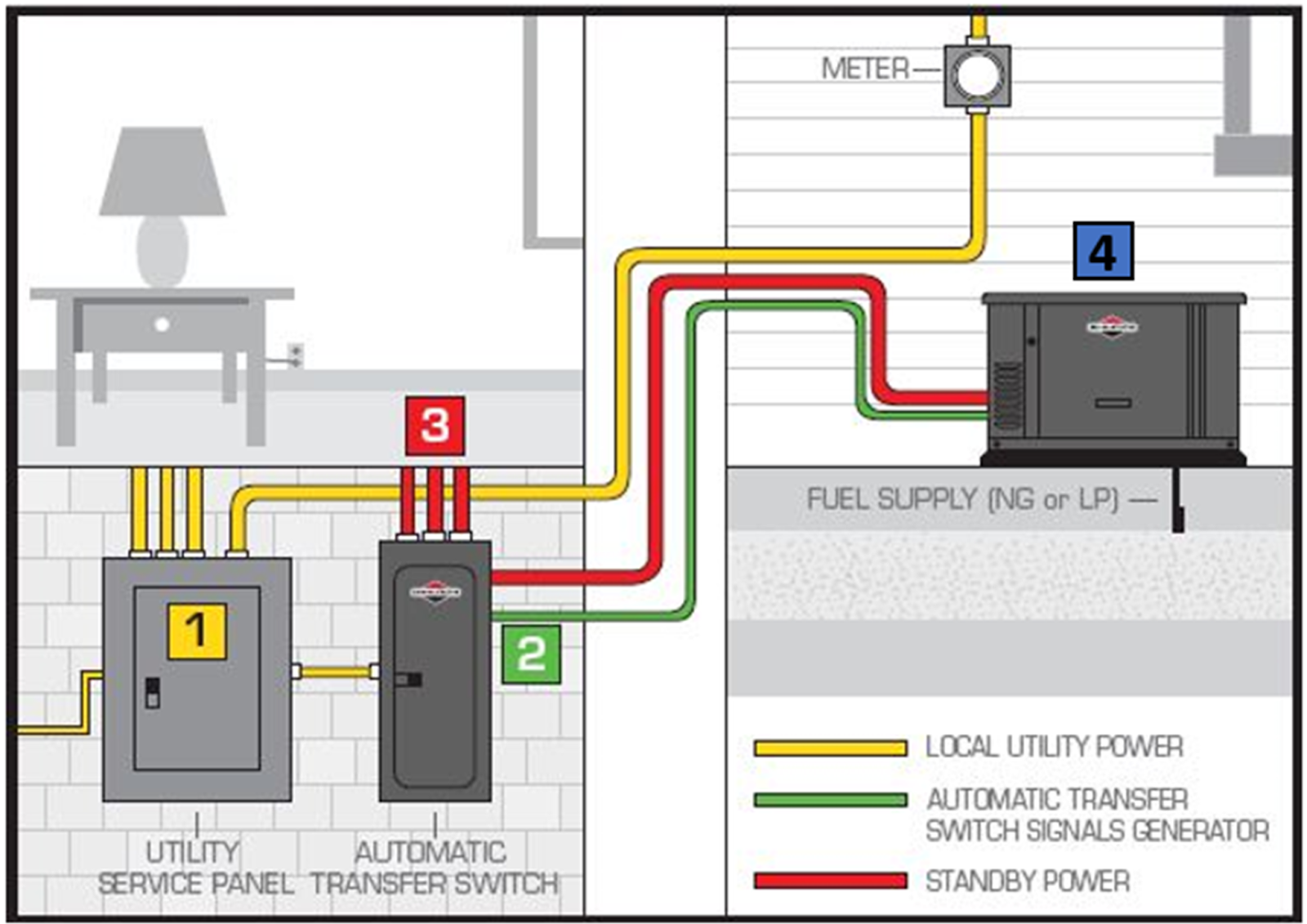
An emergency power supply system is designed to automatically provide electricity when the main source fails, ensuring that critical operations continue without interruption. Unlike standard backup arrangements that may require manual activation, emergency systems respond immediately to outages through automated switching mechanisms. Emergency response capability allows facilities to maintain essential functions during unexpected disruptions, minimizing operational and safety risks.
At its core, an emergency system combines several interconnected components working together as a single protective infrastructure. Generators produce electricity during extended outages, while uninterruptible power supply (UPS) units deliver instant short-term power the moment grid electricity drops.
Automatic transfer switches detect failures and shift sources within seconds, preventing operational gaps that could damage sensitive equipment. System coordination ensures a seamless transition among sources without requiring human intervention.
The distinction between backup and emergency power is also important. Backup systems typically support convenience or productivity, whereas the latter is reserved for critical loads such as safety systems, medical equipment, data infrastructure, and security operations. Because of this role, emergency systems are engineered with higher reliability standards and redundancy planning. Critical prioritization ensures that essential operations remain active even if non-essential systems temporarily shut down during an outage.
Major Risks Facilities Face Without Emergency Power
Facilities operating without reliable emergency source expose themselves to risks that extend far beyond temporary inconvenience. The most immediate consequence is operational downtime, where halted production lines, offline digital systems, or inaccessible services quickly translate into financial losses. Downtime impact increases rapidly because recovery often takes longer than the outage itself, requiring system restarts, inspections, and recalibration before normal operations resume.
Data integrity is another major concern, particularly for organizations handling real-time processing or sensitive information. Sudden shutdowns can corrupt files, interrupt transactions, or damage databases that depend on a stable electrical supply. Data vulnerability creates long-term operational complications, including recovery costs and potential compliance issues related to lost or compromised information.
Safety risks also become significantly higher when failures affect critical infrastructure. Emergency lighting, fire protection systems, surveillance equipment, and controlled access mechanisms may stop functioning during outages, creating unsafe environments for employees and occupants. In healthcare or industrial settings, power loss can directly endanger lives or cause hazardous operational conditions. Safety exposure makes emergency solutions not just a business decision but a responsibility toward workforce protection.
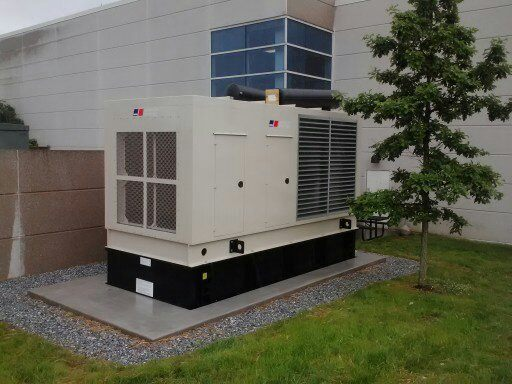
Equipment damage represents another hidden risk. Electrical systems and machinery are often designed for controlled shutdown procedures, and sudden loss can strain components, shorten equipment lifespan, or trigger expensive repairs. Equipment stress increases maintenance costs and reduces long-term reliability, compounding the overall impact of operating without a dependable emergency solution.
Industries Where Emergency Power Is Non-Negotiable
Not every facility experiences interruptions in the same way, but for certain industries, electricity loss immediately turns into an operational crisis. Critical operations in modern sectors depend on uninterrupted power because systems are interconnected, automated, and often responsible for safety or large-scale service delivery. Emergency power, therefore, is not installed as a precaution; it becomes a core operational requirement.
Data centers represent one of the clearest examples. These facilities host cloud platforms, enterprise software, financial transactions, and communication networks serving users across multiple regions simultaneously. Even a few seconds of downtime can disrupt thousands of connected services, violate uptime agreements, and cause significant financial penalties.
Because digital infrastructure operates continuously, emergency power ensures servers remain active while preventing data corruption and system instability. Uptime protection is essential for maintaining both technical reliability and customer trust.
Healthcare environments operate under even stricter requirements. Hospitals rely on electricity for ventilators, monitoring equipment, surgical systems, laboratory diagnostics, and controlled environmental conditions. A failure does not simply delay operations; it can directly threaten patient safety. Emergency generators and redundant systems allow medical staff to continue treatment without interruption, ensuring critical care remains stable regardless of external conditions. Medical continuity makes emergency power legally and ethically indispensable in healthcare facilities.
Manufacturing and industrial plants also face severe consequences from outages. Automated machinery depends on stable electrical input to maintain calibration and sequencing. Sudden shutdowns may damage partially processed materials, interrupt production cycles, and create costly delays across supply chains. Restarting operations often requires inspections and recalibration that extend downtime far beyond the outage itself. Production stability enables manufacturers to protect output quality while avoiding operational losses.
Transportation hubs, commercial high-rise buildings, and telecommunications networks further illustrate the expanding importance of emergency power. Airports require functioning navigation systems and communication infrastructure, office towers depend on elevators and security access, and telecom providers must maintain constant connectivity. Service continuity across these environments highlights how emergency power now supports daily economic activity rather than rare emergency scenarios.
Key Components of a Reliable Emergency Power Infrastructure
A reliable emergency power system is more than just a generator; it is a coordinated network of components designed to maintain an electricity supply when the main source fails. Each part plays a vital role in ensuring seamless operation, protecting sensitive equipment, and safeguarding personnel. System integration is the key to achieving continuous, uninterrupted power. Below are the key components of this system:
- Backup Generators
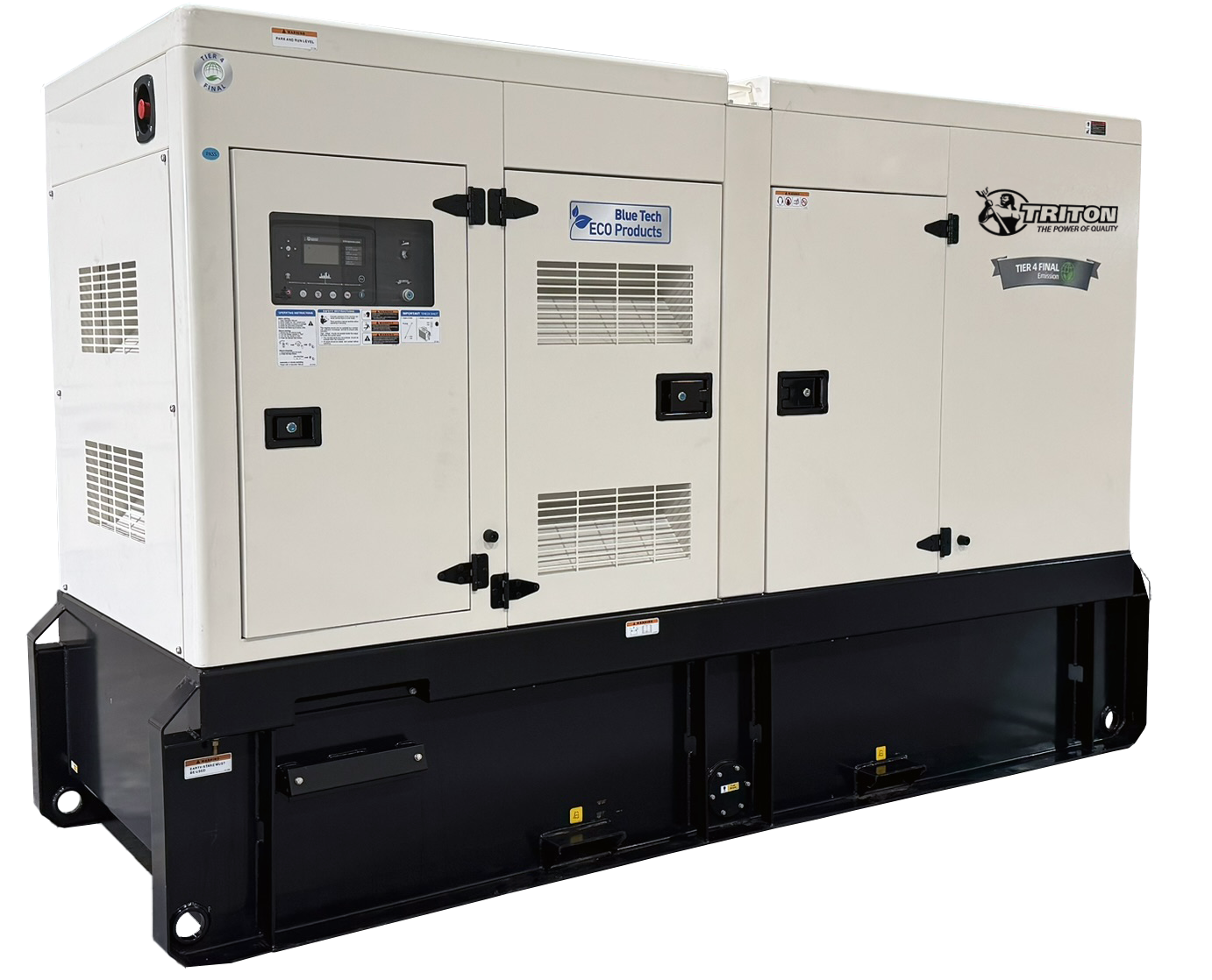
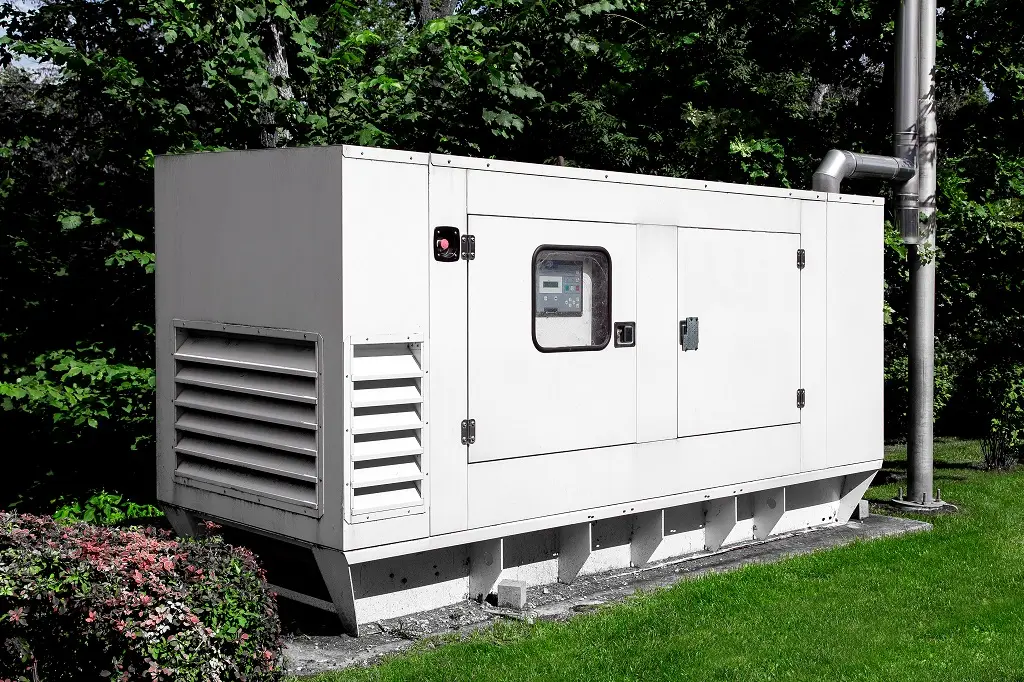
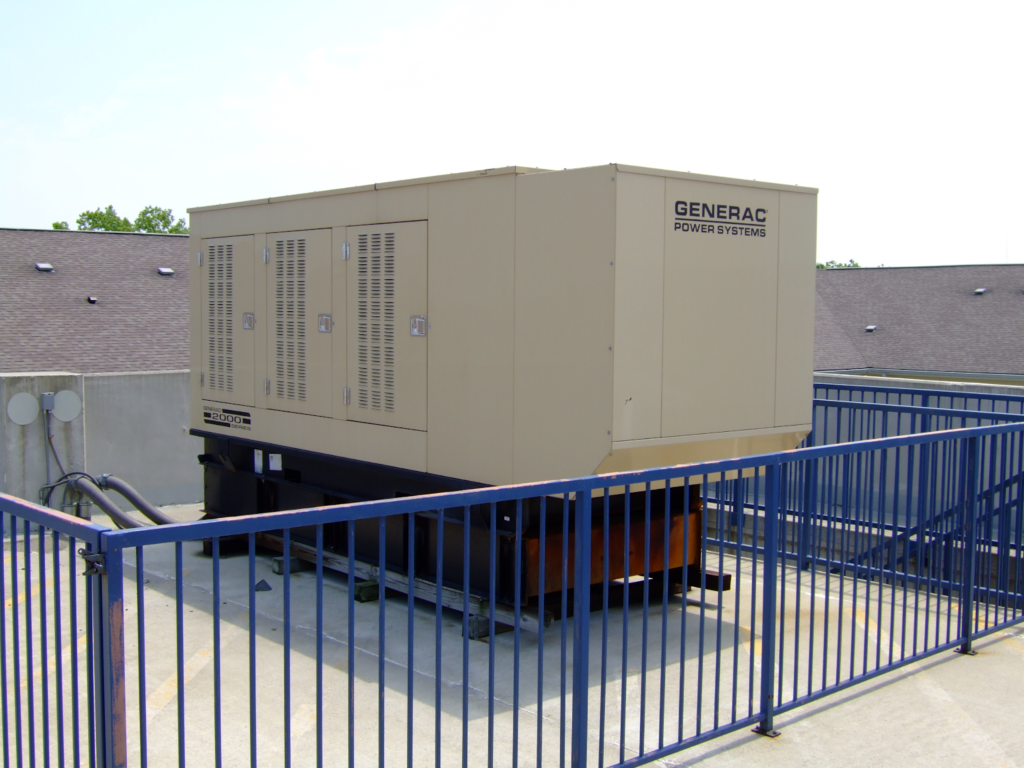
Backup generators are the primary source of emergency power during extended outages. They convert stored fuel energy into electricity capable of powering critical operations for hours or even days. Choosing the right generator involves assessing load capacity, runtime requirements, and fuel type.
Modern generators often include features like automatic start, load sensing, and efficient fuel management, ensuring they deliver consistent power without manual intervention. Reliable generators form the backbone of any emergency power infrastructure, making proper sizing and maintenance essential for operational continuity.
- Uninterruptible Power Supply (UPS)
UPS units provide instant, short-term power the moment grid electricity fails. Since generators take a few seconds to start, UPS systems bridge the gap and prevent even momentary interruptions that could damage sensitive equipment or disrupt critical processes.
Advanced UPS systems include battery monitoring, surge protection, and automatic switching, ensuring uninterrupted operation for servers, medical devices, and automated machinery. Instant power continuity is what makes UPS systems indispensable for modern facilities.
- Automatic Transfer Switches (ATS)
Automatic transfer switches detect loss and immediately redirect electrical loads from the main grid to backup sources. This rapid, automated transition eliminates delays, ensuring critical systems remain online without manual intervention.
ATS units are designed to coordinate seamlessly with both generators and UPS systems. Rapid switching is crucial for facilities where even seconds of downtime can lead to data loss, safety hazards, or financial losses.
- Fuel Storage and Management Systems
Emergency generators rely on a reliable fuel supply to maintain extended operation. Proper fuel storage includes tanks, pumps, and filtration systems designed to deliver clean, uninterrupted fuel to the engine.
Advanced management systems monitor fuel levels, detect leaks, and schedule refueling to prevent operational interruptions. Continuous fuel availability ensures that backup generators work even during long outage hours, reducing the risk of system failure.
- Monitoring and Control Systems
Centralized monitoring platforms provide real-time visibility into the status of all emergency power components. Sensors track generator performance, battery health, fuel levels, and load distribution, sending alerts when maintenance or intervention is needed.
These systems often include remote access, automated diagnostics, and predictive maintenance capabilities. Operational oversight allows facility managers to proactively address issues before they escalate into outages or equipment damage.
How to Choose the Right Emergency Power Solution
Selecting an emergency power system requires a structured approach that balances technical performance with operational priorities. Facilities can simplify decision-making by following a clear evaluation process:
Step 1: Conduct a Detailed Load Assessment
Identify critical equipment and calculate total electrical demand, including peak loads and essential systems that must remain operational during outages. Accurate assessment prevents costly sizing mistakes.
Step 2: Evaluate Operational Risks
Analyze how outages affect safety, revenue, compliance, and productivity. Different facilities prioritize different systems, so risk evaluation ensures power solutions match real operational needs.
Step 3: Define Required Runtime
Determine how long operations must continue without grid power. Runtime expectations influence generator capacity, fuel storage planning, and redundancy requirements.
Step 4: Assess Installation and Support Capability
Choose providers that offer professional commissioning, testing, and technical assistance. Proper setup directly affects long-term reliability and system performance.
Step 5: Verify Certifications and Compliance
Ensure equipment meets recognized international standards to guarantee safety, durability, and regulatory acceptance across industries.
Step 6: Compare Lifecycle Costs
Look beyond the initial purchase price by evaluating fuel efficiency, maintenance needs, and operational expenses over time to ensure sustainable investment value.
Following a step-based evaluation allows facilities to implement emergency power solutions that remain reliable, scalable, and aligned with long-term operational goals.
Common Mistakes Facilities Make When Planning Emergency Power
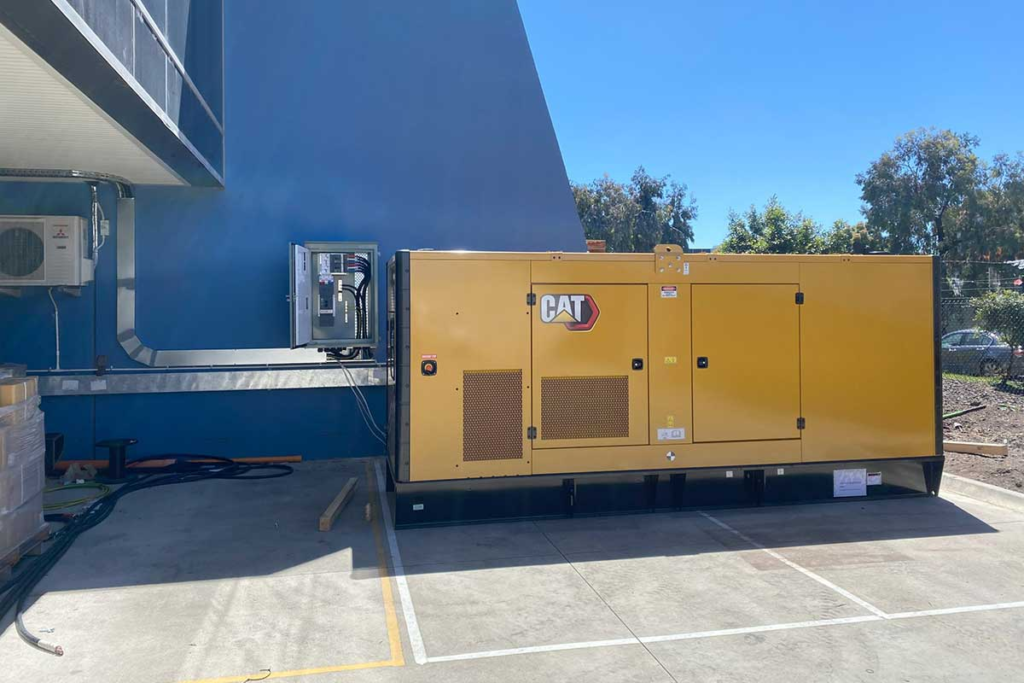
Even when organizations recognize the importance of backup electricity, planning mistakes often reduce system effectiveness. The following issues frequently appear when emergency power is approached without long-term operational thinking:
- Incorrect system sizing: Underestimating load demand or oversizing equipment results in either performance failure or unnecessary fuel and maintenance costs.
- Lack of regular maintenance: Systems that are rarely tested may fail when needed most due to battery degradation or mechanical issues.
- No redundancy planning: Absence of backup layers creates single points of failure during critical outages.
- Poor system integration: Generators, UPS units, and transfer switches that are not properly coordinated cause delays in power transition.
- Cost-driven equipment selection: Choosing uncertified or low-support solutions increases reliability risks and lifecycle expenses.
- Ignoring future expansion: Power systems designed only for current demand struggle to support facility growth.
Strengthening Facility Reliability Through Emergency Power With ALEO’s Backup Solutions
At ALEO, we understand that reliable emergency power is essential for modern facilities to maintain operations, protect personnel, and prevent costly downtime. Generators, storage, and intelligent management transform power systems into a resilient, long-term foundation.
When you partner with certified suppliers like us for your power supply solutions, you get quality and support, with advantages like UL certification from the United States, direct shipment, and on-site installation with a one-year warranty.
Visit our website and connect with our team for more information and to get the right power solutions catered to meet your needs.