Skip to content
Unexpected power interruptions are more than a temporary inconvenience for businesses. A few minutes without electricity can halt production lines, interrupt customer service, damage sensitive equipment, and create costly operational delays. For commercial environments where uptime directly impacts revenue, power continuity becomes critical rather than optional. Yet many companies still struggle to choose the right backup solution because technical specifications often feel confusing or overly complex.
The challenge usually begins with a misunderstanding of actual power requirements. Some businesses invest in equipment that cannot handle startup loads, while others overspend on oversized systems that operate inefficiently. Without proper planning, even a high-quality unit may fail to deliver expected performance. Understanding how commercial power setups differ from residential solutions is therefore a practical business decision, not just a technical one.
Another common issue is the overwhelming number of options available in the market. Fuel types, configurations, automation features, and reliability claims can make comparison difficult, especially for buyers who are focused on running operations rather than studying electrical engineering concepts. Instead of focusing only on brand names, businesses benefit more from learning how different systems function and where each type performs best, ensuring long-term operational stability.
This guide explains how to evaluate commercial power equipment from a real-world perspective. From understanding system types and proper sizing to reliability considerations and application-specific choices, the goal is to help decision-makers select the best commercial generators that support daily operations confidently. By the end, readers will have a clearer framework for identifying the right commercial solution based on workload, environment, and future growth needs. So, read on:
What Makes a Power System Suitable for Commercial Use?
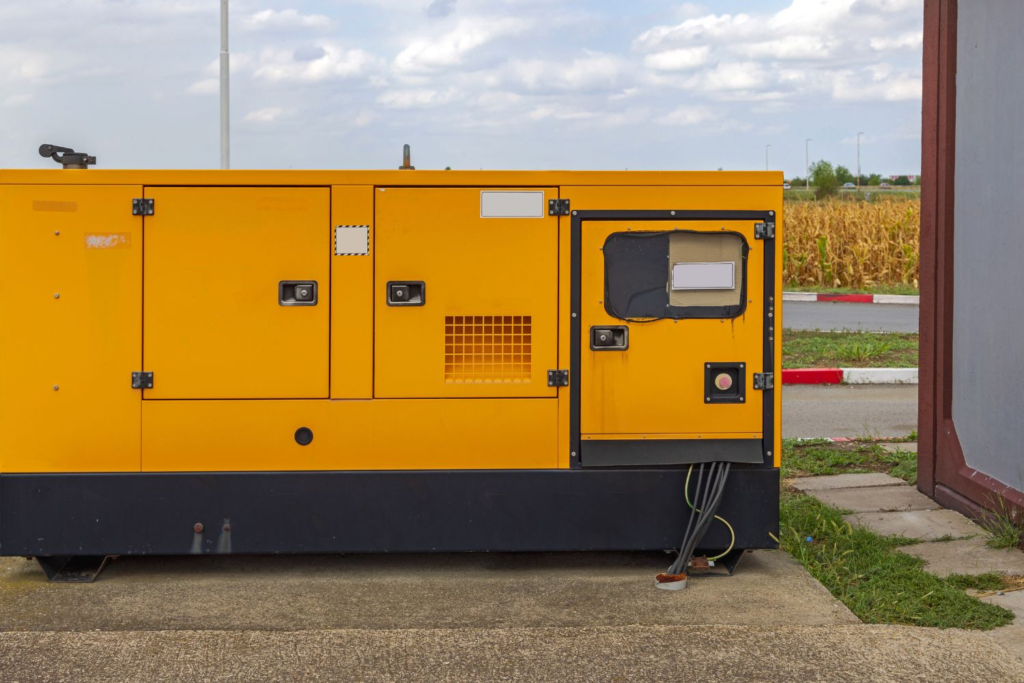
Commercial environments place very different demands on backup power compared to residential settings. Businesses operate multiple machines, lighting systems, HVAC equipment, and digital infrastructure simultaneously, which creates continuous and often unpredictable load requirements. Unlike home applications that only support essential appliances during outages, commercial operations require consistent operational performance to prevent workflow disruption and financial losses.
One of the most important differences lies in runtime expectations. Offices, retail outlets, warehouses, and manufacturing facilities may need electricity support for extended hours rather than short emergency periods. This means the equipment must handle sustained loads without overheating or efficiency decline. Systems designed for commercial environments therefore prioritize durability, cooling efficiency, and stable output to ensure long-duration reliability under demanding conditions.
Safety and compliance also play a significant role in commercial generator selection. Businesses must consider electrical protection mechanisms, automatic shutdown features, and proper load balancing to prevent damage to connected equipment. Sensitive devices such as servers, payment systems, or automated machinery depend on stable voltage delivery, making power quality management essential for preventing operational risks.
Fuel efficiency becomes another deciding factor because operating costs accumulate quickly in commercial scenarios. A poorly matched power setup may consume excessive fuel while running below optimal capacity, increasing long-term expenses. Companies, therefore, evaluate efficiency ratings alongside performance capabilities, ensuring that daily operation remains financially sustainable while maintaining cost-effective energy support.
Finally, scalability matters for growing businesses. Commercial buyers rarely plan only for present needs; expansion, additional machinery, or extended operating hours must also be considered. Choosing adaptable equipment allows organizations to expand without replacing the entire system later, creating future-ready infrastructure planning that protects investment value over time.
Types of Commercial Power Solutions and Where Each Works Best
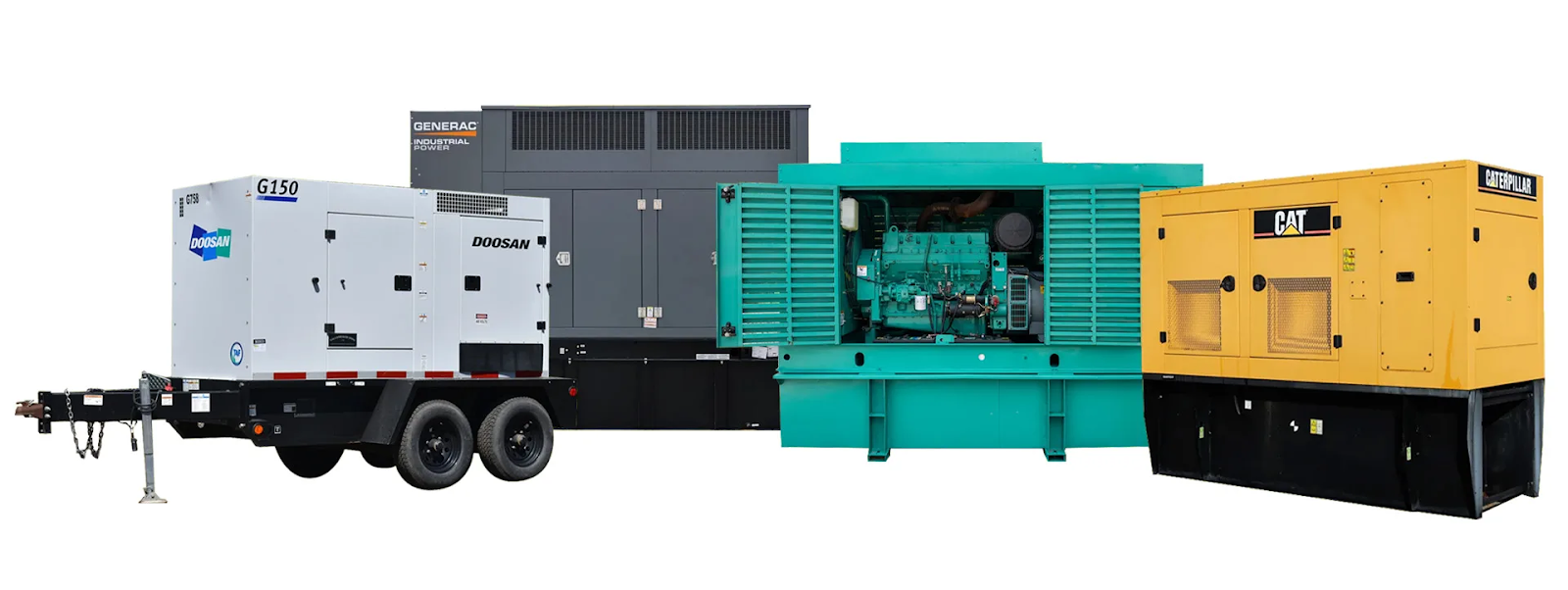
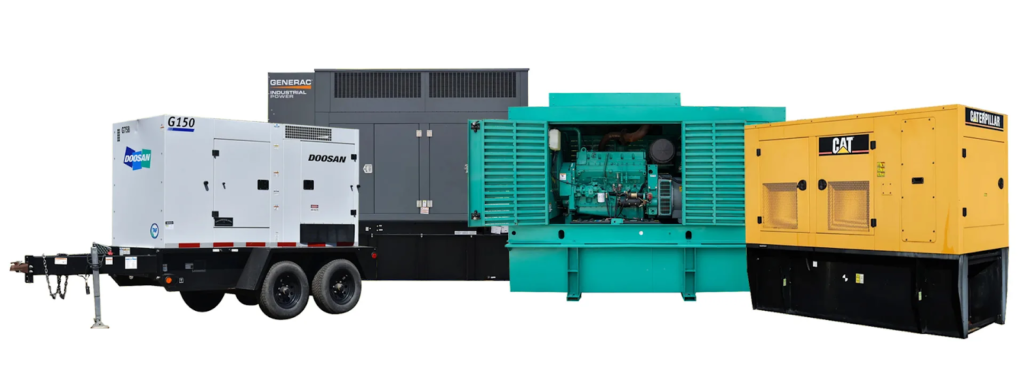
Commercial electricity needs vary widely depending on industry, workload intensity, and operating environment. Because no single power setup fits every situation, businesses must understand how different types of commercial generators perform under specific conditions. Choosing based on application rather than popularity helps organizations achieve reliable operational efficiency while avoiding unnecessary costs or performance limitations.
Diesel-Based Systems for Heavy-Duty Operations
Diesel-powered solutions are commonly used in construction sites, manufacturing plants, and large warehouses where equipment must support high electrical loads for extended periods. Their strong torque performance and fuel efficiency under continuous operation make them suitable for demanding environments. Businesses relying on uninterrupted workflows often prefer this option for high-load endurance capability in industrial and commercial settings.
Natural Gas Units for Urban Commercial Facilities
Offices, hospitals, retail centers, and service-based businesses frequently benefit from natural gas generators. These systems operate more quietly and produce lower emissions compared to diesel alternatives, making them practical for populated areas with environmental considerations. When connected to an existing gas supply, they offer dependable performance with cleaner energy operation and simplified fuel management.
Portable Commercial Generators for Temporary Power Needs
Temporary projects such as outdoor events, short-term construction work, or emergency response operations require flexible commercial generators. Portable commercial units provide mobility and quick deployment without permanent installation requirements. Their adaptability makes them ideal for businesses needing short-term power flexibility across changing locations.
Inverter-Based Systems for Sensitive Equipment
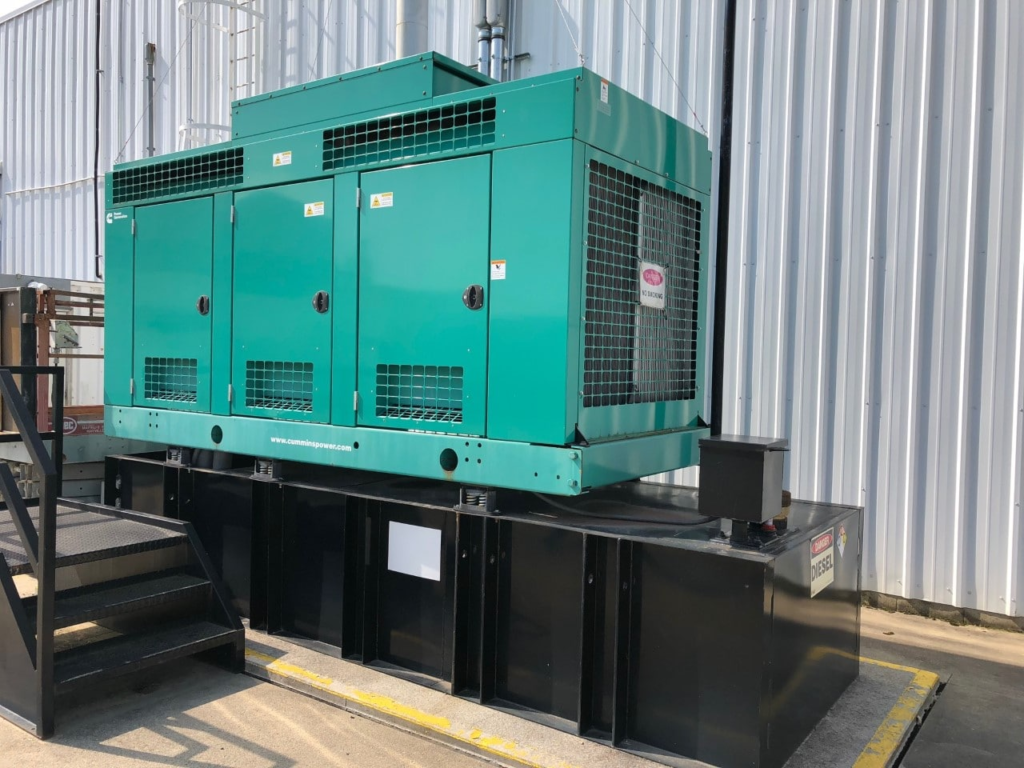
Modern workplaces increasingly depend on electronics such as servers, communication devices, and medical instruments that require stable voltage output. Inverter-based solutions regulate electricity electronically, reducing fluctuations that could damage sensitive systems. This makes them particularly suitable for offices and technical facilities requiring precision power stability for uninterrupted digital operations.
Prime vs Standby Configurations Explained
Another important distinction involves operational purpose. Prime configurations support a continuous electricity supply where grid access is unreliable, while standby setups activate only during outages. Understanding usage patterns helps businesses select the correct configuration, ensuring application-specific performance planning aligned with operational needs.
How to Size Commercial Power Equipment Correctly?
Selecting the right generator capacity is one of the most important steps in commercial power planning. Many businesses assume larger equipment automatically delivers better performance, but incorrect generator sizing often leads to inefficiency, higher operating costs, or unstable operation. Proper evaluation begins by understanding actual power demand rather than estimating based on guesswork.
Commercial facilities typically operate generators that require different amounts of electricity during startup and normal operation. Motors, compressors, and refrigeration systems draw significantly higher energy at startup compared to their running load. Ignoring this difference can cause shutdowns or overload issues, making starting load calculation essential for stable performance.
Another factor businesses often overlook is future expansion. Adding machinery, extending working hours, or upgrading infrastructure increases total demand over time. Planning capacity with moderate growth in mind prevents expensive replacements later and ensures the system continues supporting operations efficiently. This approach supports long-term scalability planning without unnecessary overspending.
Oversizing the commercial generators also creates problems. Equipment running far below optimal capacity consumes more fuel and experiences carbon buildup, reducing efficiency over time. On the other hand, undersized setups struggle during peak demand and may shorten equipment lifespan. A balanced evaluation focused on real usage patterns helps businesses achieve efficient load matching, improving reliability while controlling operational expenses.
Reliability, Maintenance, and Operating Costs Businesses Often Ignore
The initial purchase price of commercial generators often receives the most attention during buying decisions, but long-term performance depends heavily on maintenance and operating conditions. Commercial power equipment functions best when supported by regular inspection schedules, proper ventilation, and timely servicing. Ignoring these factors can gradually reduce efficiency, leading to unexpected operational failures when electricity support is needed most.
Fuel consumption plays a major role in ongoing expenses. Generators operating inefficiently or running continuously under improper loads consume more fuel than expected, increasing operational costs over time. Businesses that evaluate runtime efficiency alongside capacity requirements typically achieve better financial outcomes through optimized fuel management strategies.
Environmental conditions also influence reliability. Dust, heat, humidity, and restricted airflow can affect cooling performance and internal components. Installing equipment in well-ventilated areas and following manufacturer guidelines significantly improves durability, ensuring stable long-term operation even in demanding commercial environments.
Service accessibility is another overlooked consideration. Easy access to replacement parts, trained technicians, and monitoring systems reduces downtime during maintenance or repairs. Companies that prioritize service support alongside technical specifications benefit from faster recovery during issues, creating dependable operational continuity that protects productivity and revenue.
Key Features Businesses Should Prioritize Before Buying
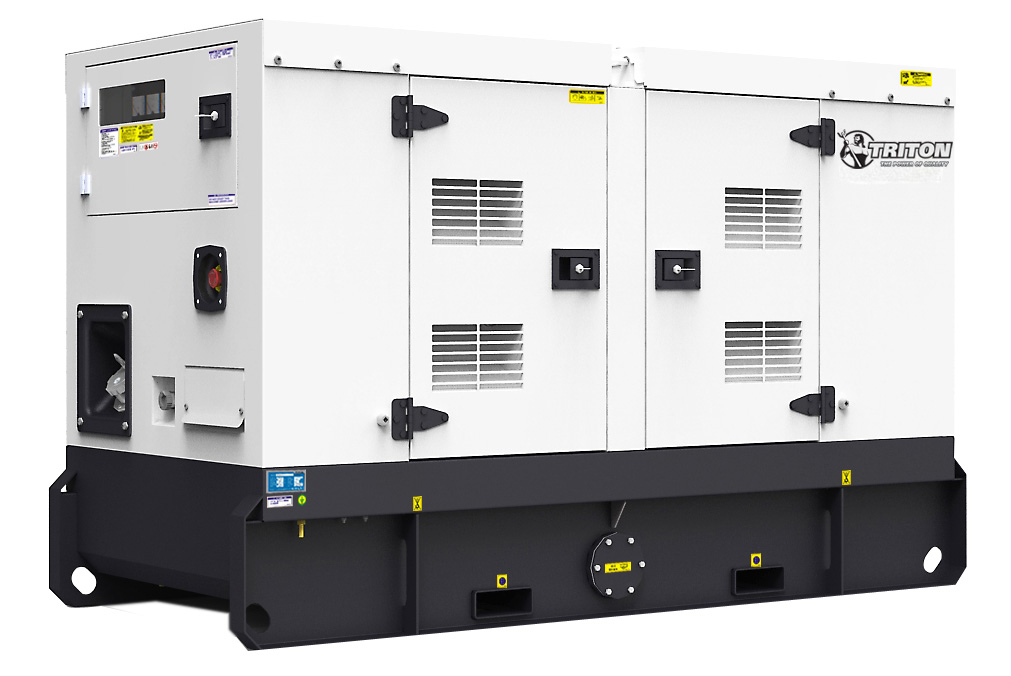
Before finalizing any commercial power solution, businesses should carefully evaluate features that directly affect reliability, efficiency, and long-term operational convenience. Simply looking at technical specifications is not enough, as even high-capacity equipment can fail if it lacks intelligent controls, safety mechanisms, and monitoring capabilities. Focusing on usability alongside capacity ensures organizations select systems that truly meet their operational needs, reduce downtime, and support sustainable performance over time.
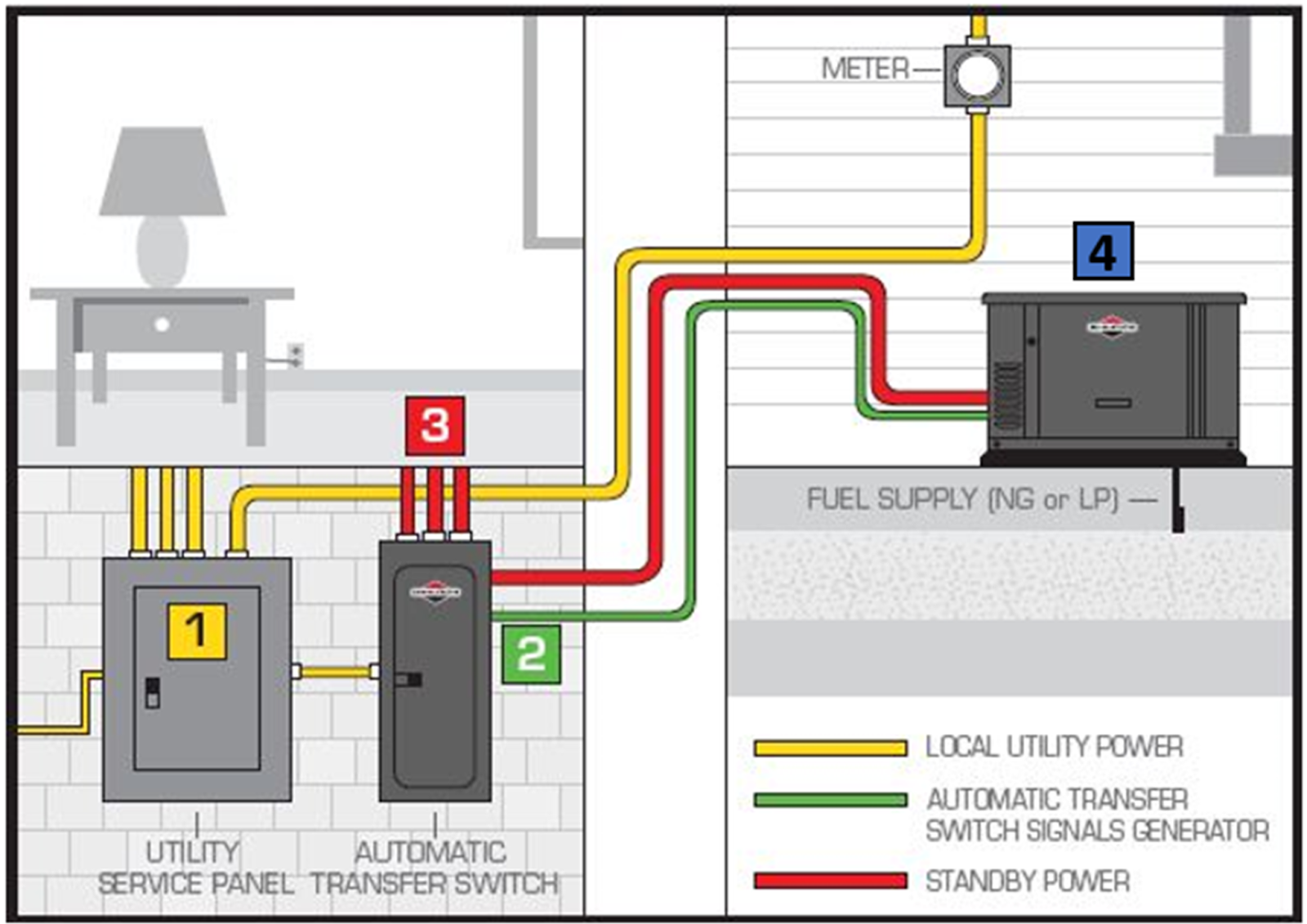
One of the most critical elements is automatic transfer capability. This allows the system to activate instantly during an outage without manual intervention. For businesses where downtime affects revenue or safety, such as hospitals, retail operations, or manufacturing lines, automated switching prevents costly interruptions and protects sensitive machinery from abrupt power loss. Even a few minutes of delay can result in damaged equipment or lost production, making this feature essential for commercial operations.
Integrated monitoring and control systems are also crucial. Modern setups often include digital panels, remote monitoring apps, and real-time alerts for fuel levels, runtime, and upcoming maintenance tasks. Such tools enable proactive management, helping operators address potential problems before they escalate, avoid emergency repairs, and schedule servicing at convenient times without disrupting operations. For example, a warehouse relying on refrigeration units can prevent spoilage by monitoring load and temperature through these systems.
Safety protections must never be overlooked. Features like overload shutoffs, temperature sensors, and automatic shutdown mechanisms safeguard both the system and connected equipment. Combined with proper ventilation, professional installation, and weatherproof enclosures, these protections ensure long-term durability even in demanding commercial environments. Additionally, businesses that prioritize installation planning, such as selecting well-ventilated spaces and avoiding exposure to dust or moisture, benefit from improved efficiency and fewer operational issues over time.
Finally, long-term support and maintenance compatibility are key considerations. Access to trained technicians, replacement parts, and warranty coverage can dramatically reduce downtime and extend the life of the system. By carefully evaluating these comprehensive features, automation, monitoring, safety, installation quality, and ongoing support, businesses make informed decisions that guarantee consistent, efficient, and safe operation, protecting both their equipment and productivity.
Which Generator Is Best for Industrial Use?
Industrial environments require equipment capable of operating under continuous heavy loads and harsh working conditions. Manufacturing plants, construction projects, and processing facilities depend on stable electricity for long operating hours, making durability a top priority. In most cases, diesel-based systems are preferred because they deliver high-load operational reliability and perform efficiently during extended runtime.
Industrial applications also demand strong cooling systems, reinforced components, and stable voltage output to support large motors and machinery. Prime-rated configurations are commonly selected where electricity is required daily rather than only during outages. Businesses evaluating industrial solutions should focus on capacity planning and service support to ensure long-term performance stability in demanding environments.
What Are the Top 3 Generators for Commercial Applications?
Instead of one universal option, commercial buyers typically choose between three major system categories depending on operational needs. Each type serves a different business environment, making application-based selection important for achieving reliable performance.
Diesel commercial systems rank highly for heavy workloads and extended operation, making them suitable for warehouses and industrial facilities. Natural gas setups are widely used in offices and retail spaces due to their cleaner operation and quieter performance. Inverter-based solutions complete the top three by supporting sensitive electronics that require stable output, providing balanced commercial versatility across different industries.
Which Generator Is Better: Generac or Champion?
The comparison between Generac and Champion depends largely on intended usage rather than overall superiority. Generac is widely known for permanent standby installations and advanced automation features designed for commercial and residential backup applications. Its extensive dealer network provides strong service accessibility, which appeals to businesses prioritizing long-term support.
Champion, on the other hand, is often chosen for portable and budget-conscious solutions. It offers flexibility and practical performance for temporary or smaller-scale commercial needs. Businesses selecting between the two should evaluate runtime expectations, installation type, and operational scale to determine use-case-based suitability instead of searching for a universal winner.
What Is the Best Commercial Generator Brand?
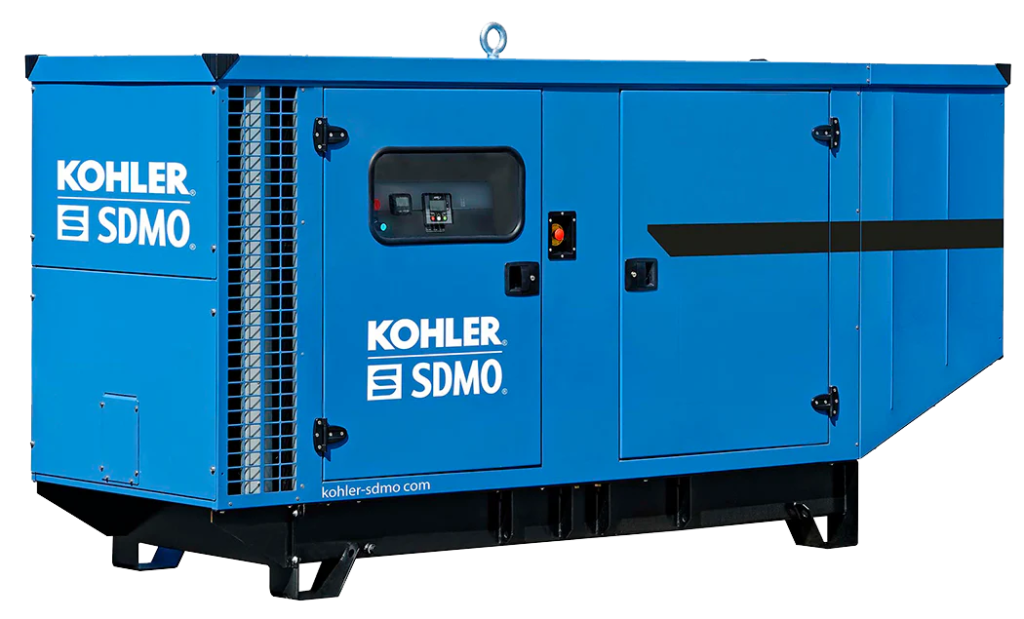
The best commercial brand varies depending on workload requirements, operating environment, and service availability. Well-known manufacturers such as Generac, Kohler, Cummins, and Briggs & Stratton are frequently considered because they offer proven engineering and wide support networks. However, brand reputation alone should not drive decisions; performance alignment remains the primary selection factor.
Businesses benefit most when brand choice matches operational demands, maintenance access, and fuel preferences. Evaluating warranty coverage, parts availability, and technical support ensures the selected equipment performs reliably throughout its lifecycle, supporting confident long-term investment decisions.
Ensure Safe and Reliable Commercial Power with ALEO Solutions
At ALEO, we provide high-quality commercial power solutions designed to meet your business’s unique electricity needs while following best practices for safety and maintenance. All units are UL-certified in the United States, delivering reliable performance and peace of mind whenever continuous power is required.
With direct shipment from the United States, your system arrives quickly and is ready for deployment, while on-site guidance ensures proper installation and seamless connection to critical business equipment. Whether you are supporting industrial machinery, office operations, or retail facilities, ALEO solutions are engineered for consistent, efficient, and safe commercial operation.
We also provide long-term support and a 1-year warranty, giving you confidence in your investment and reducing concerns about unexpected downtime. Flexible delivery options, typically within 30 days, allow businesses to plan around schedules and ensure preparedness before outages, peak demand periods, or emergency situations. Visit our website and connect with us to make sure your commercial power setup delivers dependable, safe, and hassle-free energy exactly when your operations need it most.