Skip to content
Meta Description: Learn the 80% rule for generators, NEC compliance, 20-20-20 rule, safe placement of industrial generators, monthly testing, and legal considerations.
What is the 80% Rule for Generators?
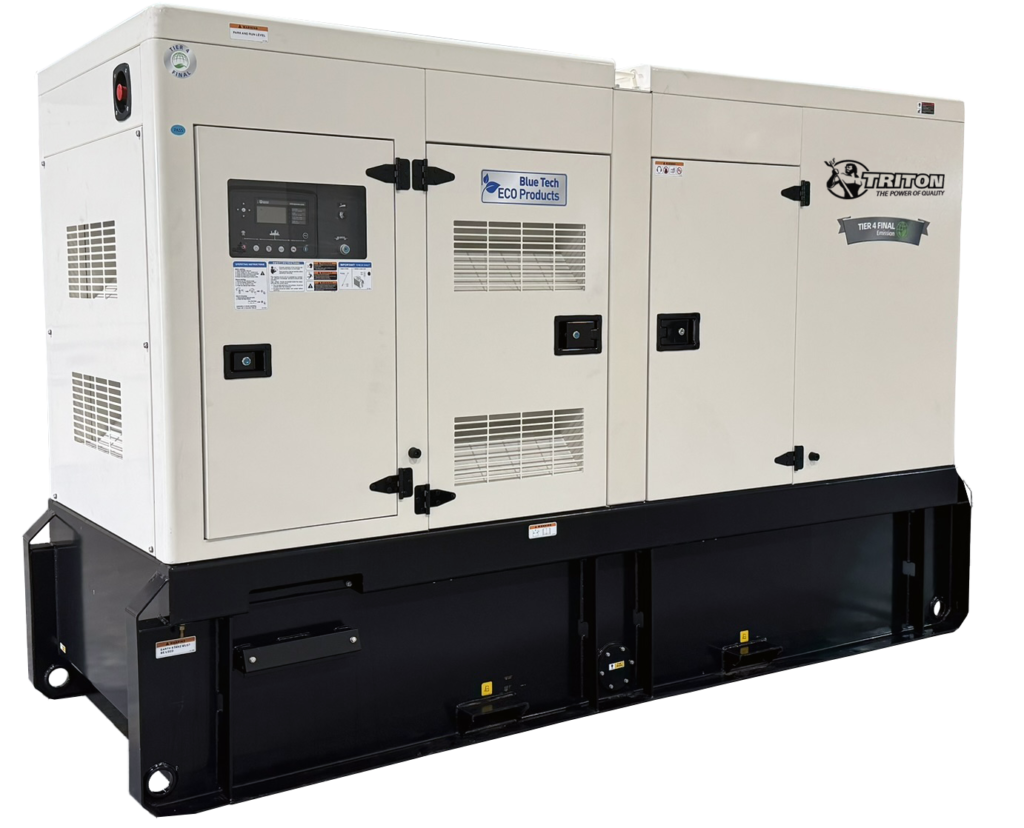
Power outages can strike unexpectedly during storms, utility failures, or grid maintenance. Many homeowners and small businesses rely on portable generators to keep essential appliances running and maintain continuity. But without understanding proper guidelines, using a generator can become a hazard. Overloading, improper placement, or ignoring code requirements can lead to fire, carbon monoxide poisoning, or permanent damage to the equipment.
One of the most important safety principles to follow is the 80% rule for generators. This rule ensures that a generator is not run continuously at full capacity, which could cause overheating, excessive wear, or mechanical failure. By keeping continuous loads within 80% of the generator’s rated capacity, users can maximize efficiency, prolong the generator’s lifespan, and reduce the risk of accidents.
Alongside the 80% rule, other practical guidelines, such as the 20-20-20 rule, help users operate portable generators safely. These rules cover monthly testing, safe distance from structures, and load management, ensuring that even smaller portable units deliver reliable power without unnecessary risk.
Understanding these rules is essential not only for safety but also for ensuring your generator remains dependable. In this article, we will explain the 80% rule, how it works with portable and industrial generators, the 20-20-20 guideline, safe placement, permit requirements, and monthly maintenance tips to keep your system ready whenever you need it. So, keep reading:
The 80% Rule for Generators and Why It Matters
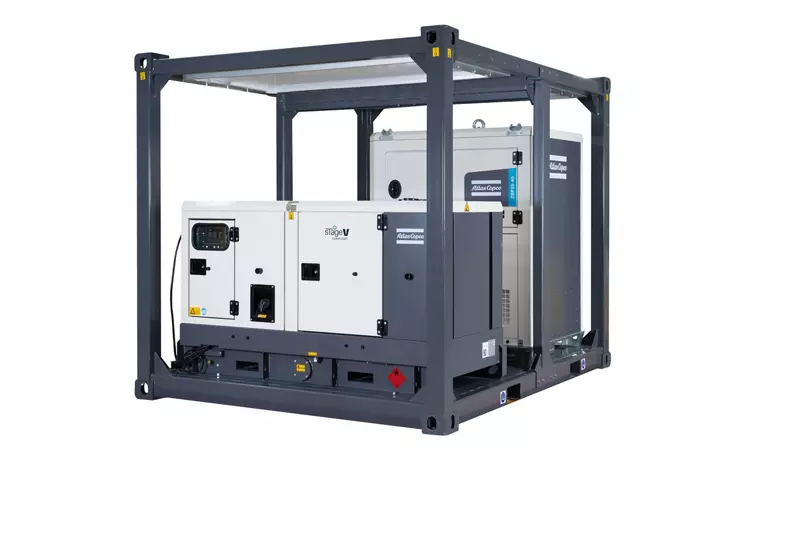
The 80% rule for industrial generators is one of the most important guidelines for ensuring safe and reliable operation of backup power systems. According to the National Electrical Code (NEC), a generator should only carry continuous loads up to 80% of its rated capacity. Exceeding this limit can lead to overheating, reduced efficiency, and permanent engine damage.
This is especially critical for generators, which typically have smaller engines and fewer cooling systems than large standby units. Following the 80% rule ensures the generator operates within safe mechanical limits, maintaining optimal performance and longevity. Proper portable generator management starts with understanding this simple yet essential principle.
Many people underestimate the importance of the 80% rule when powering household appliances. For instance, a small generator rated at 2000 watts might seem sufficient to run a fridge, some lights, and a laptop, but if the total running load approaches 2000 watts, the generator is operating at full capacity. Sudden startup surges from compressors or pumps can easily push the generator beyond its limit, causing it to shut down or damage connected devices. By calculating the total wattage of appliances and staying below 80%, users can prevent these issues and ensure consistent portable generator performance during emergencies.
Additionally, the 80% rule is not just about protecting the generator itself; it also safeguards sensitive electronics. Voltage fluctuations, frequent overloads, or thermal stress can reduce the lifespan of appliances, especially refrigerators, medical devices, or computers. Following the 80% rule also makes it easier to plan for temporary increases in load during an outage, such as running extra lights or powering a small heater, without compromising safety. Safe portable generator operation is a combination of proper sizing, load calculation, and understanding operational limits.
Understanding and applying the 80% rule is also a stepping stone to other best practices, such as the 20-20-20 rule, which guides monthly test runs, safe placement, and long-term load limits. When combined with proper maintenance and load planning, adherence to the 80% rule ensures your portable generator remains reliable, efficient, and safe.
Homeowners and businesses relying on portable generators during storms, power outages, or temporary work scenarios can significantly reduce risks and extend generator lifespan by consistently following this rule. Ultimately, the 80% rule is the foundation for safe, efficient, and dependable portable generator use, making it an essential guideline for anyone investing in backup power solutions.
| Generator Rating (Watts) | Max Continuous Load (80%) | Typical Appliances Supported |
| 2000 W | 1600 W | Lights, small fridge |
| 3500 W | 2800 W | Fridge, TV, small AC |
| 5000 W | 4000 W | Whole-house essentials |
How Portable Generator Load and Sizing Work?
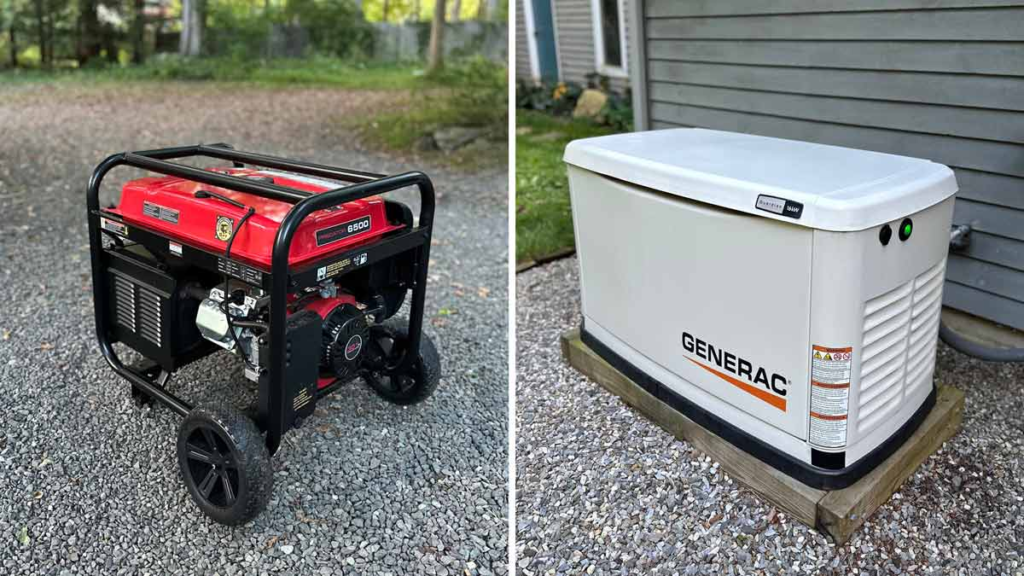
Proper load calculation and generator sizing are crucial for ensuring safe and reliable operation of portable generators. The first step is to list all the appliances and devices you intend to power during an outage. Each device has two key values: running watts (the continuous power it requires) and startup watts (the temporary surge needed to start motors or compressors).
Failing to account for startup surges is one of the most common reasons small generators overload. For example, a refrigerator may require 700 running watts but surge to 2200 watts momentarily when the compressor starts. By adding both running and surge requirements for all devices, you can determine the minimum generator rating needed for safe generator operation.
After calculating total wattage, it is important to select a generator that can comfortably handle the load without exceeding the 80% rule. If your combined running load is 2800 watts, a generator rated at 3500–4000 watts ensures that it runs below 80% of its capacity, providing a buffer for additional appliances or unexpected surges. Oversizing slightly is acceptable, but excessive oversizing can be inefficient, as generators operate less efficiently at very low loads. Proper sizing ensures the generator delivers consistent voltage and reliable power, avoiding frequent shutdowns or damage to connected devices.
Load distribution is another critical consideration. Generators should be connected to essential circuits rather than attempting to power the entire house indiscriminately. For instance, prioritizing lights, refrigerators, laptops, and medical devices ensures that critical needs are met. Appliances like sump pumps, air conditioners, or space heaters may require careful planning to avoid simultaneous startup surges. By mapping loads and staggering operation when possible, you can maximize generator efficiency and longevity.
Fuel type, portability, and runtime expectations also influence sizing decisions. Gasoline generators are common for smaller units, while propane or dual-fuel options may be preferable for longer-duration outages. Larger generators, rated 5000–6000 watts, can handle more appliances or a partial whole-house setup, while smaller units remain ideal for essential loads. Combining proper load calculation, surge management, and careful sizing guarantees that your portable generator delivers safe, reliable, and efficient power whenever it’s needed.
Applying the 80% Rule to Portable Generators in Real Scenarios
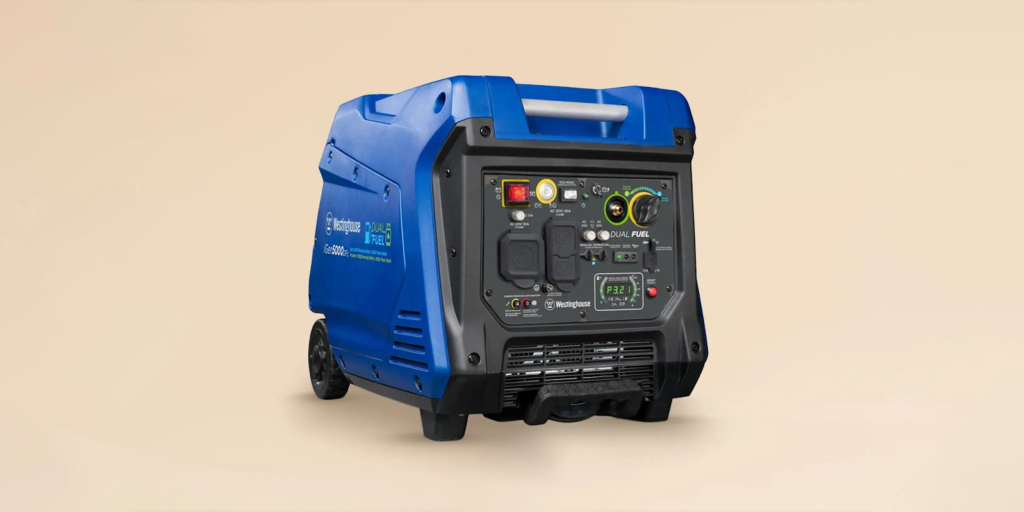
Understanding the theory behind the 80% rule is one thing, but applying it in real life is essential for safe generator operation. For example, if you are powering a refrigerator, a few lights, and a laptop during an outage, calculate the total running watts. Suppose the combined running load is 1100 W, then the generator should have a capacity of at least 1375 W to remain within the 80% guideline. This prevents overload and keeps the generator running efficiently.
We all know that generators are commonly used for backup during storms or temporary power needs. Following the 80% rule ensures the generator can handle startup surges and continuous loads without risk of damage. Even smaller units, like a 1500 W generator, can safely power a few essential appliances if loads are managed correctly. Using tables to match scenarios with generator capacity makes it easier for users to plan and avoid overloads. Safe generator usage not only protects your equipment but also ensures uninterrupted power during critical times.
The 20-20-20 Rule for Generators
The 20-20-20 rule is a practical maintenance guideline for portable generators. It recommends running the generator for 20 minutes every month, keeping it at least 20 feet away from structures, and limiting continuous operation to 20% of its rated capacity when idle for extended periods. This complements the 80% rule and ensures the generator remains mechanically sound, fuel circulates, and the battery stays charged. Portable generator safety improves when these simple steps are followed consistently.
During monthly test runs, connect a moderate load to exercise the generator safely. Inspect fuel, oil, and electrical connections while confirming proper distance from buildings to avoid carbon monoxide accumulation. Following the 20-20-20 routine ensures that even smaller portable generators are ready when emergencies strike. By combining regular testing, proper placement, and adherence to the 80% rule, users achieve safe and efficient portable generator operation year-round.
How to Choose the Right Portable Generator for Your Needs
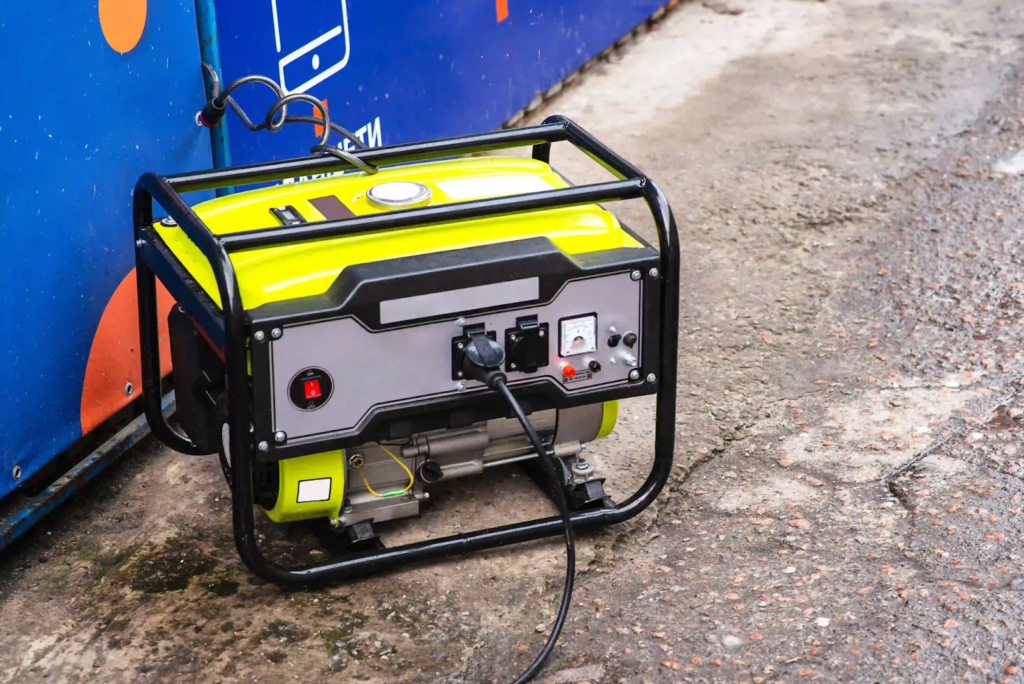
Selecting the right industrial generator begins with understanding your actual power requirements. Start by calculating the total wattage of essential appliances, including both running and startup wattages. Many devices, like refrigerators, sump pumps, or air conditioners, require higher startup power than their running wattage. Choosing a generator with slightly higher capacity than your total load ensures you stay within the 80% rule and prevents unexpected overloads. Proper sizing guarantees reliable Industrial generator performance when it’s needed most.
Other key factors include fuel type, portability, and intended usage duration. Gasoline generators are convenient for small homes, while dual-fuel options offer flexibility during longer outages. Smaller units are ideal for essential appliances like lights and laptops, while medium and large generators can support multiple appliances or whole-house needs. By carefully assessing your needs and planning for future contingencies, you can make the best industrial generator choice for both convenience and safety.
Why Should Generators Be 20 Feet Away From the Building?
Keeping generators at least 20 feet away from any building is a critical safety requirement. Generators produce carbon monoxide, a colorless and odorless gas that can be deadly if it accumulates indoors. Even if the generator is outside, placing it too close to doors, windows, or vents allows this toxic gas to enter living spaces. Maintaining a safe distance prevents health hazards for family members or employees. Safe generator placement is not just a recommendation but a standard safety practice followed in the National Electrical Code and most local regulations.
Beyond carbon monoxide, fire risks are also a concern. Generators generate heat and can produce sparks, especially if fuel is spilled or improper connections are used. Keeping the generator 20 feet away from flammable materials, walls, and structures reduces the chance of accidental fires. Additionally, adequate spacing allows for proper ventilation and airflow, which keeps the generator engine cooler and improves efficiency. When planning a backup power setup, considering generator safety through proper distance placement is as important as choosing the right generator size.
What Happens If You Install a Portable Generator Without a Permit?
Installing a portable generator without a permit can create serious legal and safety problems. Most municipalities require permits to ensure that generator installations meet the National Electrical Code standards and local building regulations. Without a permit, inspections are skipped, which means electrical connections, grounding, and placement may not be verified for safety.
This exposes residents and properties to fire hazards, carbon monoxide risks, and potential damage to the generator and connected appliances. Portable generator legal compliance protects both your household and your investment in the equipment.
In addition to safety concerns, operating a generator without a permit can have financial and insurance consequences. Insurance companies may refuse coverage for damages caused by unpermitted installations. Homeowners could face fines or be required to remove or redo the installation at their own cost. Legal compliance ensures that all safety precautions, including proper placement, fuel handling, and wiring, are verified by qualified inspectors. Understanding and following the permitting process is essential for reliable portable generator operation, giving peace of mind that the backup system is both safe and code-compliant.
How Long Should I Let My Portable Generator Run Every Month?
Routine testing is essential for portable generator maintenance and reliability. Experts recommend running the generator for at least 20–30 minutes every month. This practice circulates fuel, charges the battery, lubricates moving parts, and prevents corrosion or gumming in the engine. Regular operation ensures that the generator is ready to provide power during emergencies and reduces the risk of mechanical failures when it is needed most. Regular portable generator maintenance is crucial for preventing breakdowns and extending the unit’s lifespan.
During monthly operation, it is important to connect a moderate load, such as lights or small appliances, rather than running it at full capacity. This allows the generator to exercise all systems safely without stressing the engine. Fuel type, oil levels, and electrical connections should also be checked during these test runs. By committing to a consistent monthly routine, portable generators remain in peak condition, reliable, and safe. Following the recommended run time along with the 80% and 20-20-20 rules ensures safe and efficient portable generator operation year-round.
Ensure Safe and Reliable Power with the Right Generator – Connect With ALEO Today!
At ALEO, we provide high-quality industrial generators designed to handle your specific power needs while adhering to safety standards and best maintenance practices. Our units are UL-certified in the United States, ensuring reliable performance and peace of mind whenever power is needed.
With direct shipment from the United States, your generator reaches you quickly and is ready for operation, while on-site guidance ensures smooth setup and correct connection to your essential appliances. Whether you are protecting sensitive electronics, maintaining home comfort, or running small business equipment, ALEO generators are engineered for consistent, efficient, and safe operation.
We also offer long-term support and a 1-year warranty, so you can rely on your generator without worrying about unexpected failures. Flexible delivery options, usually within 30 days, allow you to plan around your schedule and be fully prepared before a storm, outage, or emergency strikes. Visit our website and connect with us today to make sure your generator provides dependable, safe, and hassle-free power when you need it most.