Skip to content
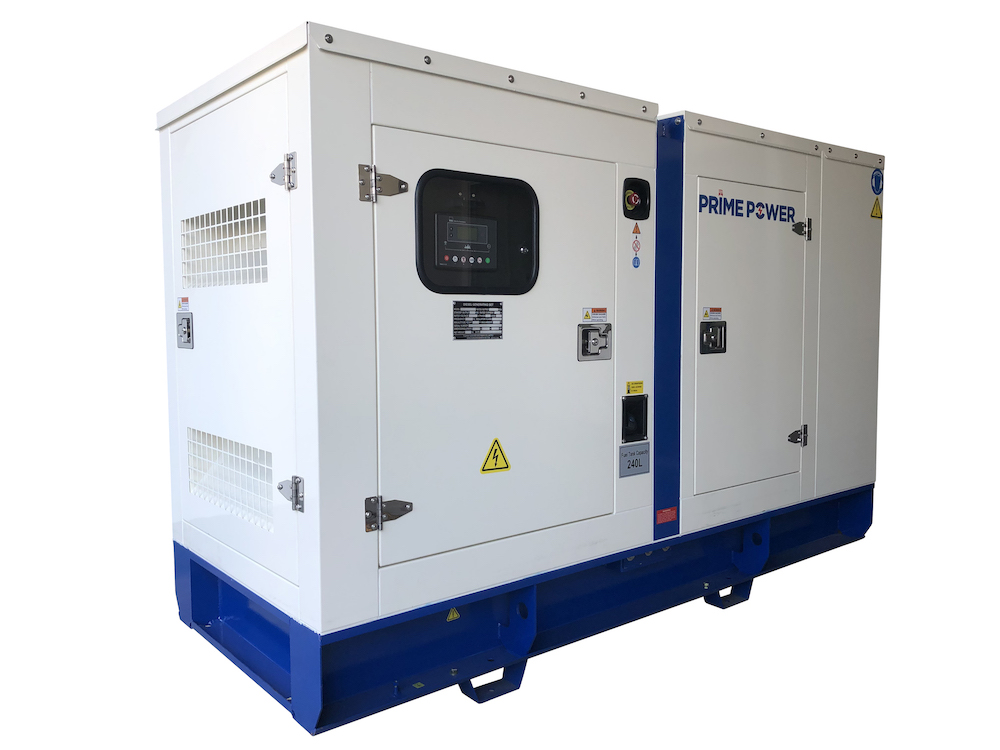
For many businesses, unexpected power problems are not just inconvenient; they directly affect productivity, deadlines, and operating costs. Construction sites stop midway, industrial equipment shuts down without warning, and remote facilities struggle to maintain stable operations when the electricity supply becomes unreliable. In such situations, companies often rush into buying generators without fully understanding which type actually suits their workload.
One of the biggest challenges buyers face is generator rating confusion. Terms like standby, prime, and continuous power sound similar, but they are designed for completely different operating conditions. Choosing the wrong category can result in excessive fuel usage, overheating issues, or generators that fail to handle daily operational demands. Many businesses only realize this mistake after experiencing performance limitations in real working environments.
The growing shift toward independent power solutions has made this decision even more important. Industries operating in remote locations, temporary project sites, or regions with unstable grid supply require equipment that can run for long hours while adapting to changing load requirements. A backup generator alone cannot support such continuous operational needs.
This is where prime power generators become highly relevant. These systems are designed to function as a primary source of electricity rather than just emergency support. They provide operational flexibility, stable performance, and the ability to handle varying energy demands across extended periods.
In this guide, you will gain a complete practical understanding of prime power generators, including how they work, where they are used, how they differ from other generator types, and how to choose the right system for reliable long-term performance. So, keep reading:
What Is a Prime Power Generator?
In many industrial environments, electricity is not simply a convenience but a daily operational requirement. Facilities working in remote locations or areas with unstable grid supply cannot rely on occasional backup systems. They need a power source capable of running equipment consistently for extended periods without performance decline. This requirement is exactly where prime power generators are designed to operate.
A prime power generator is a generator system built for long-duration operation while supporting variable electrical loads. Unlike standby generators that activate only during outages, prime generators function as the main source of electricity whenever utility power is unavailable or unreliable. They are engineered to operate for unlimited hours per year under varying load conditions, provided proper maintenance schedules are followed.
The defining characteristic of prime generators is load flexibility capability. Industrial operations rarely maintain constant energy consumption throughout the day. Machinery starts and stops, equipment loads fluctuate, and operational intensity changes across shifts. Prime-rated generators are specifically designed to handle these variations safely without damaging internal components or reducing efficiency.
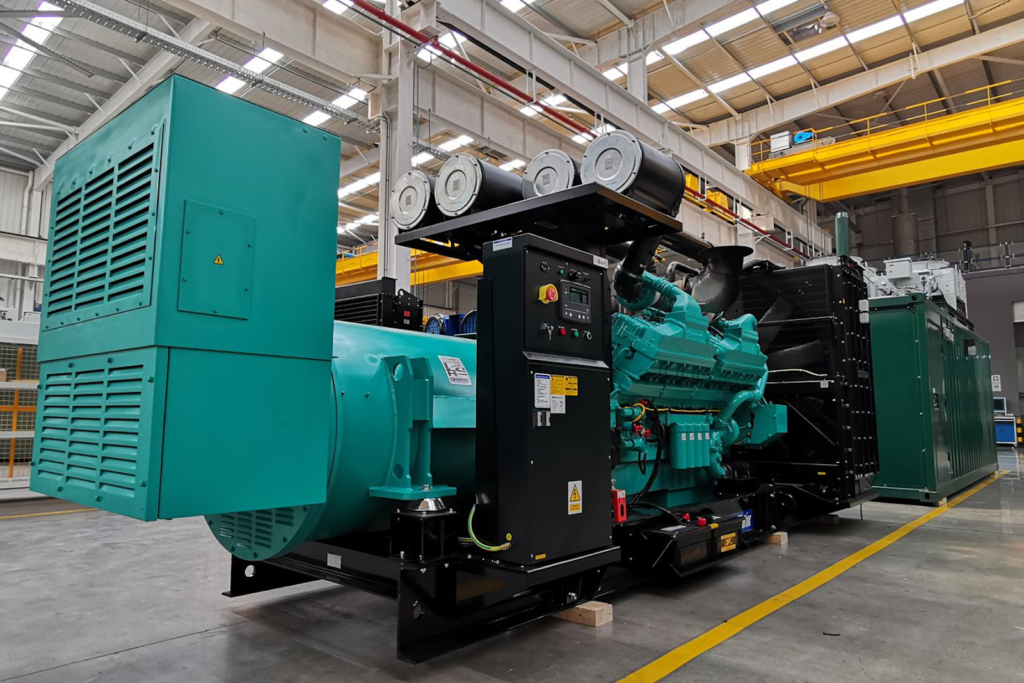
Another important distinction is their role as a primary energy solution rather than an emergency backup. Standby industrial generators remain idle most of the time and operate only during outages, while prime generators actively produce electricity as part of normal operations. This makes them ideal for construction projects, mining activities, agricultural operations, and remote industrial facilities where grid power may not exist at all.
Prime generators also allow operational scheduling flexibility, enabling businesses to run equipment according to project needs instead of depending on external electricity availability. Because of this adaptability, they have become a preferred solution for industries seeking reliable and scalable off-grid power systems.
Understanding this definition is essential before selecting any generator, as choosing a standby system for prime applications can lead to overheating, shortened lifespan, and increased operational costs.
How a Prime Power Generator Works?
Although prime power generators appear complex from the outside, their operation follows a structured energy conversion process that combines mechanical and electrical engineering principles. Each component works together to ensure stable electricity production even under changing load conditions.
The process begins with a diesel engine, which serves as the primary mechanical driver of the system. The engine burns diesel fuel inside combustion chambers, converting chemical energy into mechanical motion. This rotational motion drives the generator shaft continuously, allowing long operating hours with consistent torque output.
Connected to the engine is an alternator responsible for electricity generation. As the engine rotates the alternator rotor, a magnetic field moves within stationary windings, producing electrical current through electromagnetic induction. This generated power is then regulated and supplied to connected equipment or distribution systems.
One of the most important aspects of prime generators is their ability to manage variable load performance. Industrial power demand constantly changes as machines start, stop, or operate at different capacities. Advanced control systems automatically adjust engine speed, fuel injection, and voltage regulation to maintain stable output without damaging connected devices.
A continuous and reliable fuel supply is another key factor supporting extended runtime capability. Prime generators are typically paired with large fuel tanks or external fuel systems that allow uninterrupted operation for long durations. Efficient fuel management systems help maintain performance while optimizing consumption levels.
Modern units also include intelligent controllers that provide automated system regulation. These control panels monitor temperature, voltage, frequency, oil pressure, and load conditions in real time. If abnormal conditions occur, protective mechanisms automatically adjust operations or shut down the system to prevent equipment damage. Through the coordination of engine power, alternator performance, and automated monitoring systems, prime power generators deliver stable electricity suitable for demanding industrial environments where reliability and adaptability are critical.
Prime Power vs Standby vs Continuous Generators
Choosing the correct generator type becomes easier once buyers understand the operational rating differences between prime, standby, and continuous generators. While all three systems produce electricity, they are engineered for completely different usage patterns. Selecting the wrong category often leads to inefficient fuel consumption, reduced equipment lifespan, and operational limitations that appear only after installation.
Each generator rating is defined by how long the unit can run, how it handles load variation, and the role it plays within an energy system. Some are designed purely for emergencies, while others function as permanent power sources. Understanding these distinctions helps businesses match generator capabilities with real operational demands rather than assumptions.
| Generator Type | Usage | Runtime | Load Flexibility | Typical Applications |
| Prime Power Generator | Primary power source where the grid is unreliable | Unlimited hours with maintenance | Handles variable loads | Construction sites, mining, and remote industries |
| Standby Generator | Emergency backup power only | Limited annual runtime | Minimal load variation | Hospitals, offices, commercial buildings |
| Continuous Generator | Constant load applications | Unlimited at fixed load | Very low flexibility | Base load plants, stable industrial processes |
The main difference lies in the intended operational purpose. Standby generators remain inactive until a power outage occurs. They are not designed for daily operation and typically run only for short durations during emergencies. Using a standby unit as a primary power source can quickly cause overheating and excessive wear.
Prime generators, on the other hand, are built for variable load environments. They can operate continuously while adjusting to changing energy demands throughout the day. This makes them suitable for industries where equipment usage fluctuates regularly.
Continuous generators serve a different role, focused on constant load stability. They operate at a fixed output level without significant variation. While highly efficient for steady operations, they are not ideal where power demand frequently rises or falls. Understanding these differences ensures businesses invest in equipment aligned with real working conditions, improving efficiency, reliability, and long-term operational performance.
Key Features of Prime Power Generators
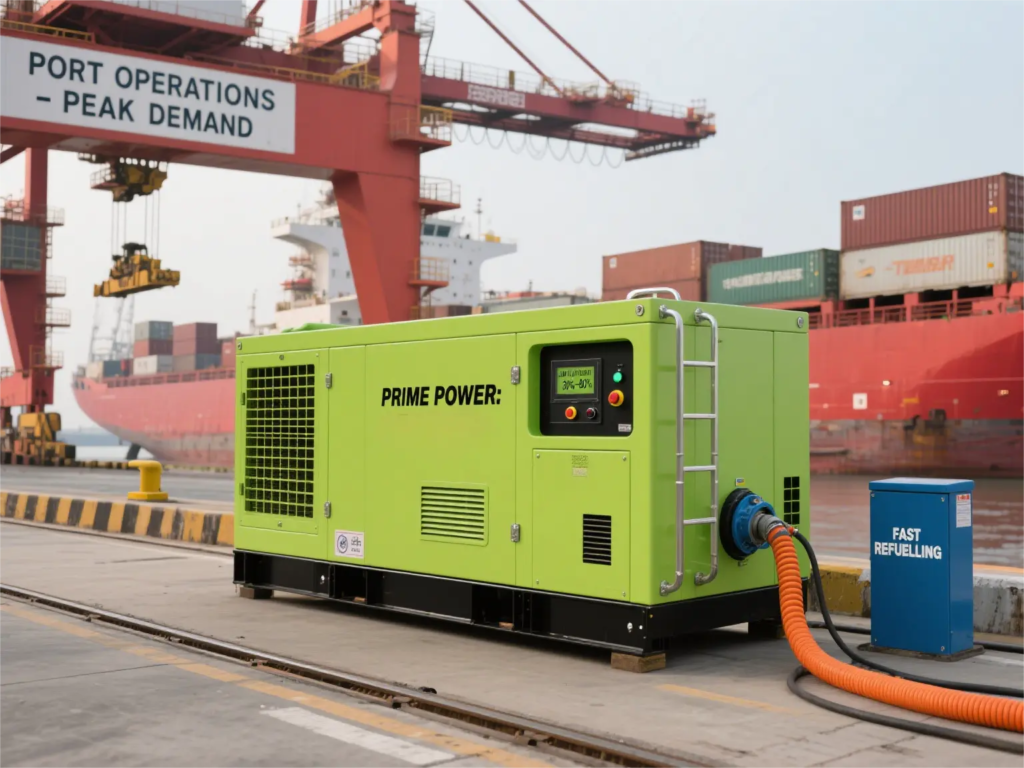
Prime power generators are engineered to support demanding operational environments where electricity must remain stable for long periods. Their design focuses on durability, adaptability, and efficiency so that businesses can rely on consistent performance even under changing workloads. Understanding the core performance features of these generators helps buyers recognize why they differ significantly from basic backup systems.
- High Load Handling Capability
One of the most important characteristics of prime generators is their dynamic load handling ability. Industrial operations rarely maintain a fixed energy demand. Heavy machinery may start suddenly, production equipment may operate in cycles, and electrical loads often fluctuate throughout the day. Prime generators are built with engines and alternators capable of absorbing these variations without voltage instability or mechanical stress.
Advanced voltage regulators and control systems automatically adjust output to match changing demand levels. This ensures equipment receives stable power even during sudden load increases. The ability to manage varying loads safely reduces the risk of shutdowns and protects sensitive machinery from electrical damage. Because of this capability, prime generators perform reliably in environments where energy consumption patterns are unpredictable.
- Extended Runtime Design
Prime generators are developed for long-hour operation rather than occasional use. Their internal components, including cooling systems, lubrication mechanisms, and fuel delivery systems, are optimized for continuous running conditions. Unlike standby units that operate only during emergencies, prime generators can function as the main power source for extended periods.
Large fuel storage compatibility and efficient engine calibration allow uninterrupted performance across long work cycles. Proper maintenance enables these systems to run for unlimited annual hours while maintaining consistent output quality. This makes them ideal for remote projects where stopping operations due to power limitations is not an option. The extended runtime design directly contributes to improved operational continuity.
- Efficient Fuel Consumption
Fuel efficiency plays a critical role in reducing long-term operating costs, especially when generators run daily. Prime power systems incorporate optimized fuel efficiency technologies that balance engine performance with energy demand. Intelligent fuel injection systems adjust consumption according to load requirements instead of operating at constant maximum output.
This adaptive fuel usage minimizes waste during partial load conditions while maintaining sufficient power availability when demand increases. Over time, improved fuel efficiency significantly lowers operational expenses for industries relying on independent power generation. Efficient fuel management also supports environmental compliance by reducing unnecessary emissions.
- Advanced Cooling Systems
Continuous operation generates significant heat, making temperature control essential for reliability. Prime generators include enhanced thermal management systems designed to maintain safe operating temperatures even in harsh climates or high load conditions.
Heavy-duty radiators, high-capacity fans, and optimized airflow designs prevent overheating during long runtime cycles. Cooling systems automatically respond to temperature changes, ensuring engine components remain within safe performance limits. Effective cooling not only protects internal parts but also extends the generator’s lifespan by reducing thermal stress and wear.
- Durable Engine Construction
Prime generators are built using industrial-grade engine design principles. Components such as crankshafts, pistons, and bearings are manufactured from high-strength materials capable of withstanding continuous mechanical stress. Reinforced construction allows the generator to operate reliably under demanding workloads without frequent failures.
This durability reduces downtime and maintenance frequency, making prime generators suitable for heavy-duty industrial applications. Strong engine construction also ensures consistent performance even in dusty, humid, or high-temperature environments. The focus on durability makes these generators a long-term investment rather than a short-term solution.
- Automation and Monitoring Compatibility
Modern prime generators integrate smart monitoring capability to improve operational control. Digital control panels allow operators to track voltage, frequency, fuel levels, temperature, and load conditions in real time. Automated alerts notify users of maintenance needs or abnormal performance before problems escalate.
Remote monitoring systems enable operators to supervise generator performance from centralized locations, which is especially useful for multiple project sites or remote facilities. Automation also supports automatic startup, shutdown, and load management functions. These intelligent features enhance reliability while simplifying operational management, allowing businesses to maintain a consistent power supply with reduced manual intervention.
Common Applications of Prime Power Generators
| Application Sector | Power Requirement | Why Prime Power Fits |
| Construction | Variable daily loads | Handles fluctuating equipment demand |
| Mining | Remote operations | Provides off-grid electricity |
| Oil and Gas | Critical equipment | Supports continuous operation |
| Agriculture | Seasonal workloads | Reliable rural power supply |
| Temporary Projects | Flexible deployment | Easy installation and relocation |
Benefits of Using Prime Power Generators
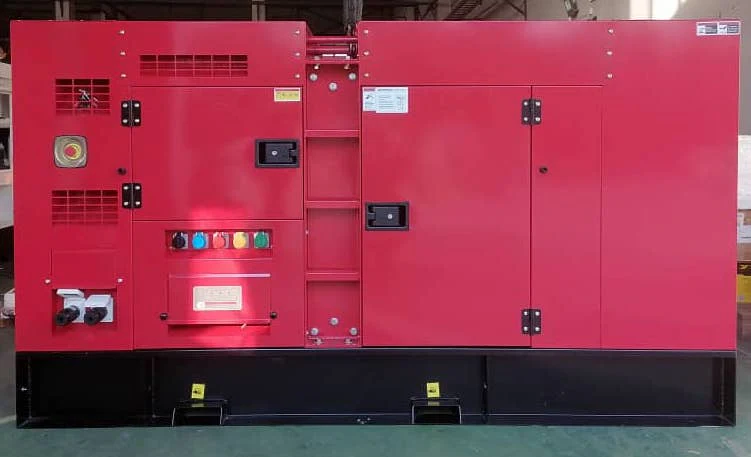
The following are the key benefits of using prime power generators:
- Operational independence that allows businesses to run without relying on unstable grid electricity.
- Stable energy supply that protects equipment from voltage fluctuations and unexpected shutdowns.
- Scalable power capability that supports business expansion and changing energy demands.
- Cost predictability through controlled fuel consumption and planned maintenance schedules.
- Reliable performance in remote environments where permanent power infrastructure is unavailable.
- Reduced downtime leading to improved productivity and operational continuity
- High load handling, ensuring machinery can operate safely even during peak demand
- Extended runtime capability, supporting long hours of continuous operation without interruption
- Fuel efficiency, lowering long-term operational expenses
- Advanced monitoring and automation, simplifying management and preventive maintenance
These combined benefits make prime power generators an ideal investment for businesses that require consistent, reliable, and cost-effective energy for industrial, agricultural, and remote operations.
Prime Power Generators for Modern Operations: Connect With ALEO Today!
If your operations require a stable and dependable power source, choosing the right prime power generator can make a significant difference in long-term efficiency and cost control. At ALEO, our solutions come with UL certification and direct shipment from the United States, professional on-site debugging and installation, a 1 year warranty, and flexible delivery timelines of around 30 days.
Connect with our team today to discuss your project requirements and find a prime power solution designed to support your operations with consistent and reliable performance.