Skip to content
As an industry owner or procurer, choosing the right diesel generator is something that you might think of as a straightforward decision. However, in reality, it is one of the most important and complex decisions, especially in 2026, with such a wide variety of options available.
Picking an option that is way too small for your project leads to risks of overloads, unexpected downtime, and extremely expensive repairs. On the other hand, going for a bigger diesel generator set means you will end up wasting fuel, spending more than needed, and leading to reduced efficiency.
With rising energy costs, the call for sustainability, implementation of strict emission standards on industries, and the stringent demand for uninterrupted power, businesses are no longer making sizing decisions based on guesswork. Procurers must get rid of their past habits when selecting power backups as per their industrial needs because, in 2026, a one-size-fits-all approach is no longer workable.
Below, we are going to get into the details of how to size and pick the right diesel generator set for your specific needs. We will go step by step to help you understand the actual load, account for surges, plan for future growth, and factor in environmental conditions.
By the end of this guide, you will be able to easily select a backup that is not too big or too small, but accurately sized for your needs. The aim is to help you find a diesel generator set that saves you money, ensures reliability, and keeps your operations running smoothly even in the absence of power. In short, proper sizing is not simply a technical task; rather, it is a smart decision based on several well-calculated steps. So, read on.
Why Generator Sizing Matters in 2026?
Having the right size diesel generator not only benefits you technically but also has a significant impact on the fuel efficiency, operating costs, and engine lifespan. It’s 2026, and businesses now know the disadvantages of installing the wrong-sized one.
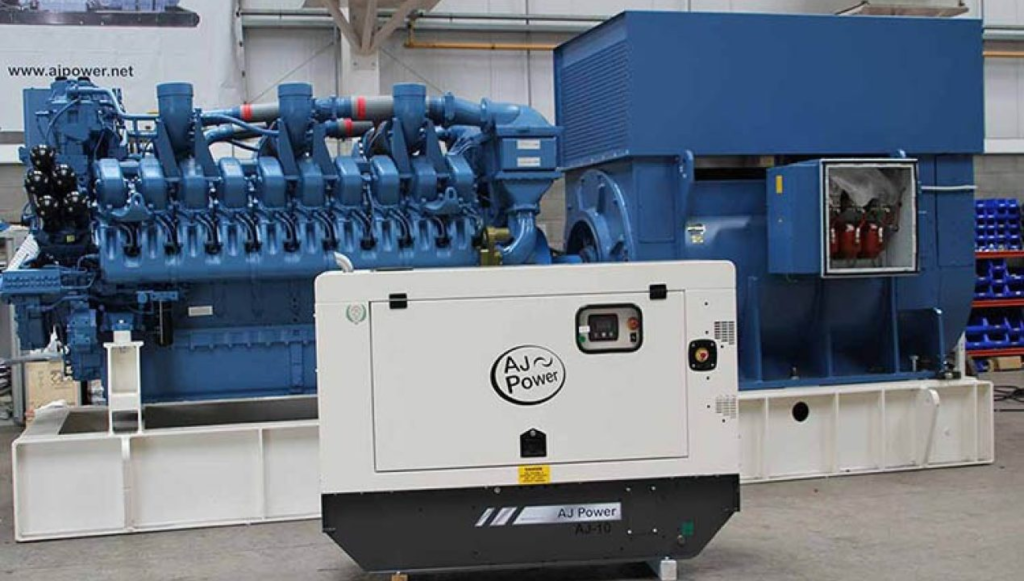
Businesses often invest in bigger options, thinking of it as a safe option that can provide extra power. However, in reality, oversized generators utilise more fuel, especially while operating at a low load. Thus contribute to increased monthly fuel expense. Additionally, the oversized options cost more initially and lack efficiency when not used fully. In simple words, investing in bigger ones often means investing in power but not really using it.
Similarly, investing in undersized ones means investing in bigger problems. When a generator is constantly overloaded, the engine gets stressed, leading to a higher breakdown ratio, unexpected downtime, and higher maintenance costs. In sectors where a power failure of a few seconds can contribute to serious situations, i.e., in hospitals, factories, or data centres, choosing undersized options is extremely risky.
Another key factor to consider when choosing a backup for businesses and factories is emission compliance. An oversized generator, when running inefficiently, emits higher emissions levels. Whereas a small one, when overloaded, struggles and hence releases more pollutants into the environment. Choosing the proper size helps businesses follow the environmental rules and avoid penalties later on.
Example: A small manufacturing unit with some machines would need around 150 kVA generator to continuously meet the power demand. However, a large hospital with a life support system, air conditioning, and IT infrastructure may need a 500 KVA unit. If the small manufacturing unit chooses an oversized generator, it will waste money on fuel, whereas if the hospital chooses an undersized generator, it will struggle to power all machines and may face downtime.
Oversized vs Undersized vs Properly Sized Generators – Quick Comparison
| Issue | Oversized | Undersized | Properly Sized |
| Fuel Efficiency | Low | Medium | Optimal |
| Maintenance Frequency | Low | High | Moderate |
| Downtime Risk | Low | High | Minimal |
| ROI | Reduced | Reduced | Maximized |
Steps to Size Your Diesel Generator
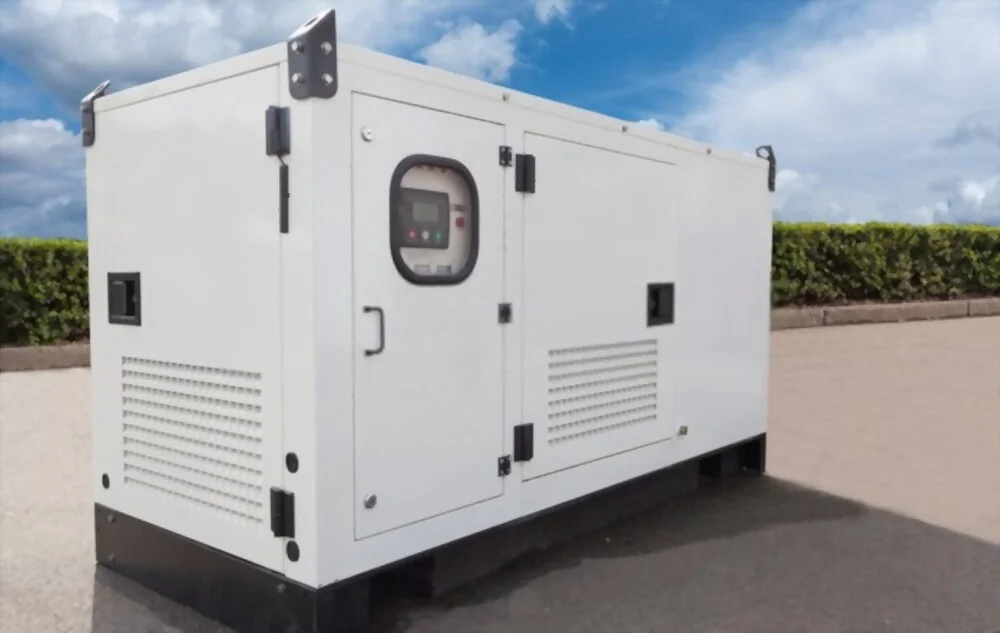
Sizing a diesel generator correctly is not just about picking random numbers from a data sheet. Rather, it is about understanding what your facility needs, how you anticipate future growth, and how you want to ensure that the option you select runs efficiently and reliably. It is 2026, and rising fuel costs, stricter emission regulations, and complex load profiles demand more precision than ever. Below is a step-by-step guide to help you get your hands on a perfectly sized diesel generator.
Step 1: Understanding Your Load Requirements
First things first, you have to identify what the generator will actually power. This is not entirely straightforward; rather, it is something best done when broken down into simpler steps.
We suggest starting by categorising your loads into critical and non-critical loads.
Critical loads refer to essential systems that cannot tolerate downtime at any cost. These include life support systems in hospitals, data centre servers, and production lines in factories. Non-critical loads, on the other hand, are systems that can easily be shut down during power shortages or in the absence of sufficient backup. These include lighting in non-essential areas and auxiliary machines.
Once that is done, you have to determine peak versus continuous load. Peak load refers to the maximum power demand at any given moment. It is often caused when motors, compressors, and HVAC systems start simultaneously. Continuous load, on the other hand, is the steady-state power that your equipment consumes during normal operation.
It is also important to account for starting surge requirements, especially in the case of equipment with high inertia. For example, an industrial air compressor may require three to six times its running load during startup. We suggest using historical energy consumption data and load sheets to get a more accurate picture.
Finally, it is important to understand the difference between kilowatts and kilovolt-amperes (kW and kVA). Diesel generators are often rated in kVA, while most equipment is rated in kilowatts. Applying the correct power factor ensures that your generator is sized to handle real-world loads efficiently.
Step 2: Calculating Total Connected Load
Once all individual equipment loads are identified, you have to sum them up to calculate the total connected load. Here, it is important to remember that not all equipment runs simultaneously. Apply a diversity factor to reflect realistic operation. For example, in a commercial office, only a fraction of the lighting or HVAC systems might run at the same time. So here, the total connected load is lower than the simple sum of all rated loads.
Also, consider simultaneous start loads for equipment that might operate together occasionally. Correct for the facility’s power factor to ensure that the generator can handle both reactive and active power requirements.
Step 3: Applying Safety & Overload Margins
Even with precise load calculations, it is important to include a safety margin. This is typically 10–25% above your calculated peak load. This margin ensures that the generator can handle sudden surges or unexpected equipment additions without overloading.
Here, we suggest being careful not to excessively oversize. A generator that is too large will operate below its optimal load range, wasting fuel and increasing operational costs. The key here is balance. Make sure you have enough margin to handle surprises, but not so much that efficiency suffers.
Step 4: Deciding Between Single-Phase vs Three-Phase Generators
Choosing the correct electrical phase is important. Single-phase generators are suitable for small loads, residential setups, or light commercial facilities. Three-phase generators are ideal for large industrial plants, commercial buildings, and systems with high-surge equipment.
Three-phase units offer better efficiency for heavy loads and future expansion. On the other hand, single-phase systems are simpler and more cost-effective for smaller applications. The choice here depends on your load type, complexity, and potential for growth.
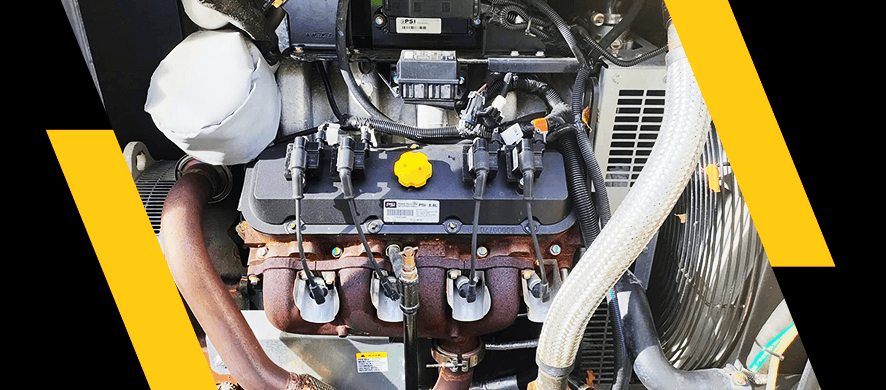
Step 5: Factoring in Operational & Environmental Conditions
Your generator’s performance is influenced by environmental factors such as altitude, temperature, humidity, installation location, and noise regulations. Higher elevations reduce air density, which can lower the generator’s output. Extreme heat and humidity can also affect engine efficiency.
Indoor versus outdoor placement affects ventilation, exhaust management, and noise levels. Lastly, urban areas or residential-adjacent sites often require quieter operation, and noisy generators may not be suitable in such settings. Adjust your generator selection according to these factors.
Step 6: Considering Fuel Efficiency & Runtime
Fuel consumption is closely linked to generator set sizing. Generators operate most efficiently at 70–80% of their rated load. Oversized generators running at low loads burn more fuel per kilowatt-hour, while undersized ones may run at high loads constantly, increasing the risk of wear and requiring higher maintenance.
It is best to decide whether your generator will operate daily for peak shaving or only during emergencies. This decision directly affects optimal sizing and fuel planning. Comparing fuel costs over expected operational hours can help determine the most cost-effective size.
Step 7: Planning for Future Expansion
Lastly, it is important to consider your project’s overall anticipated growth. Adding new equipment or expanding operations can increase power demand over time. Here, we suggest planning in modular steps that allow for easier scaling while avoiding drastic oversizing, because incremental capacity additions are more efficient than purchasing a much larger generator upfront.
It is best to consult experts and engineers to forecast peak load growth over five to ten years, ensuring that your investment remains relevant without wasting resources.
In short, proper sizing combines careful analysis of load, safety margins, and environmental conditions, along with future planning. When followed properly, these steps help ensure that your diesel generator set is efficient, cost-effective, minimises downtime, and proves to be a reliable long-term investment.
Common Mistakes Buyers Make When Sizing Diesel Generators
Despite the huge amount of data available on sizing your diesel generator set correctly, it is common for even experienced engineers, procurers, and buyers to make errors when selecting a diesel generator. In 2026, these mistakes can cost you more than just peace of mind. They can lead to wasted fuel, higher costs, and operational headaches.
Firstly, do not let yourself be lured by a cheap price tag. A cheaply priced option might save upfront costs, but it often leads to inefficiency, frequent maintenance, and higher fuel consumption in the long run. All of these factors increase the total cost of ownership, making you spend far more than what you initially saved.
Failing to account for starting surges from motors, compressors, or HVAC systems can also overload a generator immediately. It is best never to ignore surge loads, as doing so risks downtime and equipment damage.
Planning for expansion is definitely smart, but drastically oversizing “just in case” wastes fuel and reduces overall operational efficiency. Proper forecasting should balance current needs with realistic growth projections.
It is also important never to skip professional load analysis. Relying on rough estimates or guesswork leads to inaccurately sized purchases. Accurate load sheets and historical energy data are essential to determine the right capacity.
Lastly, neglecting site conditions is a mistake you must steer clear of. Altitude, temperature, ventilation, and noise regulations all affect performance. Ignoring these factors can leave you with a set that has reduced efficiency, a shorter lifespan, and potential compliance issues.
How to Confirm the Right Generator Size?
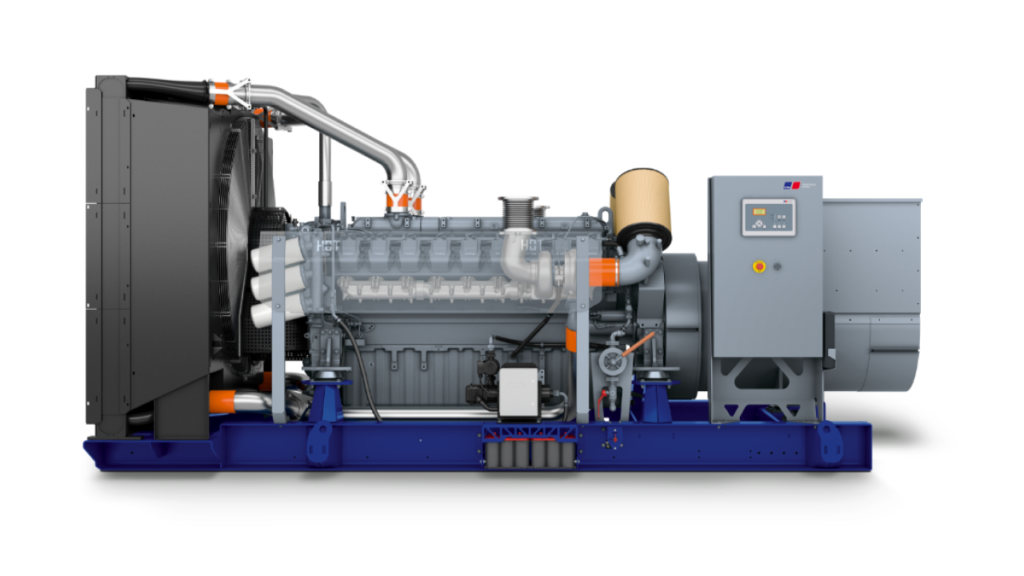
Investing in generators is a long-term investment, and choosing the right-sized one can save you from unnecessary fuel costs, repairs, and operational issues over time. So instead of just making a decision, it’s better to take some time and consider some important factors before making the final choice.
Some of the factors that you must consider to verify the right size are provided below:
- Analyse Critical and Non-Critical Equipment
Start by determining the critical and non-critical equipment. Critical equipment is necessary for operations and must always run like servers, medical equipment, or production lines. Whereas non-critical equipment is not very important, and operations can be carried out in its absence, too.
Now, calculate peak load when both critical and non-critical equipment are running, and continuous load, i.e. when only critical equipment is running. This will help you narrow down choices for the right generator size to a great extent.
- Determine The Total Connected Load
Not all equipment runs at full capacity all the time. Additionally, many machines consume higher power while starting. Consider synchronal startups and diversity factors, then add up the numbers to determine the total connected load.
- Add a Safety Margin
Adding a safety margin helps businesses to avoid overload without having to spend too much on an oversized one. Make sure you add a safety margin of around 10-25%, or based on how much your load fluctuates, to make the right decision.
- Consider Environmental Conditions
Before making the final decision of investing in a generator, it’s important to consider the environmental conditions, too. Extreme temperature ranges, poor air flow, and indoor placement can significantly disturb the performance. Noise levels, too, can influence the backup you choose. Thus, it’s important to factor in environmental conditions.
- Single-Phase or Three-Phase Power
Small shops and manufacturing plants only need a single phase, whereas large-scale factories or buildings require three phases. Make sure you know the phase requirement when searching for the perfect size diesel generator for your business.
- Plan For Future Growth
As mentioned earlier, investing in a generator is a long-term investment; thus, you need to consider your plans and analyse if you will invest in more machines in the near future. If so, then choose one that can power those machines too and is not oversized or undersized.
- Examine the Supplier Specs and Technical Charts
To be sure of the fact that the generator will perform well in real-world scenarios, make sure to verify the supplier specs and charts before investing in the generator.
- Consider Total Ownership Cost
Many buyers make the mistake of considering only the initial cost. To make an informed decision, always evaluate the lifespan, fuel, compliance, and maintenance costs.
- Check The Availability Of Spare Parts And Service Support
A reputable supplier should always offer reliable and responsive after-sales service. Make sure to review the warranty period and the level of technical support provided before choosing a generator. Also, confirm that spare parts are easily available so maintenance and repairs can be handled quickly without unnecessary downtime.
- Verify The Remote Monitoring and Automation Features
A remote monitoring system lets you track important generator data, like power levels, load usage, engine temperature, and running hours, through a mobile app or control panel. This saves you the time, effort, and hassle of checking the generator manually every day.
Get Rightly Sized Diesel Generator Sets With ALEO Today
In 2026, selecting the right diesel generator is no longer limited to comparing the numbers with the expected load. It’s about choosing the one that will offer higher precision, efficiency, reliability, and long-term cost control.
A right-sized option provides continuous power, thus fueling operations without any interruption, all while reducing fuel consumption, limiting maintenance needs, and complying with emission standards.
The experts at ALEO can help you determine the right generator size for your needs, while also ensuring that it has potential for upscaling in future. Visit our website and connect with us today to get accurately sized power backups for efficient working in 2026.