




Description

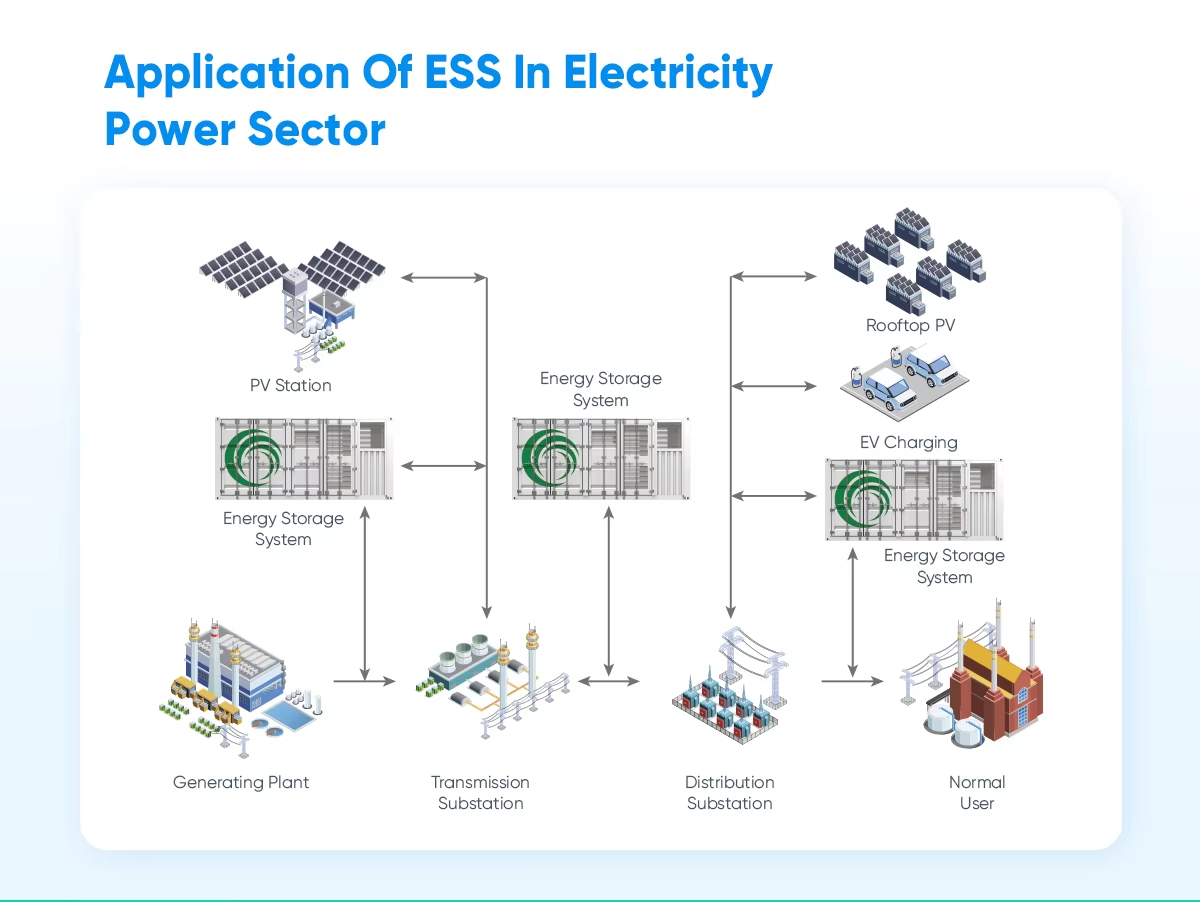
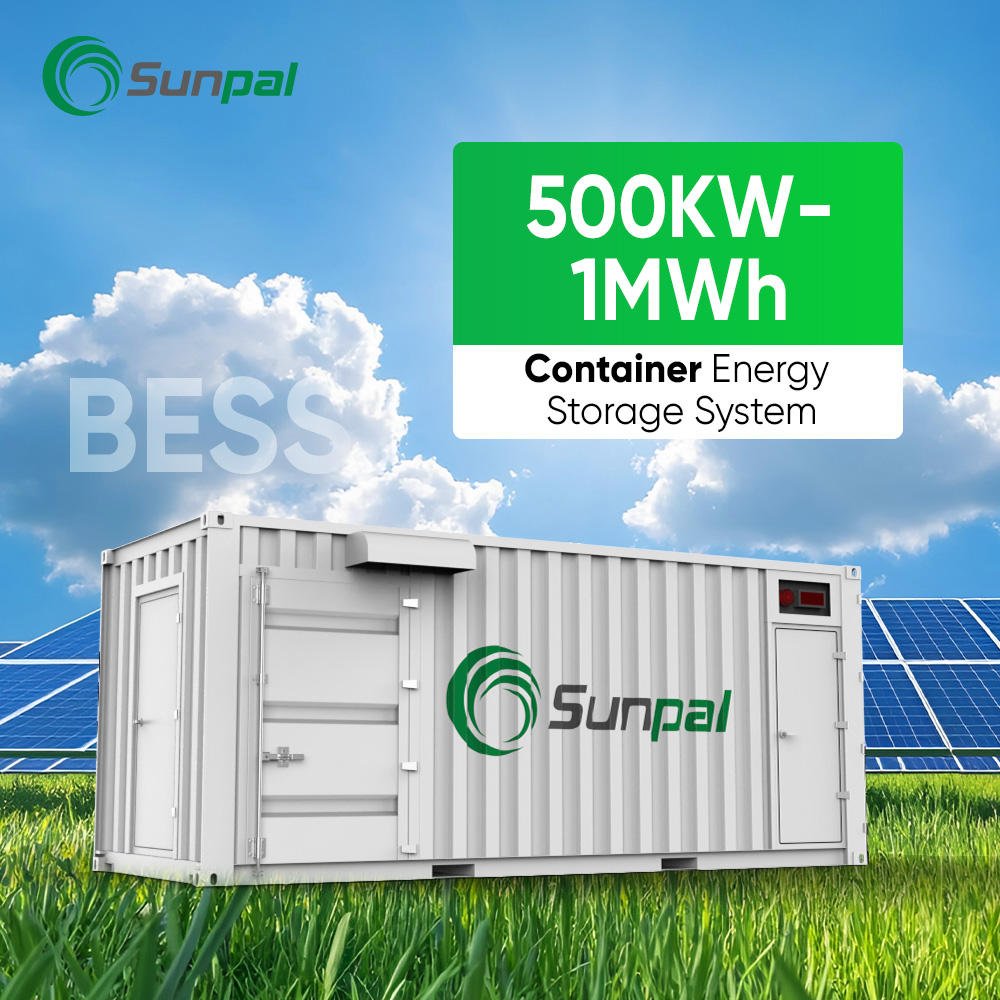
BESS facilities provide an opportunity to store energy generated from another source. BESS facilities are key to improving grid reliability for energy by storing lowcost electricity (such as renewable energy) when there is an oversupply or during periods of low demand so that electricity is available when demand is higher. BESS facilities can also stabilise the grid during frequency disruptions and help reduce the frequency of blackouts and the need for load shedding in instances of supply imbalance.
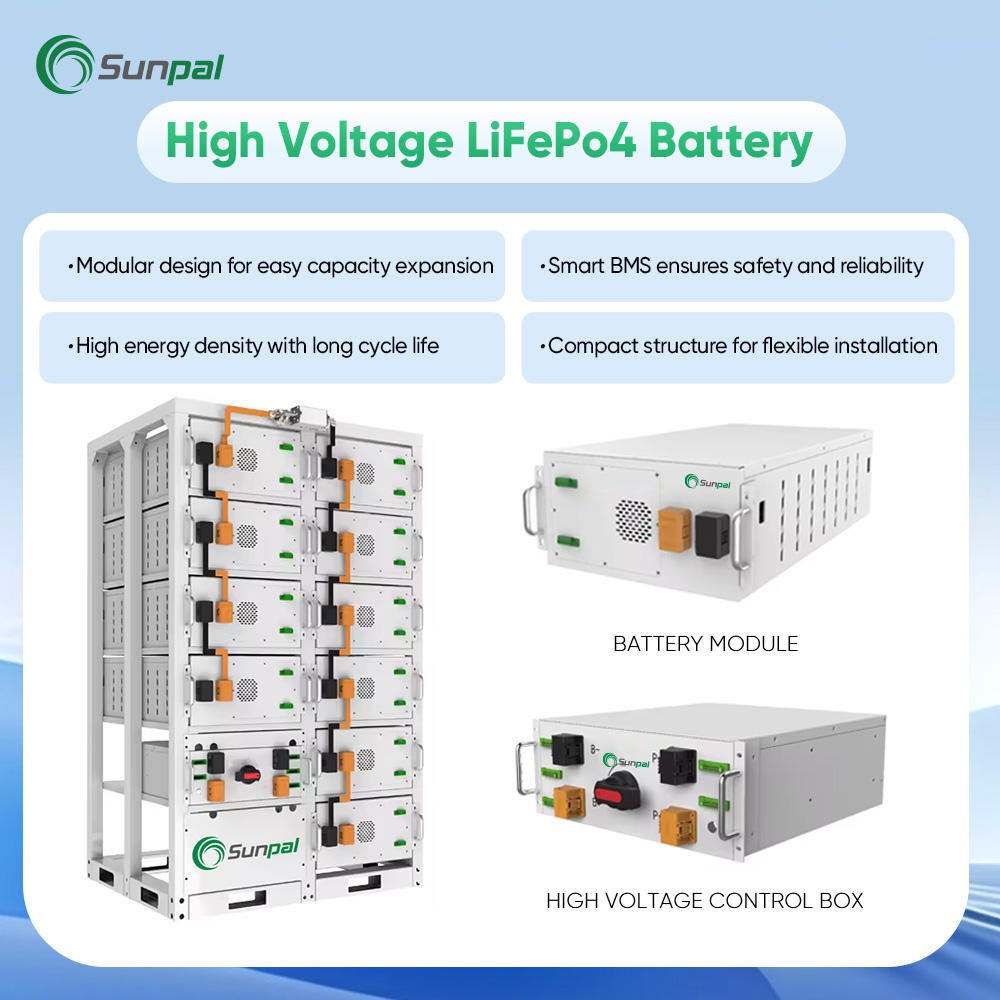
DC Data | Cell type | Prismatic LFP |
Cell brand | REPT | |
Cell life cycle | >8,000 cycles@ 0.5C,25℃ | |
Cell spec | 3.2V/280Ah | |
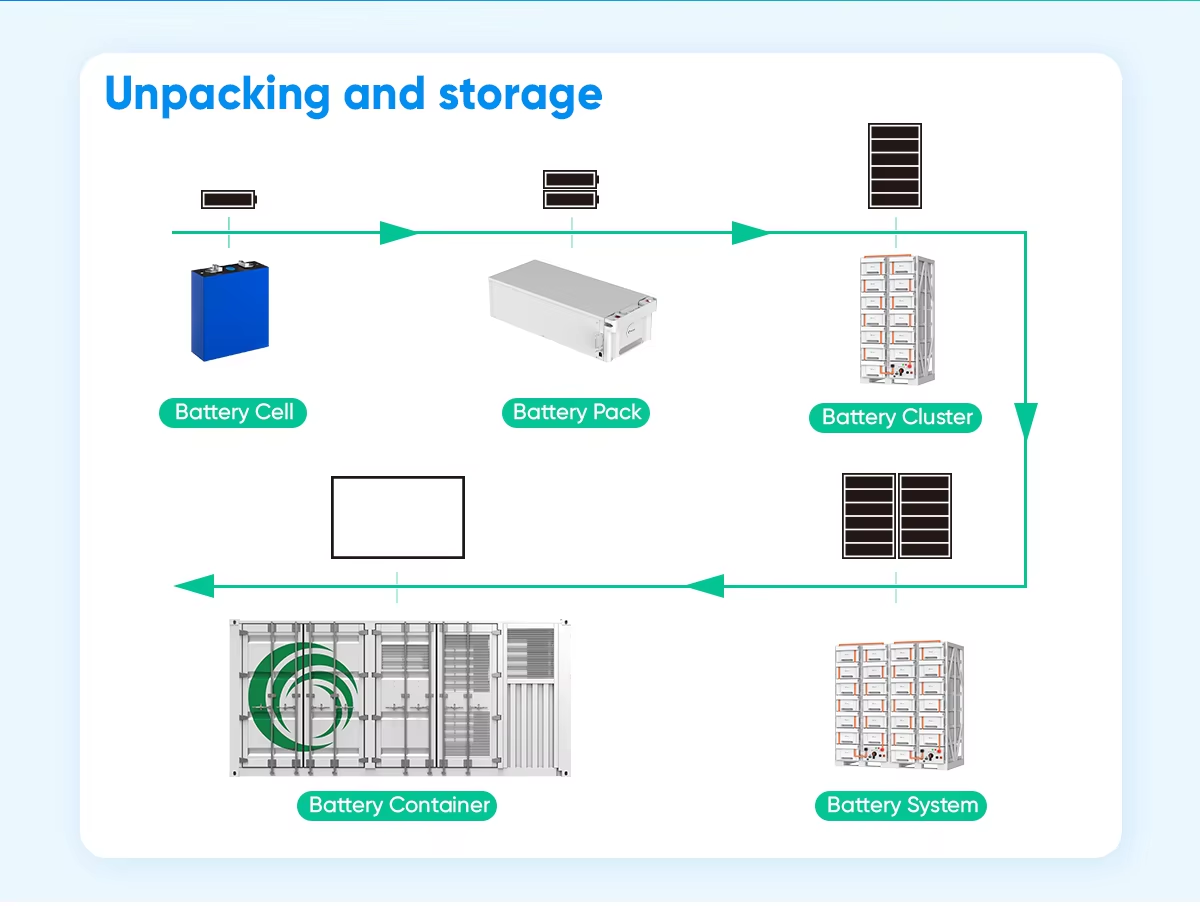
Number of strings | 5 | |
String rated energy capacity | 215kWh | |
DC rated energy capacity | 1MWh | |
Rated voltage | 768V | |
BMS communication interface | Ethernet, CAN, RS485 | |
BMS communication protoco | Modbus RTU, Modbus TCP | |
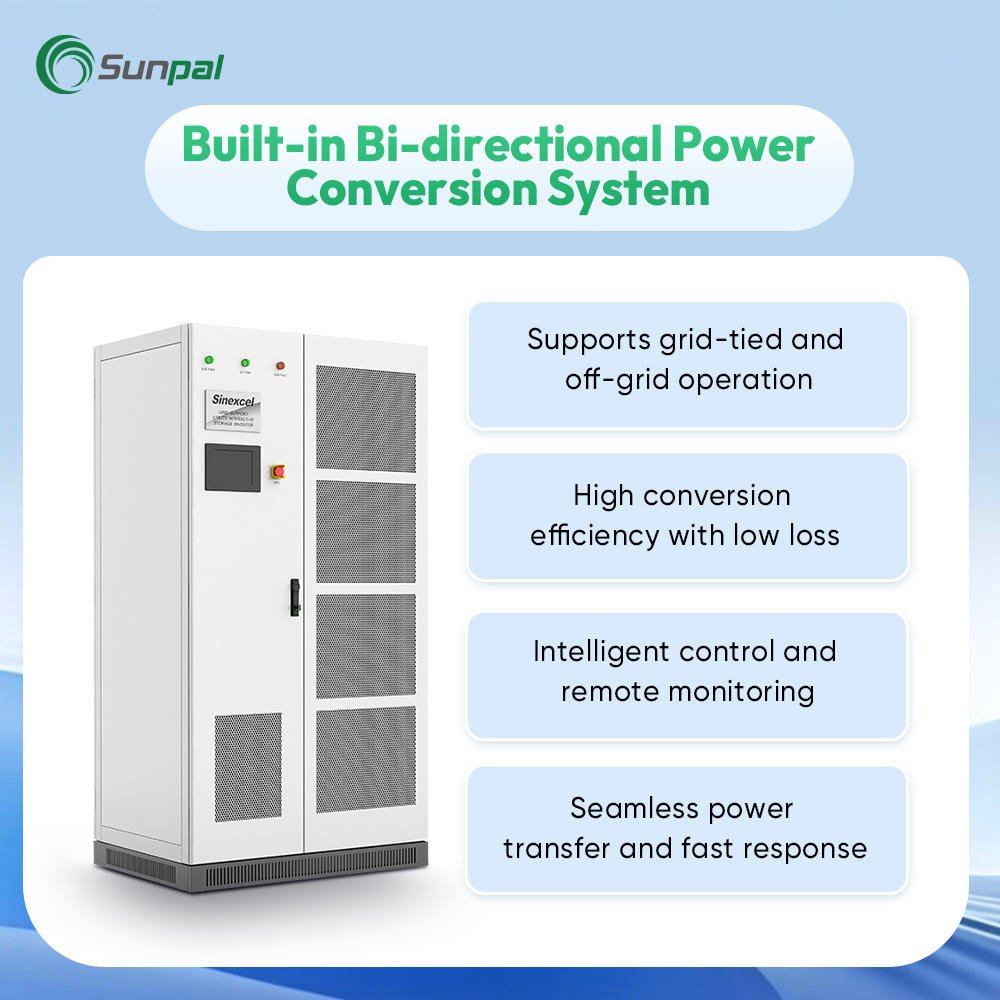
AC Data | Rated AC power | 500kW |
Rated AC voltage | 400V | |
AC PF | 1 leading~1 lagging | |
Output THDi | ≤3% | |
Nominal grid frequency | 50/60Hz | |
Isolation method | 3 Phase 4 Line Transformer | |
General Data | L*W*H | 6,058*2,438*2,591mm |
Weight of whole system | <30MT | |
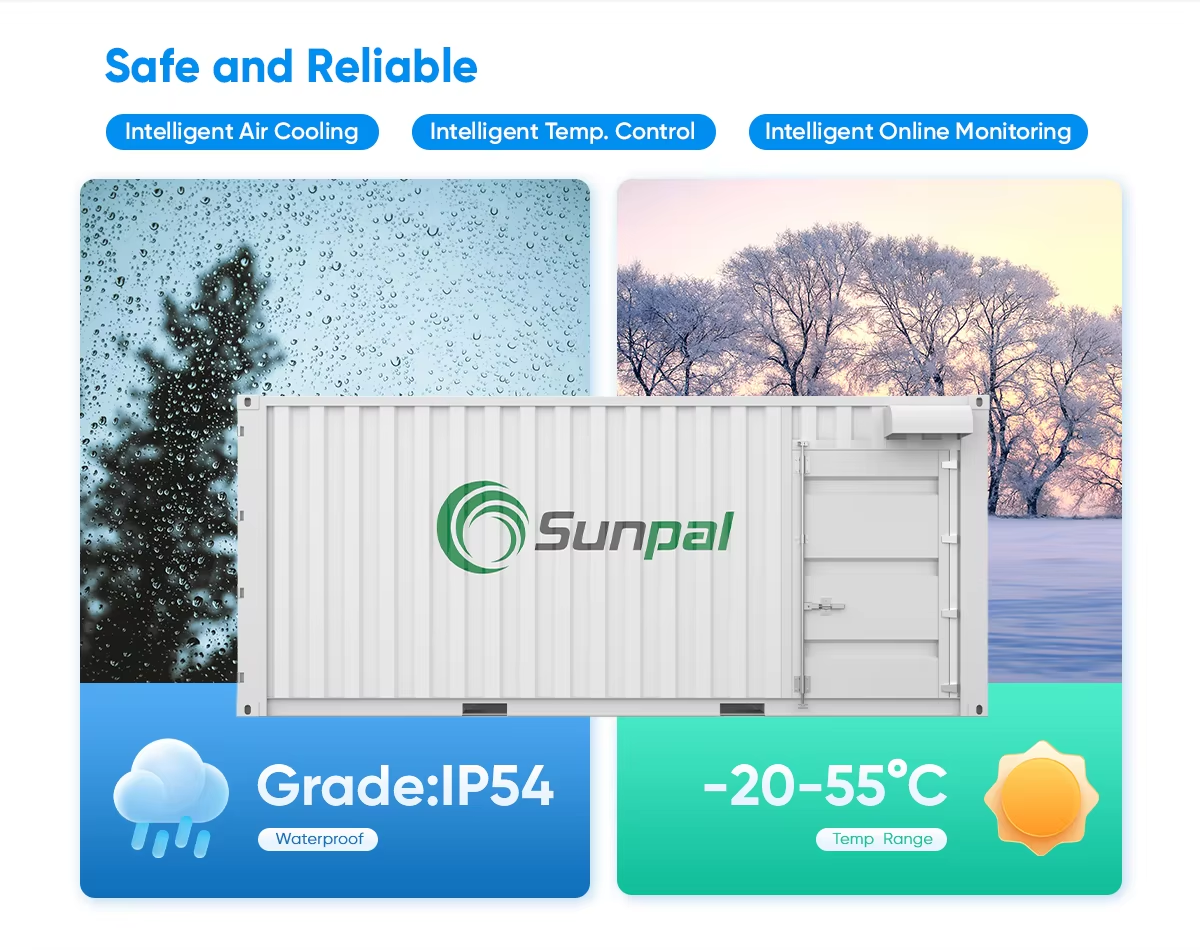
Degree of protection | IP65 | |
Operating temperature range | -20~65℃ | |
Relative humidity | 0~95% (non-condensing) | |
Max working altitude | 3,000m/9,842ft | |
Cooling concept of DC hatch | HAVC | |
Cooling concept of PCS hatch | Forced air cooling | |
Fire extinguisher system | HFC bottle group | |
Communication interfaces | RS485, Ethernet, GPRS | |
Communication protocols | Modbus RTU, Modbus TCP |
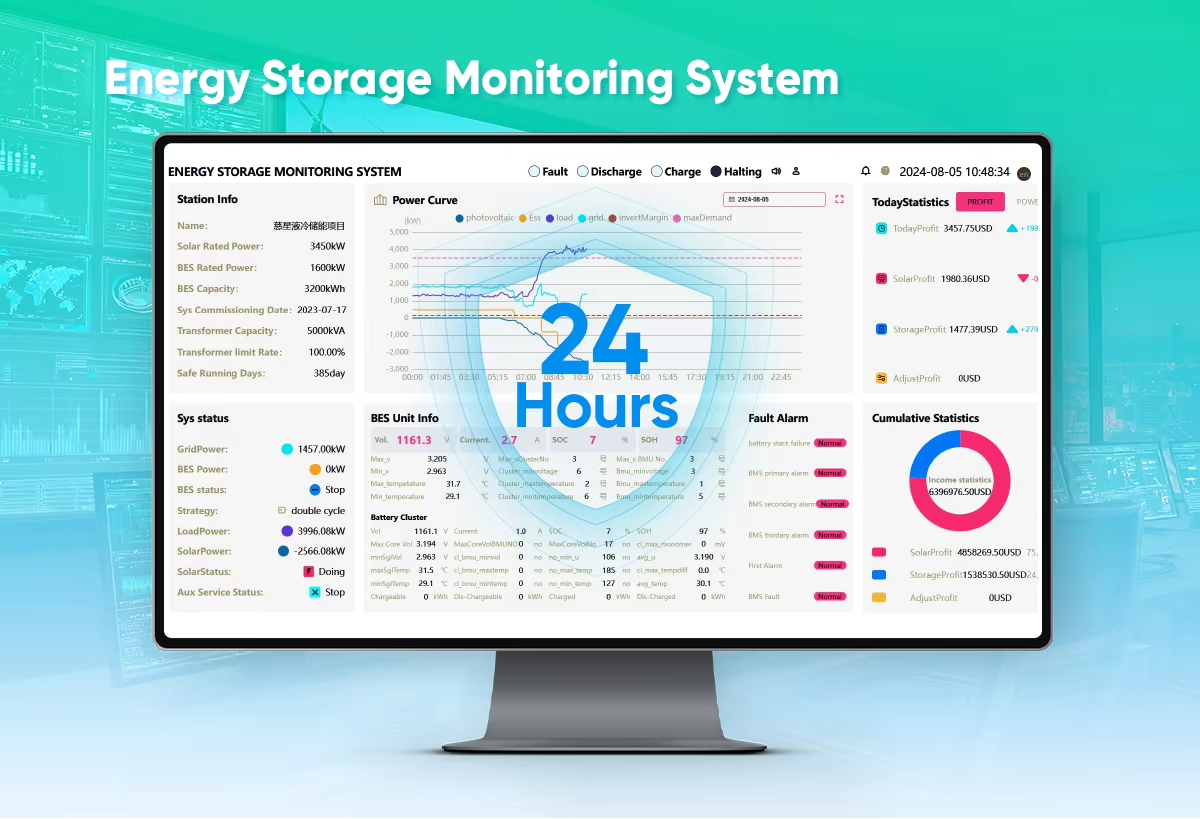
Five Key Functions of Container Battery EMS
1. Real-time Monitoring and Control
Continuously monitors battery voltage, current, temperature, SOC/SOH, and operating status to ensure safe and stable system operation.
2. Energy Optimization and Dispatch
Automatically manages power flow between grid, battery, and load to maximize efficiency and reduce operating costs.


Continuously monitors battery voltage, current, temperature, SOC/SOH, and operating status to ensure safe and stable system operation.
2. Energy Optimization and Dispatch
Automatically manages power flow between grid, battery, and load to maximize efficiency and reduce operating costs.
3. Peak Shaving and Load Management
Balances energy usage during peak hours, reduces demand charges, and stabilizes power supply for industrial or grid applications.
4. Fault Diagnosis and Protection
Provides real-time alarm, fault detection, and automatic protection against overcharge, over-discharge, overtemperature, and short circuits.
5. Remote Communication and Data Logging
Supports remote monitoring, data analysis, and firmware updates through multiple communication protocols (Modbus, CAN, Ethernet, 4G, etc.).
Balances energy usage during peak hours, reduces demand charges, and stabilizes power supply for industrial or grid applications.
4. Fault Diagnosis and Protection
Provides real-time alarm, fault detection, and automatic protection against overcharge, over-discharge, overtemperature, and short circuits.
5. Remote Communication and Data Logging
Supports remote monitoring, data analysis, and firmware updates through multiple communication protocols (Modbus, CAN, Ethernet, 4G, etc.).
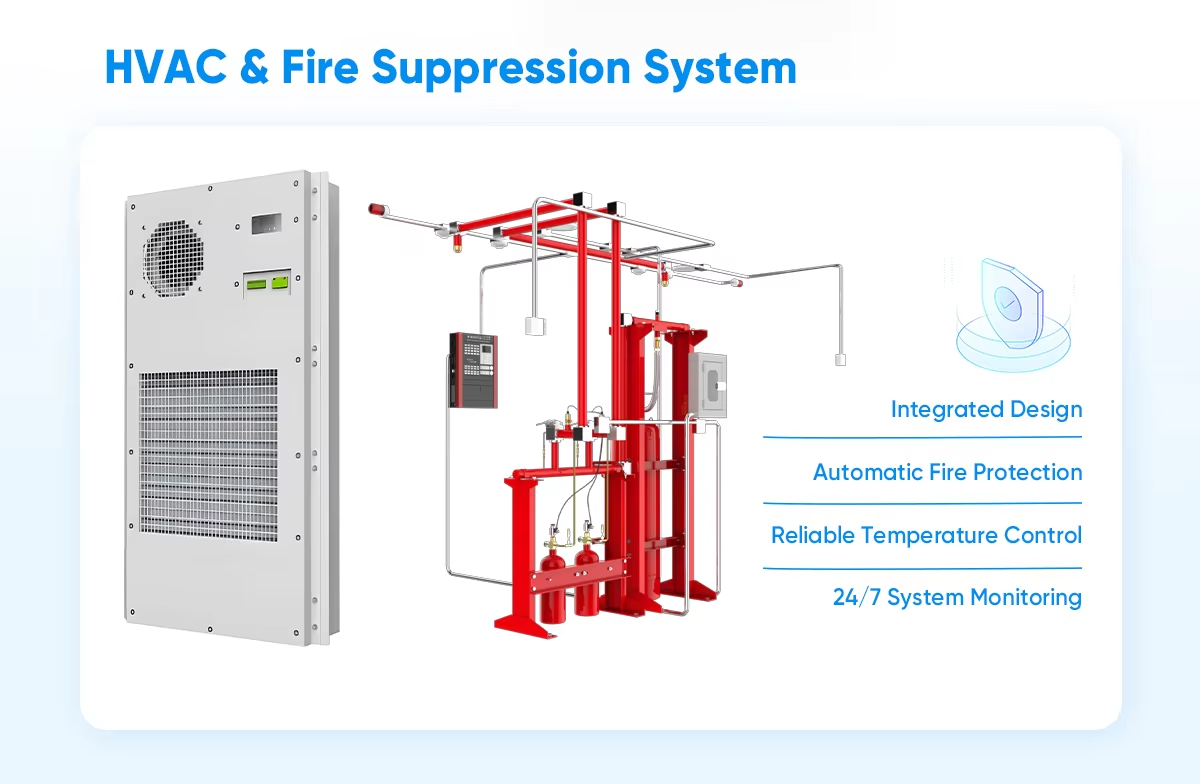
HVAC System – Intelligent Temperature and Humidity Control
The ESS container is equipped with a precision HVAC system to maintain ideal internal conditions during charging, discharging, and standby modes.
* Efficient Cooling: Automatically starts when the internal temperature exceeds the set point and stops once the temperature returns to normal.
* Smart Heating: Activates when the internal temperature drops below the set point and stops after reaching the desired level.
* Dehumidification Control: Removes excess moisture when humidity is above the set point, ensuring a stable and dry environment inside the container.
* Efficient Cooling: Automatically starts when the internal temperature exceeds the set point and stops once the temperature returns to normal.
* Smart Heating: Activates when the internal temperature drops below the set point and stops after reaching the desired level.
* Dehumidification Control: Removes excess moisture when humidity is above the set point, ensuring a stable and dry environment inside the container.
Fire Suppression System – Advanced Safety Protection
The ESS container uses a fully integrated fire suppression system designed according to container size and safety standards. The extinguishing gas is released from cylinders through main and branch pipelines, then discharged through nozzles for fast and effective fire control.
The system includes:
* Fire detectors
* Audible and visual alarms
* Emergency start/stop buttons
* Gas release indicators
* Gas extinguishing controller
The system includes:
* Fire detectors
* Audible and visual alarms
* Emergency start/stop buttons
* Gas release indicators
* Gas extinguishing controller
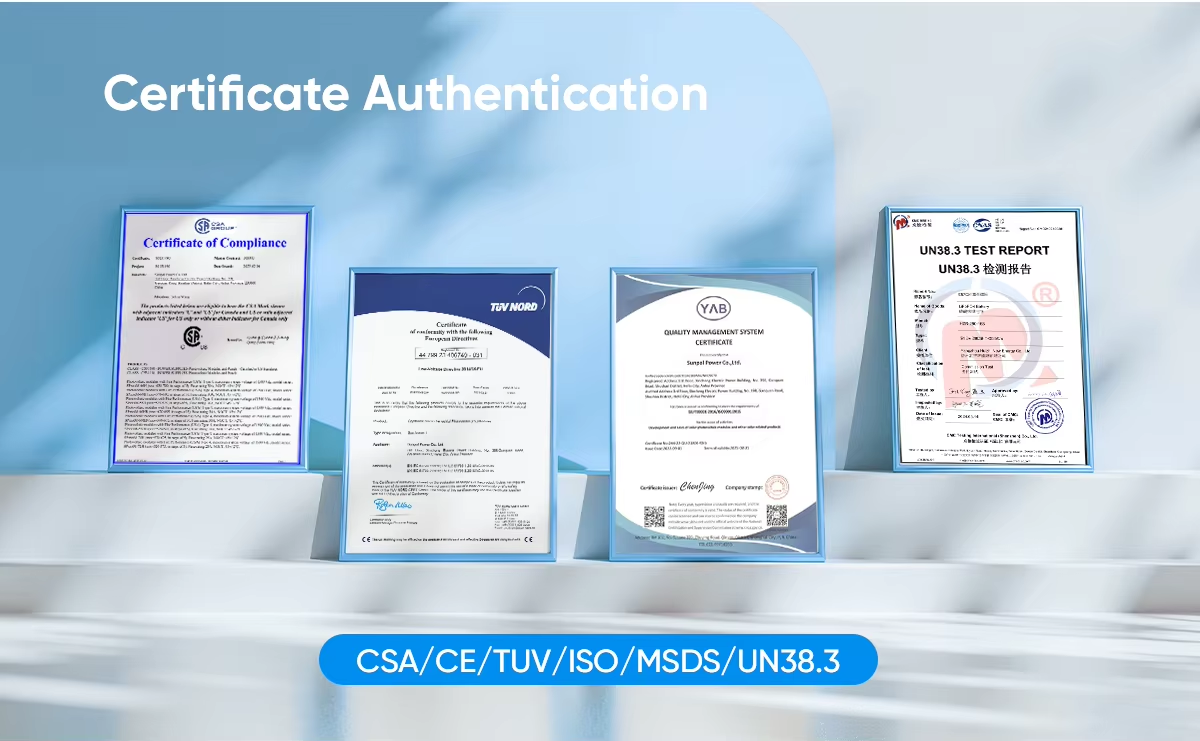
Factory
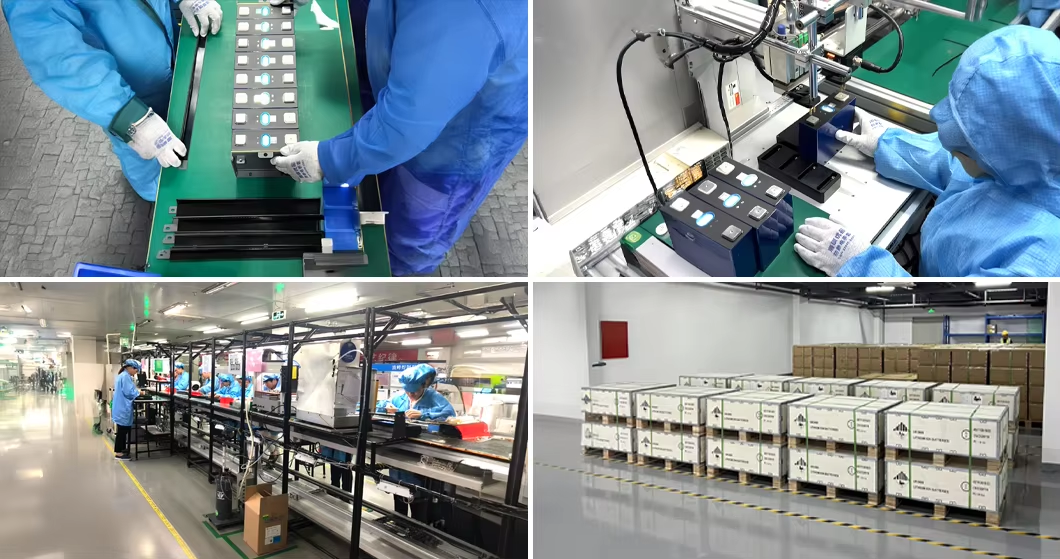
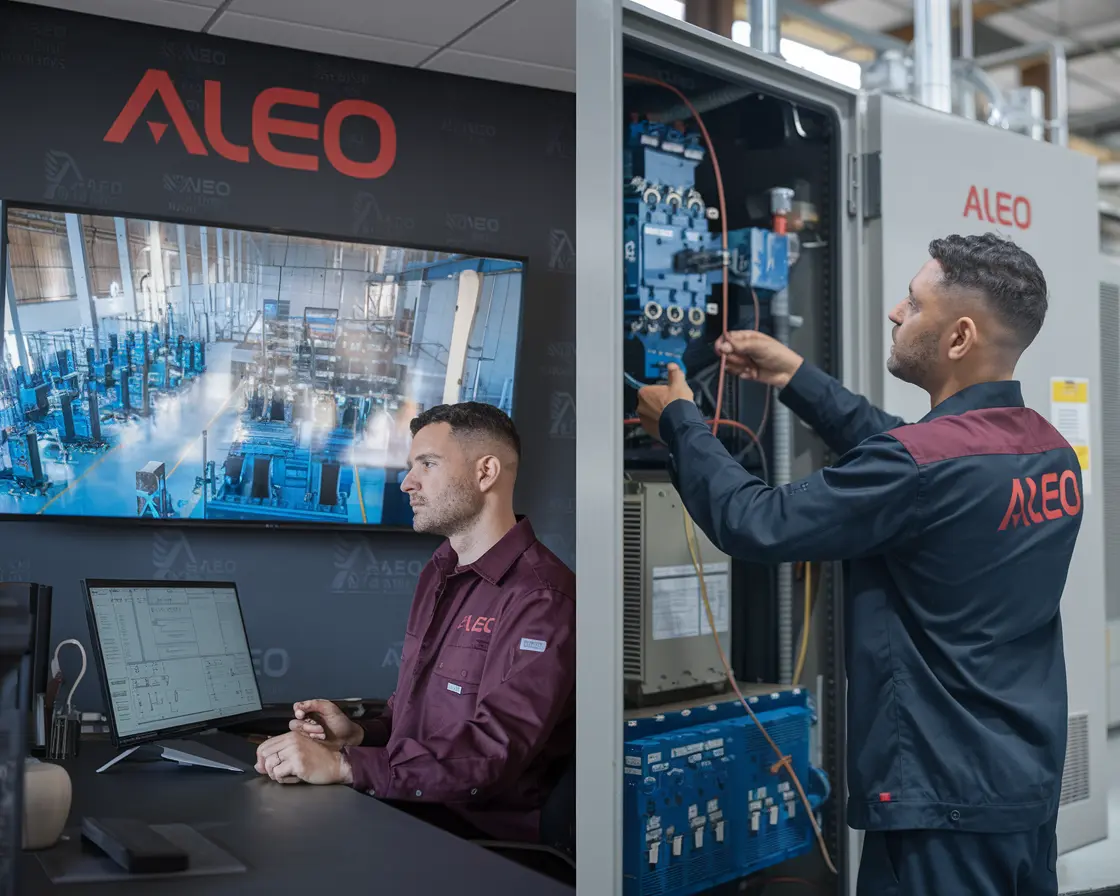
The overall lithium battery manufacturing process can be divided into the front-part process (electrode manufacturing) and the middle-part process (cell synthesis), and the Back-part process (formation and packaging).The production of lithium batteries is inseparable from lithium battery production equipment.
In addition to the materials used in the battery itself, the manufacturing process and production equipment are important factors that determine battery performance. Throughout the process, the production of lithium-ion batteries must not only strictly control the quality control points of each process, and optimize the production process, but also strictly control the temperature, humidity, and cleanliness of the production environment. The production of lithium-ion batteries is a very complex and delicate process, and the details determine success or failure.
In addition to the materials used in the battery itself, the manufacturing process and production equipment are important factors that determine battery performance. Throughout the process, the production of lithium-ion batteries must not only strictly control the quality control points of each process, and optimize the production process, but also strictly control the temperature, humidity, and cleanliness of the production environment. The production of lithium-ion batteries is a very complex and delicate process, and the details determine success or failure.