



Description
Product Features
1、 Voltage conversion function
Transformers can increase or decrease the AC voltage as needed. For example, in the process of power transmission, in order to reduce line losses, the voltage is usually raised in the power plant and transmitted to a distant location through high-voltage transmission lines. Then, at the user end, a transformer is used to lower the voltage to an appropriate value for use by the user.
2、 Electrical isolation function
Transformers can achieve electrical isolation between input and output circuits. This means that there is no direct electrical connection between the two circuits, only energy is transmitted through magnetic coupling. This isolation can improve the safety of the system, prevent faults in one circuit from affecting the other, and also help reduce electrical interference.
3、 Efficient energy transfer
Transformers have high efficiency and can effectively transfer energy between input and output. Generally speaking, the efficiency of transformers can reach over 95% or even higher. This is because transformers mainly rely on electromagnetic induction to work, without mechanical moving parts, reducing energy loss.
4、 Multiple types and specifications
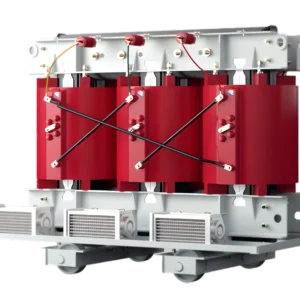
Transformers come in various types and specifications to meet different application needs. According to their purposes, they can be divided into power transformers, instrument transformers, test transformers, and special transformers; According to the number of phases, it can be divided into single-phase transformers and three-phase transformers; According to the cooling method, it can be divided into dry-type transformers and oil immersed transformers. Different types of transformers vary in structure, performance, and applicable scenarios.
Detailed Description
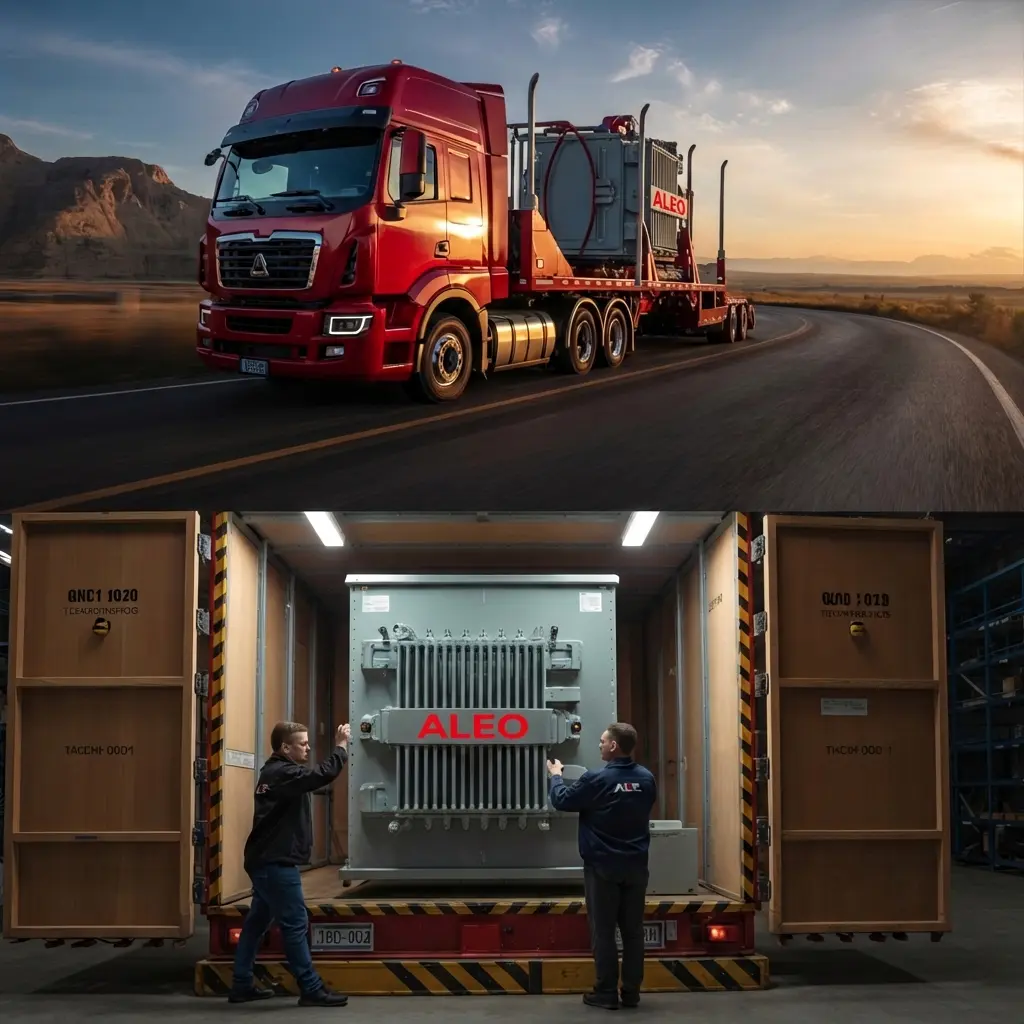
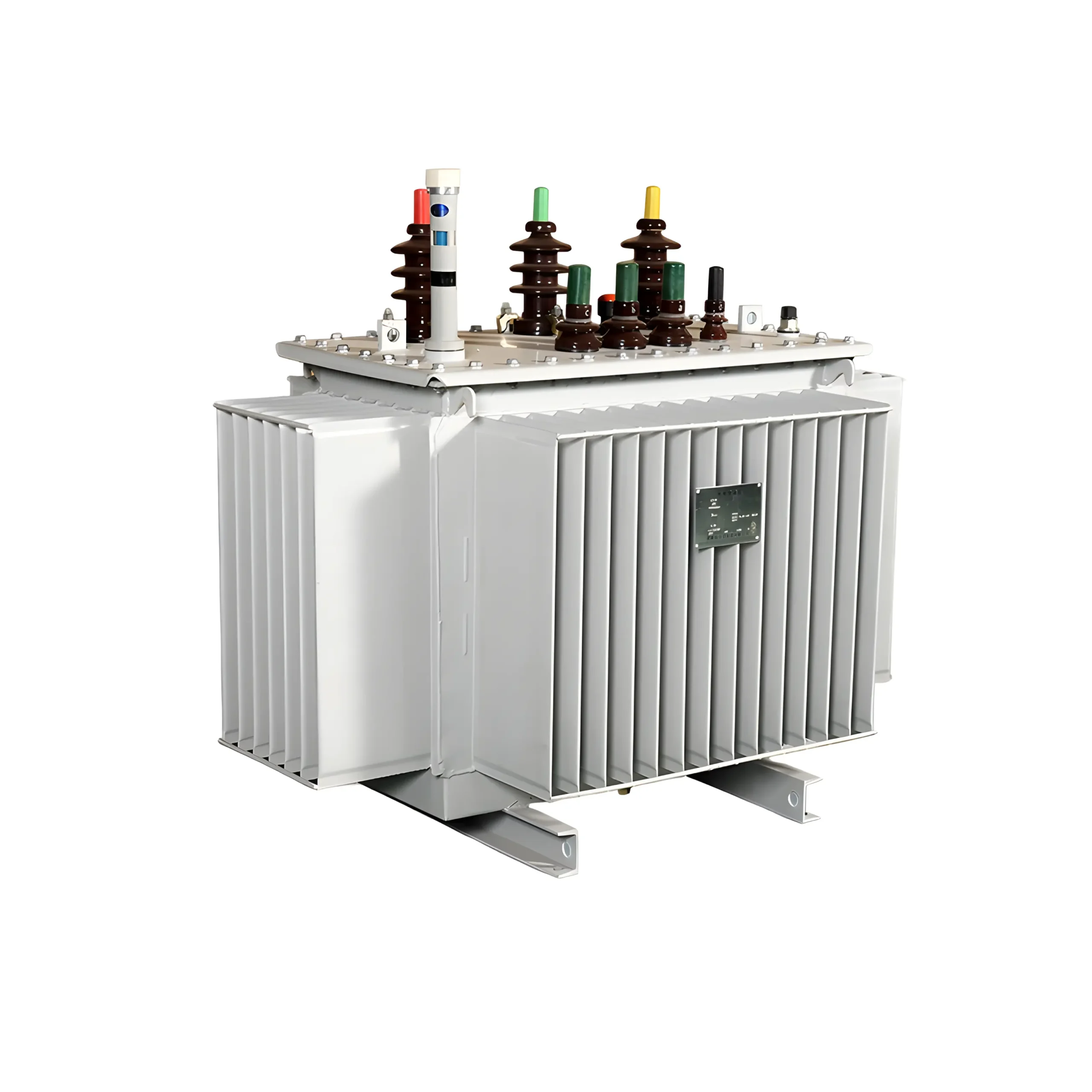
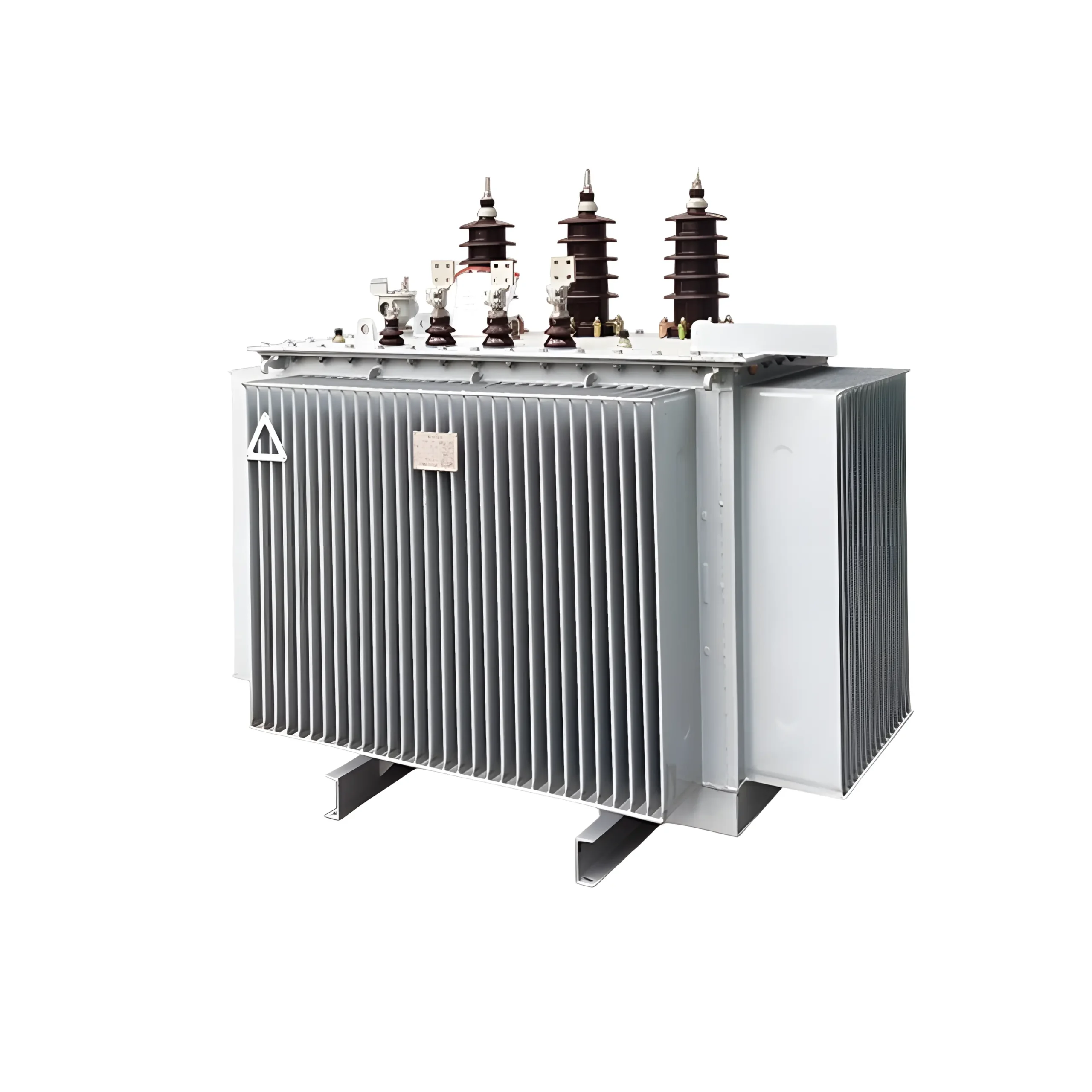
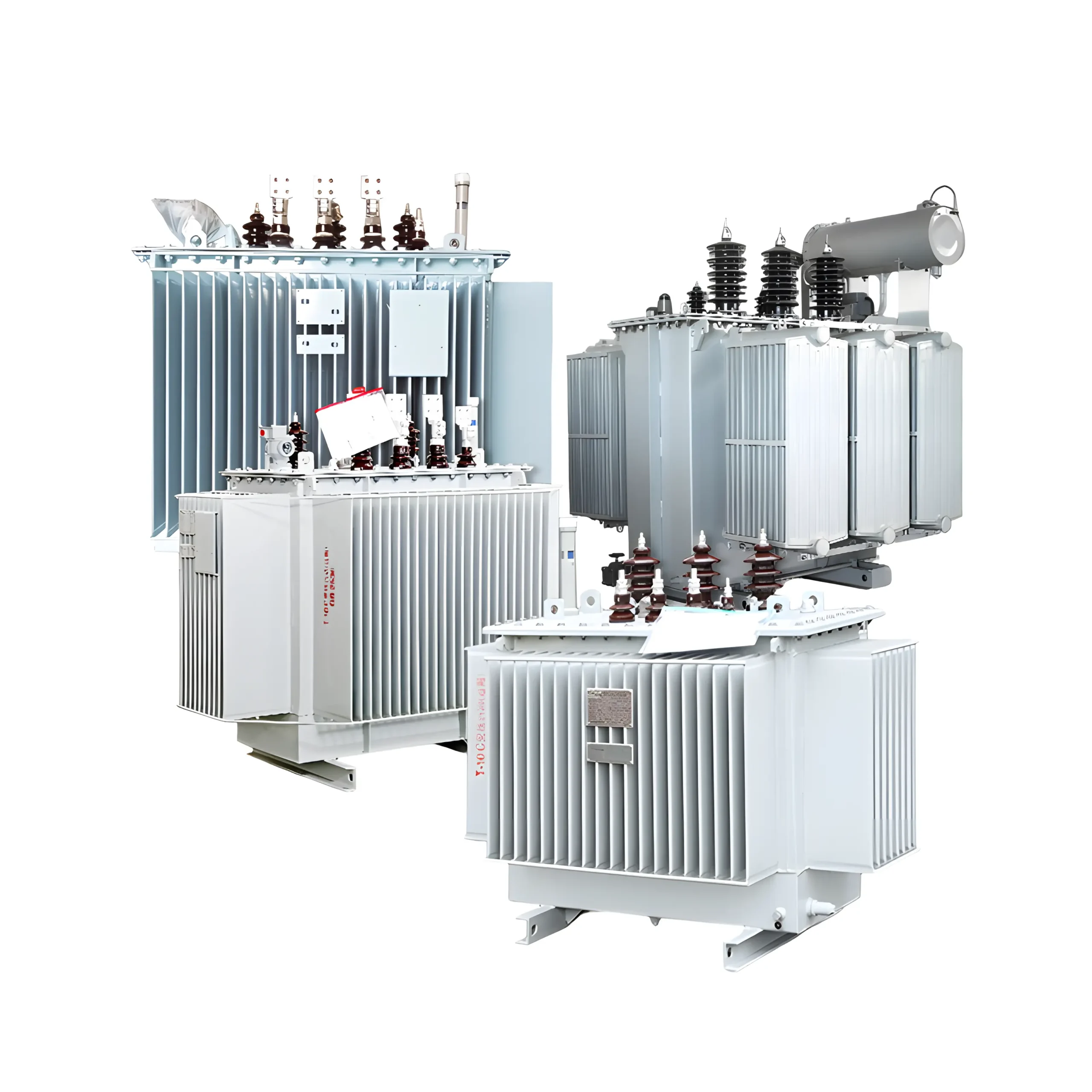
The type ollimmersed power transformer is a three-phase, ollimmersed, self-cooling,fully sealed distribution transformer designed forpower systems with AC 50Hz frequency and rated voltages such as 10kV or 6kv. This productis primarily used for voltage transformation intransmission and distrilbution systems.,It can be installed in distribution lines, substations, and industrial or mining enterprises to undertaketasks related to electrical energy distribution and transmission.
I. Product Overview & Design Features
The product design references energyefficiency standards, aiming to provide a relatively stable and energy-saving power conversion solution.Its structural characteristics are mainly reflected in the following aspects:
Core Materia: The core is typically manufactured from high-quality cold-rolled silicon steell aminations. This material offers favorable magneticpermeability characteristics, contributing to the reduction of the transformer’s no-load loss.
Windings & Insulation: The high-voltage and low-voltage windings undergo a complete vacuum pressure impregnation process, The coilstructure design emphasizes enhanced mechanical strength and electrical insulation performance. Bushings utilize ceramicinsulation, helping to improve insulation levels and puncture resistance capability.
Heat Dissipation & Sealing: The radiator fins on the tank are scientifically arranged to enhance the circulation efficiency of the transformer oilthereby achieving rapid heat dissipation and maintaining relatively stable operating temperatures. The product can adopt a fully sealedstructure to minimize contact between the transformer oiland air, which may positively contribute to slowing the aging process of the oil.
Oil Level Monitoring & Protection: Equipped with an oil level gauge device, facilitating observation of oil level changes during routine inspectionsand providing reference for maintenance work.
Il. Typical Application Scenarios
The S13 series transformer is designed for various scenarios requiring voltage transformation. Common application areas include:Power Systems.Step-up or grid-connection for photovoltaic power stations; power grid modernization projects;ring main unit construction.Industry & Construction: Distribution systems in sectors such as petrochemicals, industrial and miningenterprises,high-rise buildings, airports, and ports.
Infrastructure: Providing power supply for various public facilities and end-user stations.
Ill. Key Technical Parameters (Reference)
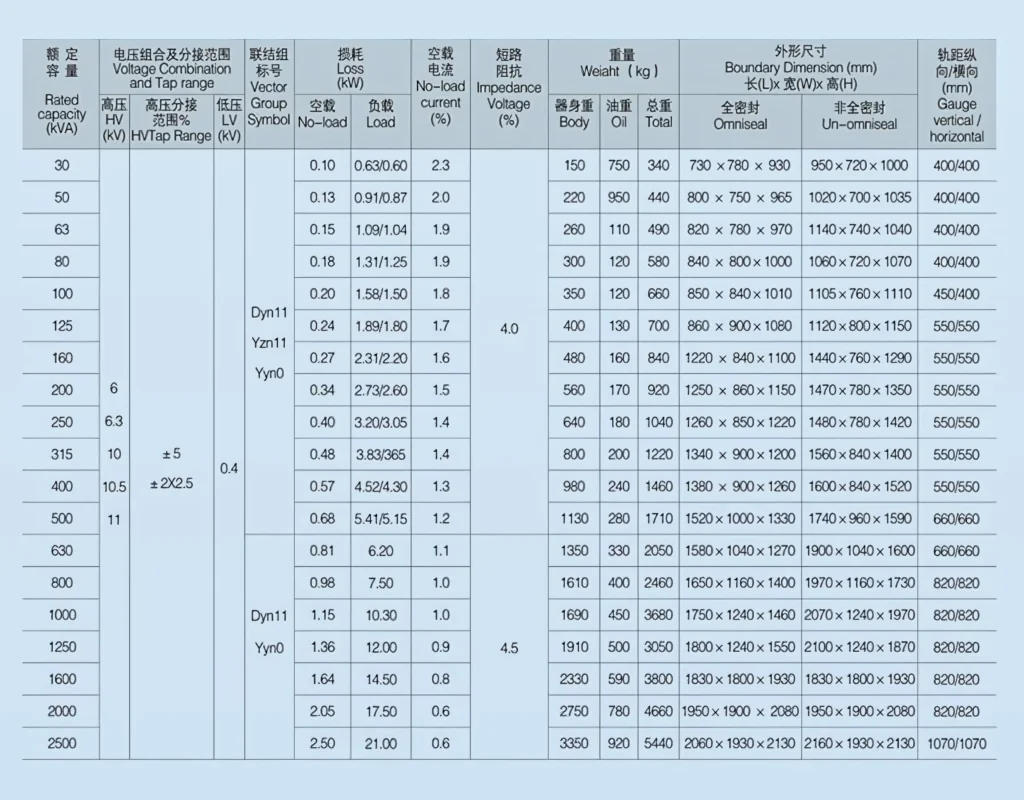
The following technical parameters are compiled based on typical specifications of the S13 type transformer, with a specific focus on the 630kA rating, while also covering the common capacity range from 50 kA to 2500 kvA. Actual parameters mayvary depending on the specficmodel, voltage level, and manufacturing processes, Please refer to the factory technical documentation for definitive specifications.
IV. Supply & Delivery Information
| Item | Details |
| Stock Availability | Please Inquire (Stock levels change dynamically; contact customer service for confirmation) |
| Custom Lead Time | Approximately 1 Week (Subject to order quantity and configuration complexity) |
V. Selection & Usage Recommendations
Proper transformer selection is cruclal for ensuring the stable operation of the power system. Users are advised to consider the followingfactors comprehensively during selection:
Rated Capacity.Select based on the actual load size, load characteristics, and future expansion margin to avoid long-term overload or underload operation.
Voltage Level: Confirm that the high-side voltage at the connection point matches the transformer’s high-voltage rated voltage.
Installation Environment: Consider the ambient temperature, alttude,humidity, and any speclal corrosion protection requlrements at theinstallation site, as these factors may influence the transformer’s output capability and protection design.
Energy Efficiency Level: S13 represents a specific performance level. Users can evaluate the economics of transformers with diferent efficiencyclasses based on local electricity pricing policies and long-term operating costs.
Correct installation,regular inspections, and preventive testing are significant for ensuring the safe and stable operation of the transformer and extending its service life.